Spatial awareness Normal Kindergarten Worksheets
9 filtered results
-
From - To
Our engaging Kindergarten Spatial Awareness Worksheets are designed to help young learners develop essential geometry and direction skills. Through fun and interactive activities, children will learn to identify shapes, understand relative positions, and improve their problem-solving abilities. Each worksheet encourages exploration of concepts like near/far, left/right, and top/bottom, fostering a strong foundation for future math success. Perfect for in-class exercises or at-home practice, our resources support your child’s growth in a playful, educational way. Let your child's spatial awareness flourish with activities that turn learning into an exciting adventure! Visit now to download and get started.
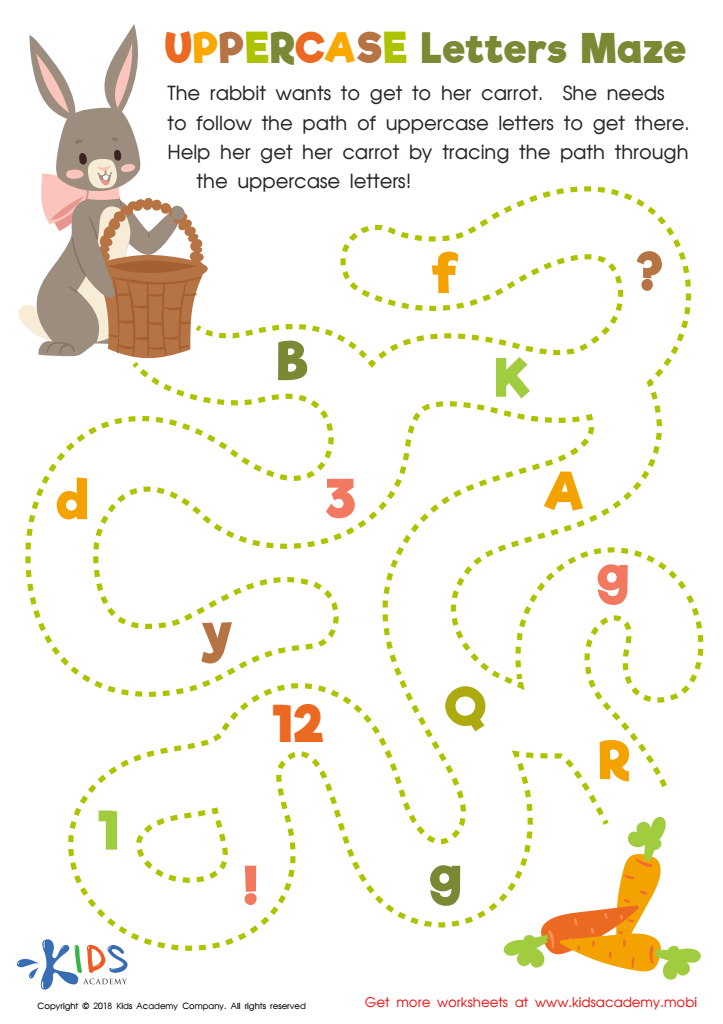
Uppercase Letters Maze Worksheet
 Assign to My Students
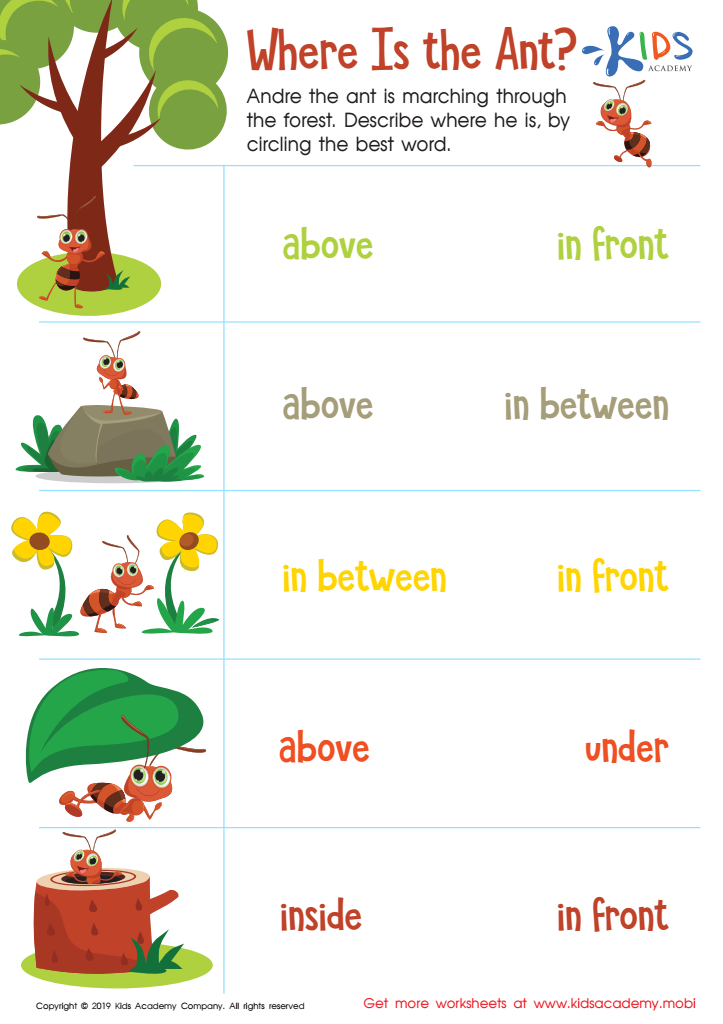
Where Is the Ant? Worksheet
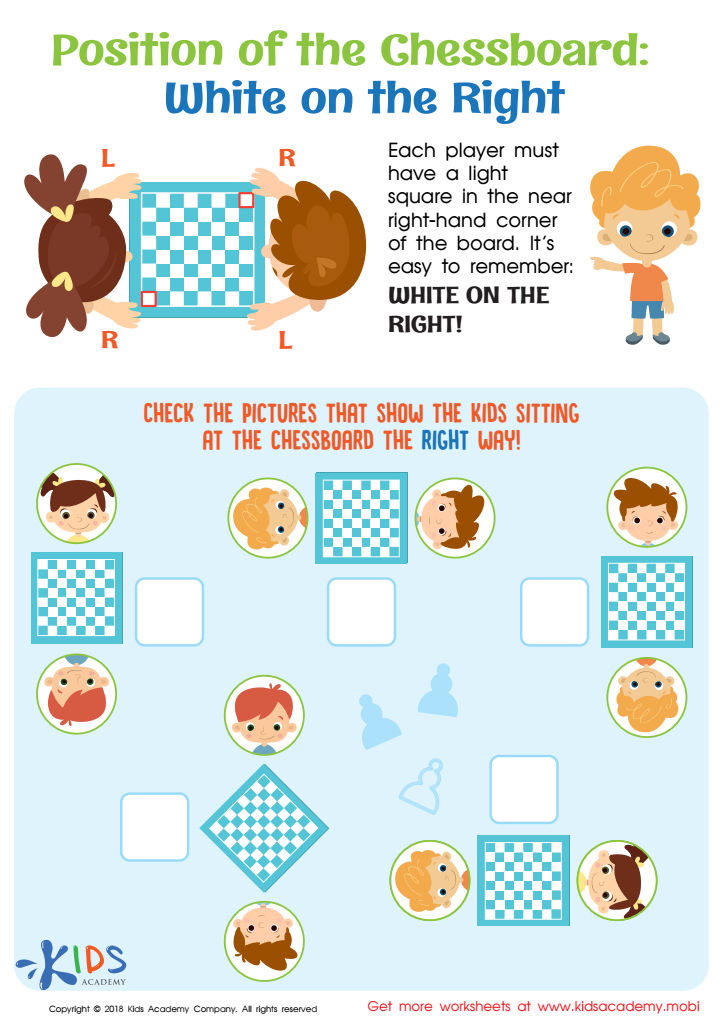
Position of the Chessboard: White on the Right Worksheet
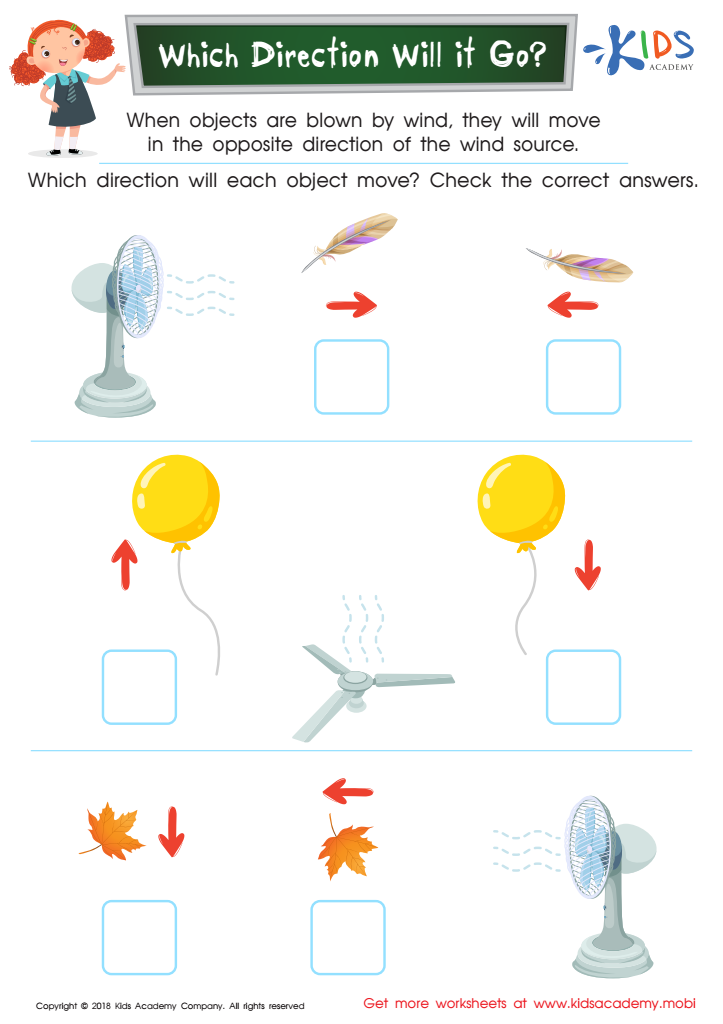
Which Direction Will it Go? Worksheet
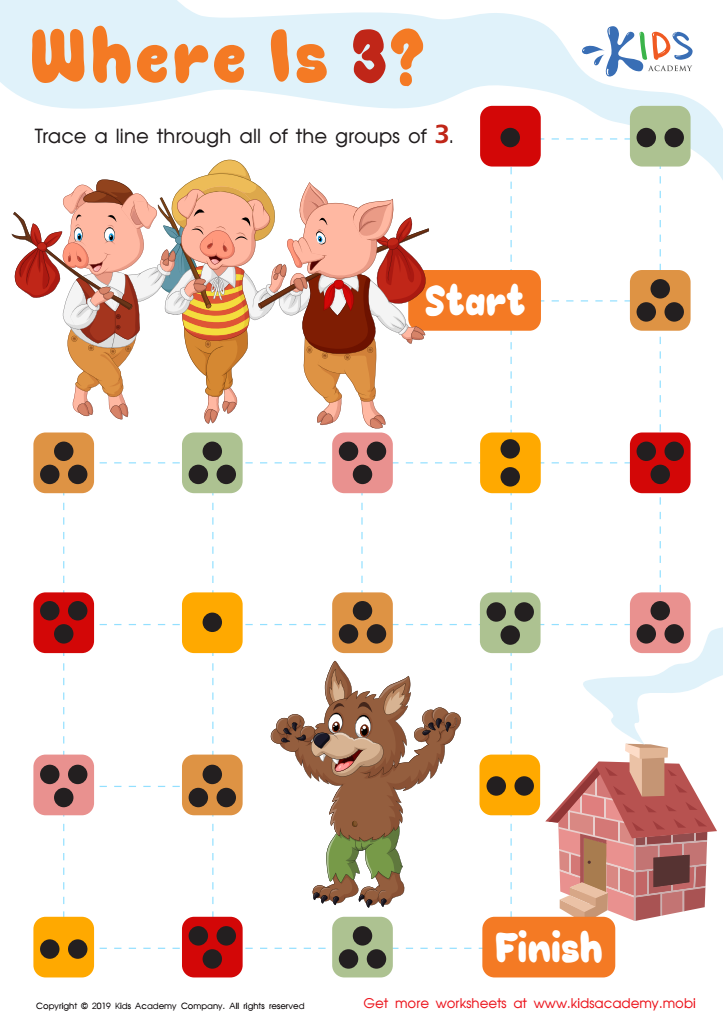
Where Is 3? Worksheet
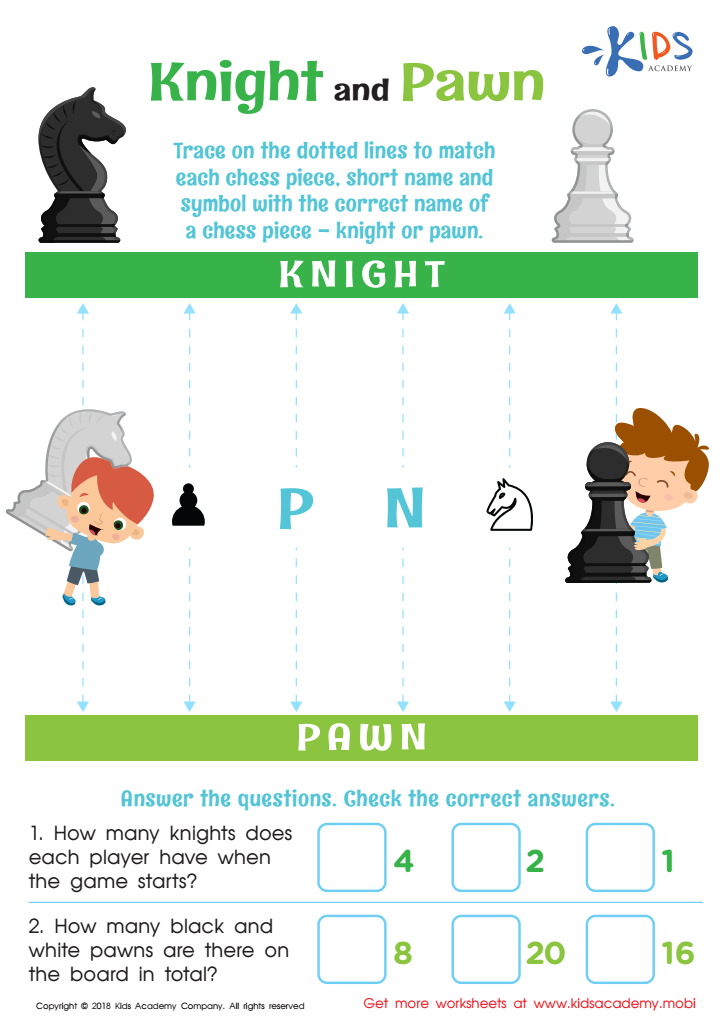
Knight and Pawn Worksheet
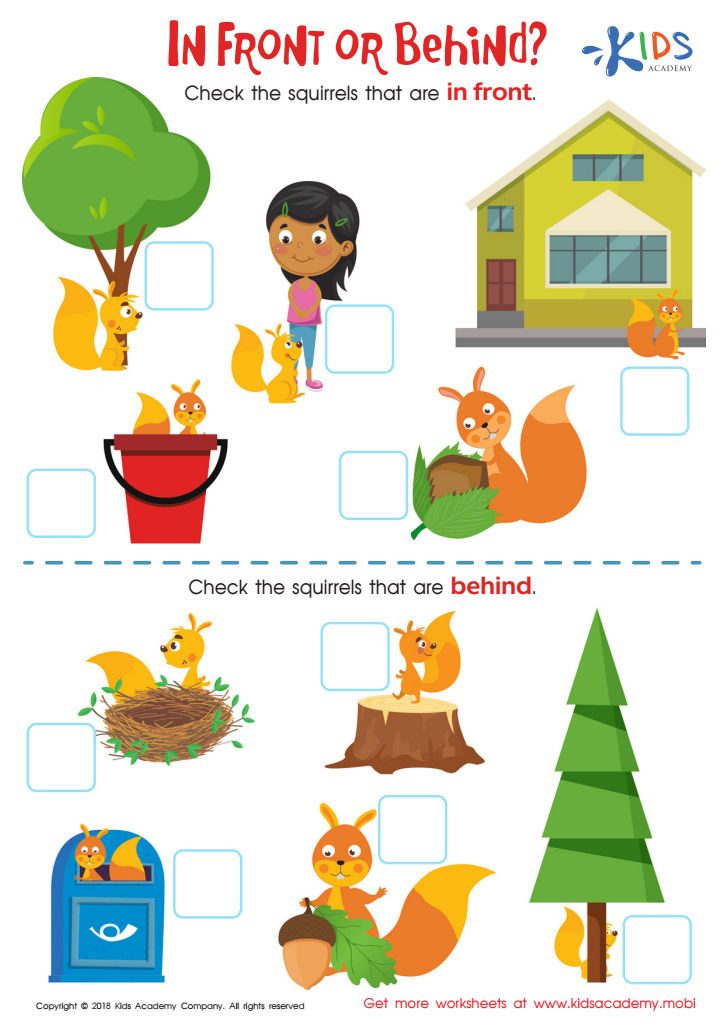
In Front or Behind: Part 2 Worksheet
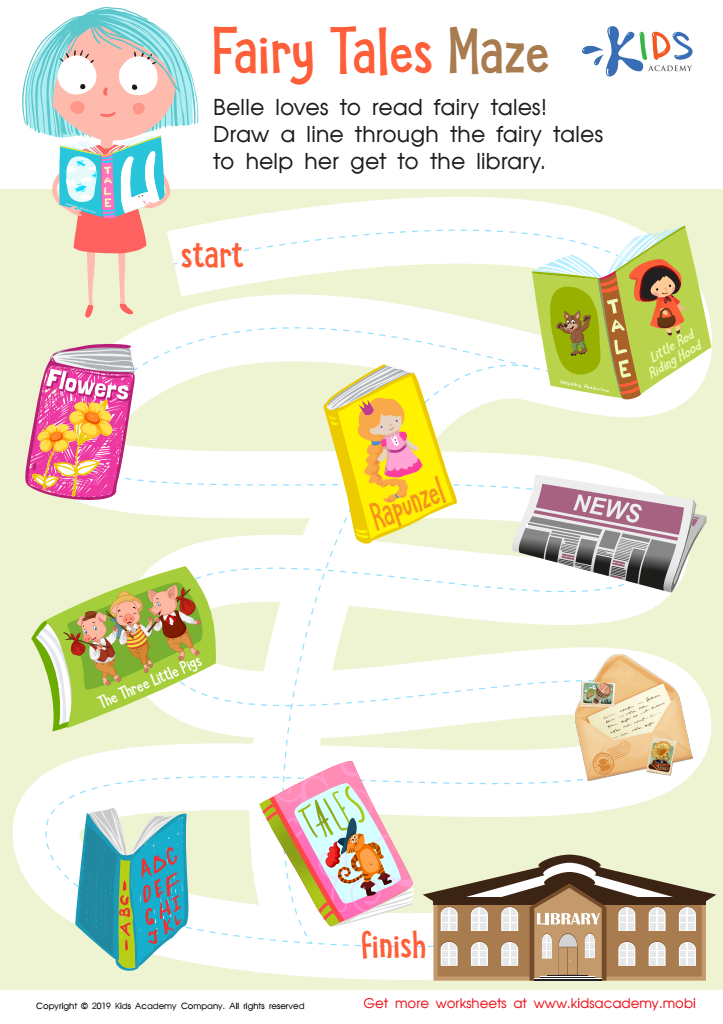
Fairy Tales Maze Worksheet
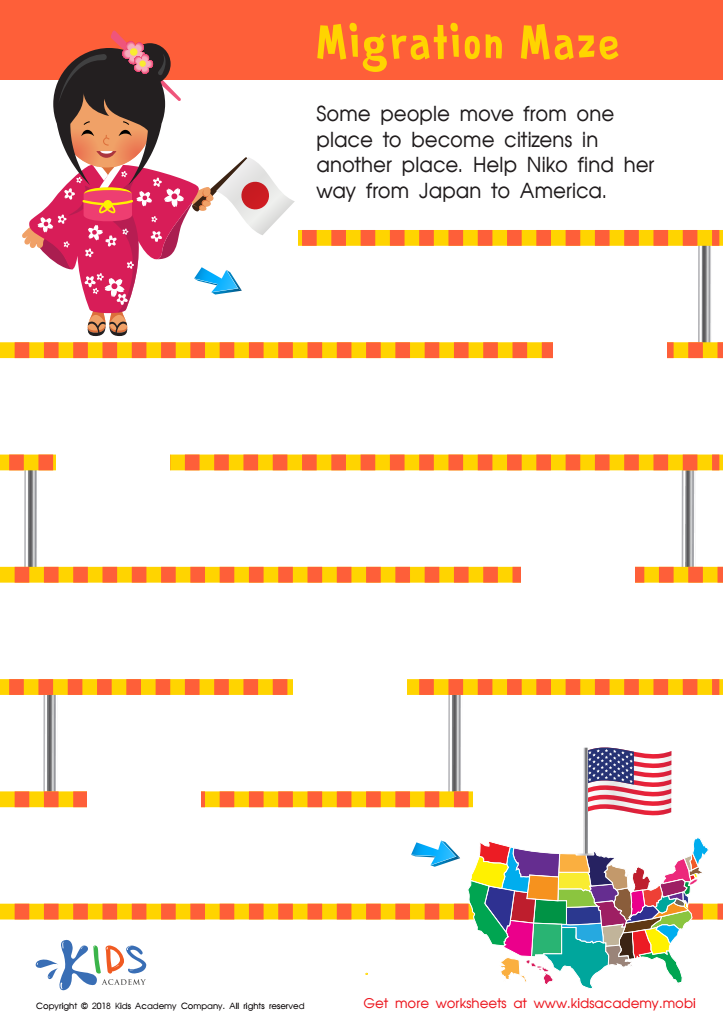
Migration Maze Worksheet







.jpg)
Spatial awareness is a crucial skill that should be nurtured in kindergarten as it lays the foundation for a child's overall cognitive development and everyday functioning. Parents and teachers should prioritize fostering spatial awareness because it directly influences a child's ability to understand their relationship to the environment around them. This understanding is fundamental for simple daily activities, such as navigating a room without bumping into objects, understanding left and right, or following a map.
Academically, spatial awareness is closely linked to the development of mathematical skills. Concepts such as geometry, measurement, and understanding shapes and sizes are rooted in spatial abilities. In literacy, spatial awareness helps children recognize letter shapes and word patterns, which is critical for reading and writing.
Moreover, good spatial awareness contributes to better physical coordination. Children with well-developed spatial skills can more effectively engage in activities that require fine motor coordination, like coloring within lines, and gross motor skills, like playing sports or riding a bike.
Emotional and social development is also impacted as children with a strong sense of spatial awareness are more confident in their interactions and can more easily partake in group activities and follow instructions. Therefore, by focusing on spatial awareness, parents and teachers can support multifaceted growth in children, empowering their success in multiple domains.