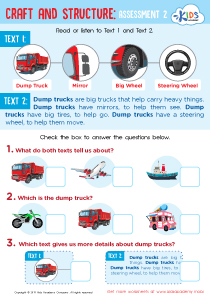
Letter recognition Normal Kindergarten Reading Worksheets
3 filtered results
-
From - To
Our "Letter Recognition Kindergarten Reading Worksheets" offer engaging and educational tools designed to build essential reading skills in young learners. Each worksheet encourages students to identify and differentiate letters, helping them to develop a strong foundation for future reading proficiency. With fun activities that your child will love, these sheets promote letter familiarity, phonetic awareness, and reading confidence. Perfect for classroom settings or at-home practice, our worksheets cater to various learning styles. At Kids Academy, we prioritize creating high-quality, interactive, and visually appealing materials to make learning to read an exciting and effective adventure. Start your child's reading journey with us today!
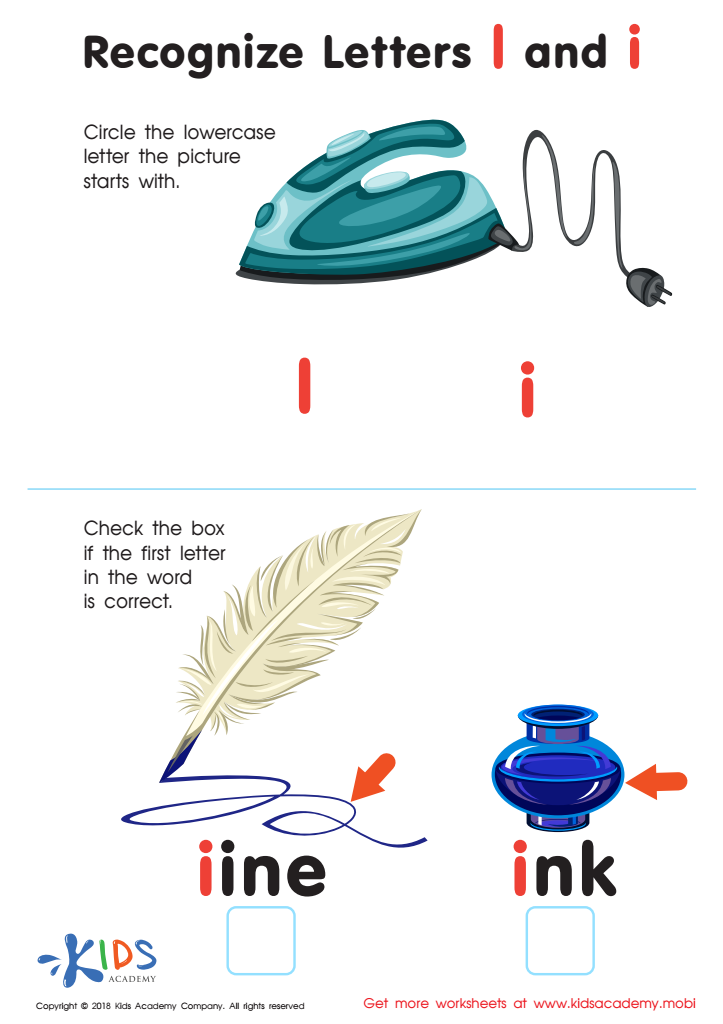
Recognize Letters l and i Worksheet
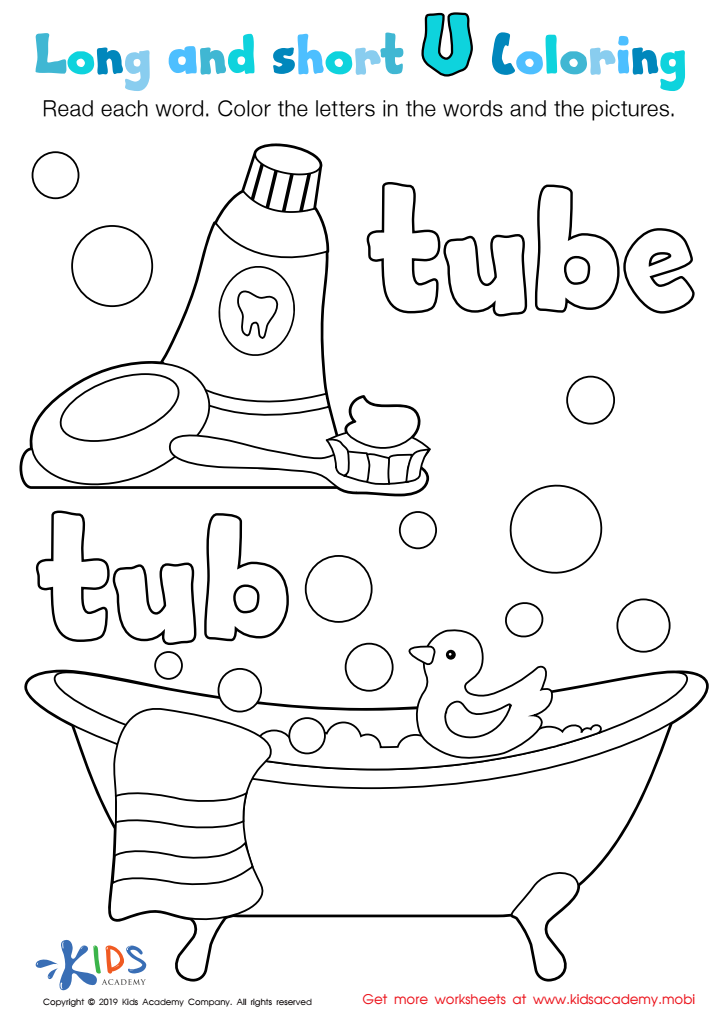
Long and Short U Worksheet
 Assign to My Students

Long and Short E Worksheet
Assign to My Students



.jpg)

.jpg)
.jpg)

Letter recognition is a cornerstone of early literacy development, and it plays a crucial role in kindergarten reading. Parents and teachers should care deeply about it because it's the initial step in children's ability to read and write. Recognizing letters is not just about naming them but also about understanding their shapes, sounds, and the way they come together to form words.
When children are proficient in letter recognition, they can begin to decode words, which is the process of translating text into speech. This skill is foundational because it helps children make connections between written and spoken language—a key element in reading comprehension. Early success in reading can boost a child’s confidence and foster a love for learning, making them more likely to succeed academically in the future.
Furthermore, letter recognition correlates strongly with a child's ability to spell and write. It sets the stage for more complex language skills, such as vocabulary development and sentence structure. Early intervention in letter recognition can help identify children who may need additional support, allowing for timely help to mitigate future learning difficulties.
In summary, ensuring that children develop strong letter recognition skills in kindergarten lays the groundwork for their future reading success, academic achievements, and broader cognitive development. Parents and teachers both have critical roles in nurturing and supporting this essential skill.