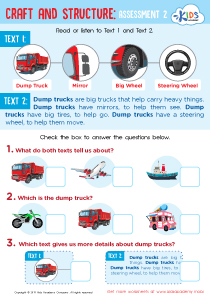
Word Recognition Normal Kindergarten Reading Worksheets
4 filtered results
-
From - To
Enhance your child's reading skills with our Word Recognition Normal Kindergarten Reading Worksheets from Kids Academy. Designed specifically for young learners, these engaging worksheets help children identify and recognize words through fun activities and exercises. Each worksheet introduces kindergarteners to phonics, letter blends, and simple words, promoting early reading success. With colorful illustrations and interactive components, kids are encouraged to practice sight words, making learning enjoyable and effective. Perfect for classroom use or at-home practice, these worksheets provide the essential foundation for fluent reading and lifelong literacy skills. Visit Kids Academy to download and explore our comprehensive resources.
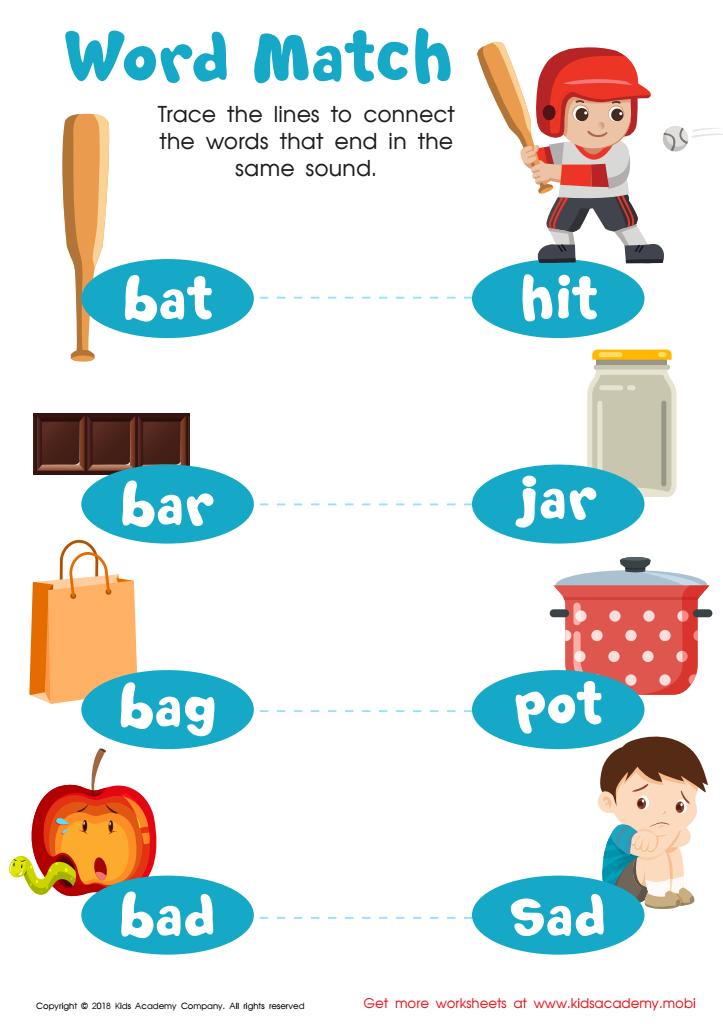
Word Match Reading Worksheet
 Assign to My Students
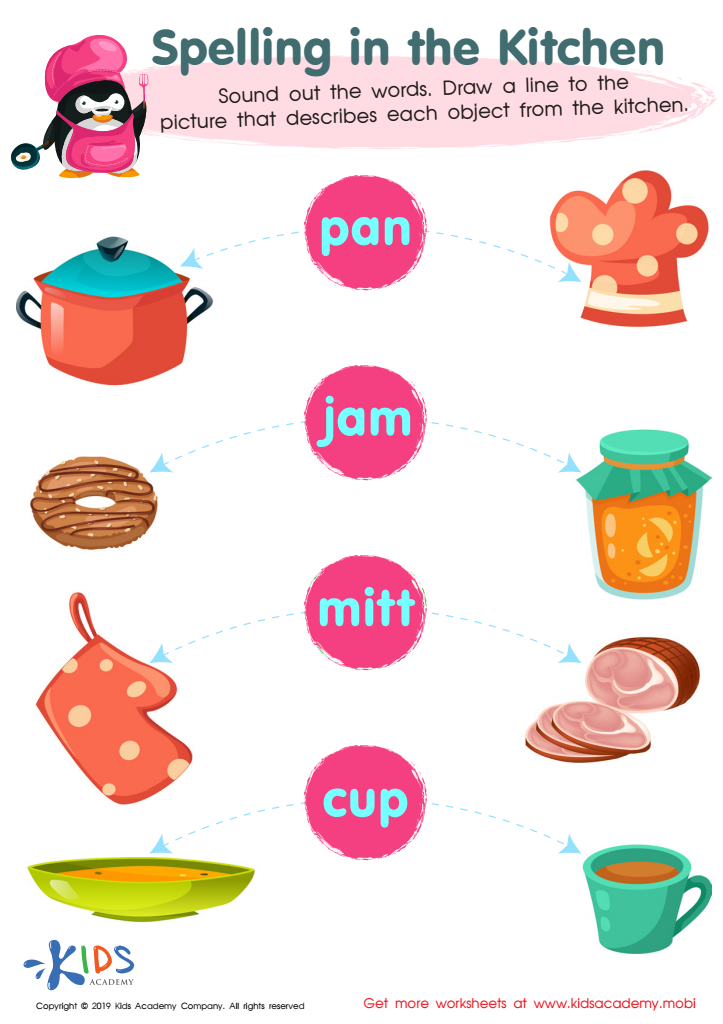
Spelling in the Kitchen Worksheet
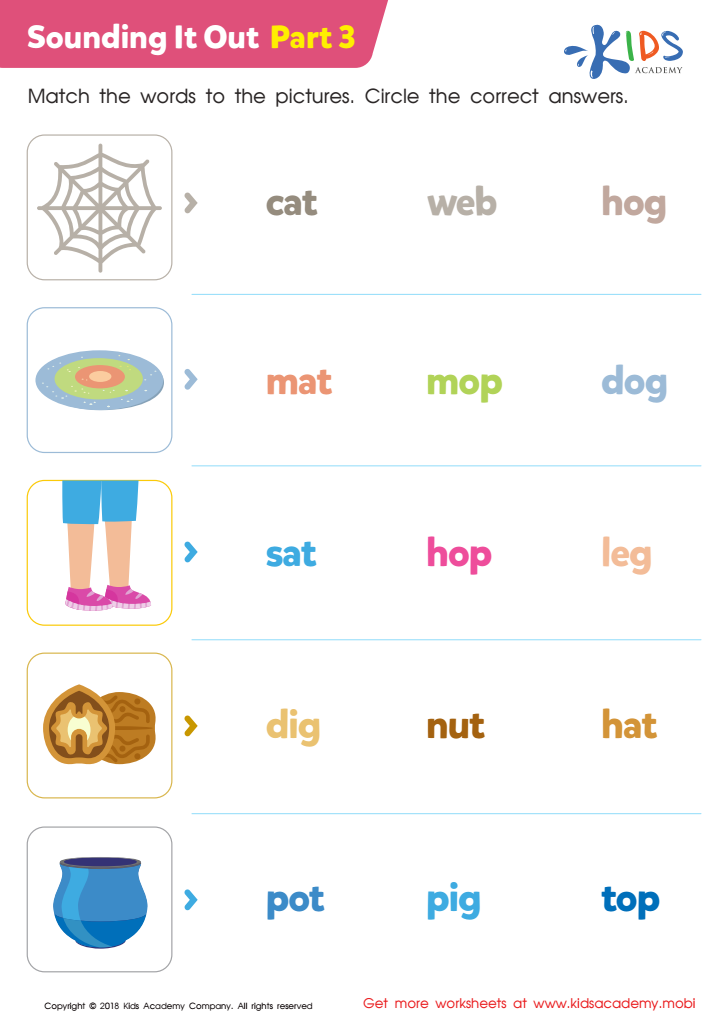
Sounding it Out: Part 3 Worksheet
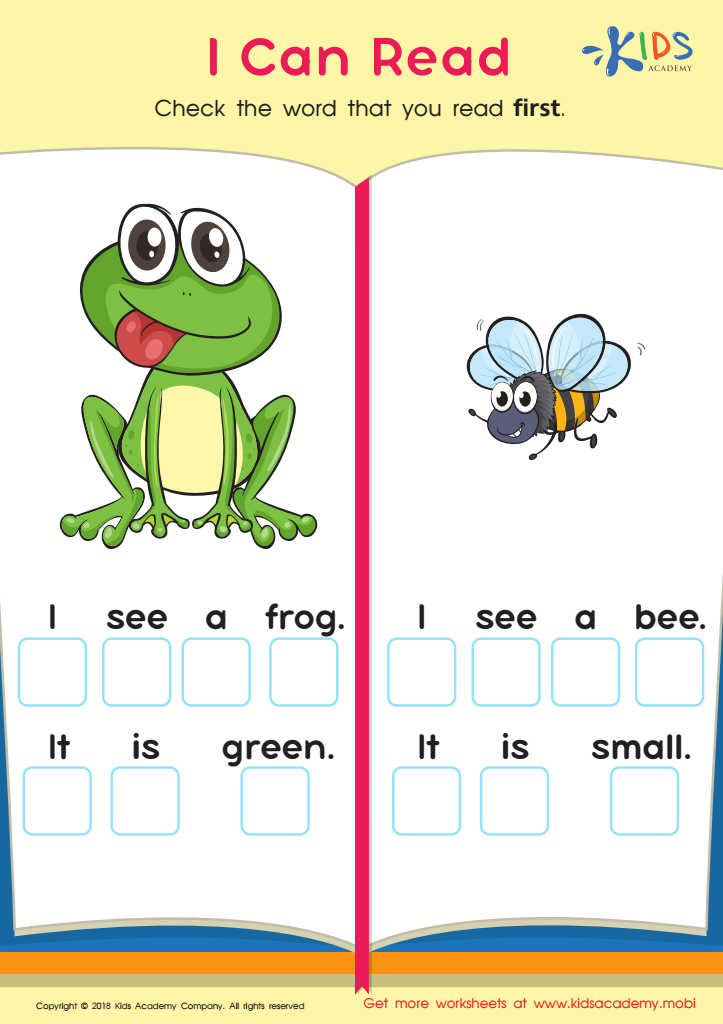
I Can Read Worksheet








Word recognition refers to the ability to identify and understand written words effortlessly, and its development in kindergarten is crucial for several reasons. First, word recognition is a foundational skill for reading fluency. When children recognize words automatically, they read more quickly and with better comprehension, freeing cognitive resources for understanding the text rather than decoding words. This fluency is essential for academic success across subjects, as reading is integral to most learning activities.
Second, early word recognition fosters a love for reading. Children who struggle with reading often find it frustrating and may develop a negative attitude towards it, affecting their overall academic motivation. Conversely, children who build strong word recognition skills typically find reading enjoyable, encouraging a lifelong love for books and learning.
Moreover, early proficiency in reading can boost a child's confidence. Mastery of word recognition in kindergarten can lead to academic and social benefits, as children gain confidence from successfully learning and participating in classroom activities.
Lastly, early intervention is much less resource-intensive than remediation. By focusing on word recognition in kindergarten, parents and teachers can provide timely support, ensuring children do not fall behind—a gap that becomes increasingly challenging to bridge as they progress through school. Thus, prioritizing word recognition in early education is essential for fostering competent, enthusiastic, and confident readers.