Alphabet Recognition Normal Preschool ABC Letters Worksheets
18 filtered results
-
From - To
Welcome to our Alphabet Recognition Normal Preschool ABC Letters Worksheets! Designed for young learners, these engaging worksheets help children identify and understand the alphabet in a fun and interactive way. Each activity is crafted to enhance letter recognition, enabling preschoolers to familiarize themselves with both uppercase and lowercase letters. Through colorful illustrations and playful exercises, kids will develop essential reading and writing skills, laying a strong foundation for future learning. Perfect for home or classroom use, our worksheets encourage creativity and exploration while making learning enjoyable. Download and print today to support your child’s journey into the world of letters!
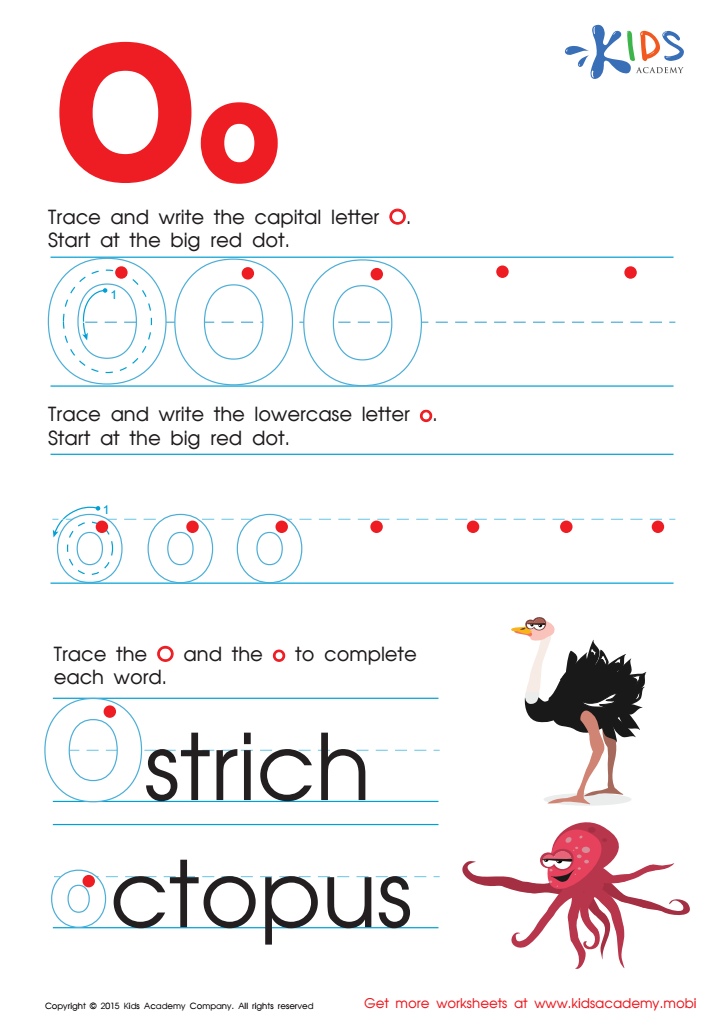
Letter O Tracing Page
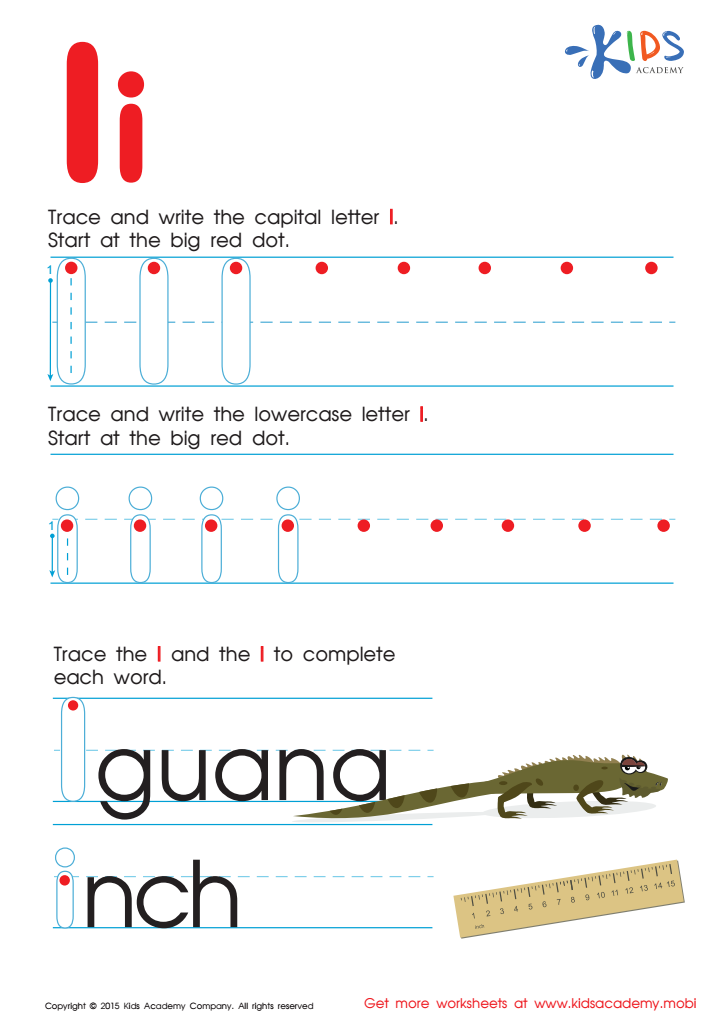
Letter I Tracing Page
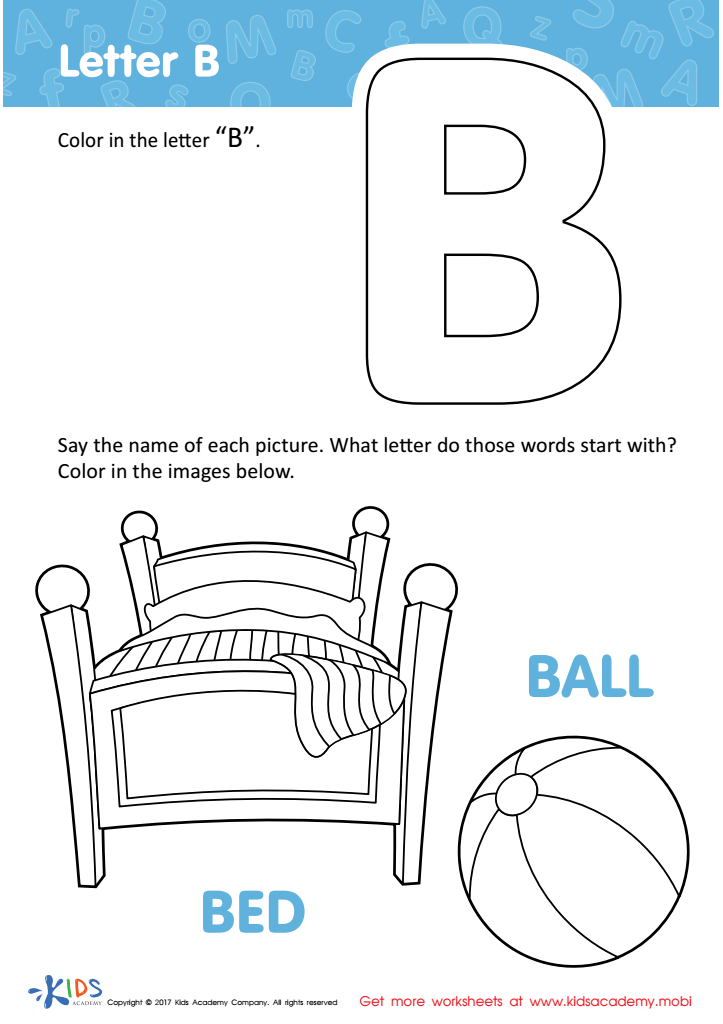
Letter B Coloring Sheet
 Assign to My Students
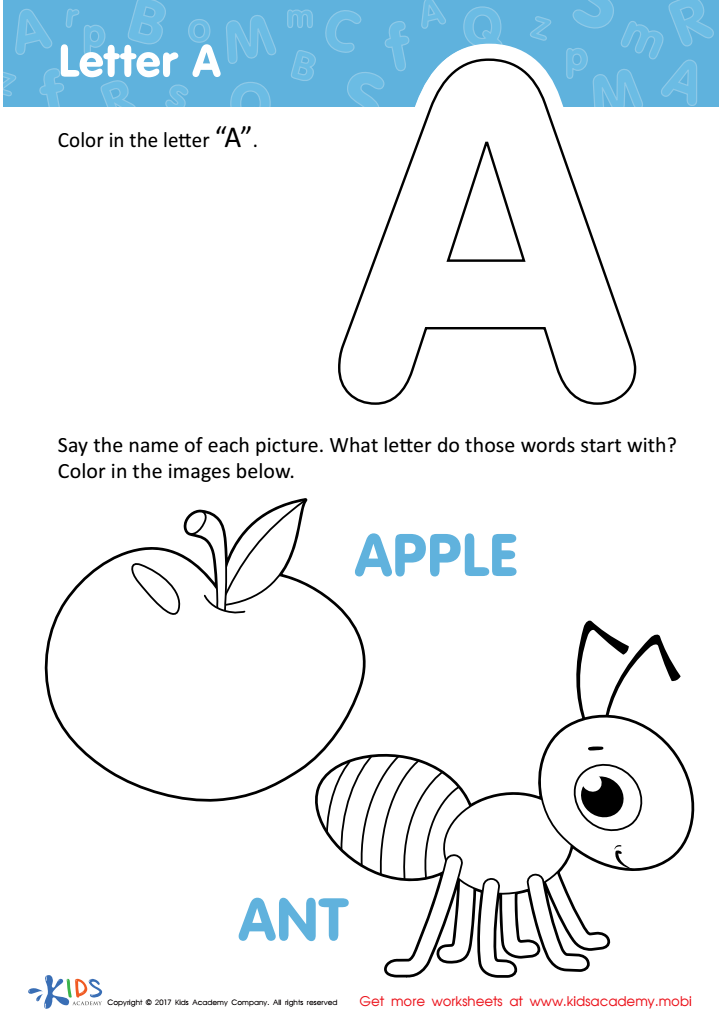
Letter A Coloring Sheet
Assign to My Students
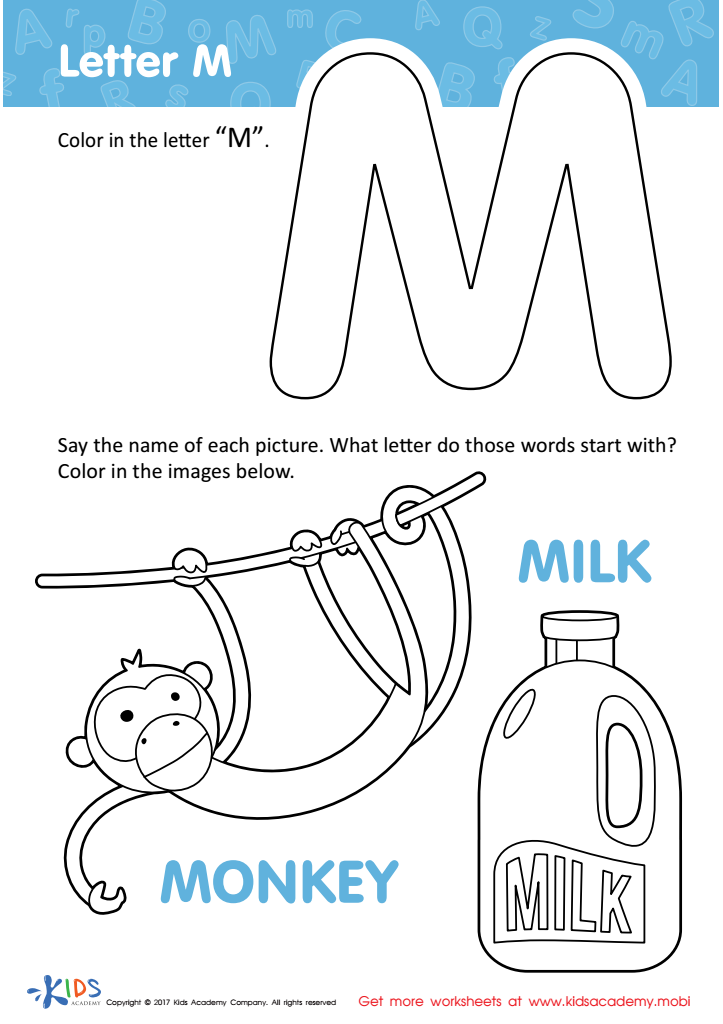
Letter M Coloring Sheet
Assign to My Students
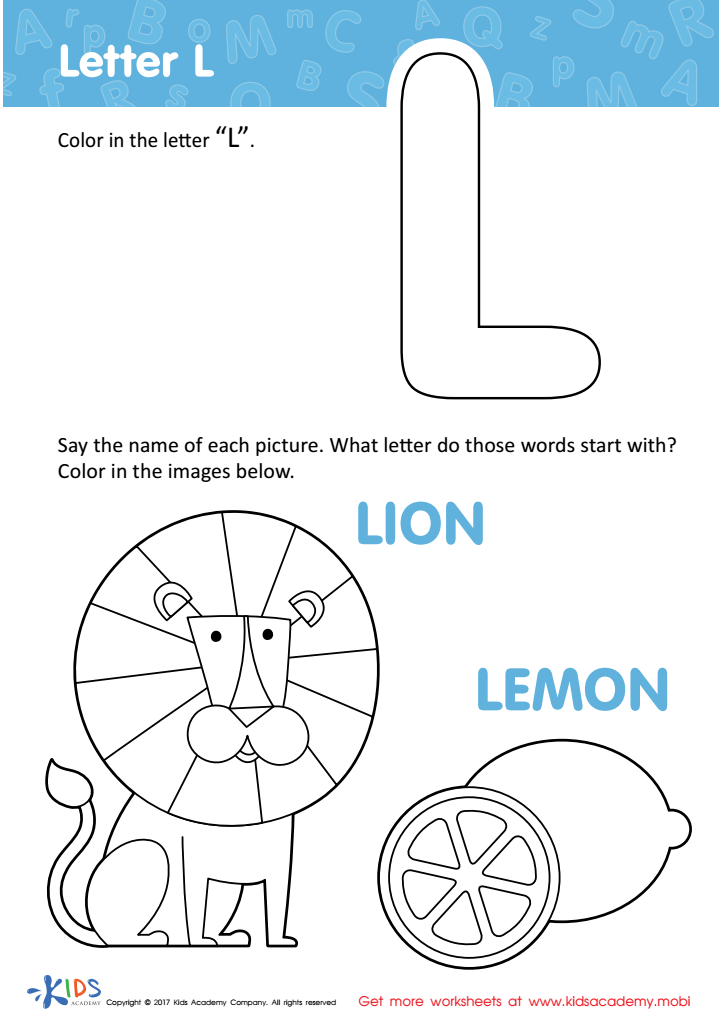
Letter L Coloring Sheet
Assign to My Students
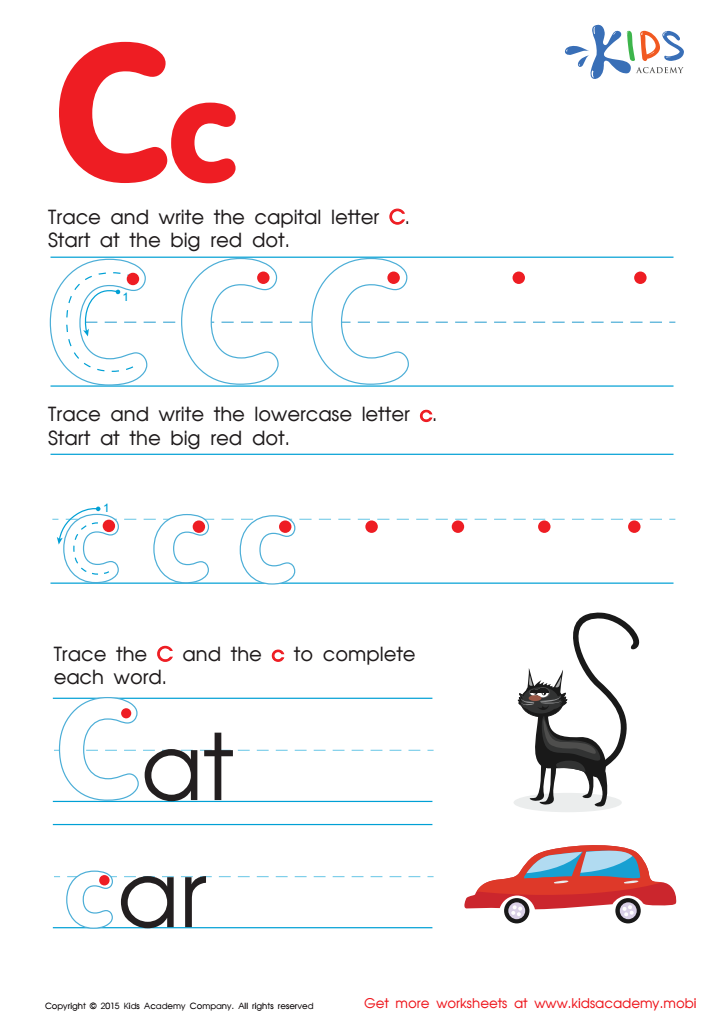
Letter C Tracing Page
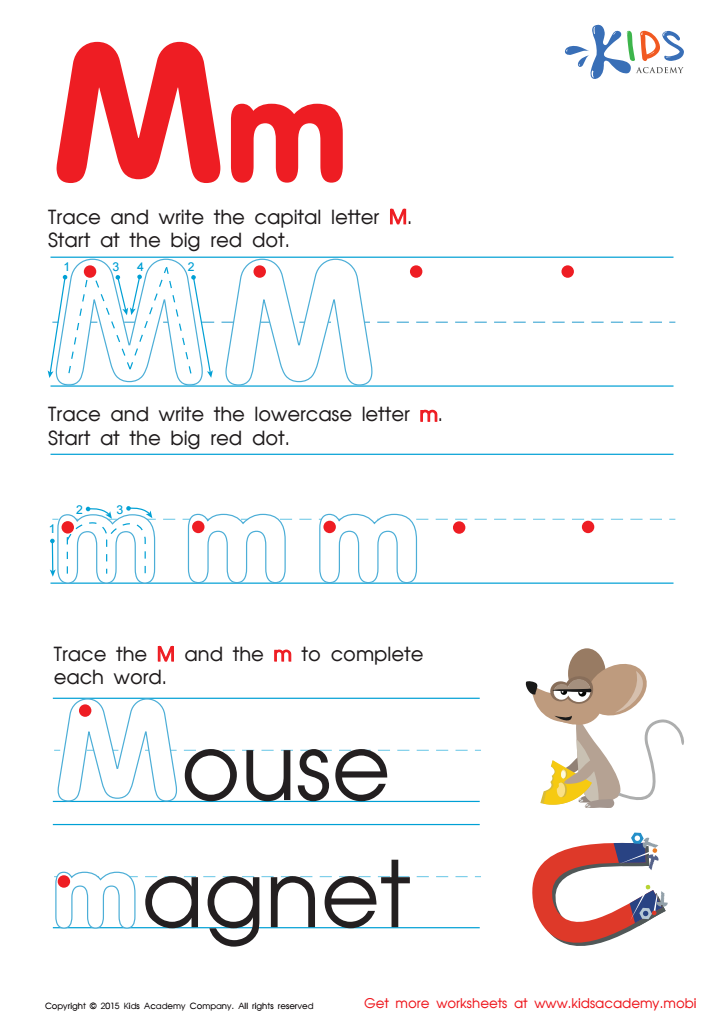
Letter M Tracing Page
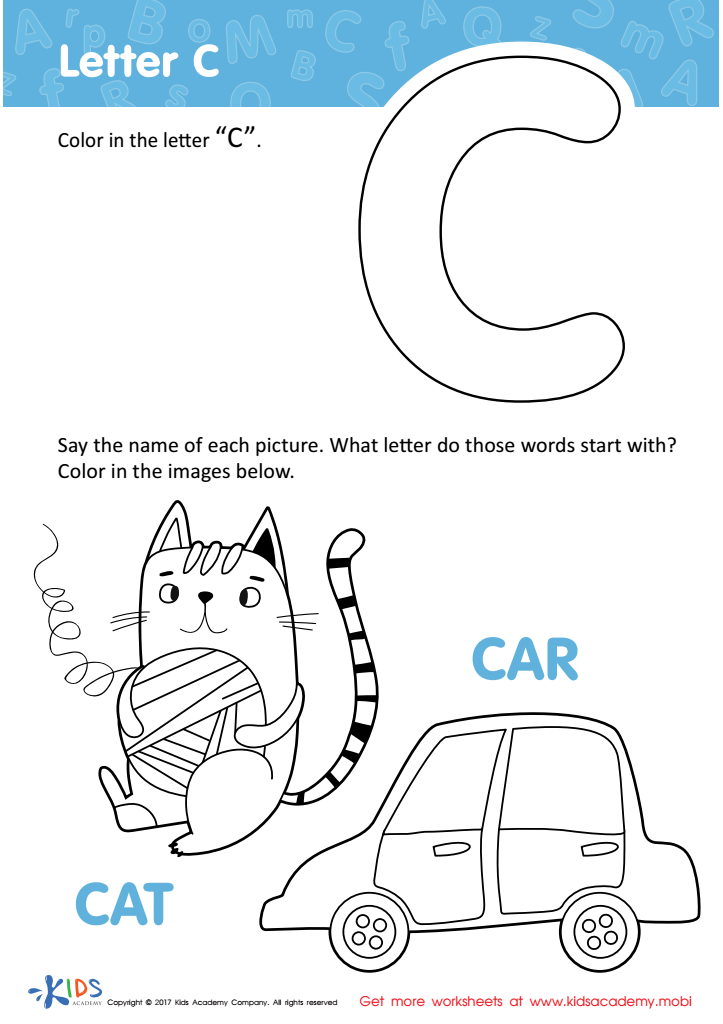
Letter C Coloring Sheet
Assign to My Students
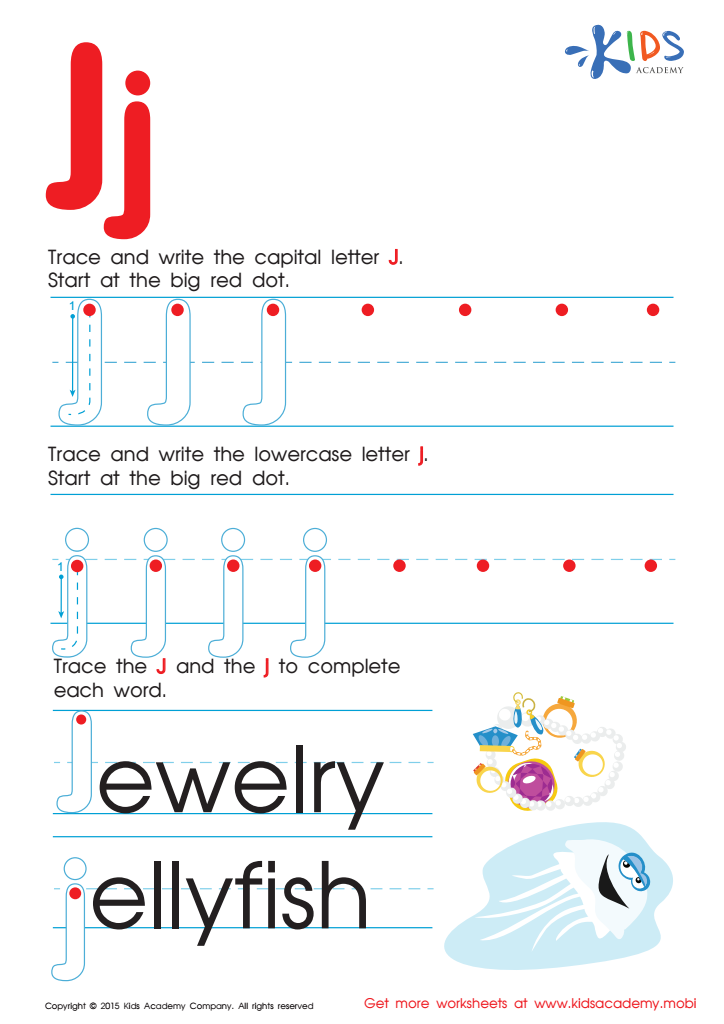
Letter J Tracing Page
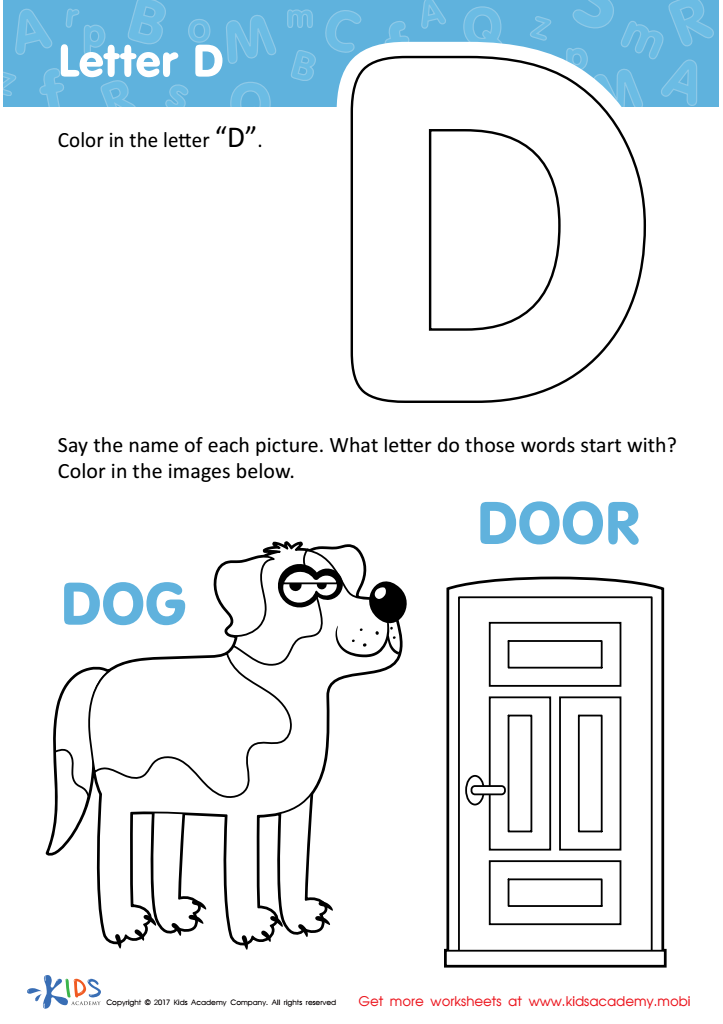
Letter D Coloring Sheet
Assign to My Students
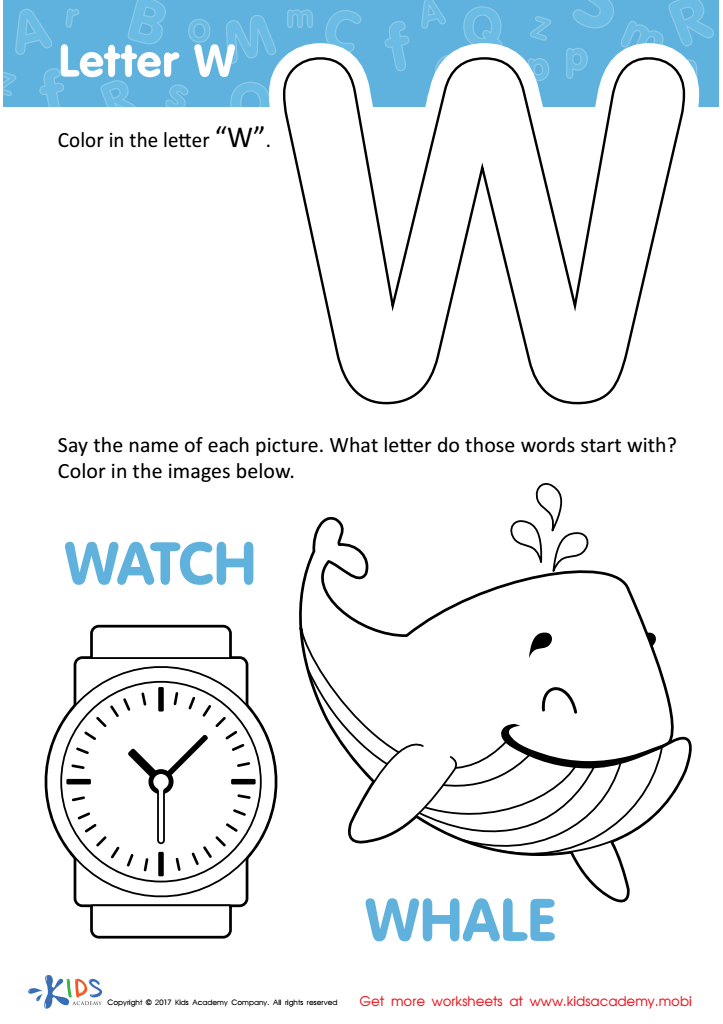
Letter W Coloring Sheet
Assign to My Students
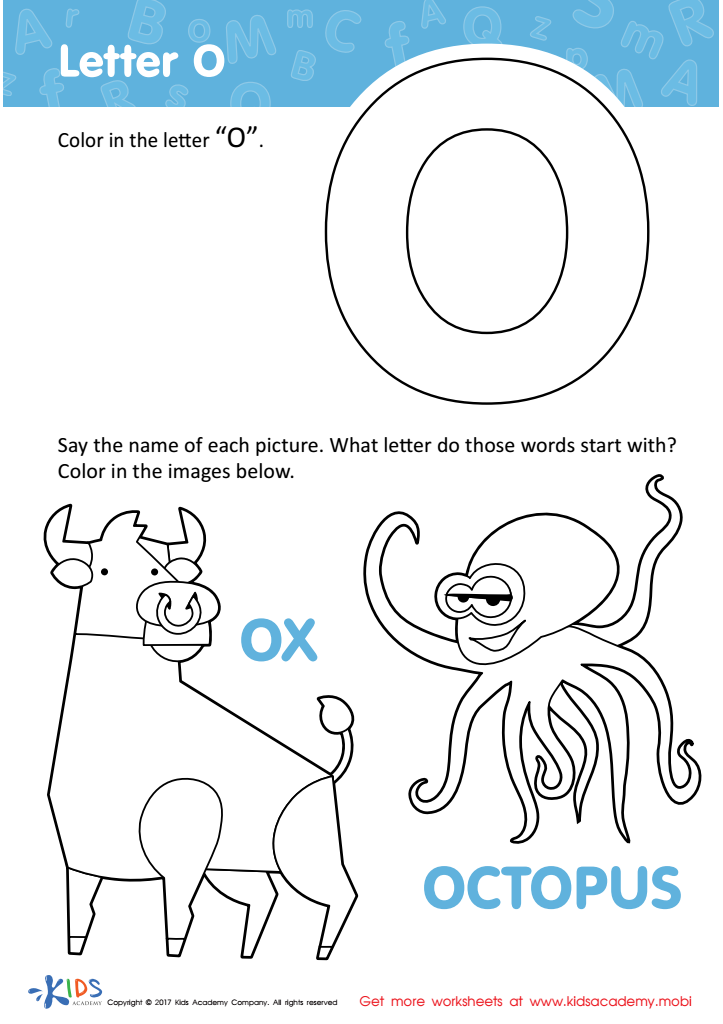
Letter O Coloring Sheet
Assign to My Students
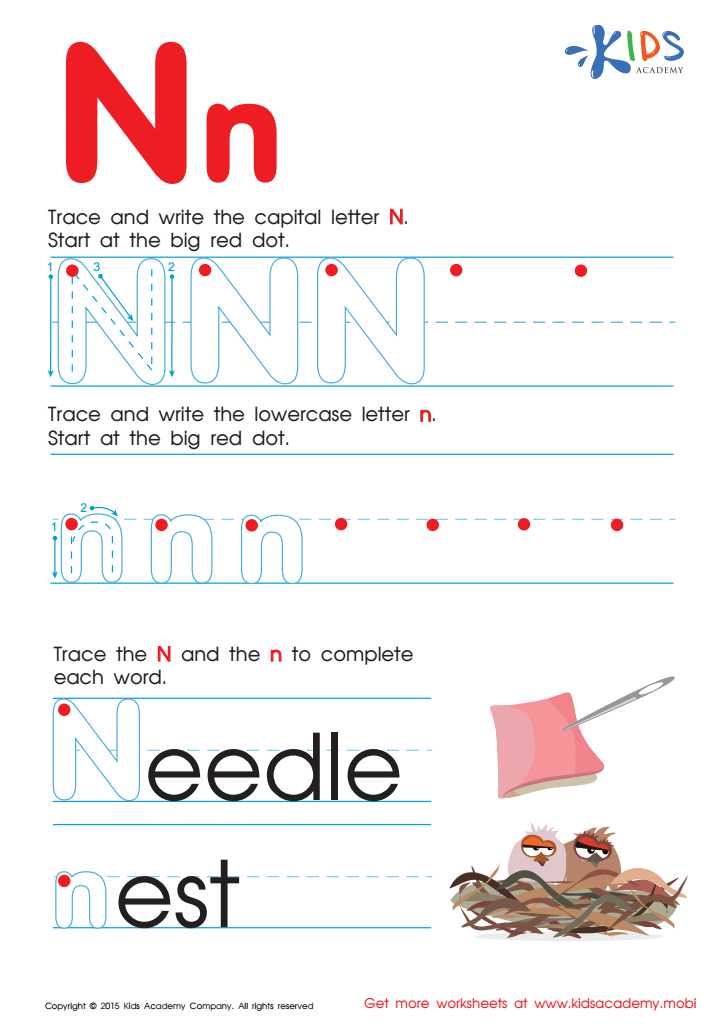
Letter N Tracing Page
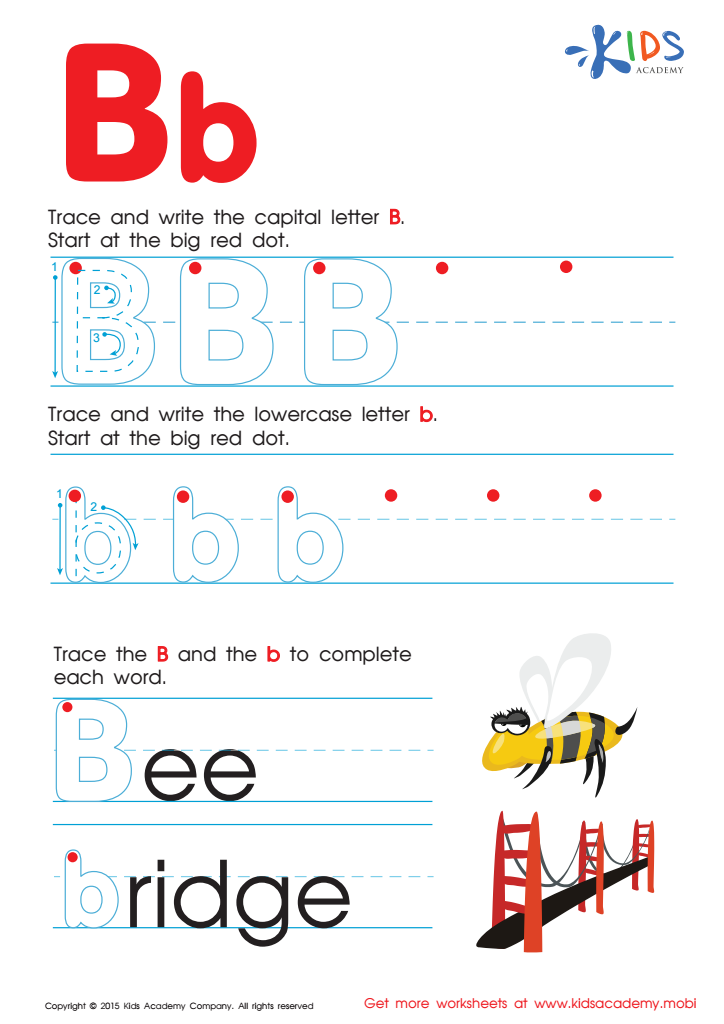
Letter B Tracing Page
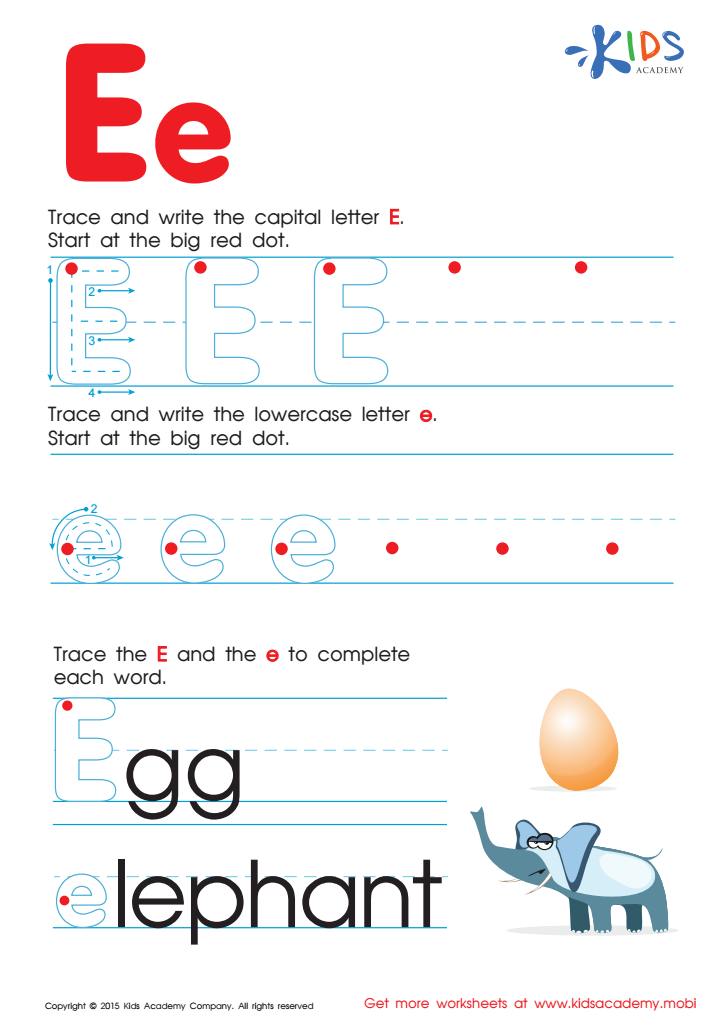
Letter E Tracing Page
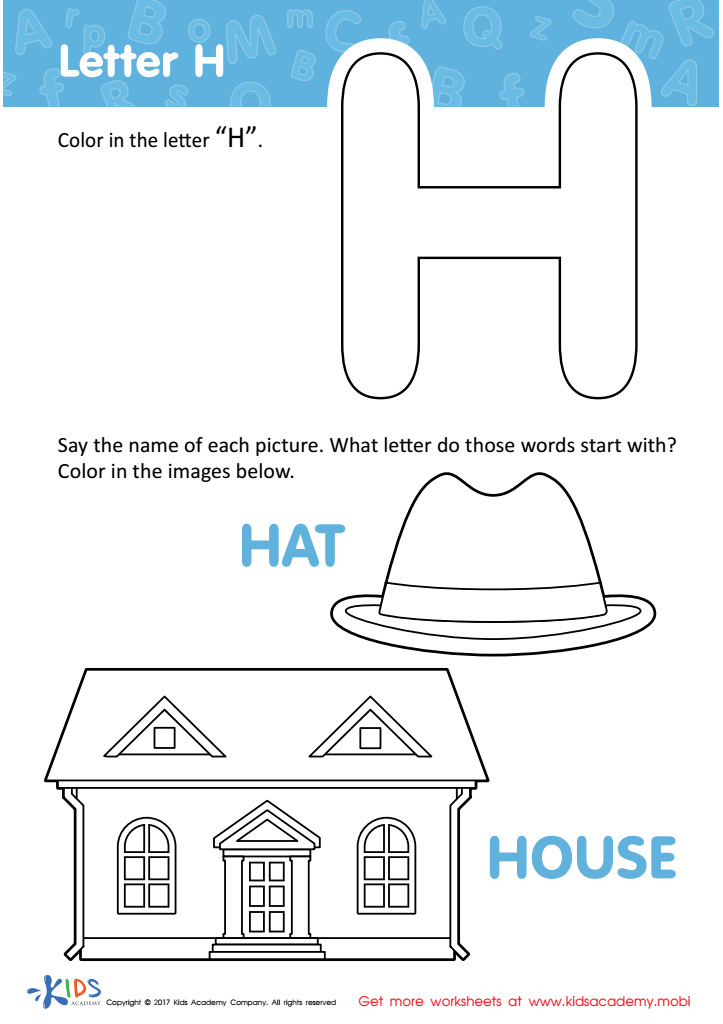
Letter H Coloring Sheet
Assign to My Students
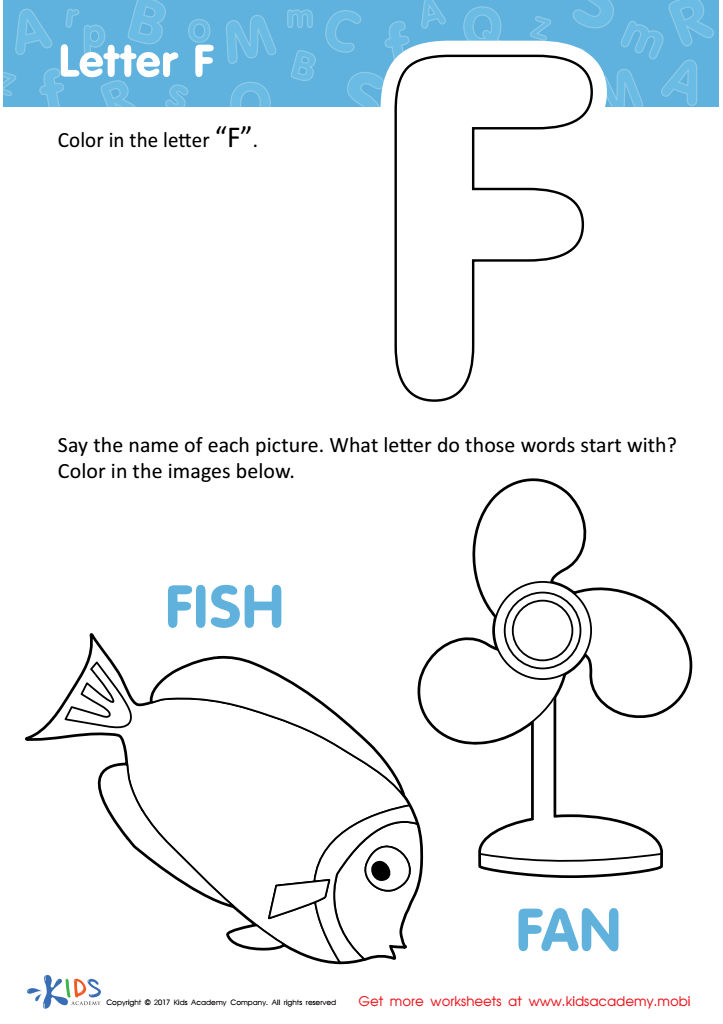
Letter F Coloring Sheet
Assign to My Students






Alphabet recognition is a foundational skill critical for early literacy development in preschool-aged children. Parents and teachers should care about this aspect for several reasons. Firstly, recognizing letters is essential for the development of reading and writing skills. Children who can identify letters are better prepared to connect sounds to their corresponding letters, a skill that enhances phonemic awareness and early reading abilities.
Secondly, alphabet recognition contributes to cognitive development. It helps children understand symbol systems and fosters their ability to categorize and organize information. This cognitive structuring is crucial as they progress through their educational journey.
Additionally, knowing the ABCs boosts children’s confidence. When they can identify letters, they feel more prepared to engage in classroom activities, participate in storytelling, and contribute to discussions, promoting social skills and classroom participation.
Furthermore, early letter recognition sets a strong precedent for academic achievement. Studies show that early literacy skills correlate with later success in school, making the focus on alphabet recognition an investment in a child's educational future. In summary, fostering alphabet recognition in preschool not only supports literacy development but also enriches cognitive skills, builds confidence, and lays the groundwork for lifelong learning.