Fine Motor Skills Normal Preschool Tracing Lines and Curves Worksheets
3 filtered results
-
From - To
Discover the importance of enhancing fine motor skills with our engaging Preschool Tracing Lines and Curves Worksheets! Designed for young learners, these worksheets help children develop crucial hand-eye coordination and precise movements through fun tracing activities. By guiding little ones to trace various lines and curves, they strengthen their grip and mastery of writing tools, paving the way for successful handwriting in the future. Each worksheet is crafted to capture children's interest, making learning enjoyable and rewarding. Download our user-friendly templates today to support your preschooler’s physical development, setting the foundation for essential skills they will use throughout their educational journey!
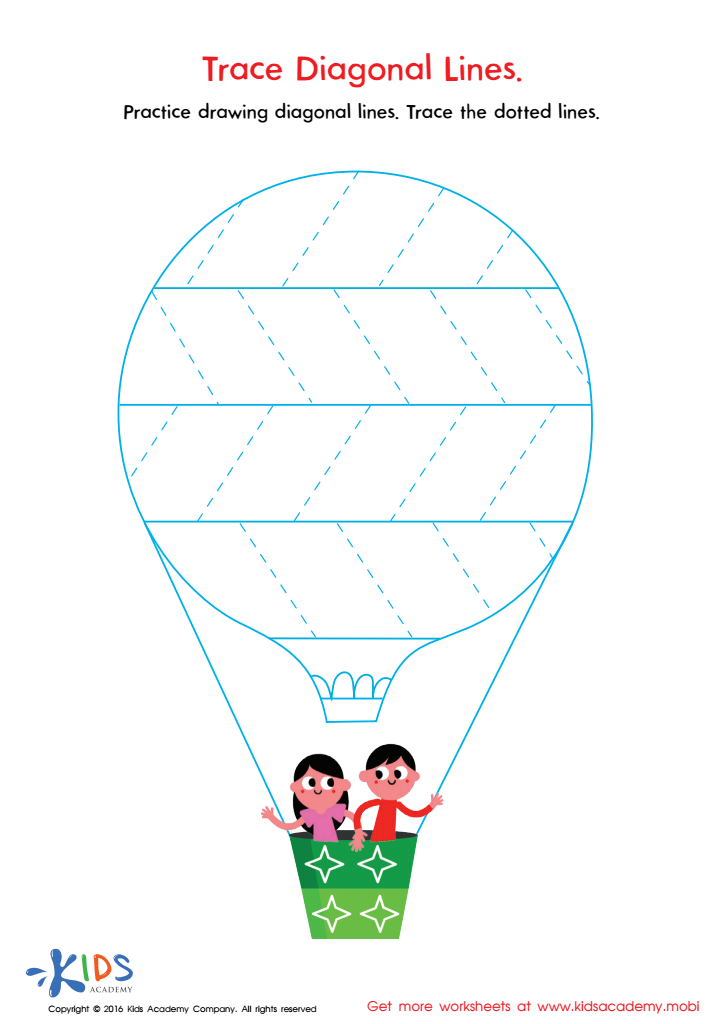
Trace Diagonal Lines Worksheet
 Assign to My Students
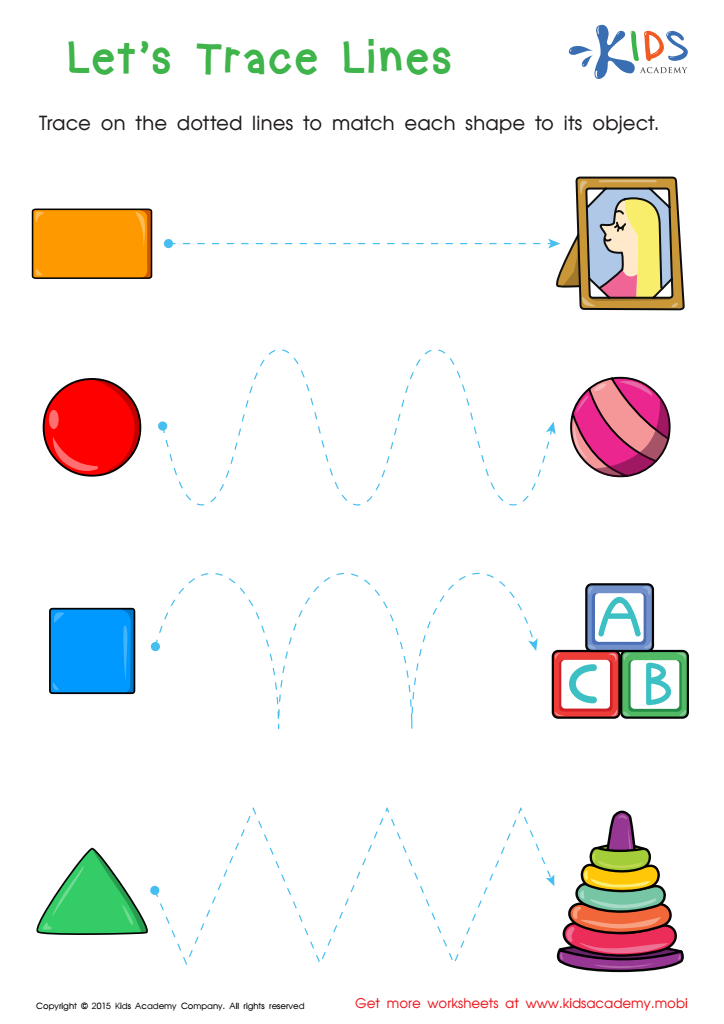
First Words: Let's Trace Lines Worksheet
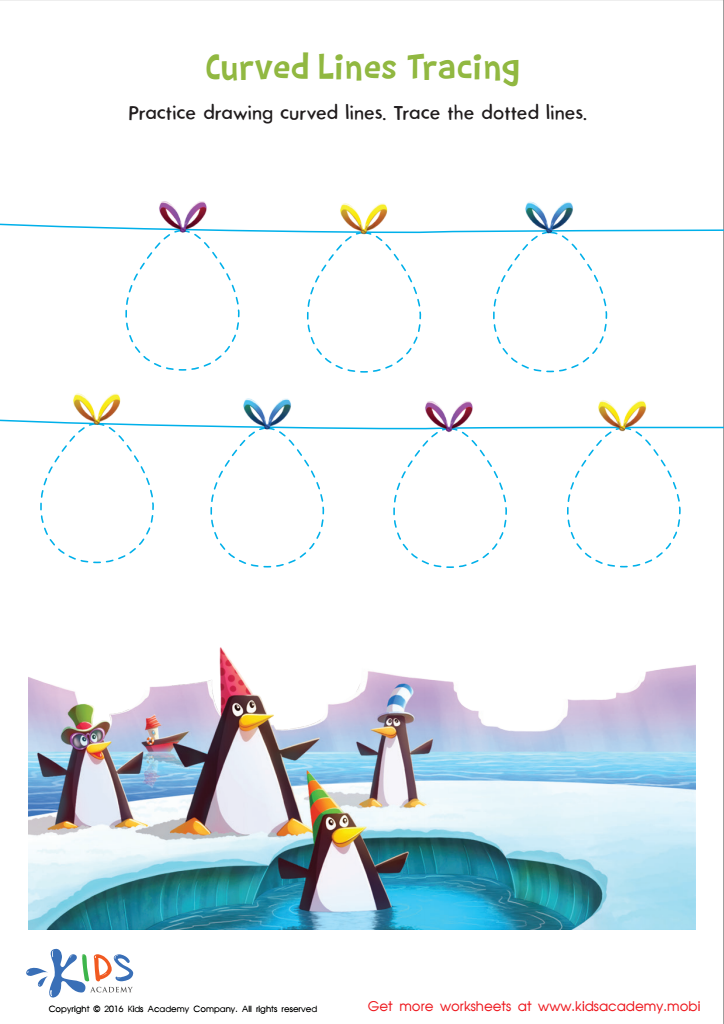
Curved Lines Tracing Worksheet



Fine motor skills are essential developmental milestones for preschoolers, and tracing lines and curves plays a vital role in enhancing these skills. Parents and teachers should prioritize these activities for several reasons.
Firstly, fine motor skills are crucial for everyday tasks, from holding a pencil to manipulating small objects. Early practice through tracing helps children develop the hand-eye coordination necessary for academic tasks like writing, drawing, and eventually, typing, which are vital for their future education.
Secondly, engaging in tracing activities fosters concentration and enhances cognitive development. It encourages attention to detail and improves memory, all while allowing children to express their creativity. As they trace lines and curves, they also learn about shapes and spatial awareness, which are foundational concepts for math and art.
Finally, it's a fun and engaging way for children to develop confidence in their abilities. Celebrating their progress in mastering these tasks bolsters their self-esteem, paving the way for a positive attitude toward learning.
In summary, focusing on fine motor skills through tracing lines and curves is essential for preschoolers, as it lays the groundwork for their physical, cognitive, and social-emotional development. Parents and teachers should see it as a cornerstone of early childhood education.