Letter Tracing Practice Preschool ABC Letters Worksheets
3 filtered results
-
From - To
Welcome to our Letter Tracing Practice Worksheets for Preschool! Enhance your child's early literacy skills with engaging, printable activities designed to make learning the ABCs fun and interactive. Our worksheets provide step-by-step letter tracing exercises to help preschoolers develop fine motor skills, letter recognition, and writing confidence. Each worksheet features vibrant illustrations and practice sections to keep your little ones motivated as they learn. Perfect for home or classroom use, these resources are an excellent way to prepare your child for future success in reading and writing. Start their alphabet journey today with our exciting letter tracing worksheets!
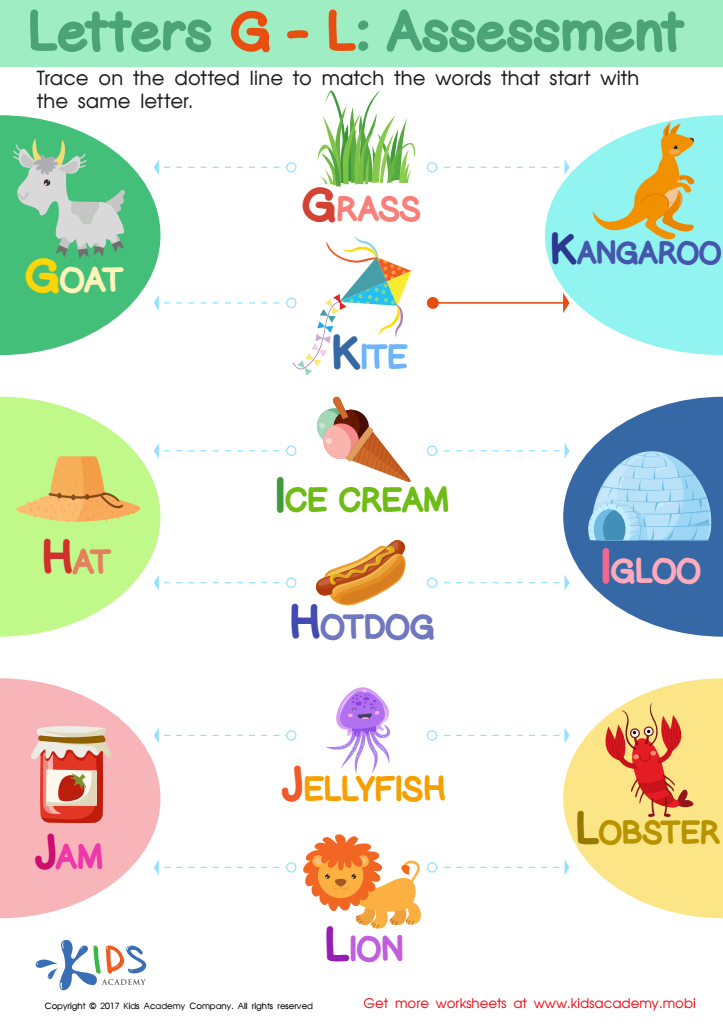
Letters G-L Worksheet
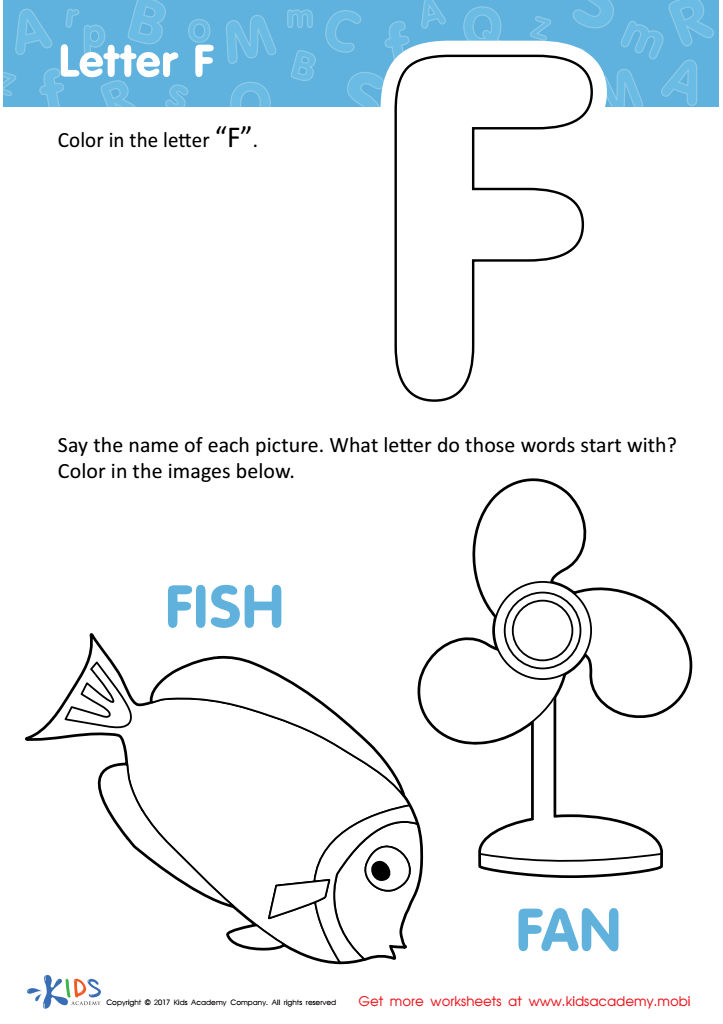
Letter F Coloring Sheet
 Assign to My Students
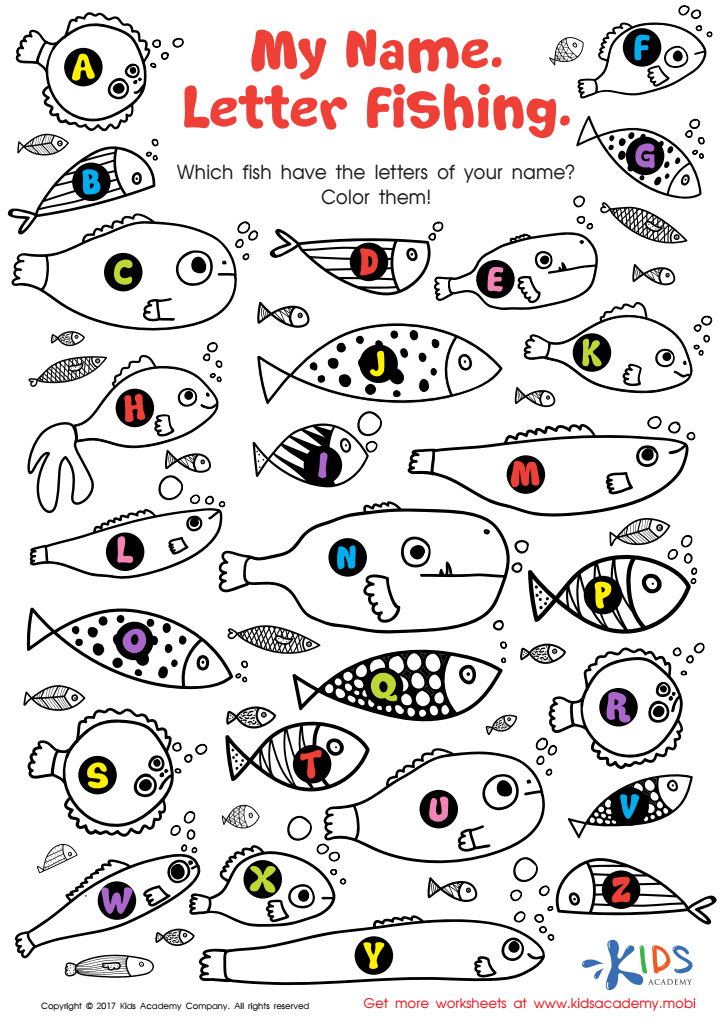
My Name: Letter Fishing Worksheet
Assign to My Students






Letter tracing practice is a crucial component of early literacy development in preschool-aged children. It helps build fine motor skills and hand-eye coordination, which are essential for later writing tasks. When children engage in tracing activities, they become familiar with the shapes and forms of each letter, reinforcing their ability to recognize and produce letters independently.
For teachers and parents, fostering letter tracing is an opportunity to create a strong foundation for literacy. Through repetition and practice, children develop muscle memory, which aids in improving their handwriting and self-expression. Moreover, tracing can be a fun and engaging activity that captivates young learners, making the process enjoyable and less intimidating.
In addition to writing skills, letter tracing can enhance cognitive development by connecting letters with sounds, thus paving the way for phonics awareness. This early exposure to letters and sounds is essential for reading readiness.
Furthermore, parents and teachers can integrate tracing with creative activities, such as drawing or crafting, to promote connectivity between learning and play. Ultimately, prioritizing letter tracing practice equips children with the essential skills and confidence needed to embark on their literacy journey, setting them up for future academic success.