Alphabet understanding Preschool Letter Recognition Worksheets
5 filtered results
-
From - To
Unlock your child's potential with our engaging Alphabet Understanding Preschool Letter Recognition Worksheets! Designed for early learners, these worksheets foster essential skills in identifying and recognizing letters through fun, interactive activities. Each printable resource features appealing visuals and simple exercises that make learning the alphabet enjoyable. Kids will effortlessly strengthen their letter recognition abilities while developing fine motor skills through tracing, coloring, and matching. Perfect for homeschooling or classroom settings, our worksheets cater to various learning styles. Give your preschooler the gift of literacy and watch their confidence grow as they explore the wonderful world of letters! Start their journey to reading today!
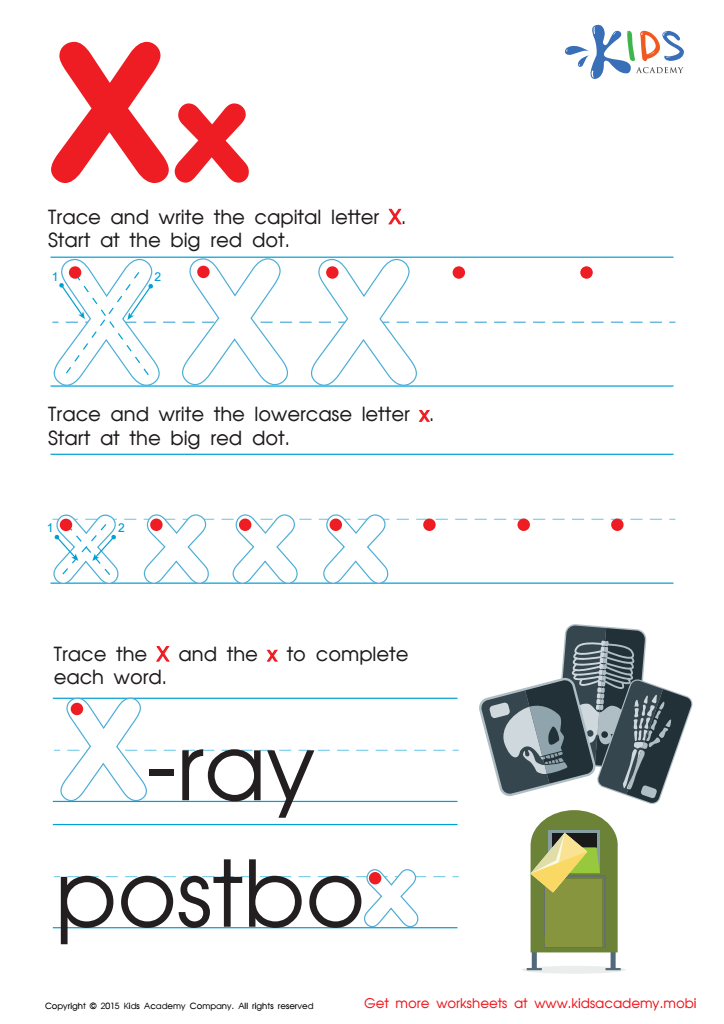
Letter X Tracing Page
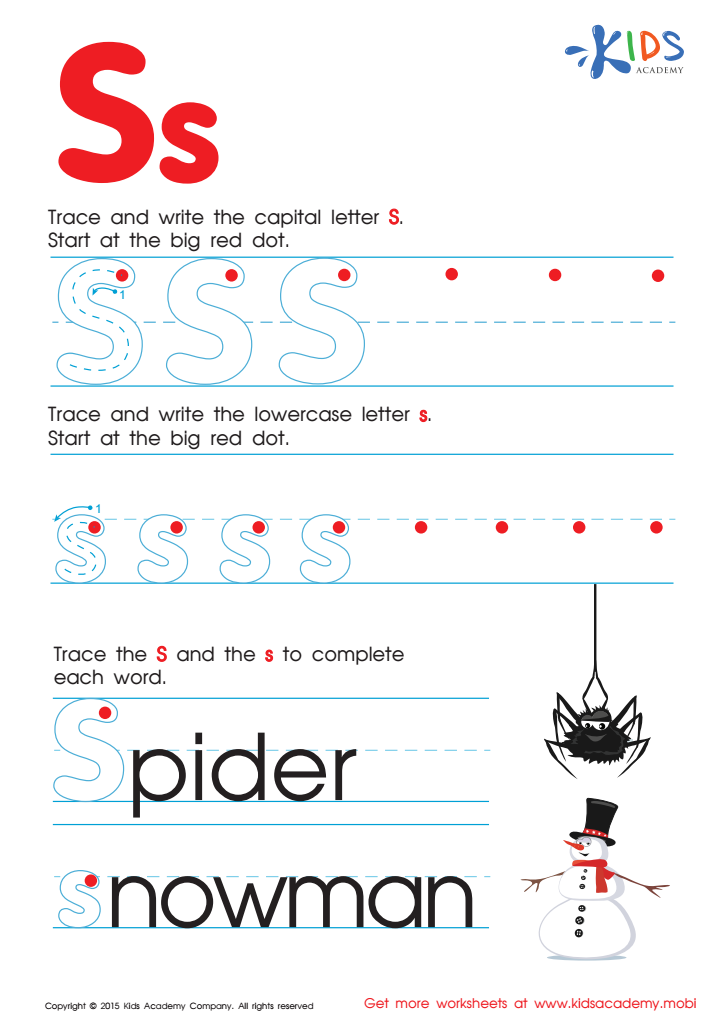
Letter S Tracing Page
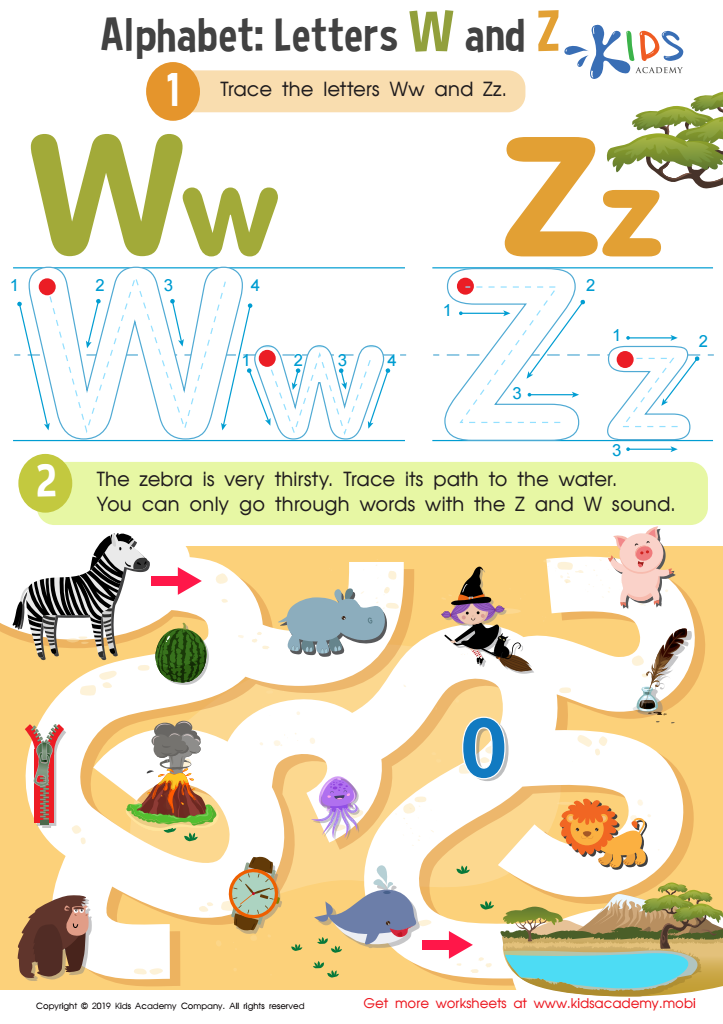
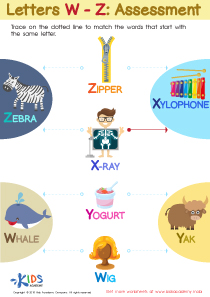
Letters W and Z Tracing Worksheet
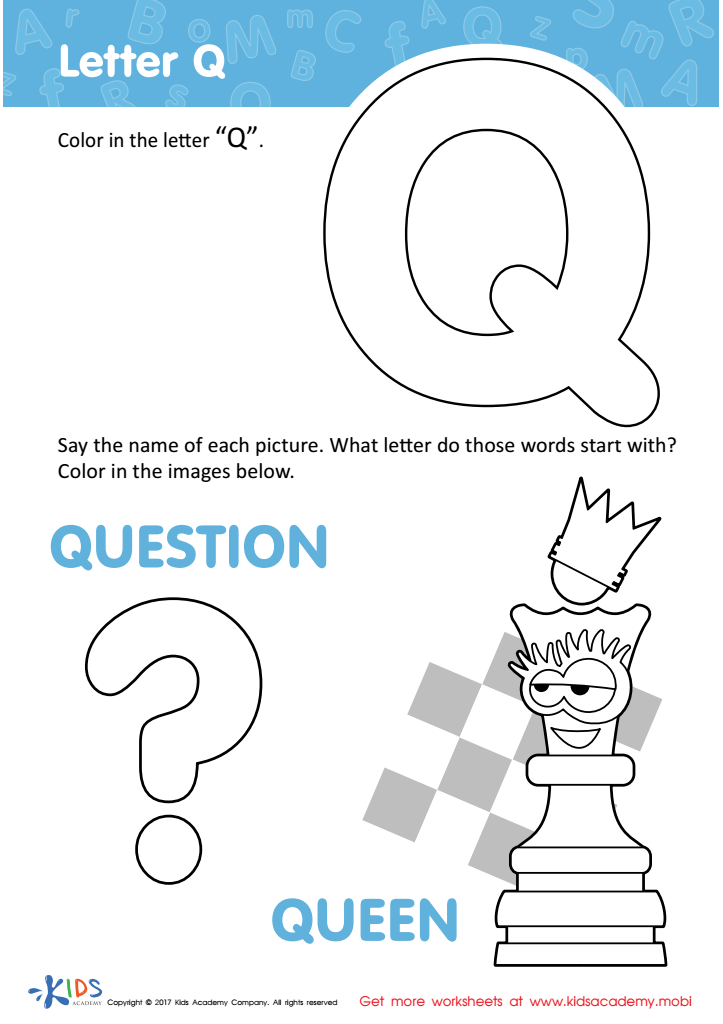
Letter Q Coloring Sheet
 Assign to My Students
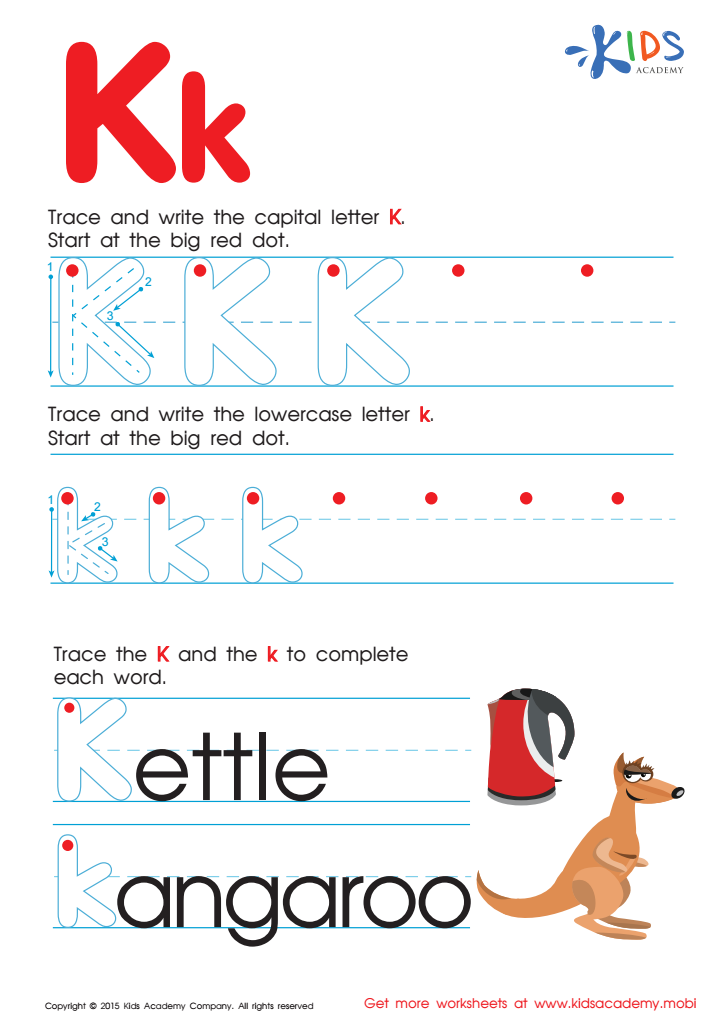
Letter K Tracing Page





Understanding the alphabet and letter recognition are foundational skills that play a critical role in early childhood education. When parents and teachers prioritize alphabet understanding in preschool, they set the stage for children’s future literacy development. Letter recognition, the ability to identify and name letters, is essential in helping children learn to read and write. It builds vocabulary, enhances phonemic awareness, and fosters cognitive development.
By being familiar with letters, preschoolers can engage in activities that develop essential reading skills. For instance, recognizing letters enables them to decode simple words and understand sound-letter relationships, which are crucial for both reading and spelling. Engaging children in letter-focused games, songs, and interactive activities can make learning enjoyable and effective.
Moreover, strong alphabetical skills contribute to self-confidence. Children who feel competent in recognizing letters are more likely to participate in classroom activities and express a love for reading. This early enthusiasm can lead to lifelong learners and stronger academic performance later on. Therefore, caregivers and educators share a vital role in nurturing letter recognition, ensuring children not only develop literacy skills but foster a positive attitude towards learning. Their efforts today can pave the way for a bright educational future for young learners.