Handwriting practice Preschool Letter Recognition Worksheets - Page 2
33 filtered results
-
From - To
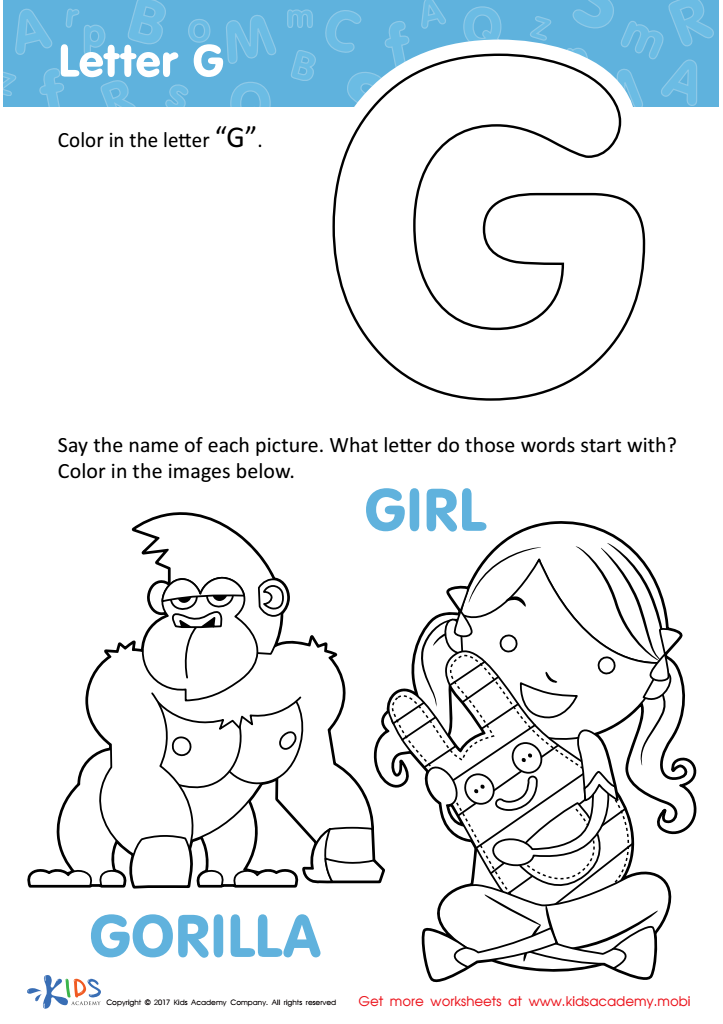
Letter G Coloring Sheet
 Assign to My Students
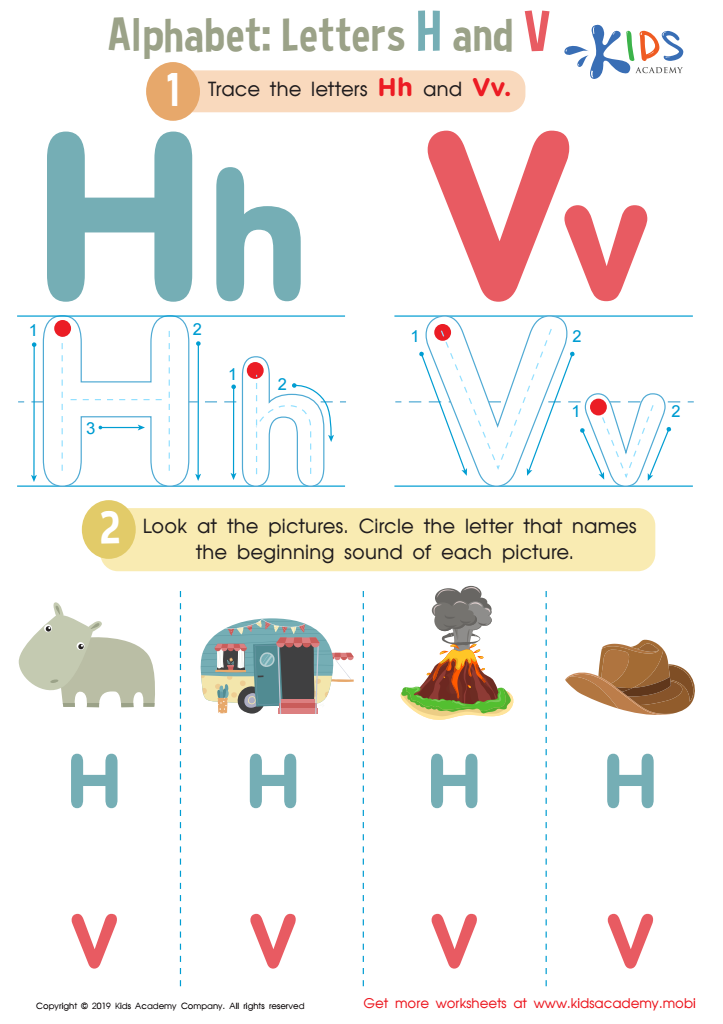
Letters H and V Tracing Worksheet
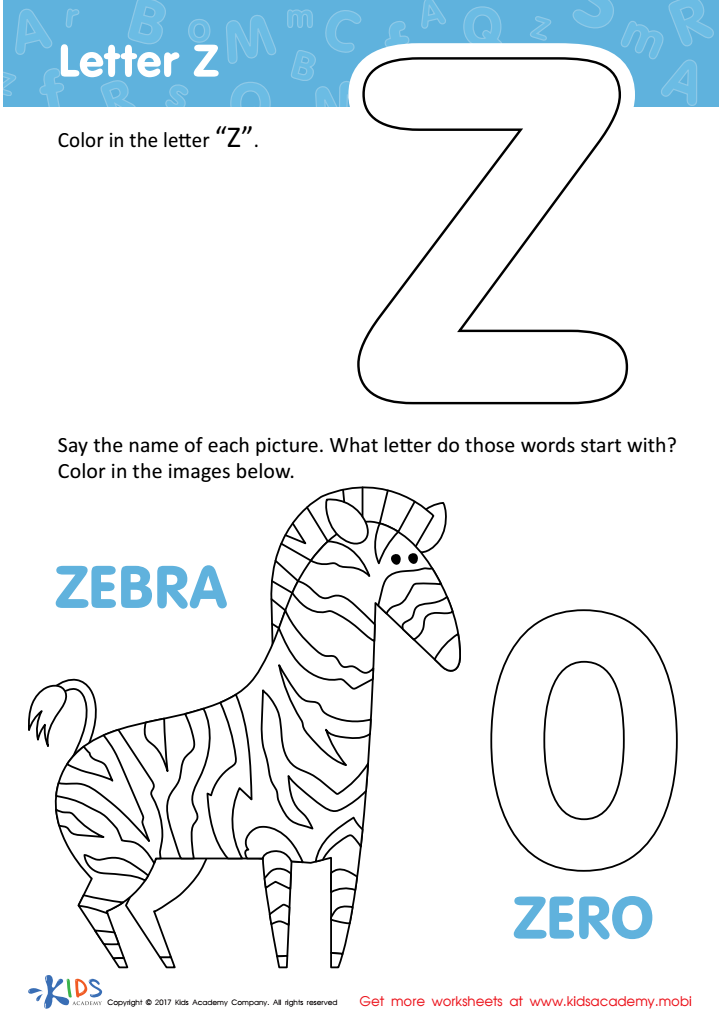
Letter Z Coloring Sheet
Assign to My Students
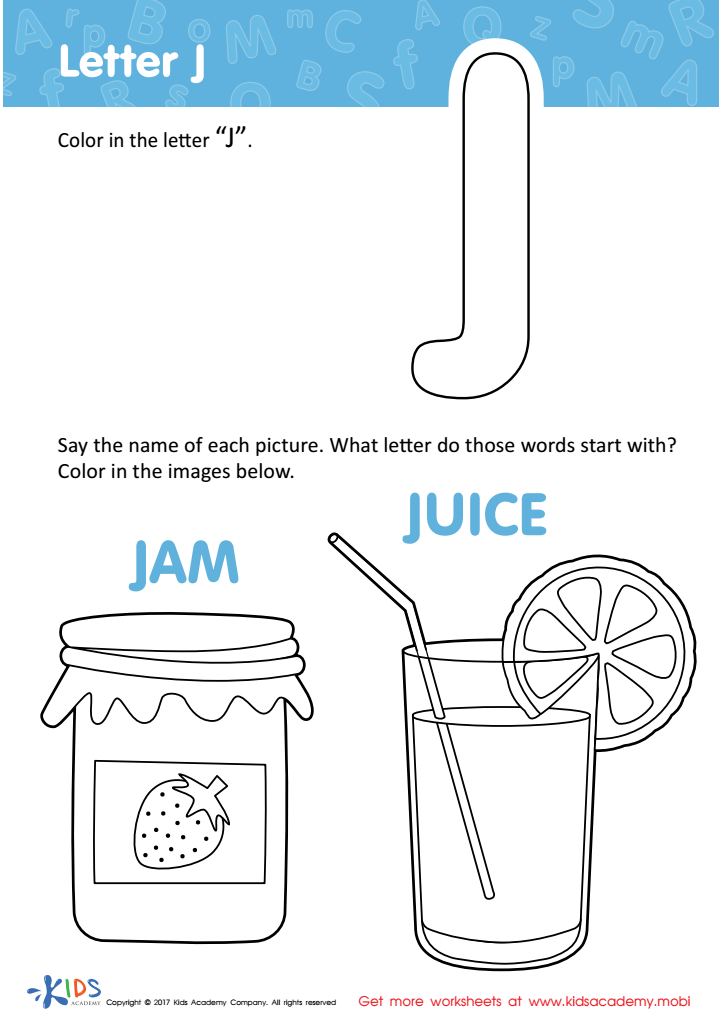
Letter J Coloring Sheet
Assign to My Students
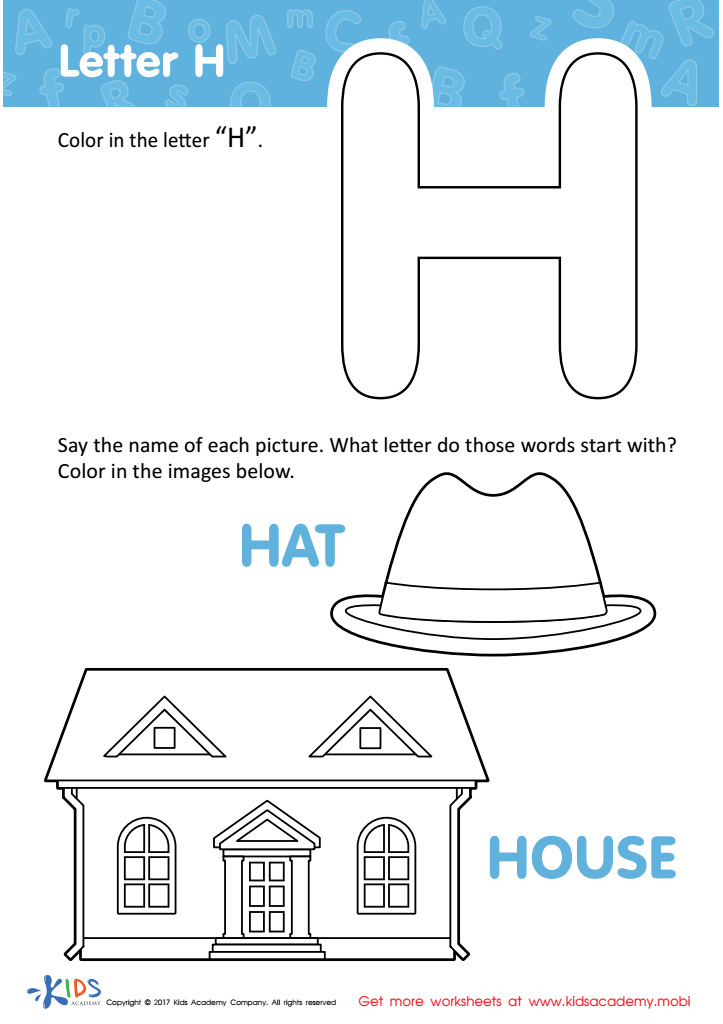
Letter H Coloring Sheet
Assign to My Students
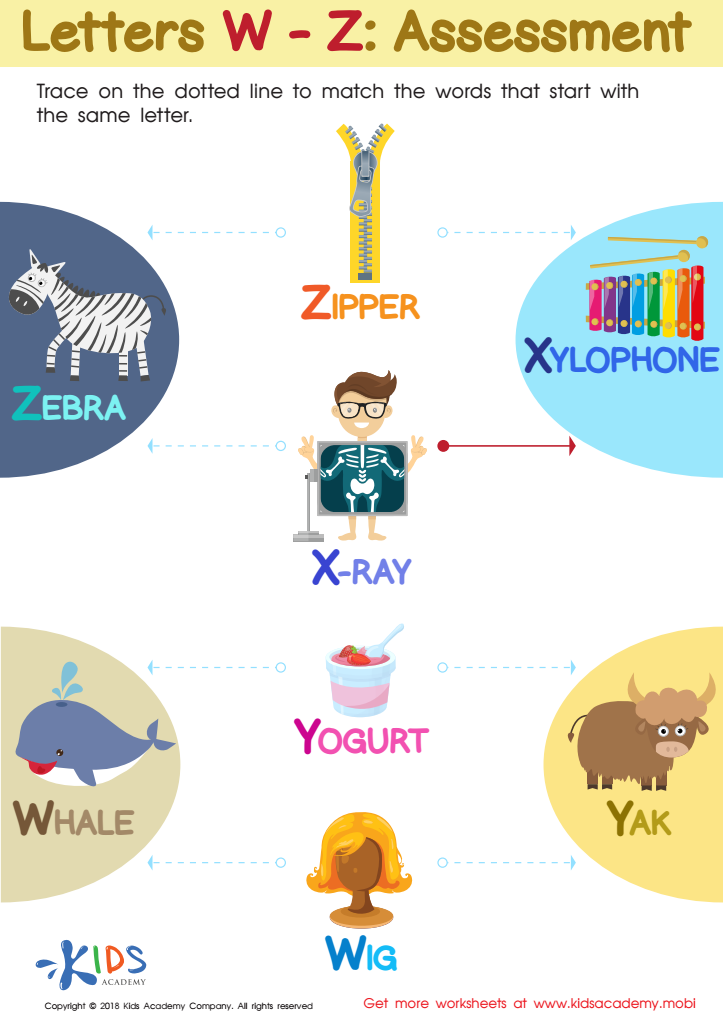
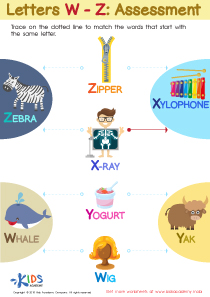
Letters W–Z Tracing Worksheet
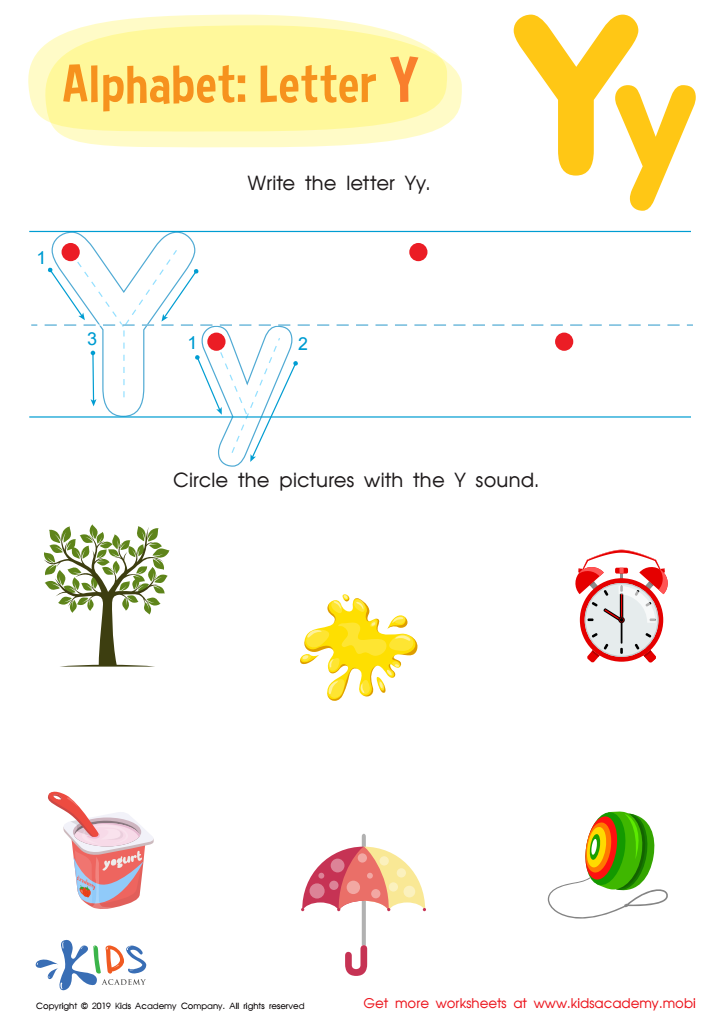
Letter Y Tracing Worksheet
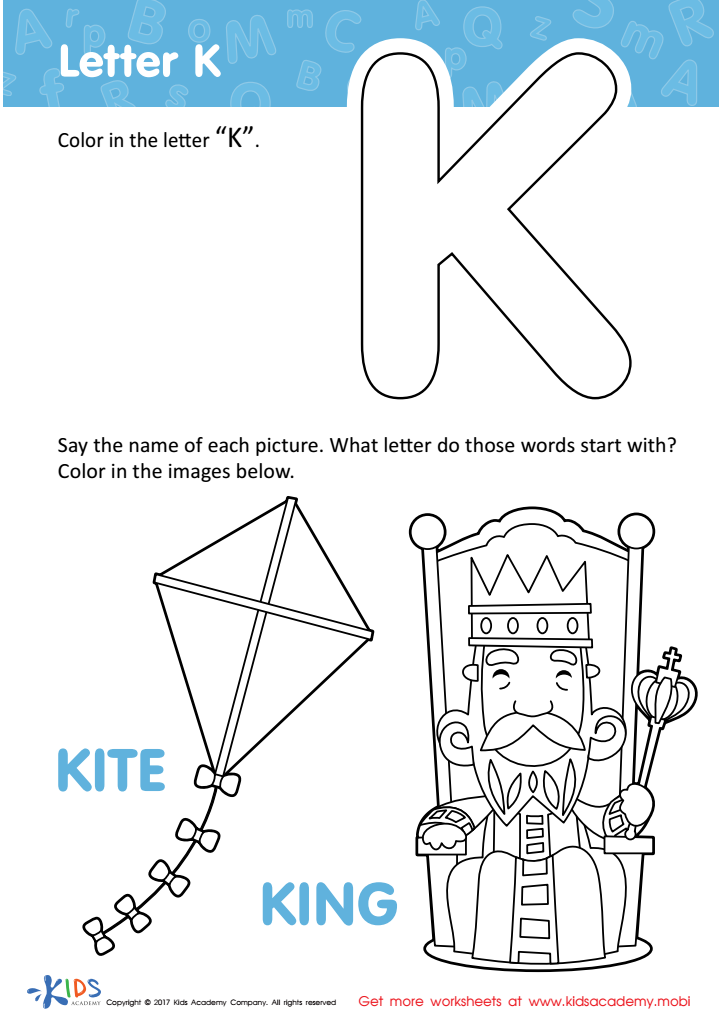
Letter K Coloring Sheet
Assign to My Students
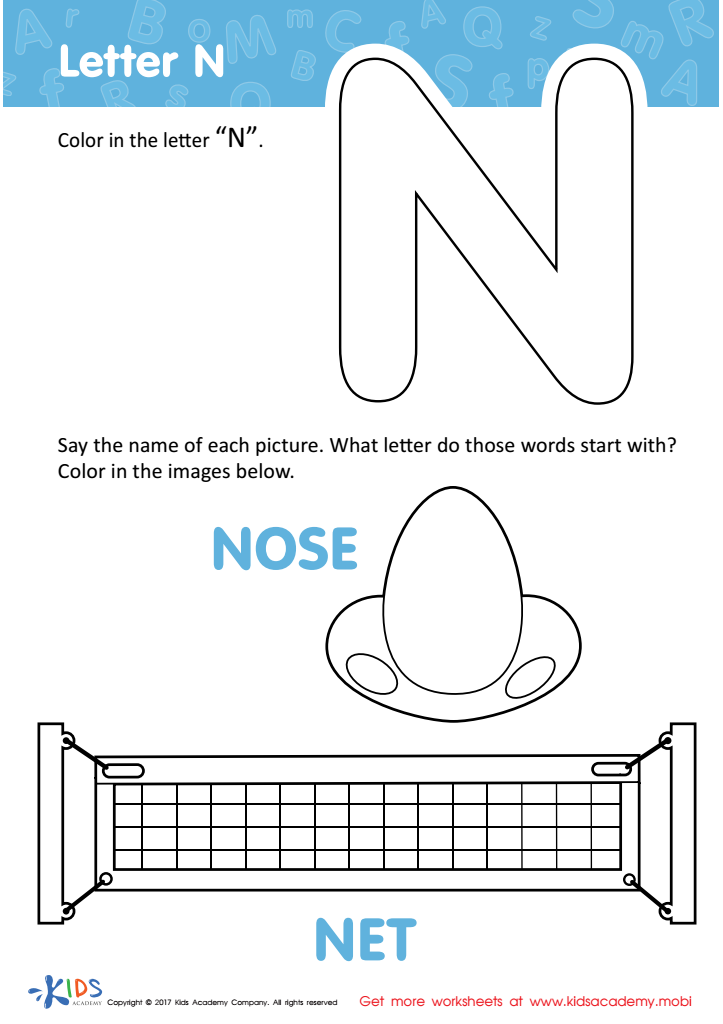
Letter N Coloring Sheet
Assign to My Students





Handwriting practice and letter recognition are foundational skills that lay the groundwork for a child's academic success. When children practice handwriting in preschool, they develop fine motor skills, which are vital for tasks like buttoning a shirt or holding a utensil, enhancing their overall dexterity. Practicing proper letter formation helps children distinguish between different letters, which is crucial for reading and writing fluency.
Letter recognition goes beyond just identifying letters; it helps children understand that letters are symbols that represent sounds, which leads to phonemic awareness. This awareness is indispensable for decoding words during reading and builds a solid foundation for spelling skills. A child who can easily recognize letters and the associated sounds is typically more confident and prepared to tackle literacy tasks in kindergarten and beyond.
Furthermore, engaging in handwriting practice encourages focus, patience, and discipline, fostering a positive attitude towards learning. It also builds self-esteem; as children see their own progress on paper, they gain a sense of accomplishment. For teachers and parents, emphasizing these skills early on not only supports academic development but also nurtures emotional and social growth, ensuring that children are well-equipped for future educational challenges.