Letter-sound association Preschool Letter Recognition Worksheets
6 filtered results
-
From - To
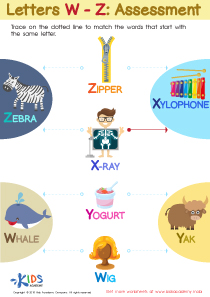
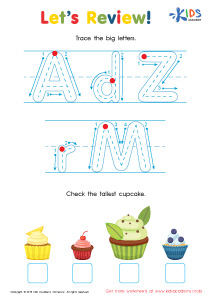
Enhance your preschooler's literacy skills with our engaging Letter-Sound Association worksheets! Designed for early learners, these printable activities focus on familiarizing children with the connection between letters and their corresponding sounds. With vibrant illustrations and interactive tasks, our worksheets make learning both fun and effective. Kids will enjoy tracing letters, identifying objects that start with specific sounds, and developing essential phonemic awareness. Ideal for at-home practice or classroom use, these resources support early reading foundations, fostering confidence in little learners. Explore our collection today and watch your child's love for learning flourish as they master letter recognition with ease!
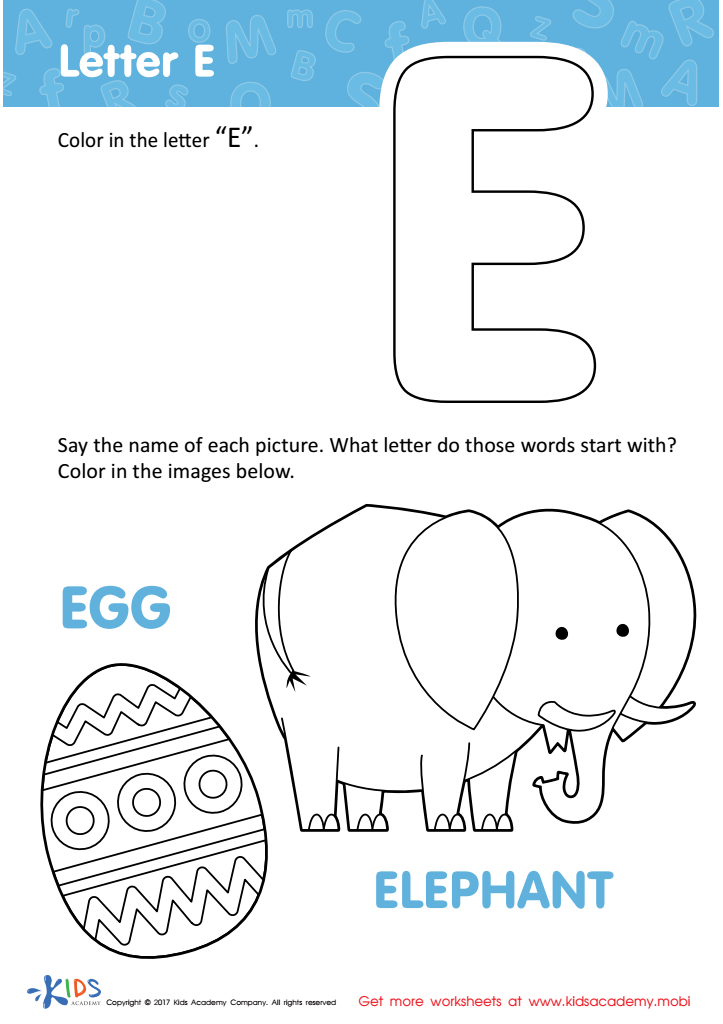
Letter E Coloring Sheet
 Assign to My Students
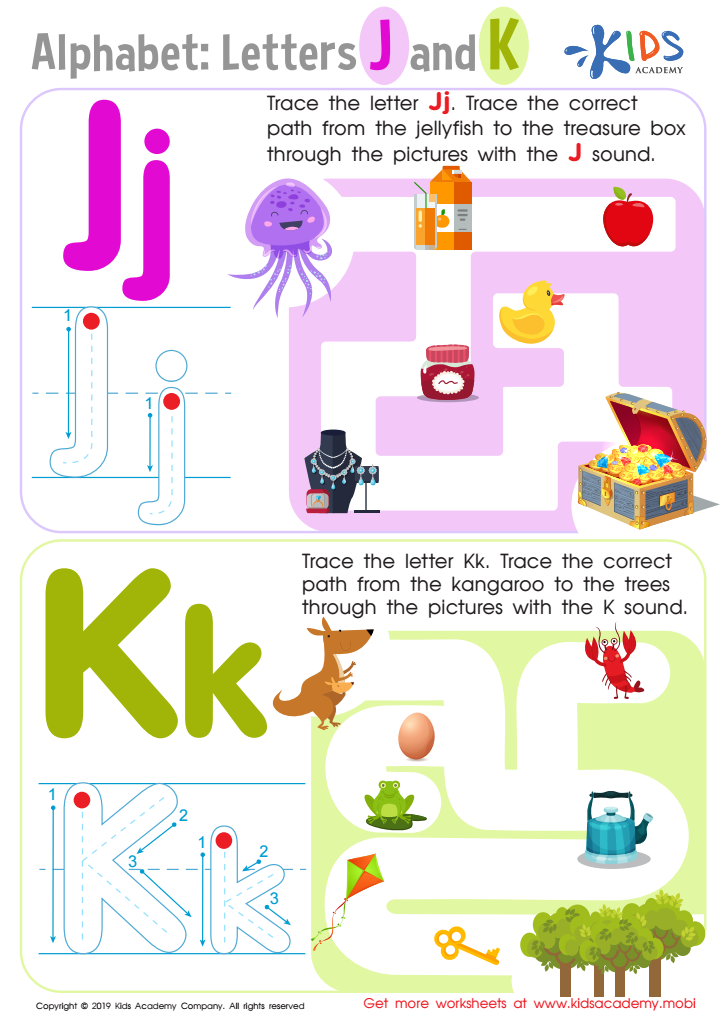
Letters J and K Tracing Worksheet
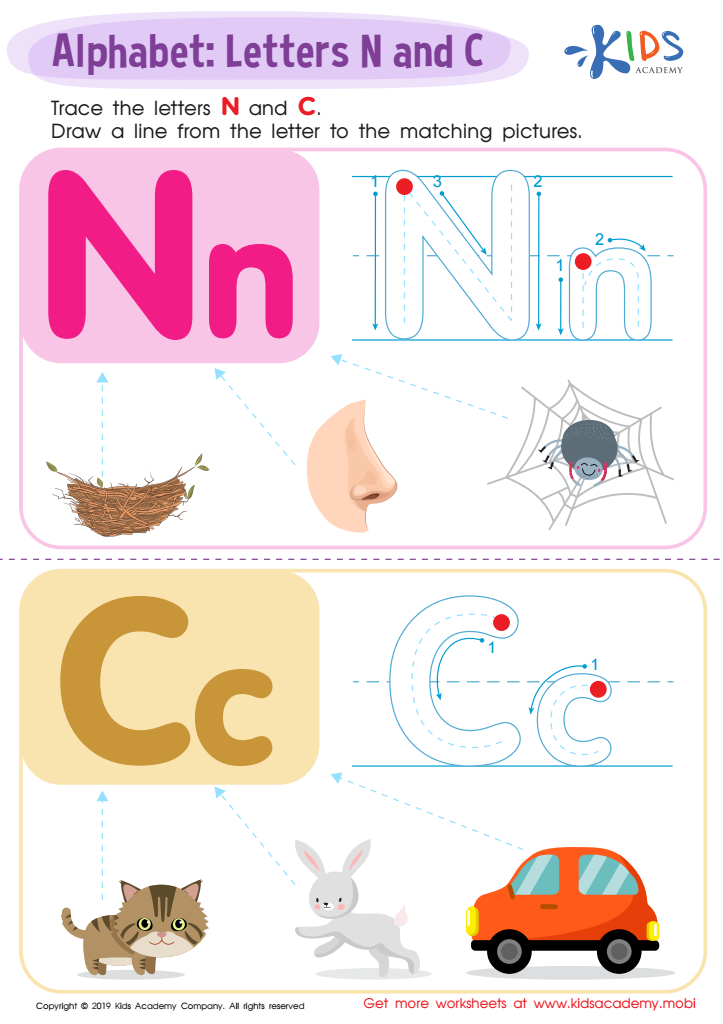
Letter N and C Tracing Worksheet
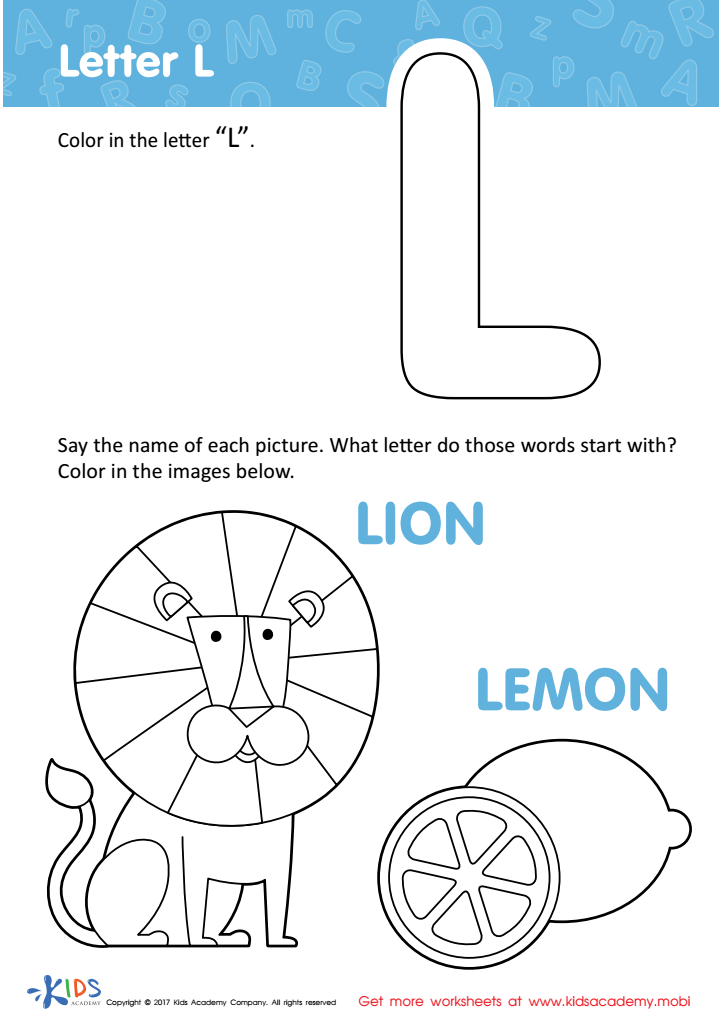
Letter L Coloring Sheet
Assign to My Students
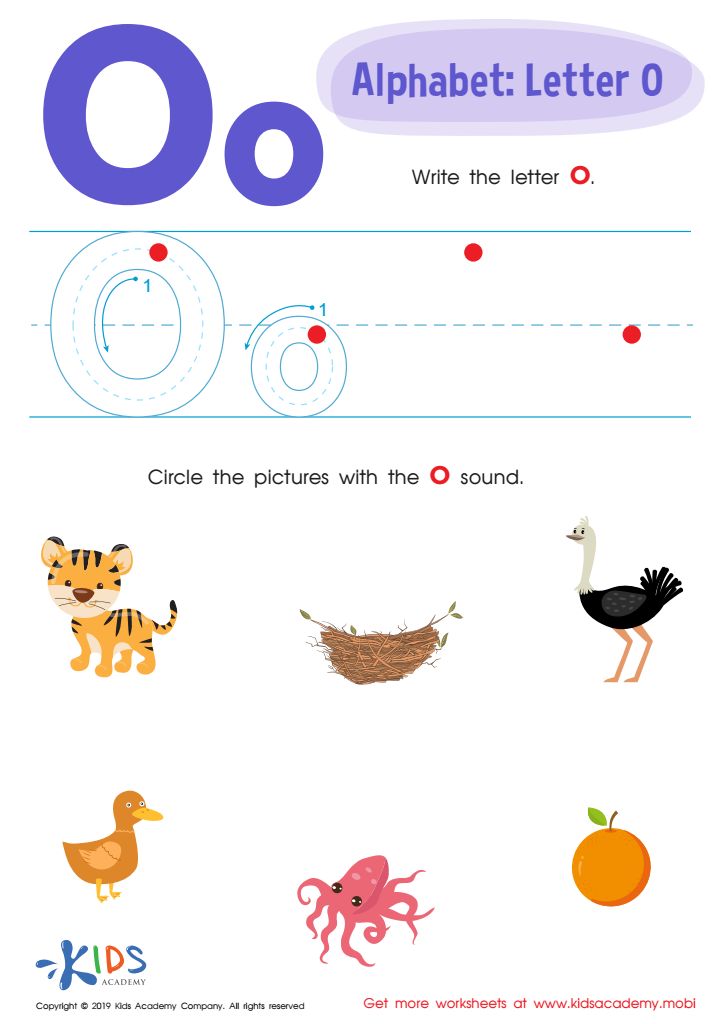
Letter O Tracing Worksheet
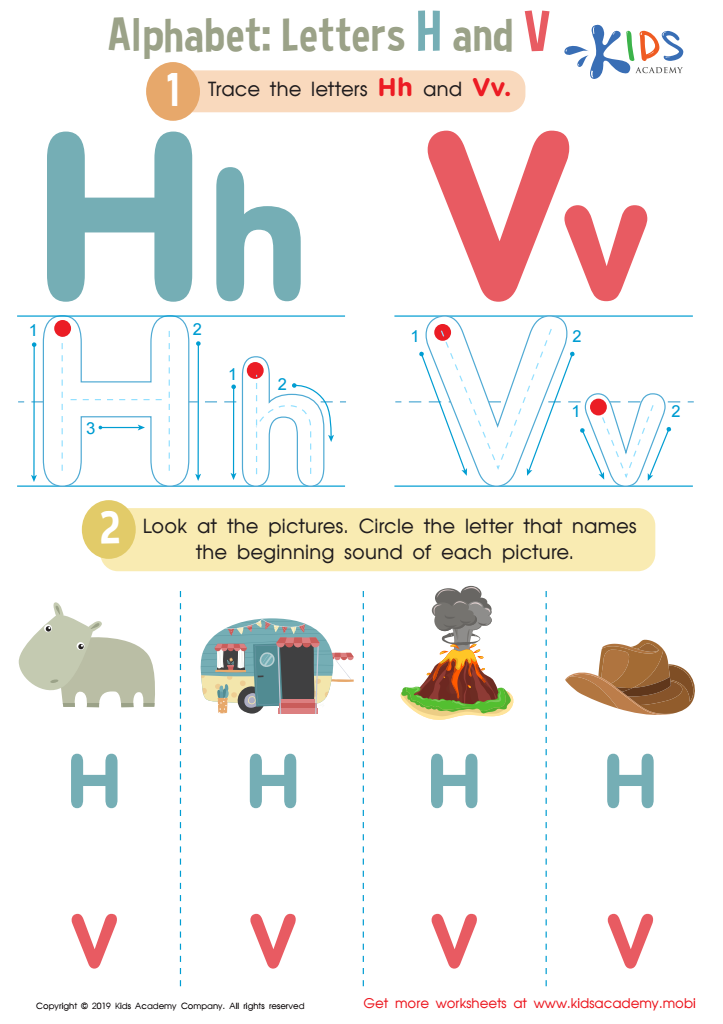
Letters H and V Tracing Worksheet





Letter-sound association and preschool letter recognition are fundamental components of early literacy skills that significantly impact a child's educational journey. Understanding the connection between letters and sounds allows preschoolers to develop phonemic awareness, which is crucial for reading proficiency. When children recognize letters and associate them with their corresponding sounds, they can decode words, enhancing their reading and writing abilities.
In addition, these skills foster a love for reading, as children gain the confidence to explore books independently. Educators and parents play a vital role in promoting letter-sound association through engaging activities like storytelling, singing, and interactive games. By reinforcing these concepts in a fun and supportive environment, adults can nurture a child's eagerness to learn.
Furthermore, strong letter-sound knowledge lays the groundwork for future language skills, influencing academic performance across various subjects. When children navigate early literacy challenges successfully, they are more likely to approach later educational experiences positively.
In summary, prioritizing letter-sound association and letter recognition is crucial for parents and teachers, as it empowers children with the foundational skills necessary for effective communication and lifelong learning. By investing in these areas, adults can significantly influence children’s self-esteem and educational success.