Artistic Expression Fairy Tale Coloring Pages Worksheets for Ages 3-4
3 filtered results
Difficulty Level
Grade
Age
-
From - To
Subject
Activity
Standards
Introduce your little ones to a world of creativity with our Artistic Expression Fairy Tale Coloring Pages Worksheets designed for ages 3-4. Each printable worksheet features enchanting fairy tale scenes that inspire imaginative play and artistic development. Perfect for enhancing fine motor skills, color recognition, and early storytelling, these coloring pages provide a fun and educational activity. Ideal for both classroom and home use, they encourage children to explore their creativity and express themselves through art. Start the magical journey of artistic expression today with our fairy tale coloring pages, fostering a love for learning and creativity in young children.
Favorites
With answer key
Interactive
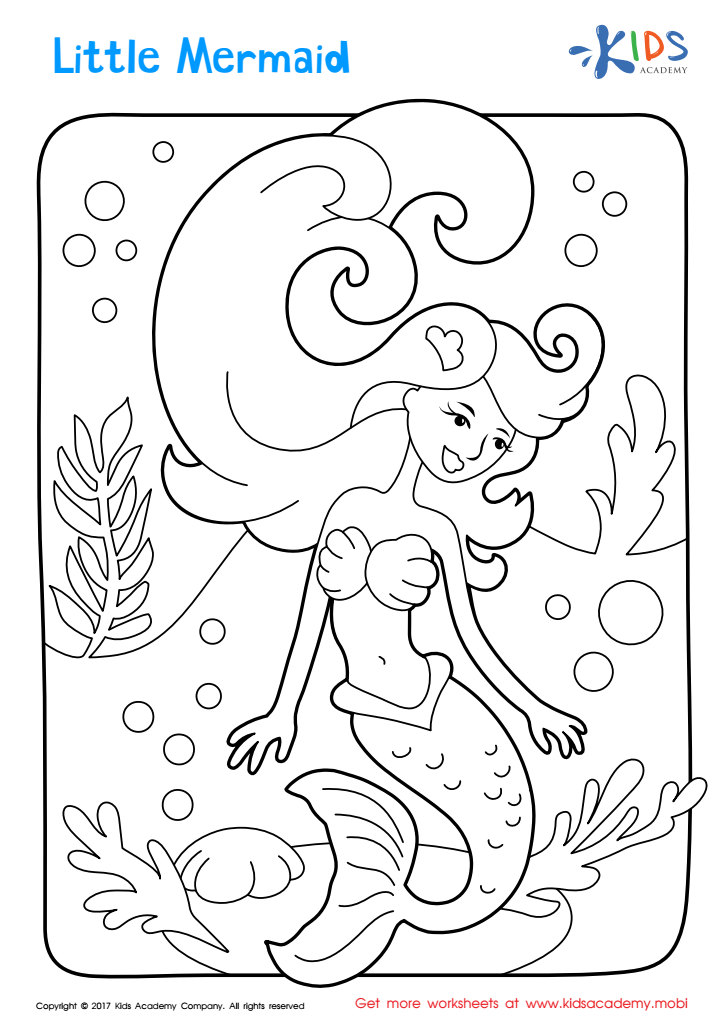
Little Mermaid Coloring Page
Dive into imagination and explore the magical creatures of the sea with this enchanting Little Mermaid printable coloring page! Let your child bring the beautiful mermaid and her ocean home to life with their favorite colors. They'll have a blast!
Download (PDF)
 Assign to My Students
Assign to My Students
Little Mermaid Coloring Page
Worksheet
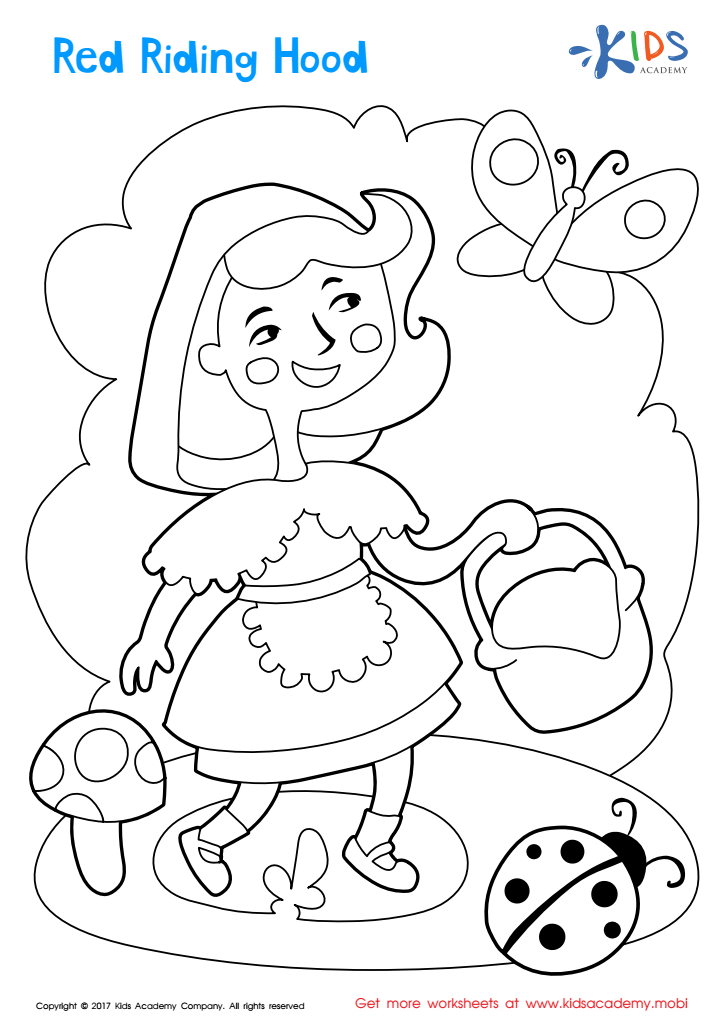
Red Riding Hood Coloring Page
Red Riding Hood awaits in the woods, with a butterfly, mushroom, and ladybug around her. Let your child bring the story to life with this magical printable coloring page. Fairytale fun for all!
Download (PDF)
Assign to My Students
Assign to My Students
Red Riding Hood Coloring Page
Worksheet
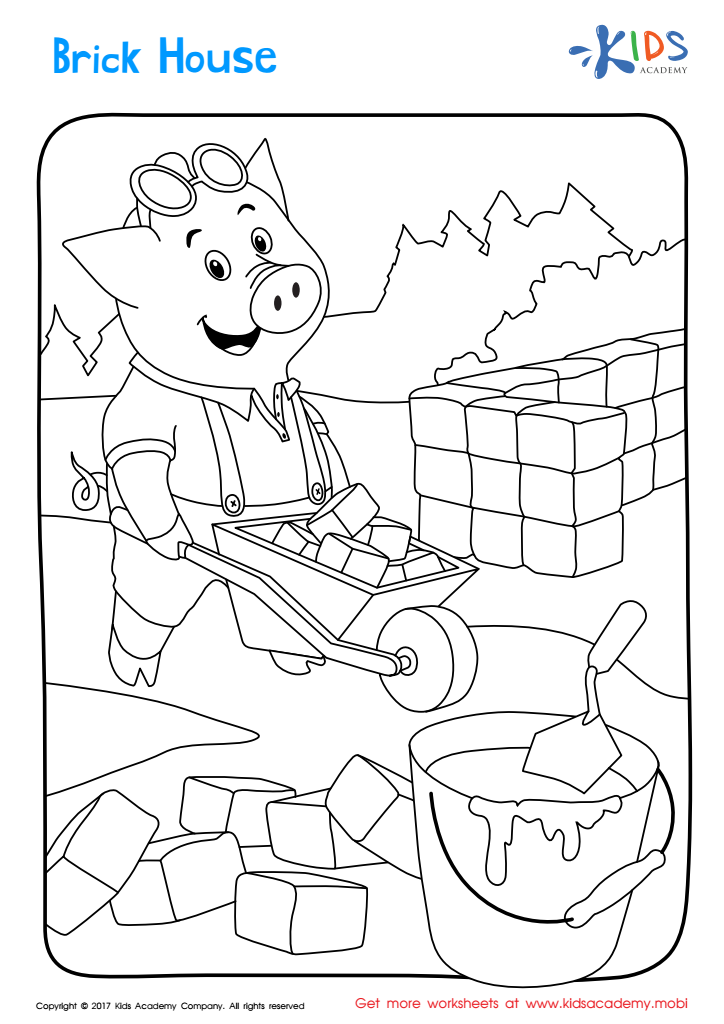
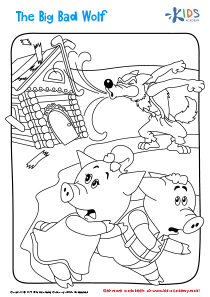
Brick House Printable Coloring Page
Let your child's imagination run wild as they color this delightful brick house from the 3 Little Pigs story! It's a great way to encourage creative expression, build imagination and have fun. Plus, use it as an opportunity to retell the story afterwards!
Download (PDF)
Assign to My Students
Assign to My Students
Brick House Printable Coloring Page
Worksheet
Join Kids Academy for Free
Who is primarily going to use this learning content?



Artistic Expression Fairy Tale Coloring Pages for Ages 3-4 carry significant developmental benefits that parents and teachers should recognize. Firstly, these coloring pages enhance fine motor skills as children learn to grip crayons, pencils, or markers and begin to control their hand movements. The precision required to color within the lines helps with muscle coordination and hand-eye coordination.
Additionally, fairy tale themes engage children's imagination and creativity. They provide an opportunity for storytelling, extending learning beyond mere coloring. While children color characters like dragons, princesses, or magical forests, there's potential to discuss narratives, settings, and moral lessons integral to these tales. This interaction fosters language development and cognitive skills related to story comprehension and recall.
Emotionally, artistic expression through coloring pages allows young children to express their feelings in a non-verbal medium. The motifs in fairy tales often involve emotions and resolutions that children might relate to or learn from, helping them to process their feelings in a safe context.
Finally, artistic expression promotes a sense of accomplishment and pride in their creations, fostering self-esteem and confidence. When parents and teachers show interest in children's artwork, it reinforces positive reinforcement, making children feel valued and encouraged to engage more in creative activities.