Categorization skills Worksheets for Ages 3-4 - Page 2
26 filtered results
-
From - To
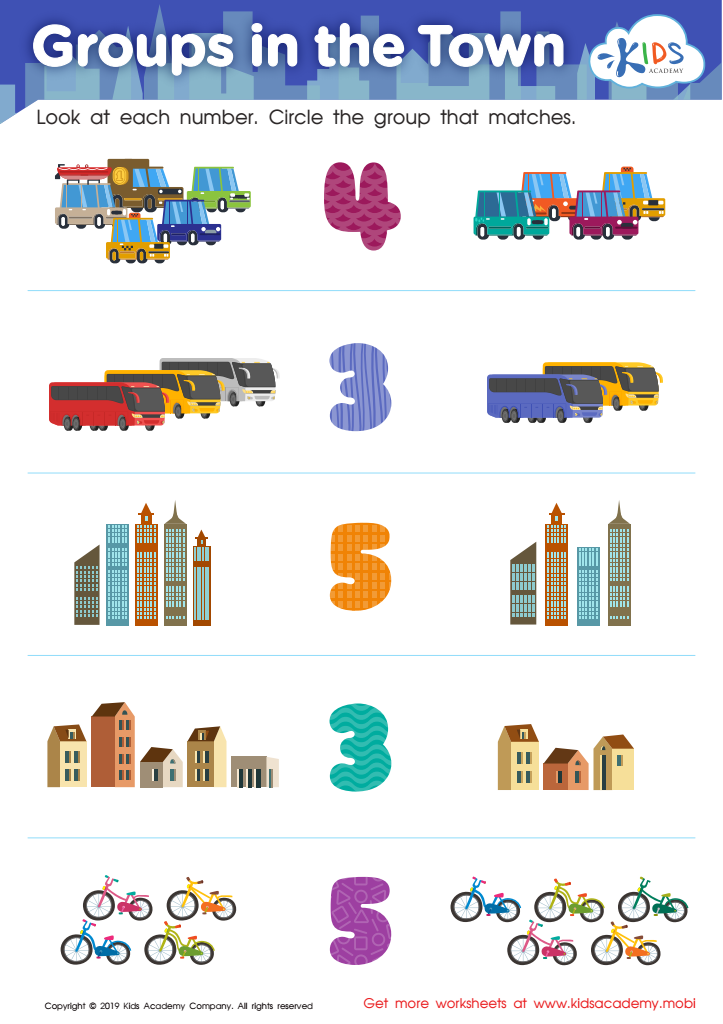
Groups in the Town Worksheet
 Assign to My Students
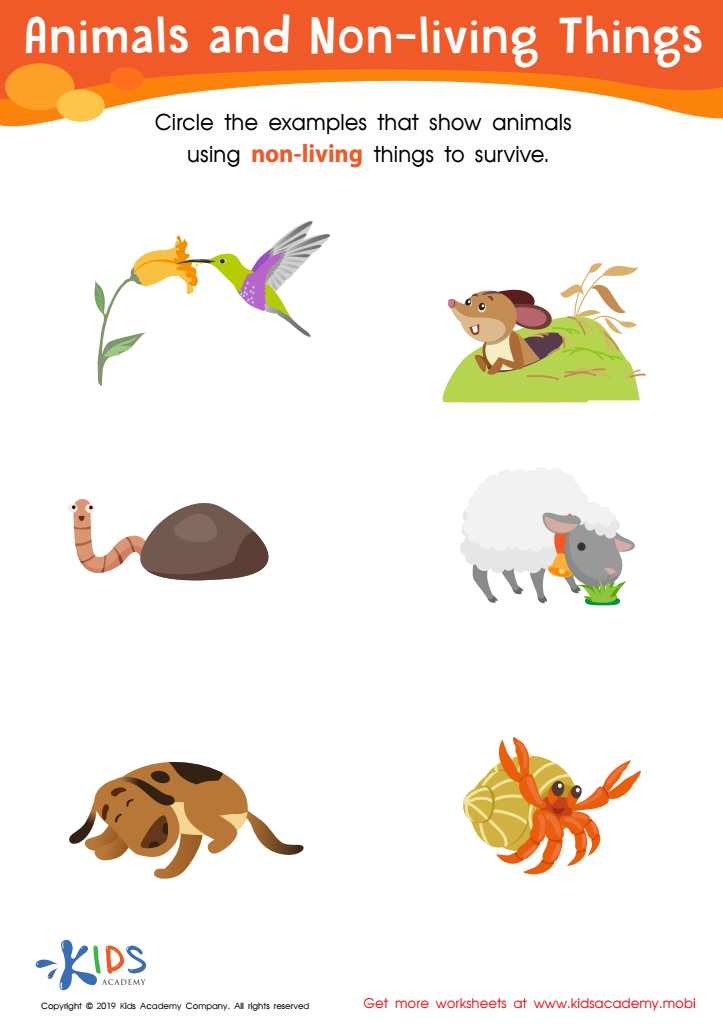
Animals and Non-Living Things Worksheet






.jpg)
Categorization skills are crucial for children aged 3-4, and it's essential for parents and teachers to recognize their significance. At this stage, children are beginning to understand how to group objects, animals, and people based on shared characteristics, which lays the foundation for critical thinking and linguistic development.
By fostering categorization skills, caregivers help children enhance their cognitive abilities. As they learn to classify items, they develop problem-solving skills and learn to make connections between different concepts. This foundation is vital as it encourages logical thinking and promotes mathematical understanding—such as counting, sorting, and recognizing patterns.
In addition to cognitive growth, categorization also strengthens language skills. As children describe groups and categorize items, they expand their vocabulary and learn to articulate their thoughts more clearly. This verbal expression is crucial for effective communication and social interactions.
Moreover, engaging children in categorization activities—like sorting toys, fruits, or colors—can be enjoyable. Through play, children not only acquire important learning skills but also develop a sense of accomplishment. Therefore, prioritizing categorization skills is paramount for shaping well-rounded, confident learners who are prepared for future educational challenges.








