Counting skills Worksheets for Ages 3-4 - Page 14
321 filtered results
-
From - To
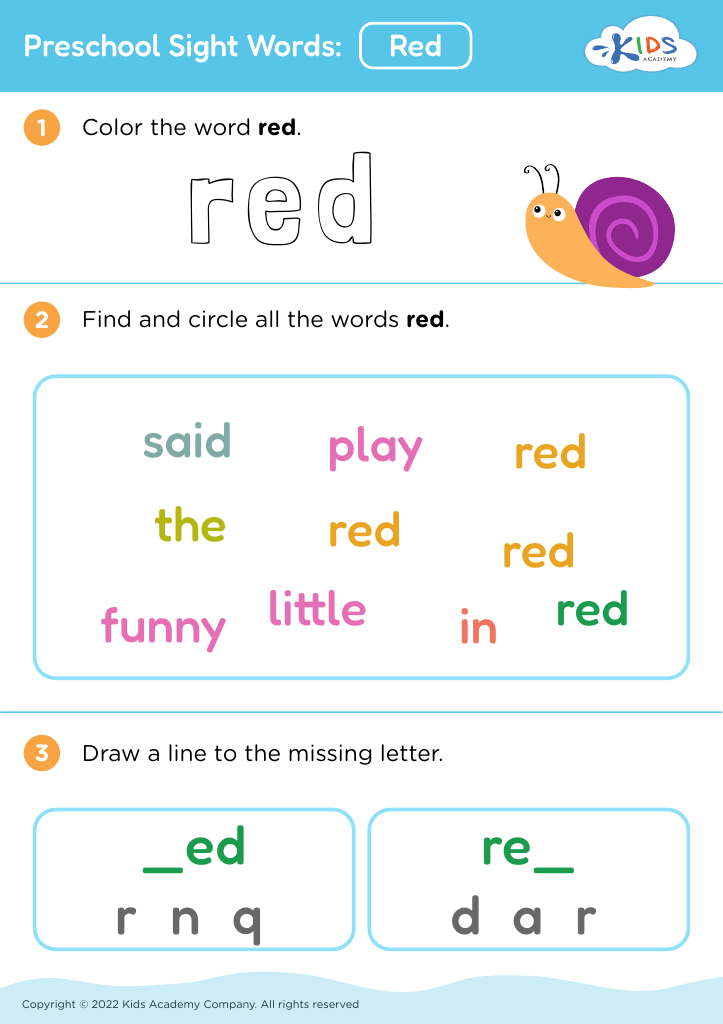
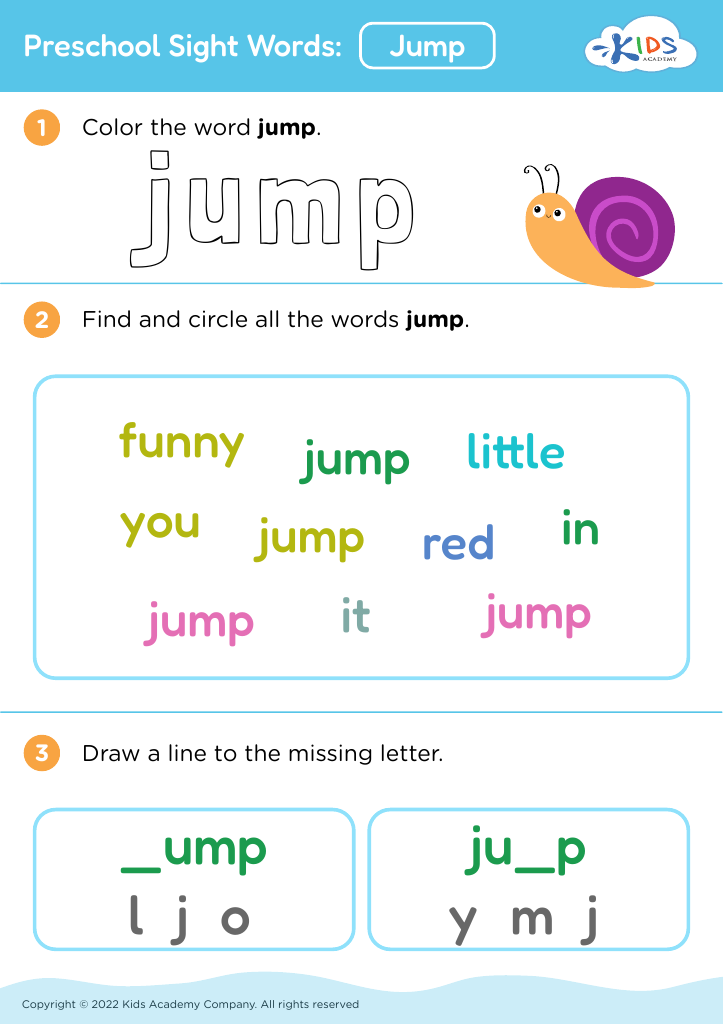
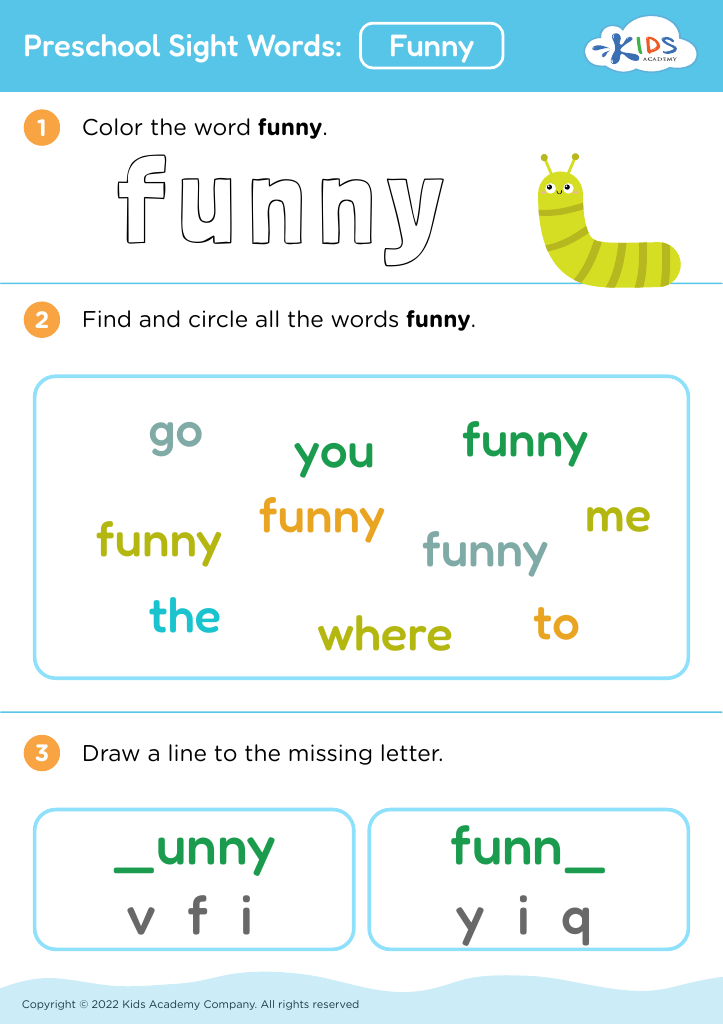
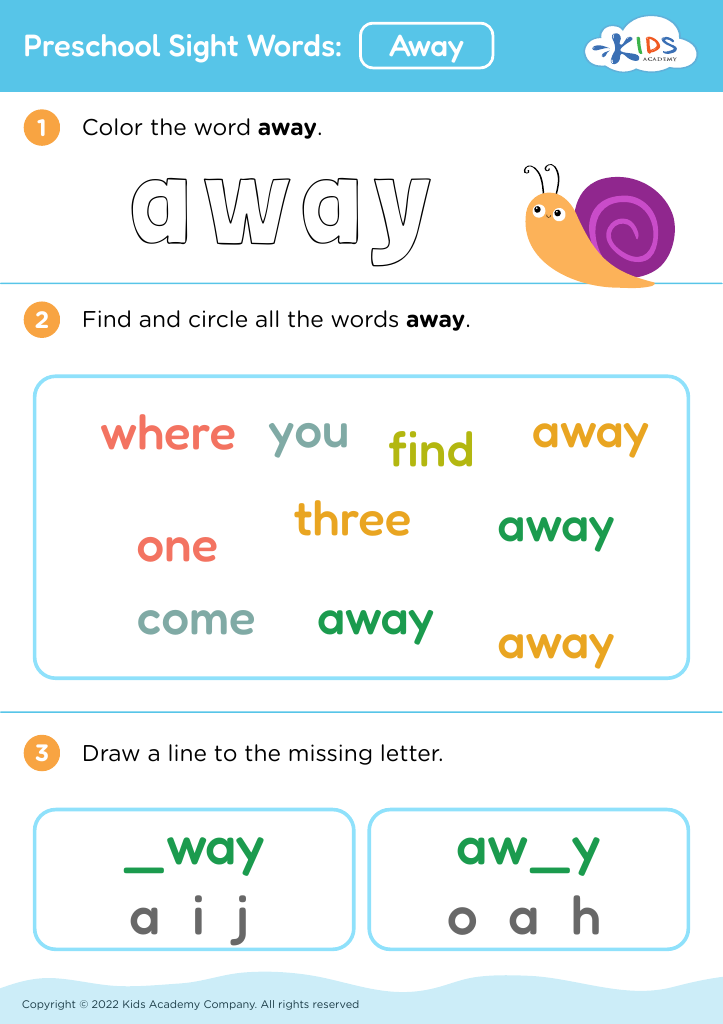
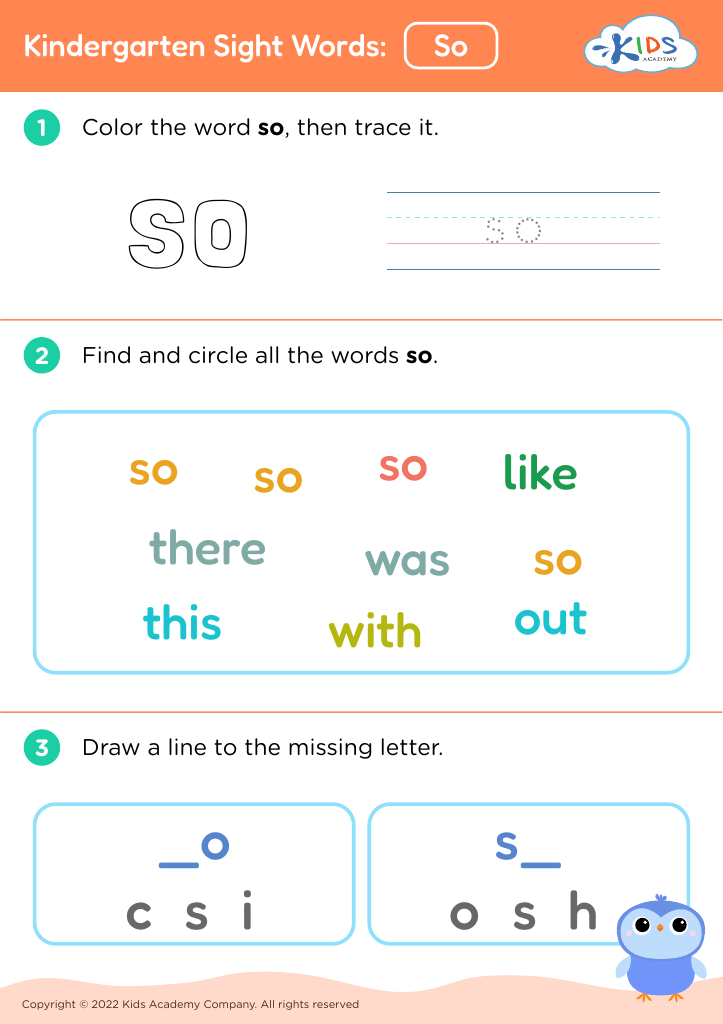
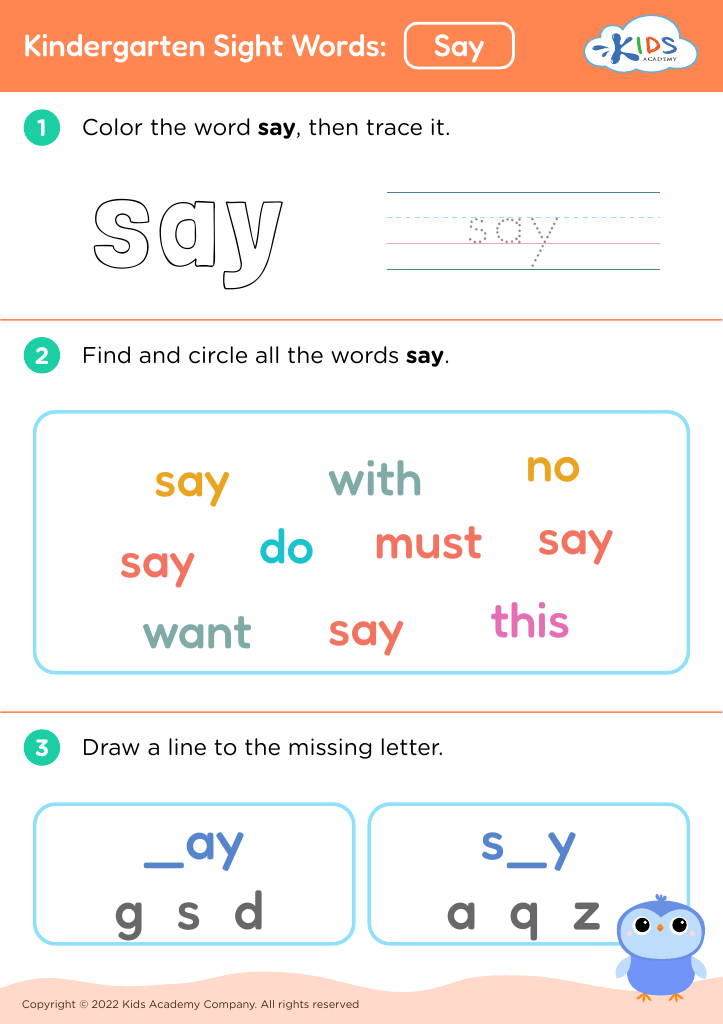
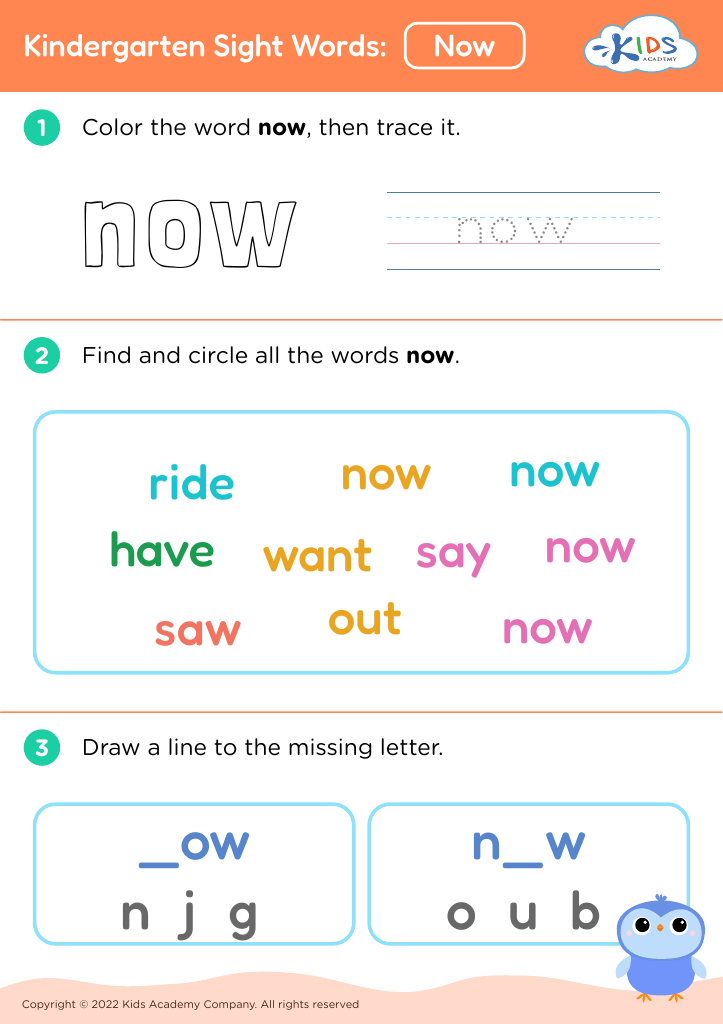
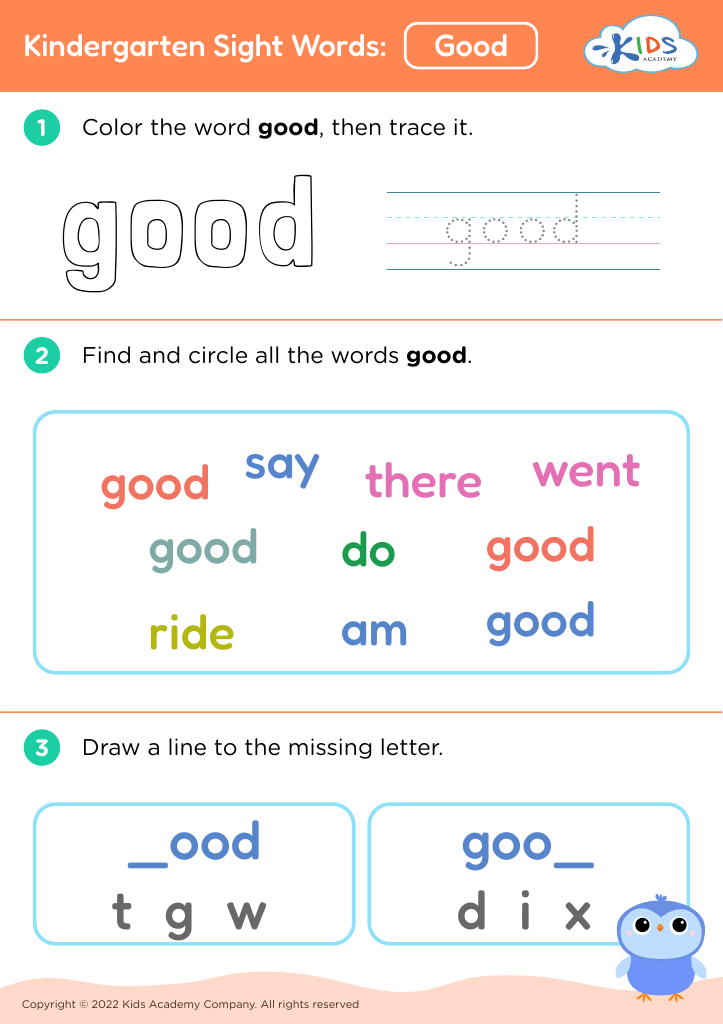








Counting skills in children aged 3-4 are foundational for several critical areas of development and learning. At this age, children are naturally curious and have a remarkable capacity for absorbing new information. Developing counting skills early can set the stage for future academic success and cognitive growth.
Firstly, counting introduces children to the concept of numbers and quantities, which are essential for understanding more complex mathematical concepts later on. Children who grasp counting develop a better number sense, allowing them to engage in more advanced arithmetic and problem-solving activities with confidence.
Secondly, counting activities bolster cognitive skills such as memory, concentration, and the ability to recognize patterns. These are not only crucial for mathematics but also extend to other areas of learning, including reading and science.
Furthermore, counting fosters language development. As children learn to count, they also learn number words and improve their vocabulary, pronunciation, and overall language skills. Engaging in counting songs, rhymes, and stories enhances their verbal communication abilities.
Lastly, counting helps in developing fine motor and social skills. Activities like counting objects, blocks, or toys require coordination and can be done interactively, promoting teamwork and communication with peers and adults.
In summary, developing counting skills in early childhood is vital as it underpins essential cognitive, linguistic, and motor abilities that will benefit children across their educational journey.








