Identifying shapes Worksheets for Ages 3-4
8 filtered results
-
From - To
Explore our engaging Identifying Shapes Worksheets for ages 3-4, designed to spark curiosity and build foundational geometry skills. These worksheets offer colorful, interactive activities that help young learners identify and differentiate various shapes, such as circles, squares, triangles, and rectangles. Packed with fun illustrations, children will enjoy connecting the dots, coloring, and matching shapes while developing their fine motor skills along the way. Perfect for parents and educators, these printable resources can easily be integrated into home or classroom activities. Watch your little ones gain confidence as they learn to recognize shapes in the world around them. Start their learning journey today!
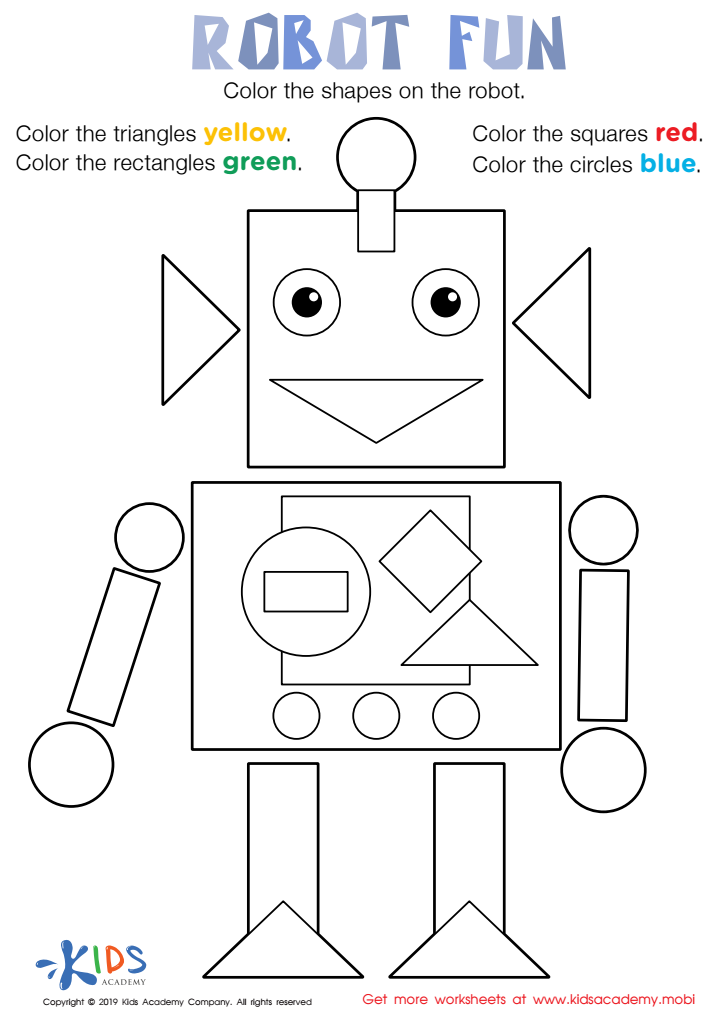
Robot Fun Worksheet
 Assign to My Students
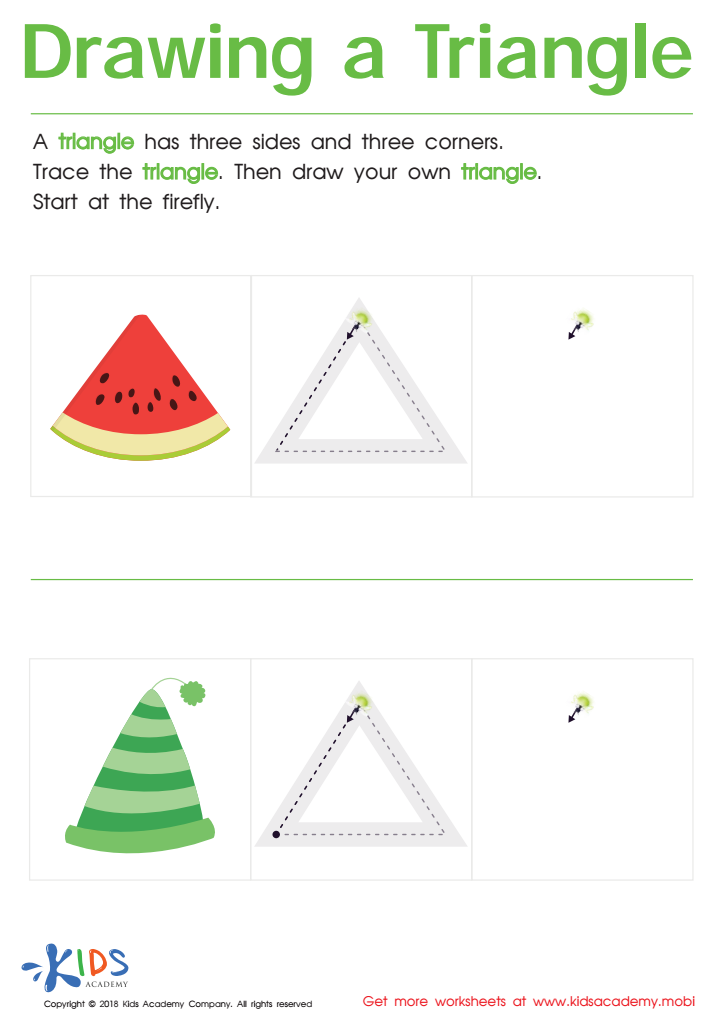
Drawing a Triangle Worksheet
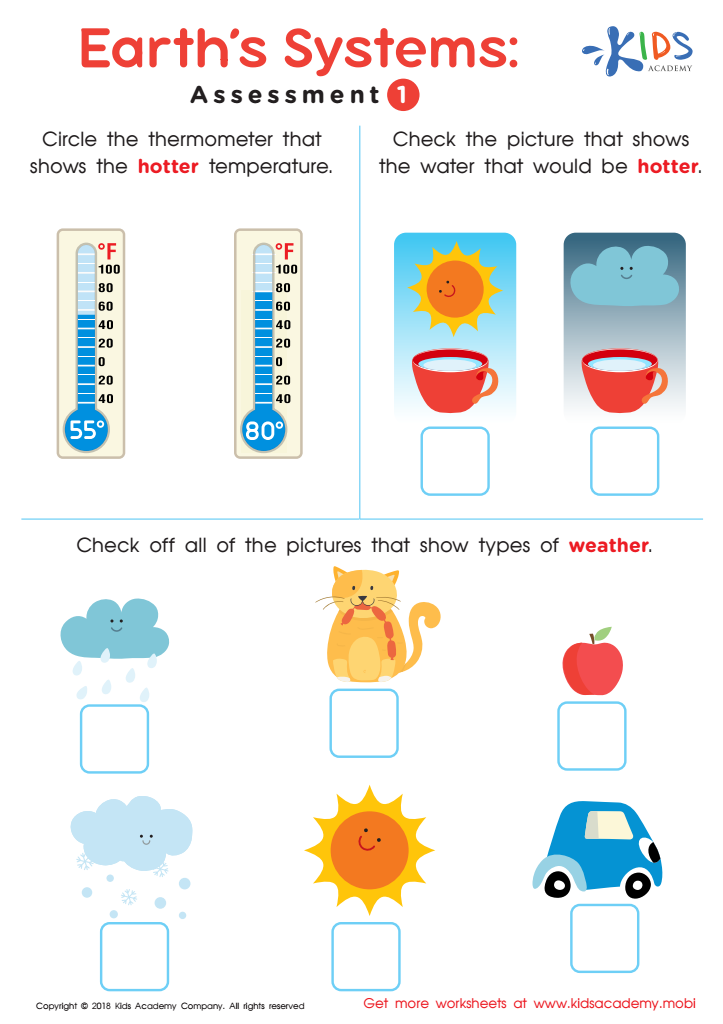
Earth's Systems: Assessment 1
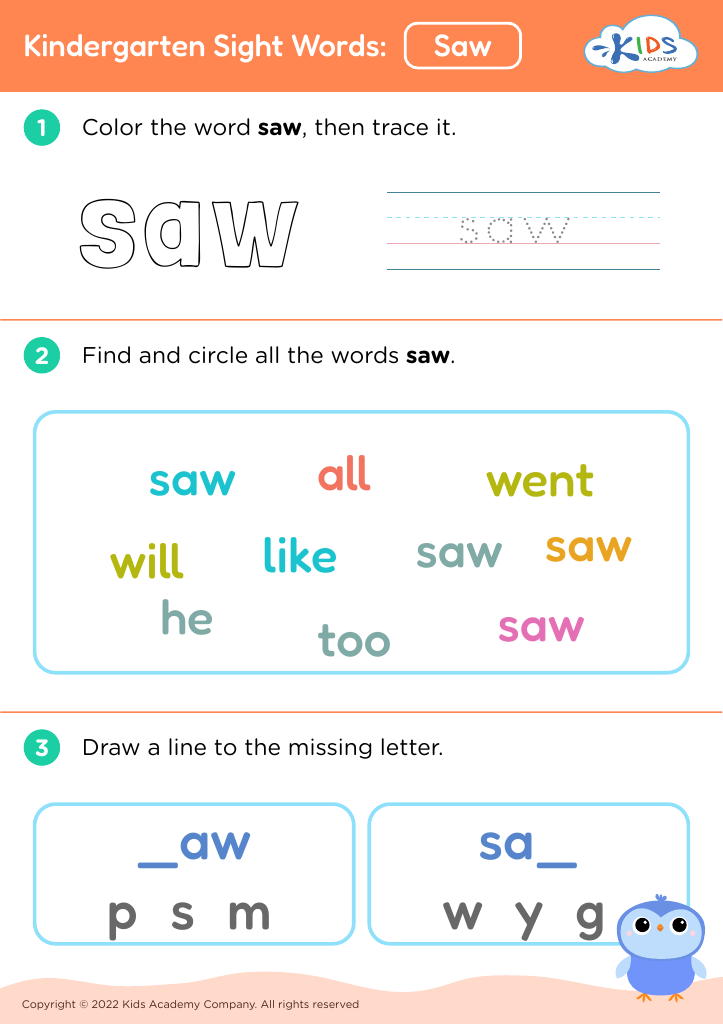
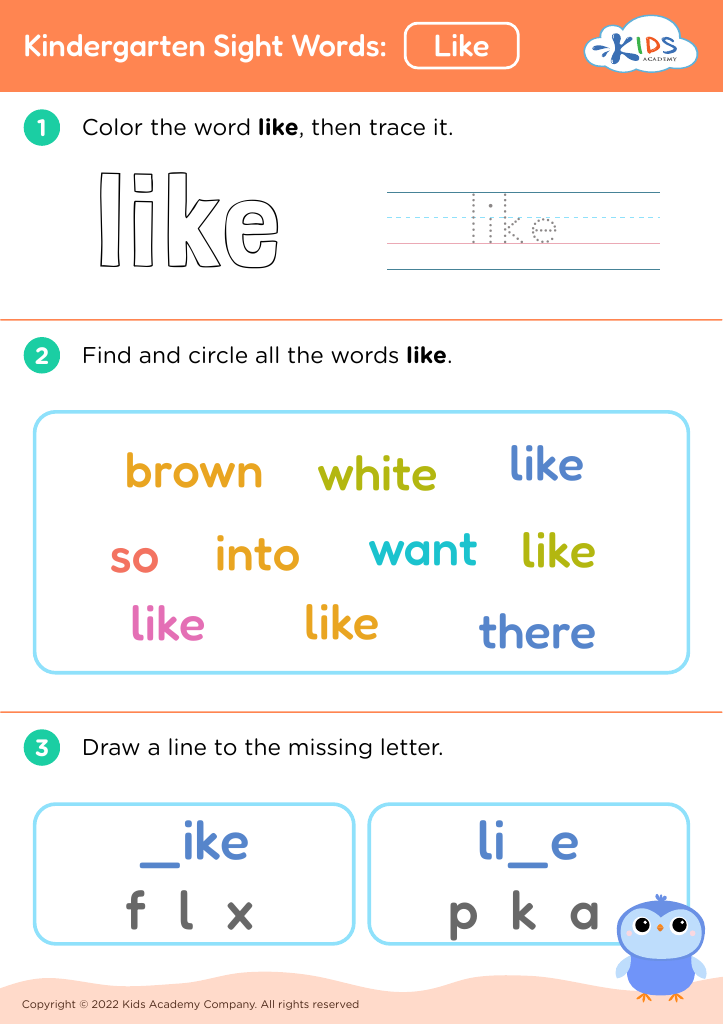
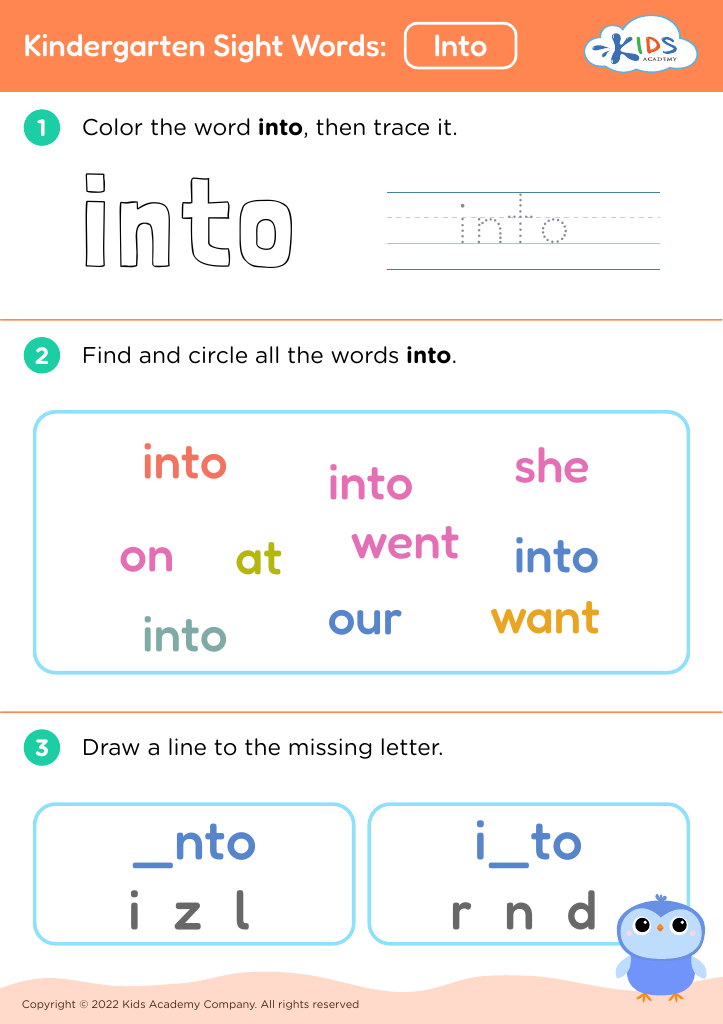
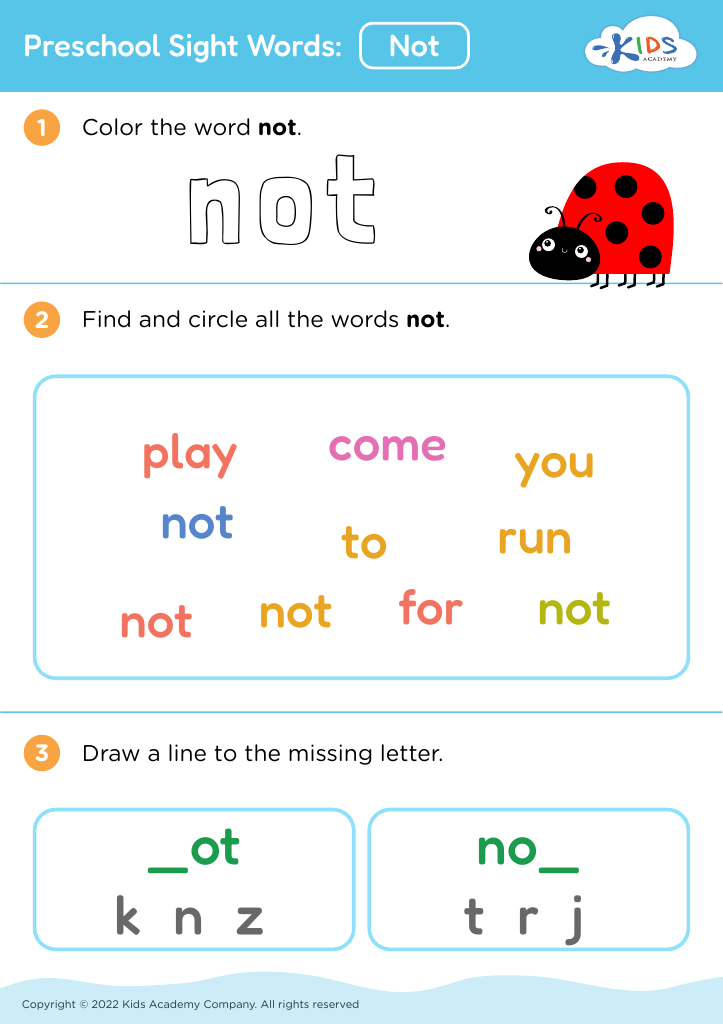
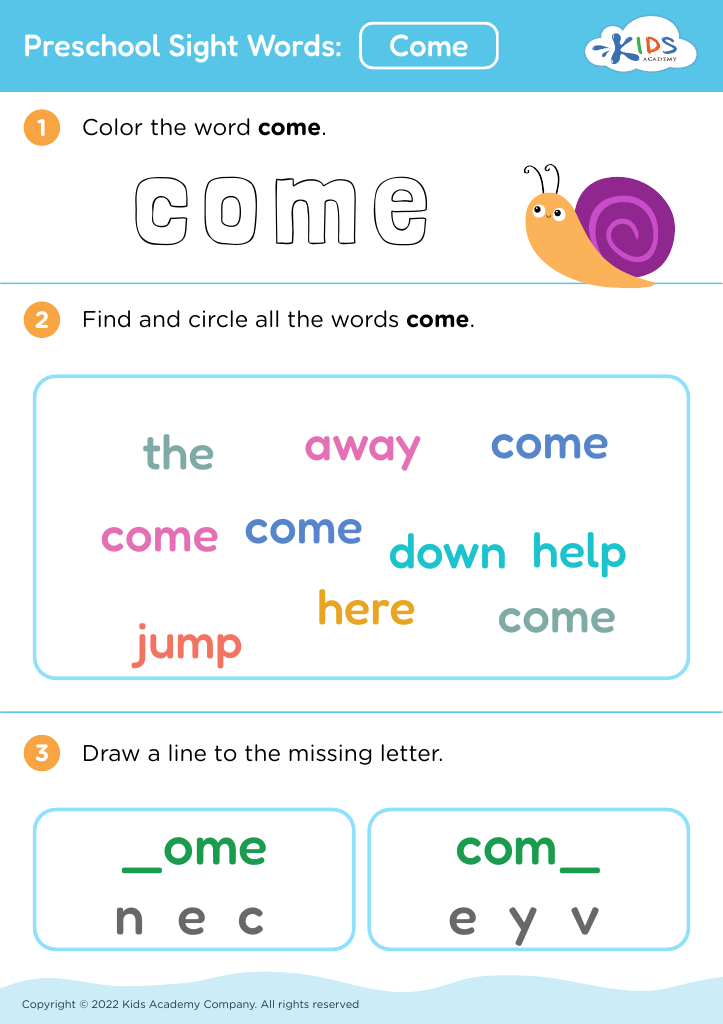







Identifying shapes is a crucial aspect of early childhood development for children aged 3-4. Parents and teachers should care about this skill because it forms the foundation for various cognitive abilities and future learning. Recognizing shapes enhances spatial awareness, which is essential for a child's ability to understand and navigate their environment.
Additionally, shape identification supports mathematical learning by introducing basic geometric concepts. It encourages logical thinking and problem-solving skills, which are important as children progress in school. Shapes also play a critical role in literacy, as many letters and numbers can be formed by combining basic geometric shapes.
Beyond academics, teaching children about shapes fosters creativity and imaginative play. These opportunities allow for exploration through crafts where children can use different shapes to express their ideas, reinforcing their understanding and application of the concept in real-life scenarios.
Engaging in shape identification also encourages communication, as children learn to articulate their observations and descriptions. This interaction fosters social skills and builds vocabulary, enriching their overall language development. In summary, helping young children identify shapes contributes significantly to their holistic development, setting the groundwork for future learning and daily life skills.








