Mathematical problem-solving Worksheets for Ages 3-4
4 filtered results
-
From - To
Discover our engaging Mathematical Problem-Solving Worksheets tailored for children ages 3-4! Designed to make learning fun, these worksheets provide age-appropriate activities that introduce essential math concepts like counting, sorting, and basic addition. Your little ones will enjoy colorful illustrations and playful scenarios that encourage critical thinking and problem-solving skills. These worksheets not only promote mathematical understanding but also enhance fine motor skills through various interactive exercises. With easy-to-follow instructions, parents and educators can seamlessly incorporate these resources into daily learning routines. Facilitate your child's early mathematical journey and set the foundation for future success with our thoughtfully crafted worksheets!
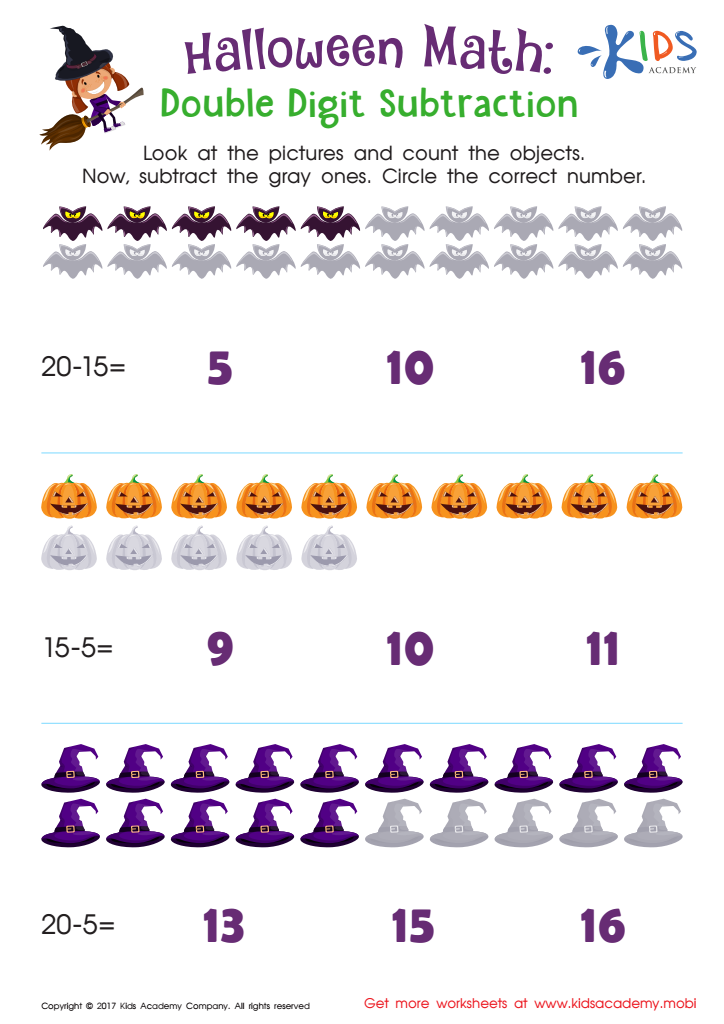
Halloween Math Subtraction Worksheet
 Assign to My Students
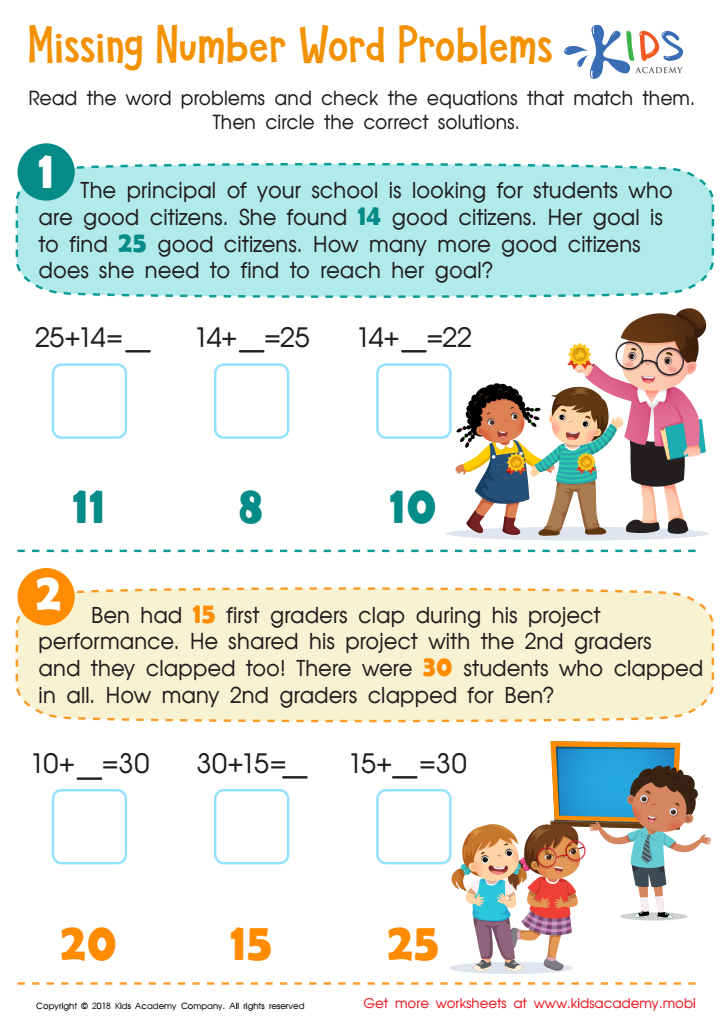
Missing Number Word Problems Worksheet
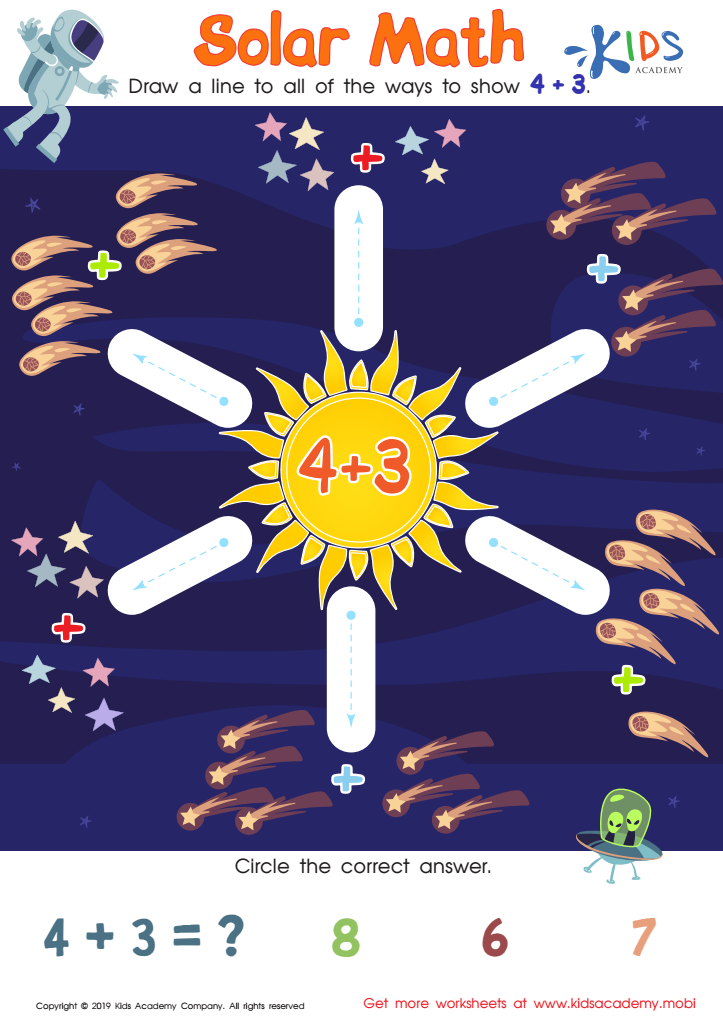
Solar Math Worksheet
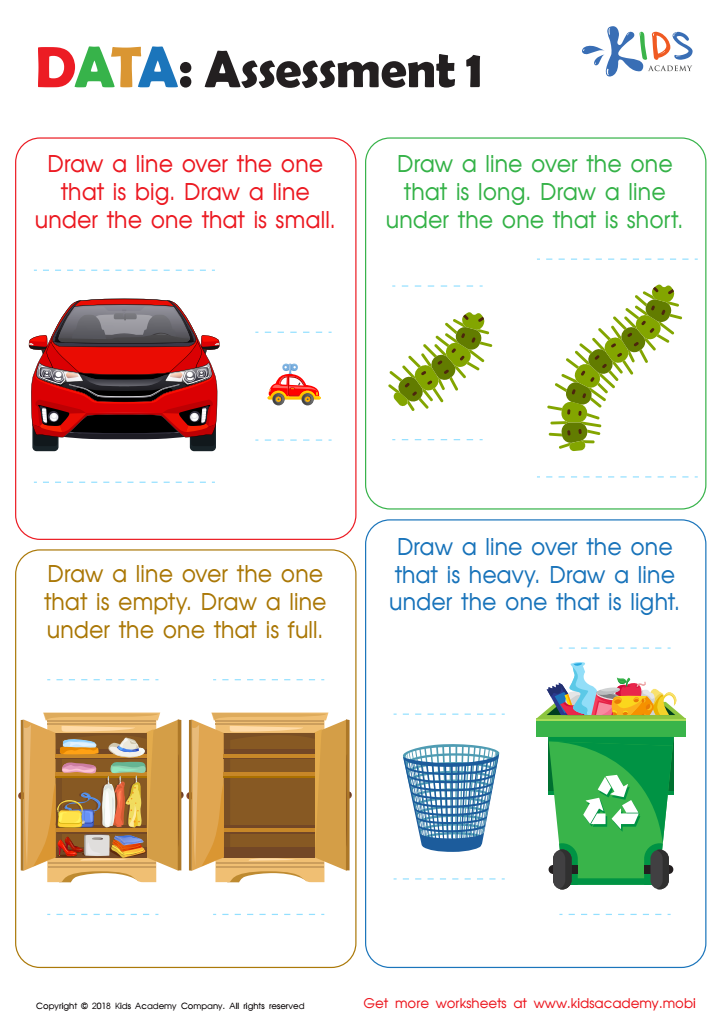
Data: Assessment 1 Worksheet


.jpg)





Mathematical problem-solving for children aged 3-4 is critical for their overall cognitive development and lays the foundation for future learning. At this age, children are naturally curious and eager to explore their environment. Engaging them in problem-solving activities nurtures their critical thinking, reasoning abilities, and creativity. These skills are not only essential for mathematics but also for everyday decision-making and challenges they will face throughout their lives.
Parents and teachers should also recognize that early mathematical experiences help children develop a positive attitude towards math. When children engage in fun, age-appropriate problem-solving tasks, such as counting objects, sorting shapes, or simple addition through play, they begin to see math as an enjoyable and integral part of life. This early exposure reduces math anxiety and promotes confidence as they progress in their schooling.
Moreover, fostering early mathematical skills supports language development, as children learn to articulate their thoughts and negotiate with peers during problem-solving activities. This holistic development benefits children academically, socially, and emotionally, making it essential for caregivers to actively incorporate mathematical problem-solving in everyday learning experiences. Investing time from ages 3-4 will pave the way for enthusiastic, capable learners in their educational journey.








