Number formation Worksheets for Ages 3-4
3 filtered results
-
From - To
Discover our engaging Number Formation Worksheets designed specifically for children ages 3-4! These fun and interactive resources help young learners develop essential early math skills as they practice writing numbers. Our worksheets provide colorful illustrations and guided exercises that promote correct number formation, fostering fine motor skills and hand-eye coordination. Ideal for both home and classroom use, these worksheets cultivate a positive attitude towards math from an early age. Encourage your child's confidence and excitement in learning numbers while laying a strong foundation for future math success. Download our free worksheets today and watch your little one's skills grow!
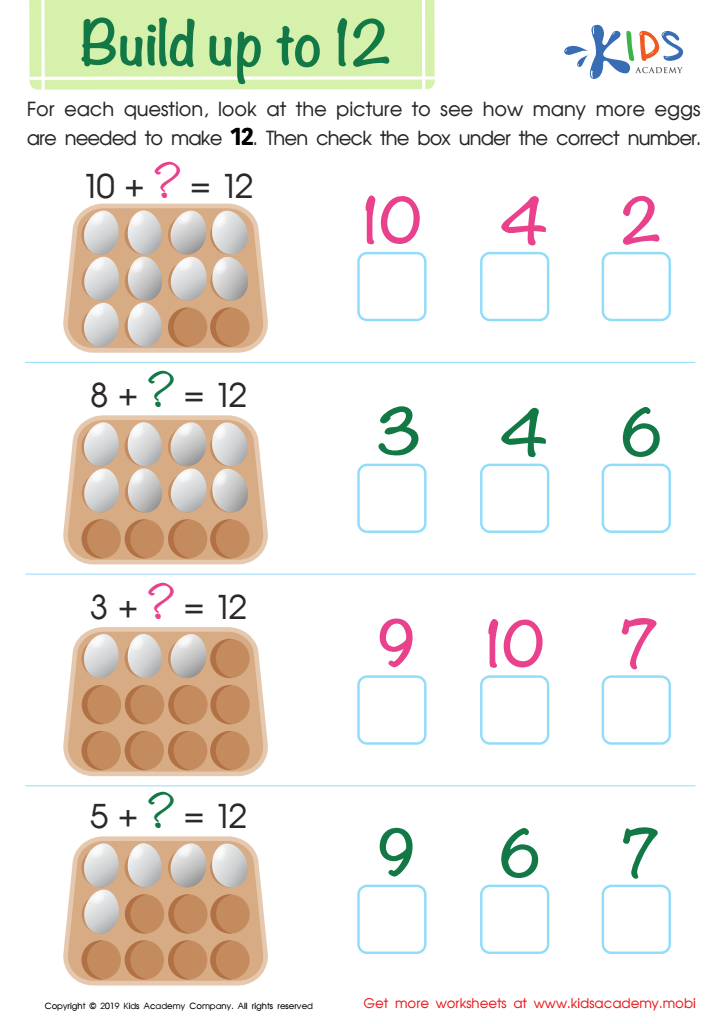
Build up to 12 Worksheet
 Assign to My Students
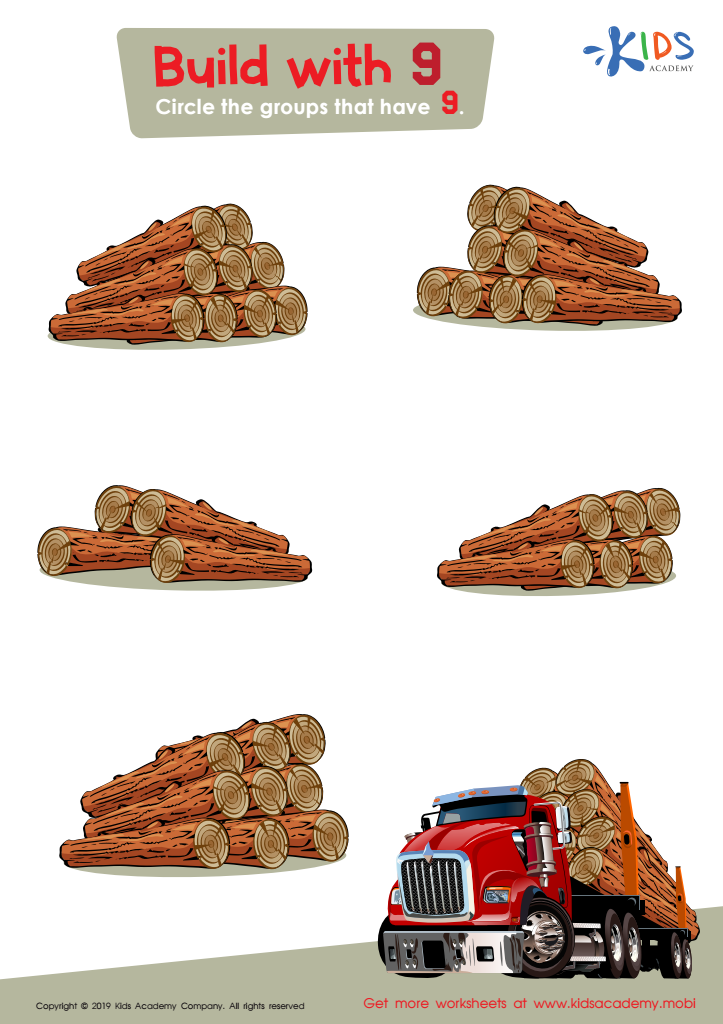
Build with 9 Worksheet
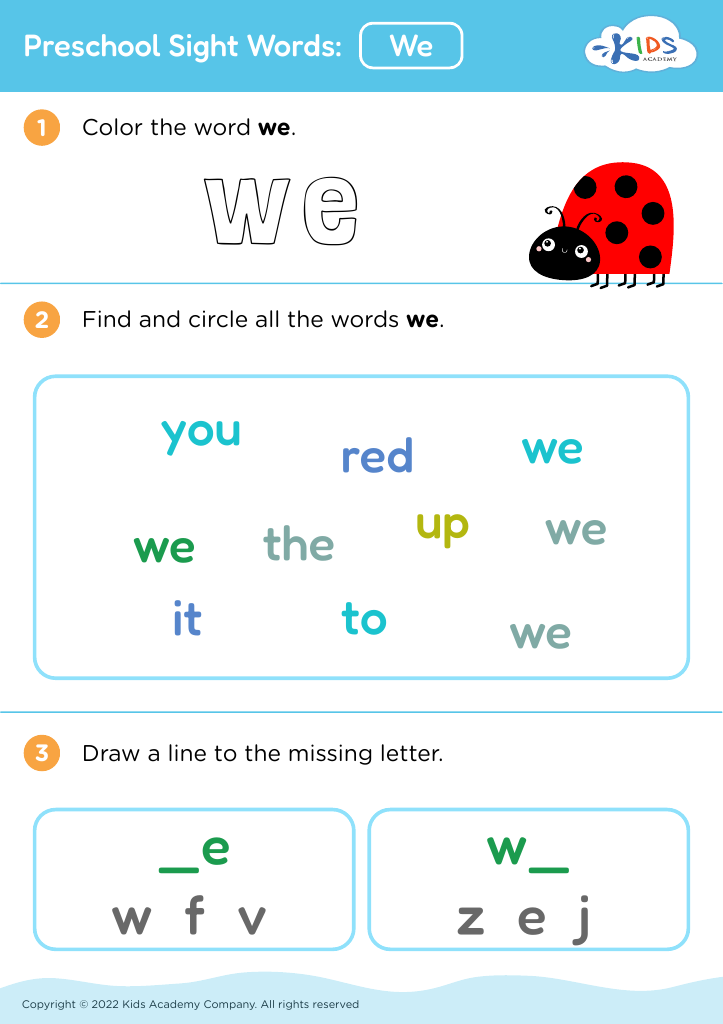








Number formation for ages 3-4 is critical because it lays the foundation for mathematical understanding and literacy in young children. At this developmental stage, children are not only starting to recognize numbers, but they are also beginning to understand the concepts behind them. Proper number formation aids in promoting fine motor skills, coordination, and cognitive development. When children learn to write numbers accurately, they also enhance their ability to distinguish between different numerals and understand their value.
Parents and teachers should prioritize number formation because it builds confidence. Children who master this skill are more likely to feel empowered in their math abilities, encouraging them to engage in more complex mathematical concepts as they progress in school. Additionally, teaching correct number formation can prevent misconceptions that may be difficult to correct later on.
Furthermore, integrating playful and engaging activities—like using clay or finger paints—makes the learning process enjoyable, reinforcing positive associations with mathematics. The support and encouragement of adults in this essential learning phase create a strong positive attitude toward math that benefits children throughout their schooling and lifelong learning journeys. Ultimately, fostering the skills of number formation sets the stage for success in a child’s academic path.








