Understanding directions Worksheets for Ages 3-4
9 filtered results
-
From - To
Explore our 'Understanding Directions Worksheets for Ages 3-4,' meticulously designed to spark your toddler's cognitive and motor skills development. These fun and engaging worksheets guide young learners through basic task-oriented exercises, enhancing their ability to follow directions and understand positions like 'above,' 'below,' 'left,' and 'right.' Each activity is tailored to captivate preschoolers, making learning interactive and enjoyable while laying down the fundamental groundwork for future academic success. Perfect for effective early years practice at home or in preschool settings, our worksheets are essential tools for fostering directional awareness and confident, independent learners.
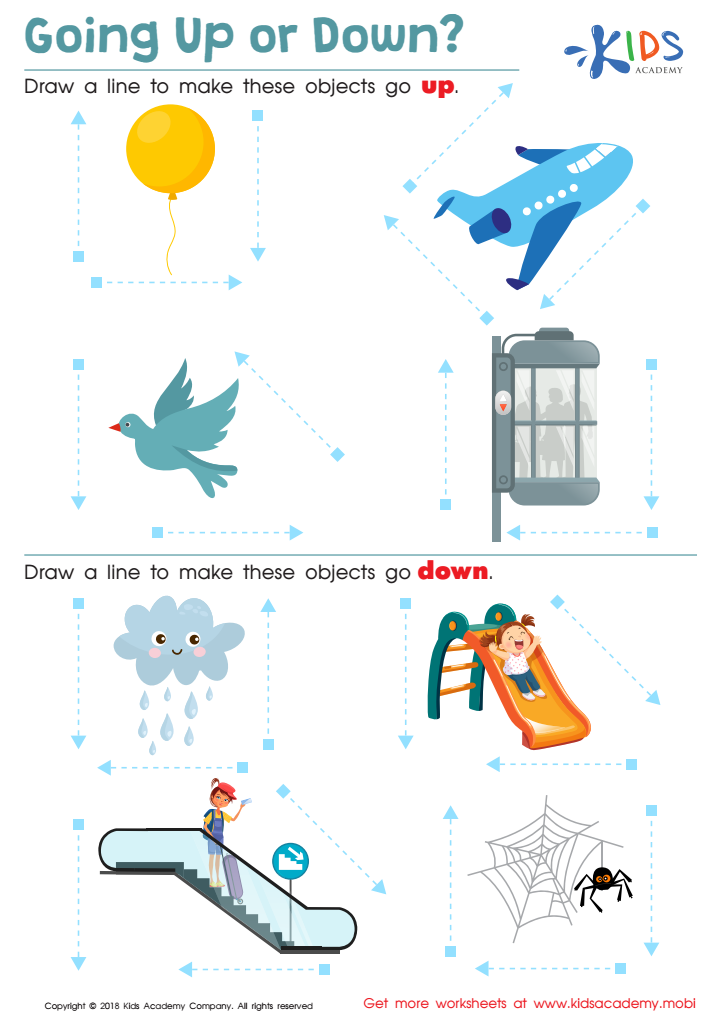
Going up or Down? Worksheet
 Assign to My Students
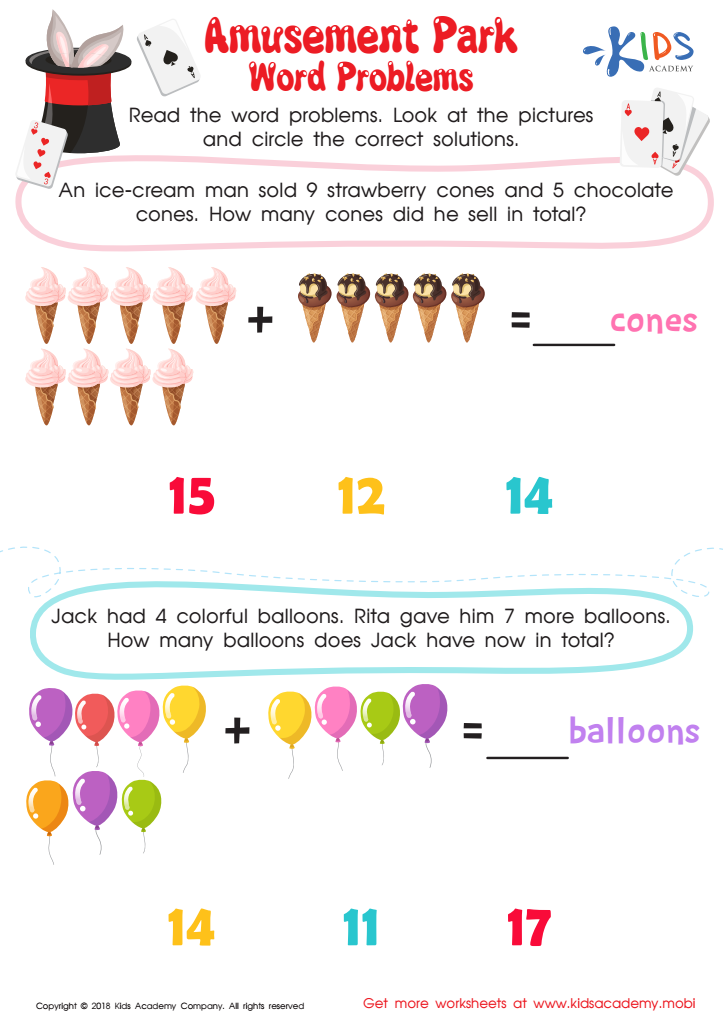
Amusement Park Word Problems Worksheet
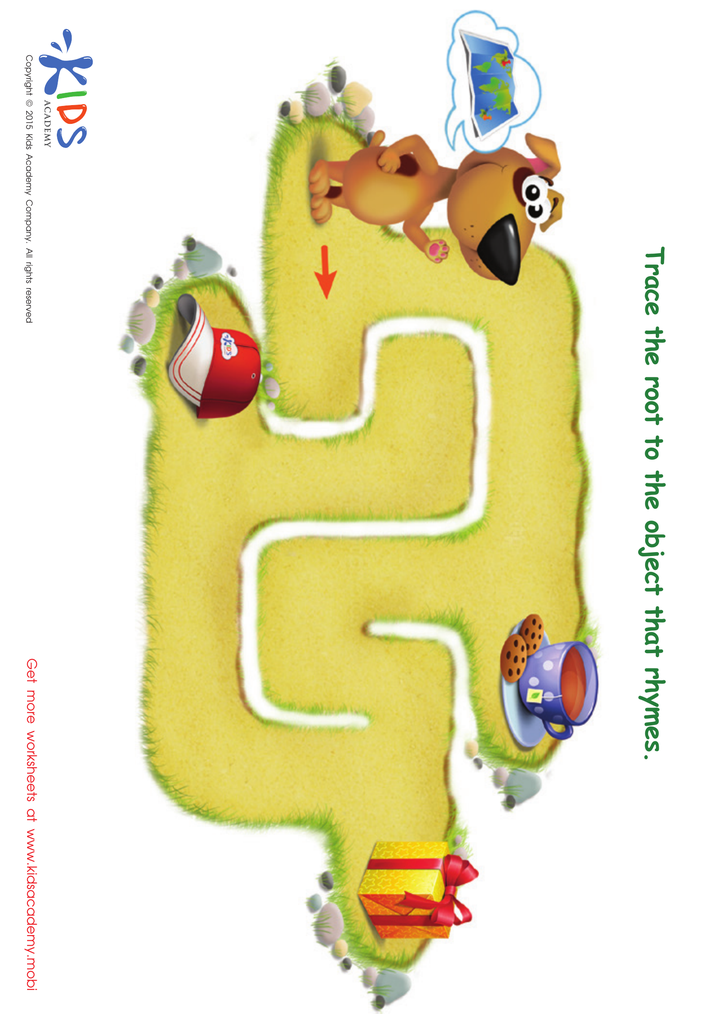
Map Rhyming Words Worksheet
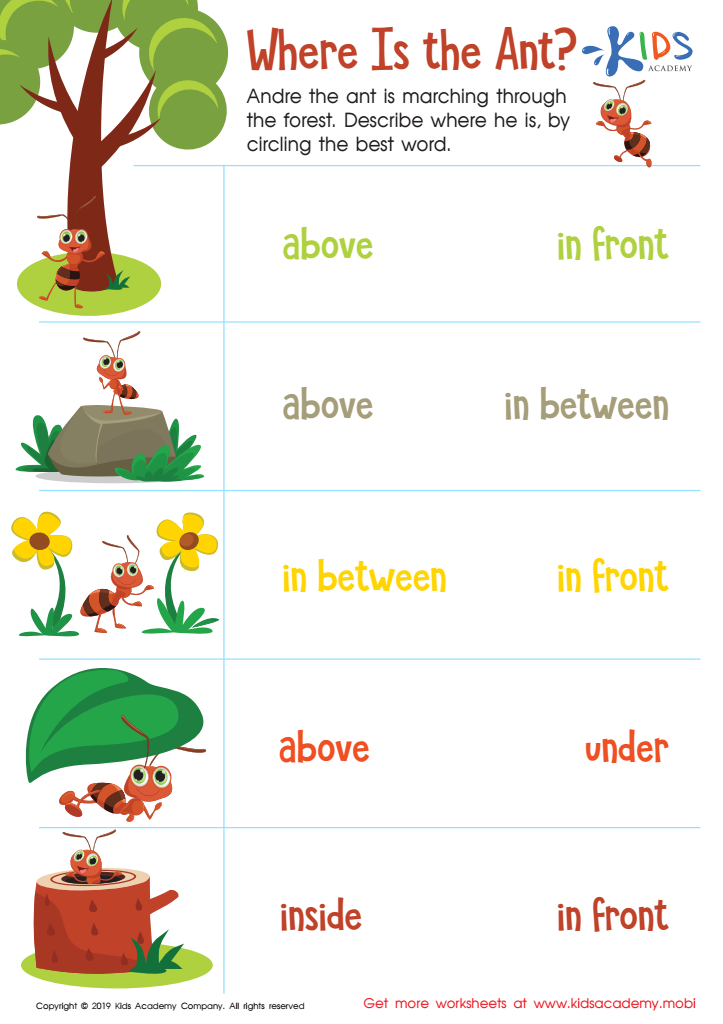
Where Is the Ant? Worksheet
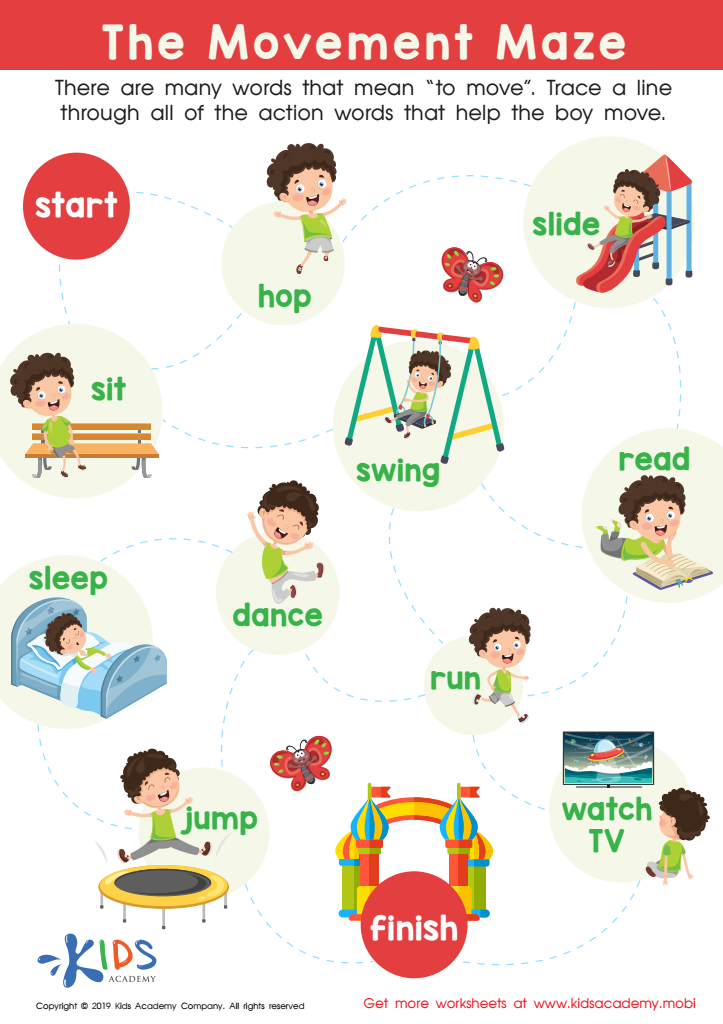
The Movement Maze Worksheet
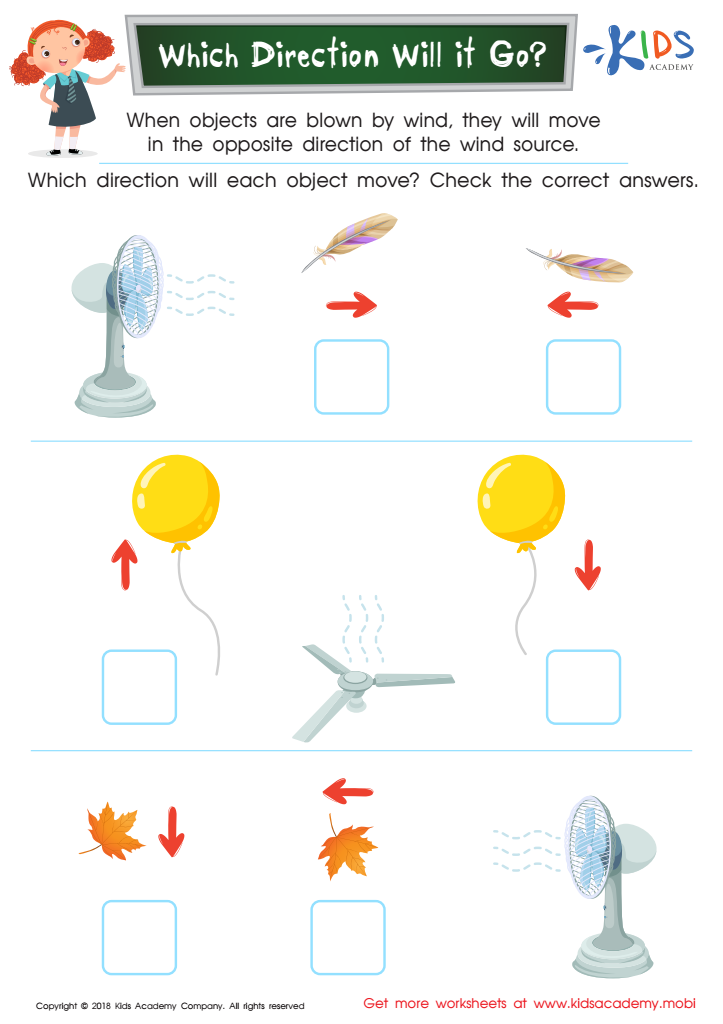
Which Direction Will it Go? Worksheet
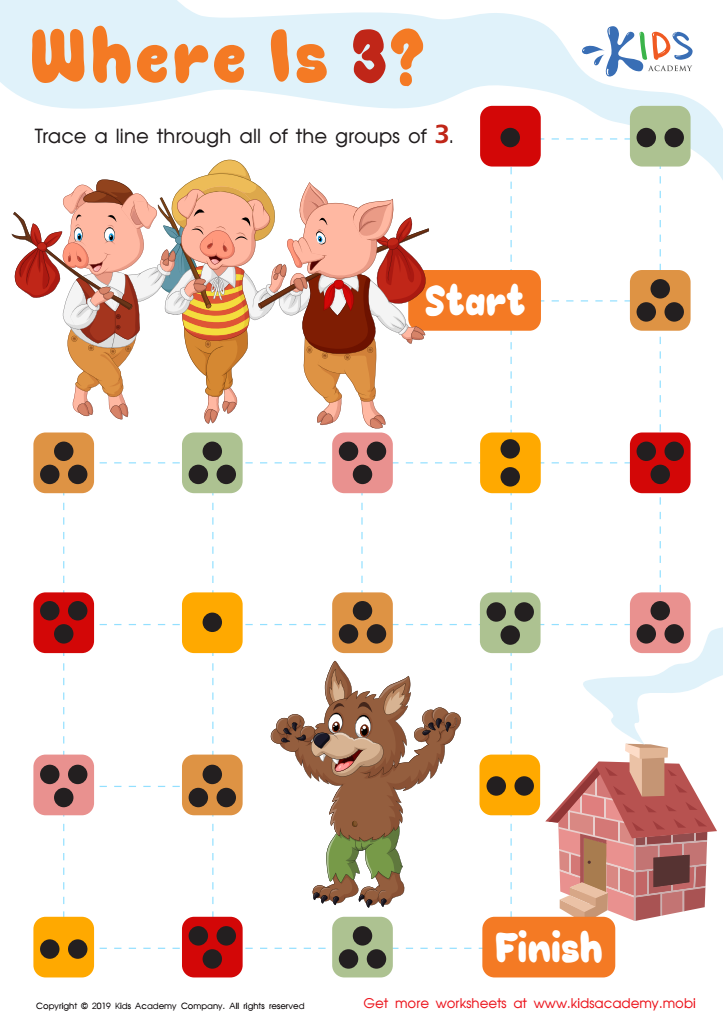
Where Is 3? Worksheet
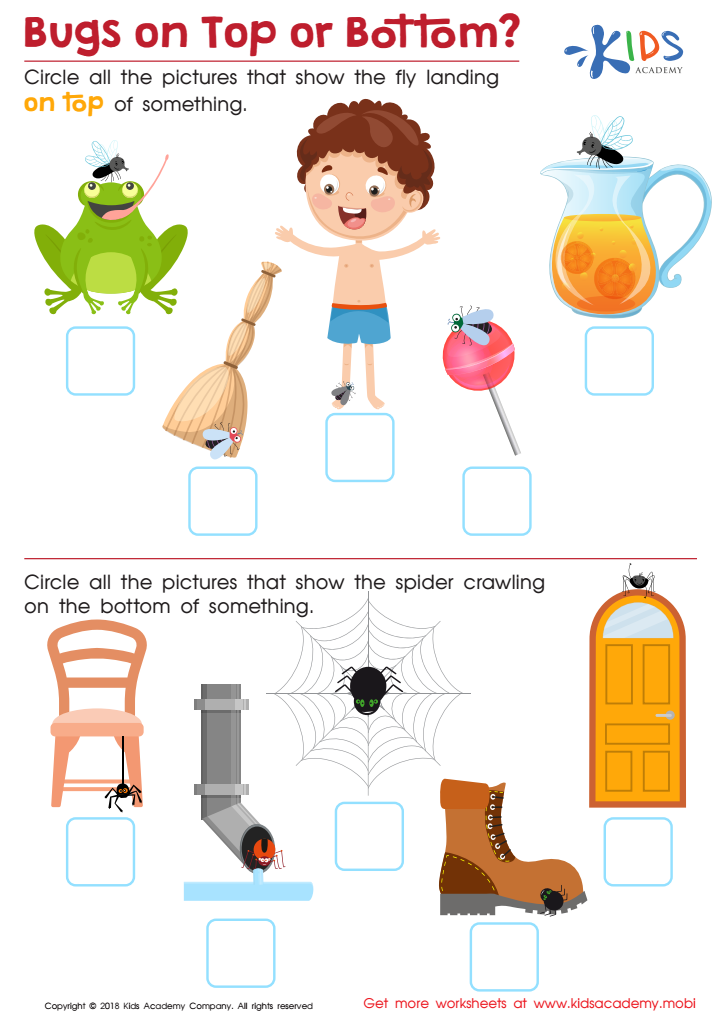
Bugs on Top or Bottom? Worksheet
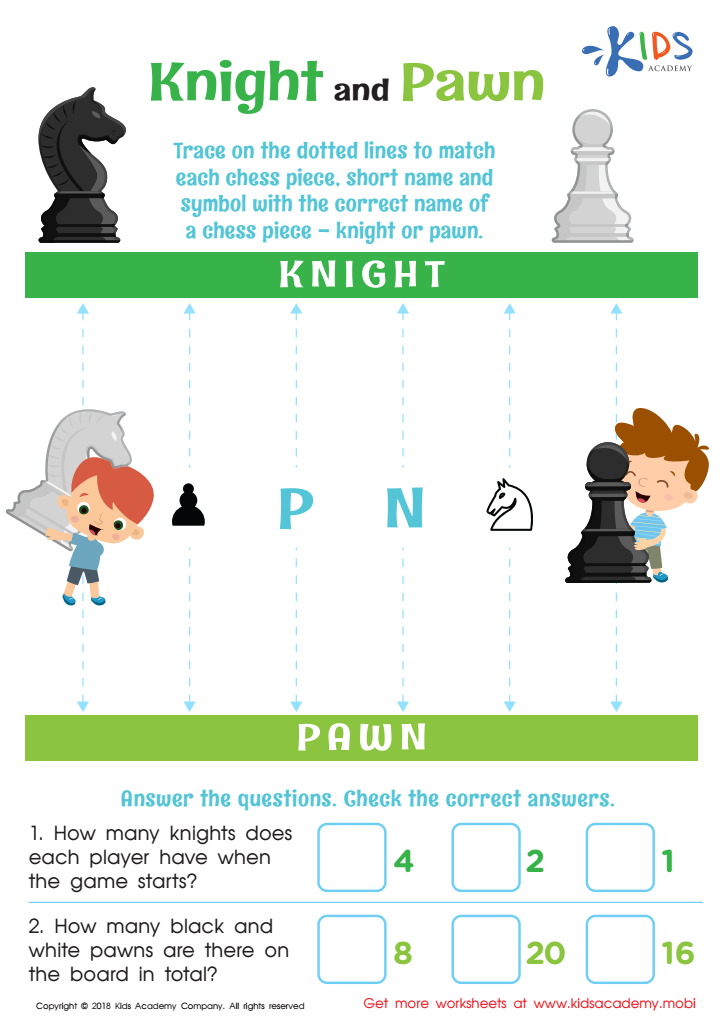
Knight and Pawn Worksheet








Understanding directions is crucial for children aged 3-4 because it lays the foundation for essential life skills and future academic success. At this young age, children are rapidly developing cognitive and linguistic abilities. Following directions helps them enhance their listening skills, which are critical for effective communication. For instance, being able to follow simple two-step directions like "pick up the toy and put it on the shelf" can boost their ability to comprehend and execute tasks.
Moreover, following directions plays a significant role in creating a structured and safe environment. It teaches children about routines and expectations, helping them adapt to social norms both at home and in early educational settings. This skill is particularly beneficial in group settings such as preschool, where listening and responding to teachers' instructions are part of the daily routine.
Additionally, understanding directions aids in the development of problem-solving and critical thinking skills. Children learn to process information, remember instructions, and apply them to different scenarios. This enhances their capacity to handle more complex tasks as they grow older.
Ultimately, fostering the ability to understand and follow directions in young children contributes to their emotional and social development. It builds their confidence and independence, preparing them for future challenges in both academic and everyday life. Therefore, parents and teachers should prioritize cultivating this vital skill.








