
Color recognition Mazes Worksheets for Ages 3-4
4 filtered results
Difficulty Level
Grade
Age
-
From - To
Subject
Activity
Standards
Welcome to our engaging Color Recognition Mazes Worksheets designed specifically for children aged 3-4! These fun and interactive mazes help young learners develop essential color identification skills while enhancing their fine motor abilities. Each worksheet features vibrant, colorful pathways that guide children as they navigate through exciting puzzles. Ideal for at-home learning or classroom activities, our mazes encourage critical thinking and problem-solving in an enjoyable way. The combination of play and education makes color recognition delightful for your little ones. Explore our collection today and watch your child’s confidence and creativity flourish as they discover the world of colors!
Favorites
With answer key
Interactive
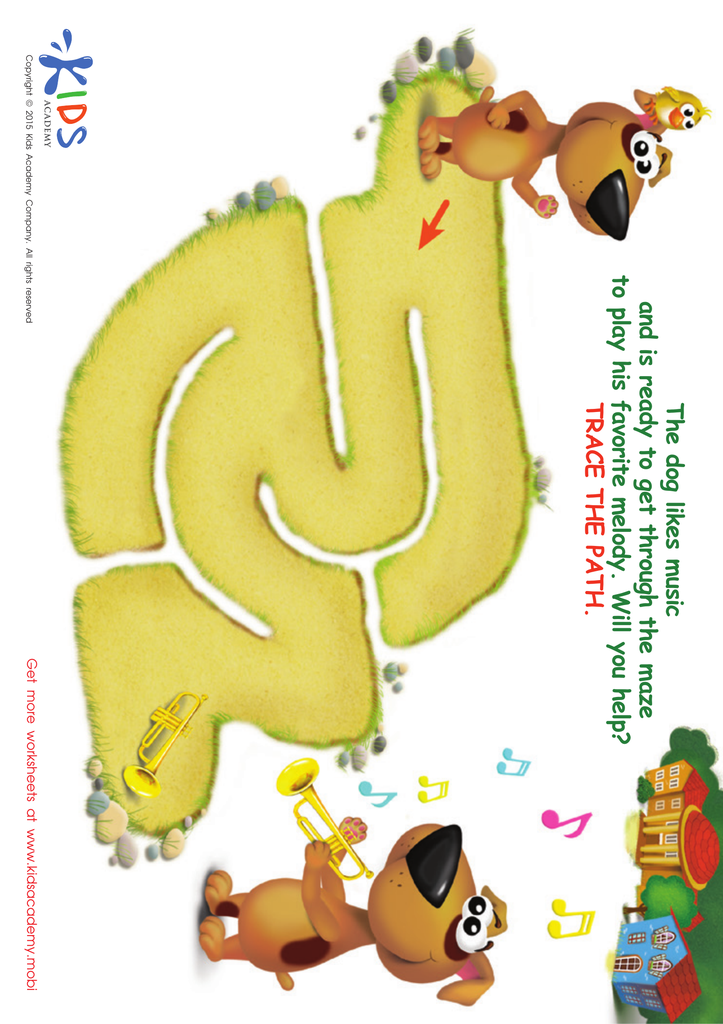
Trumpeter Maze Worksheet
Help your kid to find the way out of the maze to hear their favorite melody! Visit Kids Academy now and explore plenty of fun and educational resources.
Trumpeter Maze Worksheet
Worksheet
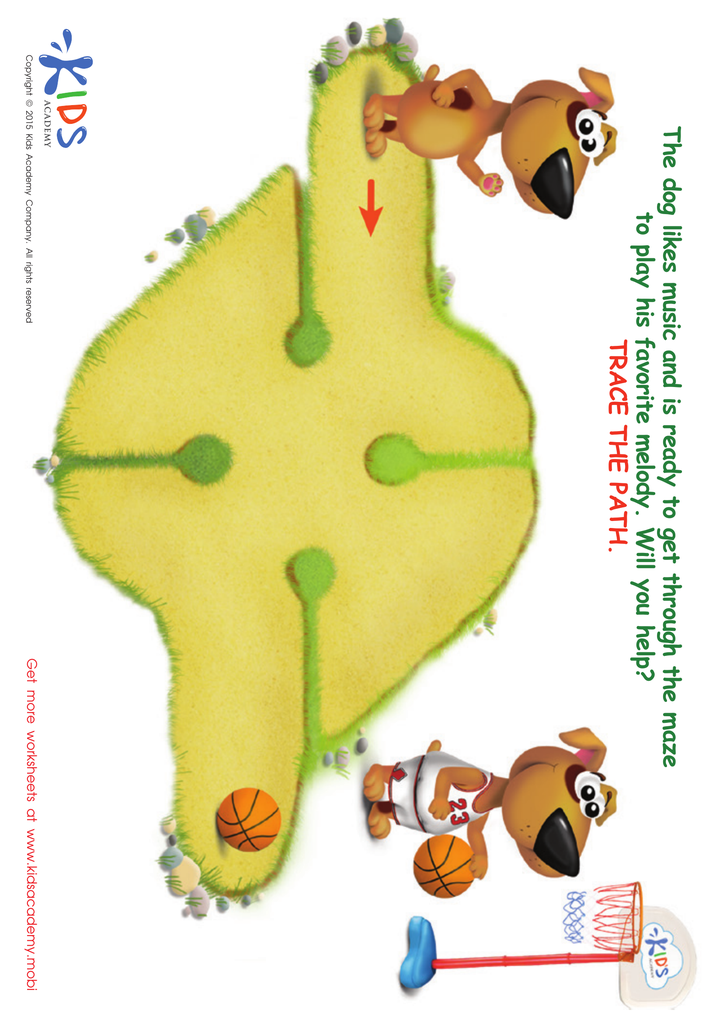
Basketball Player Maze Worksheet
Test your skills with our new printable maze worksheets, and help the little dog get his basketball! Trace the path carefully to get the ball and play together.
Basketball Player Maze Worksheet
Worksheet
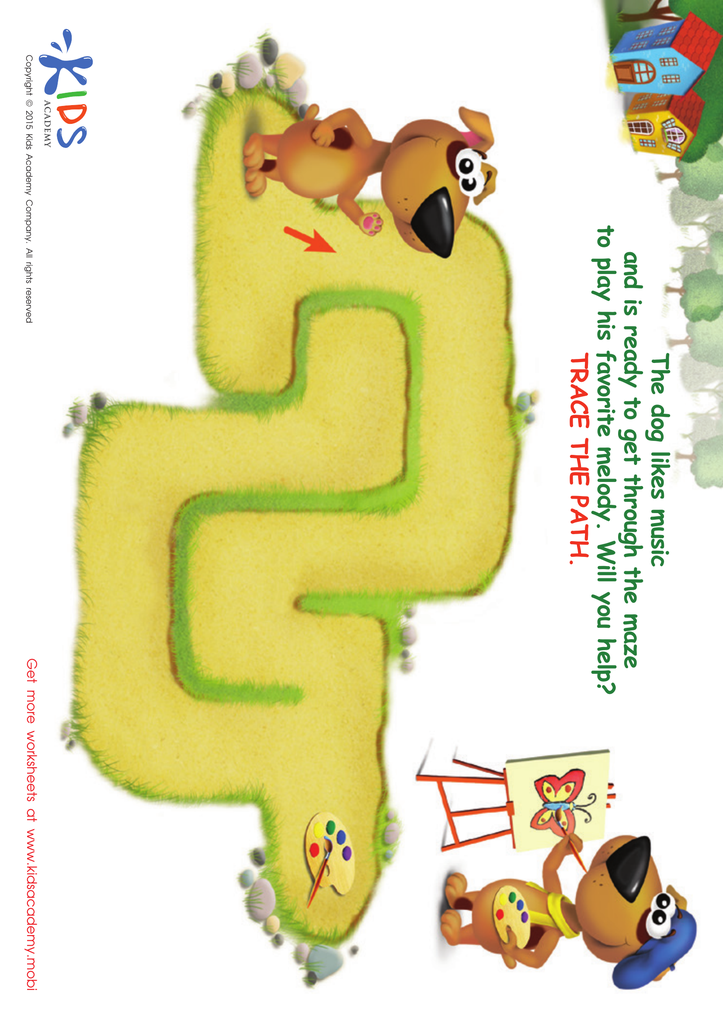
Artist Maze Worksheet
Try this new maze worksheet to help your child develop problem-solving skills. Let the pup traverse the path and create a masterpiece with the brush and paints on the other side! Give it a go now.
Artist Maze Worksheet
Worksheet
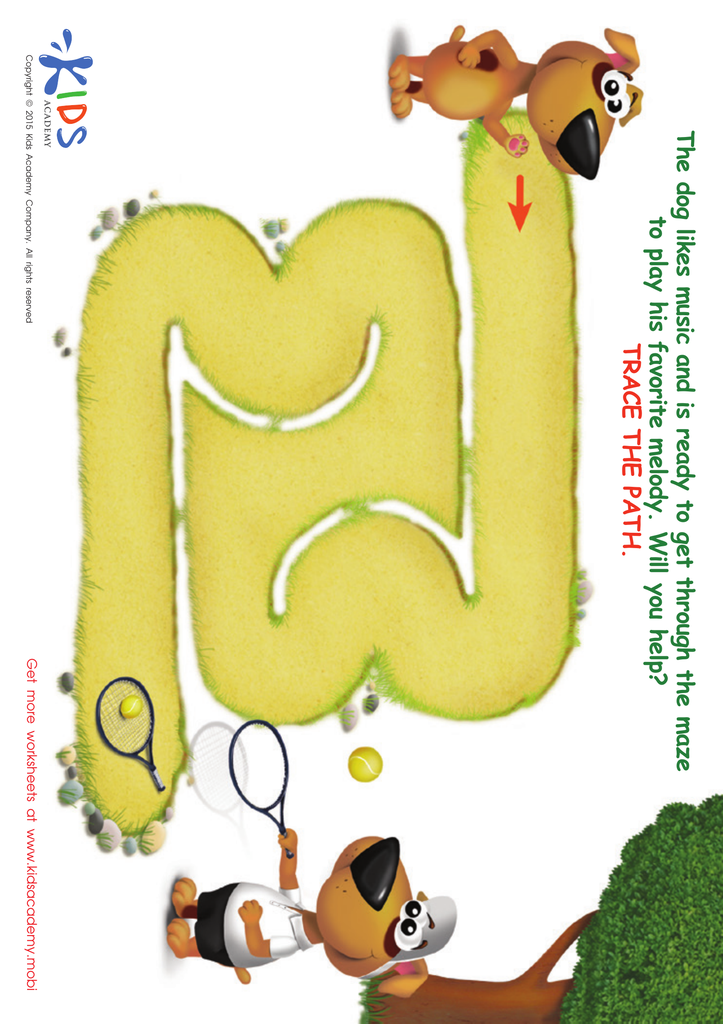
Tennis Player Maze Worksheet
Get them now and play together with your kids! Trace paths and help the dog find the racquets and balls. Fun and learning await.
Tennis Player Maze Worksheet
Worksheet
Join Kids Academy for Free
Who is primarily going to use this learning content?


Color recognition mazes for children aged 3-4 offer a vibrant approach to early learning, capturing the attention and imagination of young learners. At this developmental stage, kids are naturally inclined to explore and engage in hands-on activities that enhance their understanding of the world. By incorporating color recognition into maze activities, parents and teachers can seamlessly integrate skill-building with playful learning.
Mazes promote critical thinking, problem-solving, and fine motor skills as children navigate pathways while identifying different colors. This blend of cognitive challenges not only strengthens their ability to recognize and differentiate colors but also encourages concentration and perseverance. Additionally, these activities provide an excellent opportunity for social interaction, whether through guided play with peers or educational support from parents and educators.
Furthermore, color recognition serves as a foundational skill for early literacy and numeracy. When children can identify colors confidently, they become more adept at recognizing patterns, sequences, and even letters in later stages. In essence, color recognition mazes are a wonderful tool that enriches children's learning experiences while promoting essential skills that prepare them for future academic success. Engaging with such resources helps nurture well-rounded, curious learners—a priority for every parent and educator.








