Hand-eye Coordination Mazes Worksheets for Ages 3-4
3 filtered results
-
From - To
Enhance your child's hand-eye coordination with our engaging mazes worksheets designed for ages 3-4! Our collection helps young learners develop essential motor skills while providing a fun, interactive experience. Each maze encourages focus and precision as children navigate paths with pencils or crayons, promoting hand dexterity and visual tracking. These worksheets are perfect for rainy days, classroom activities, or homeschooling, making learning enjoyable and effective. With colorful designs and varying difficulty levels, kids will love the challenge of completing each maze. Download our hand-eye coordination mazes worksheets today and watch your child's skills flourish through playful learning!
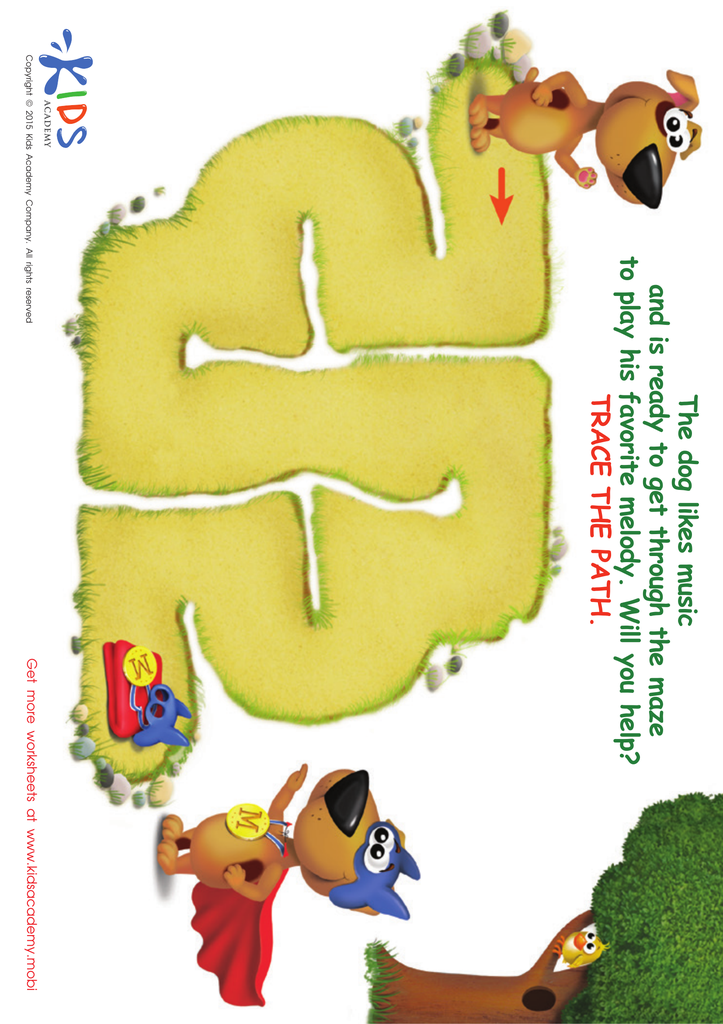
Superman Maze Worksheet
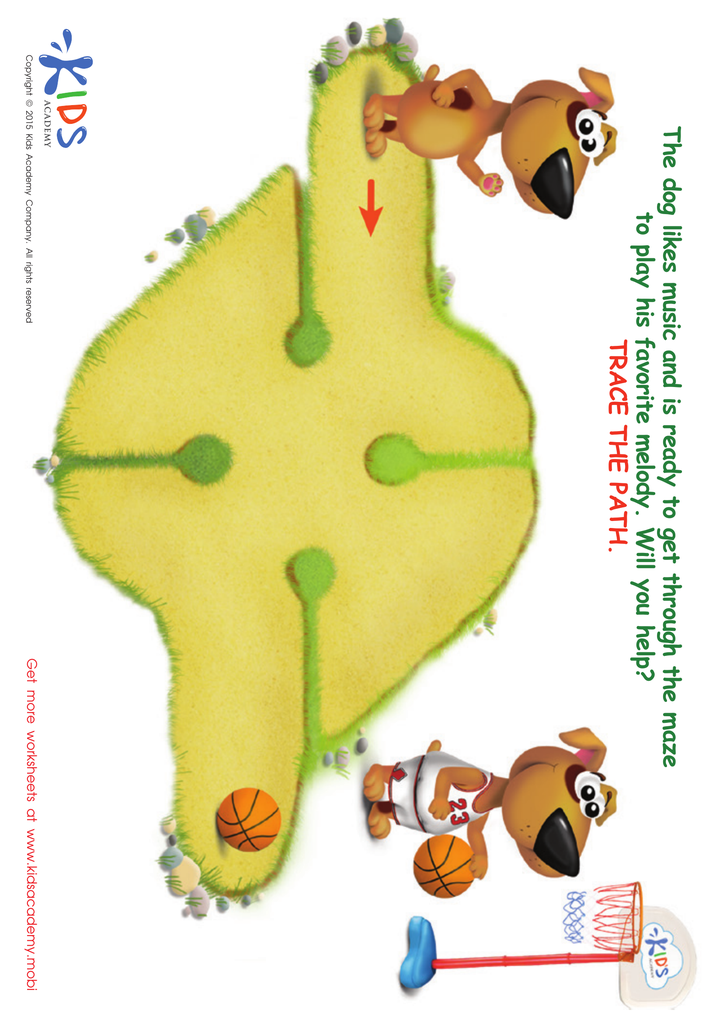
Basketball Player Maze Worksheet
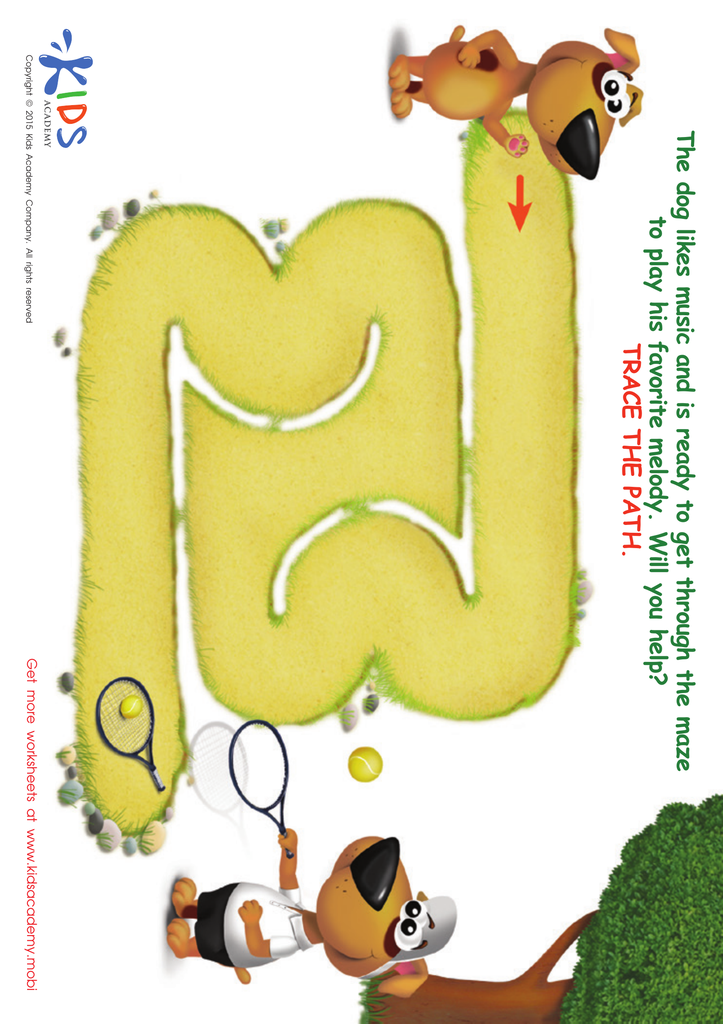
Tennis Player Maze Worksheet


Parents and teachers should prioritize hand-eye coordination mazes for children aged 3-4 due to their significant developmental benefits. At this age, children's fine motor skills are rapidly developing. Engaging in mazes allows them to practice and enhance these skills by using a pencil, crayon, or even their fingers to navigate pathways. This not only improves their dexterity but also strengthens the muscles in their hands and fingers, laying a foundation for future writing skills.
Mazes require children to focus and concentrate, fostering their cognitive development. As they plan their path and solve the maze, they develop problem-solving skills and spatial awareness—critical components in their overall learning journey. Moreover, completing these challenges instills a sense of accomplishment and boosts self-esteem, encouraging them to tackle more complex tasks.
Additionally, mazes incorporate elements of play, making learning fun and engaging. They cultivate patience, persistence, and the ability to relax when solutions are not immediately apparent. By incorporating hand-eye coordination mazes into daily activities, parents and teachers can support motor skill development, cognitive growth, and emotional resilience, ultimately providing children with the tools they need for future academic success.








