Understanding numeracy Addition & Subtraction Worksheets for Ages 3-4
4 filtered results
-
From - To
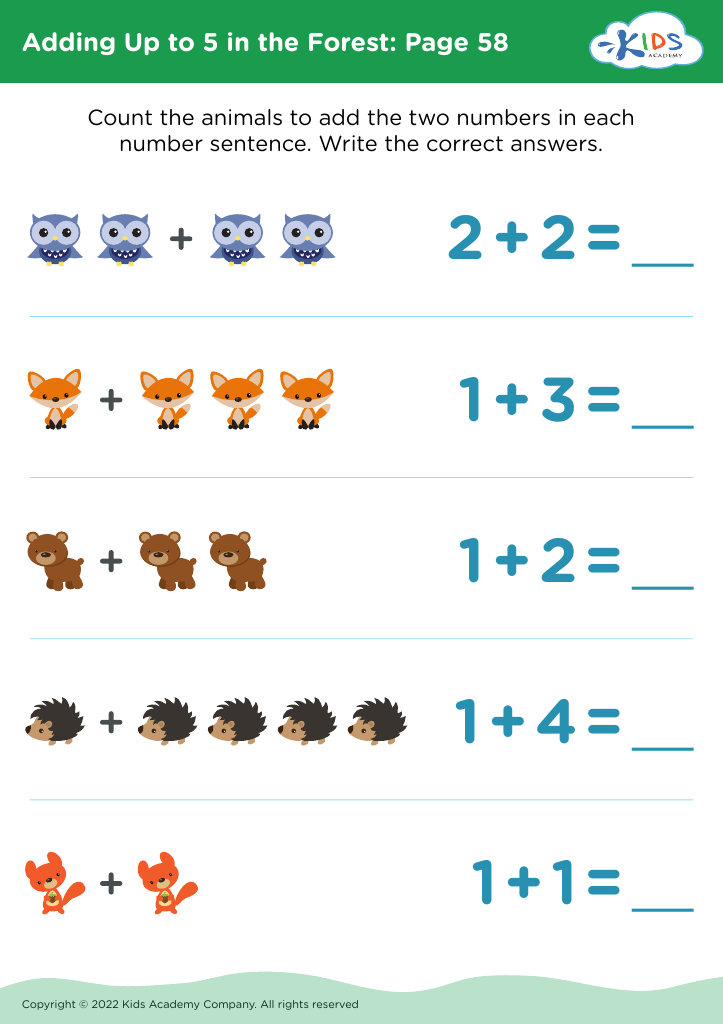
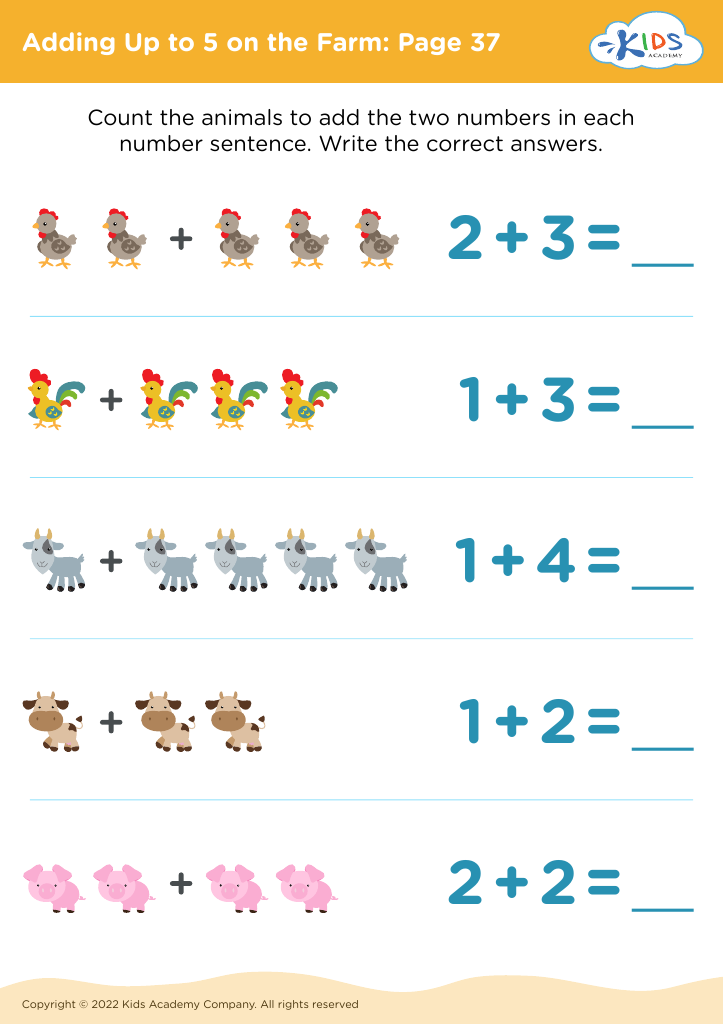
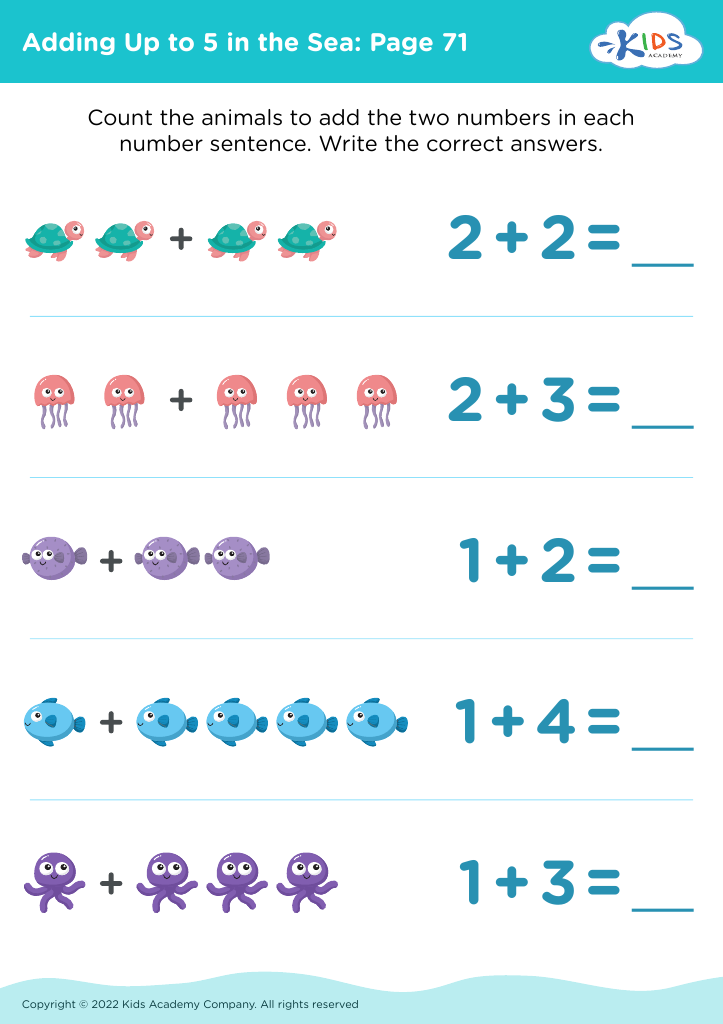
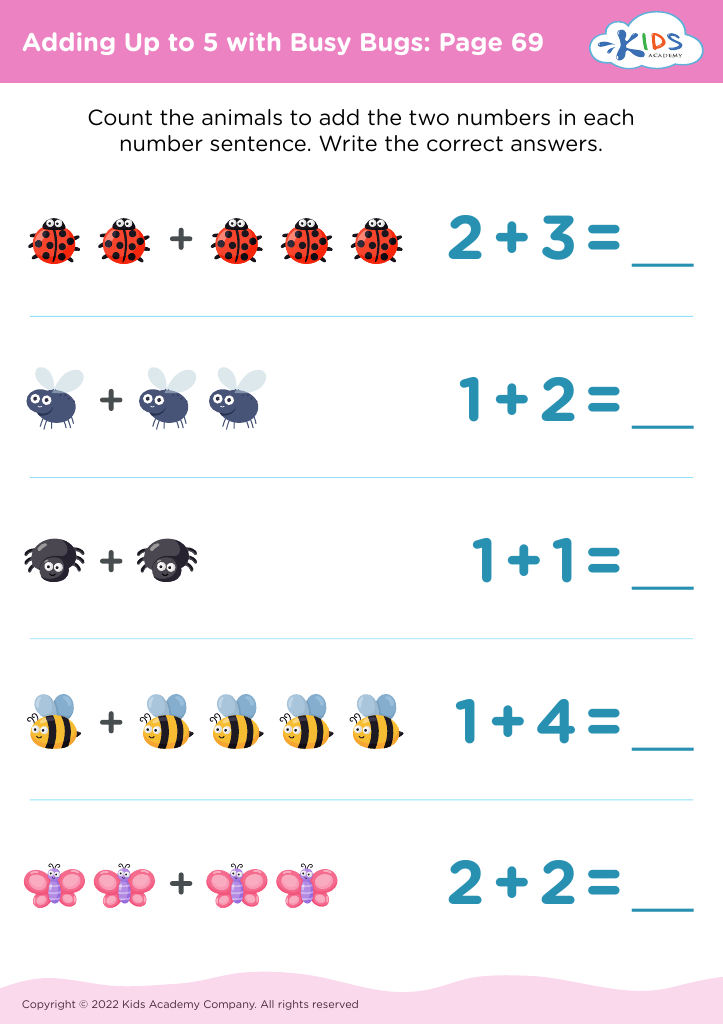
Discover our engaging "Understanding Numeracy Addition & Subtraction Worksheets" for ages 3-4 at Kids Academy! Designed to build foundational math skills, these fun, colorful worksheets introduce young learners to fundamental arithmetic concepts. Each activity is crafted to encourage early numeracy, making addition and subtraction relatable and enjoyable. The easy-to-follow exercises help children develop confidence and boost their problem-solving abilities. Perfect for preschoolers, these worksheets offer an exciting way to practice math at home or in the classroom, ensuring a successful start to their educational journey. Visit our page for a wide array of resources tailored to young minds!








Understanding numeracy, particularly addition and subtraction, at ages 3-4 is crucial for a child’s early cognitive development. Children begin developing foundational mathematical skills through playful activities, such as counting toys or recognizing patterns in daily routines. At this age, they start to grasp the concepts of adding to or taking away from a group, laying the groundwork for more complex mathematical understanding in later years.
Parents and teachers should prioritize this because early numeracy skills strongly predict future academic achievement. Proficiency in basic addition and subtraction fosters critical thinking, problem-solving skills, and logical reasoning. These abilities extend beyond math, enhancing performance in other subject areas and everyday life.
Making math engaging at an early age can also spark a lifelong interest in the subject. Positive early experiences with numeracy build confidence, ensuring children approach future challenges with a can-do attitude. Incorporating simple, fun activities like counting steps or sharing apples equally among friends makes learning intuitive and enjoyable.
Moreover, neglecting these skills can lead to gaps that might impede the child’s educational progress. Timely support ensures that children aren't left behind and can keep pace with their peers. Thus, understanding and supporting early numeracy is essential for setting up a strong educational foundation.








