Nature appreciation Addition Worksheets for Ages 3-4
5 filtered results
-
From - To
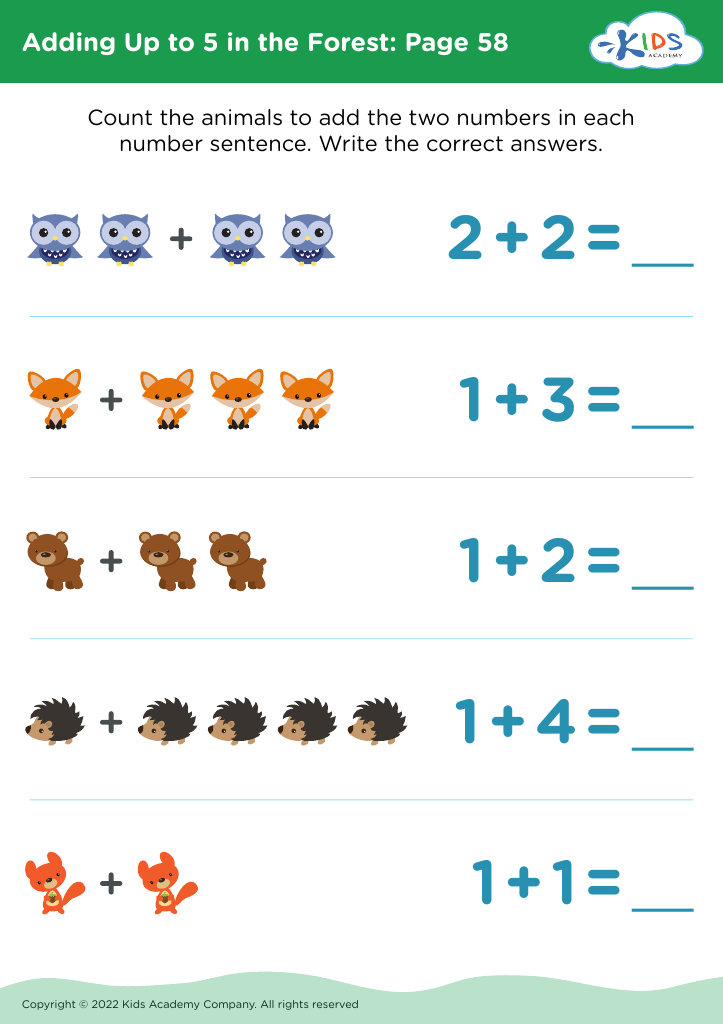
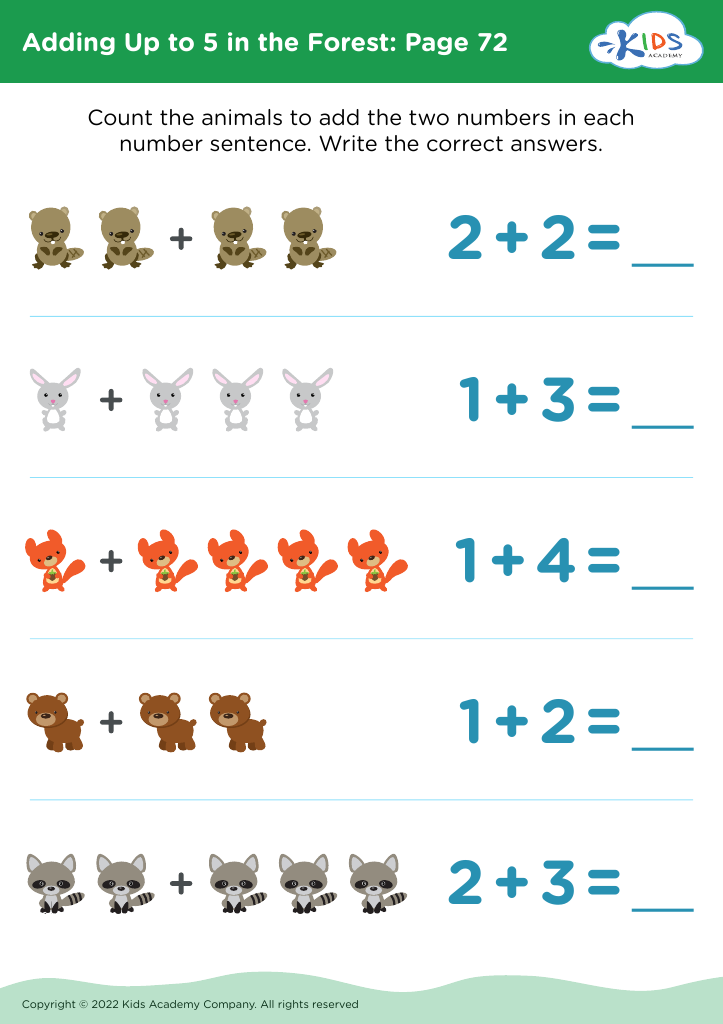
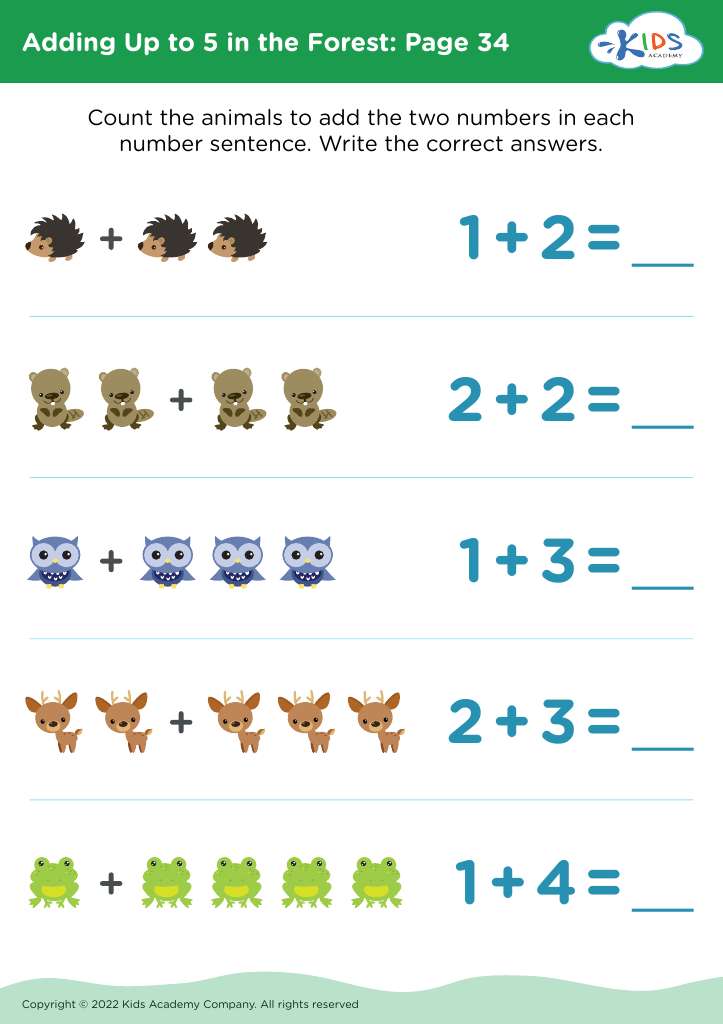
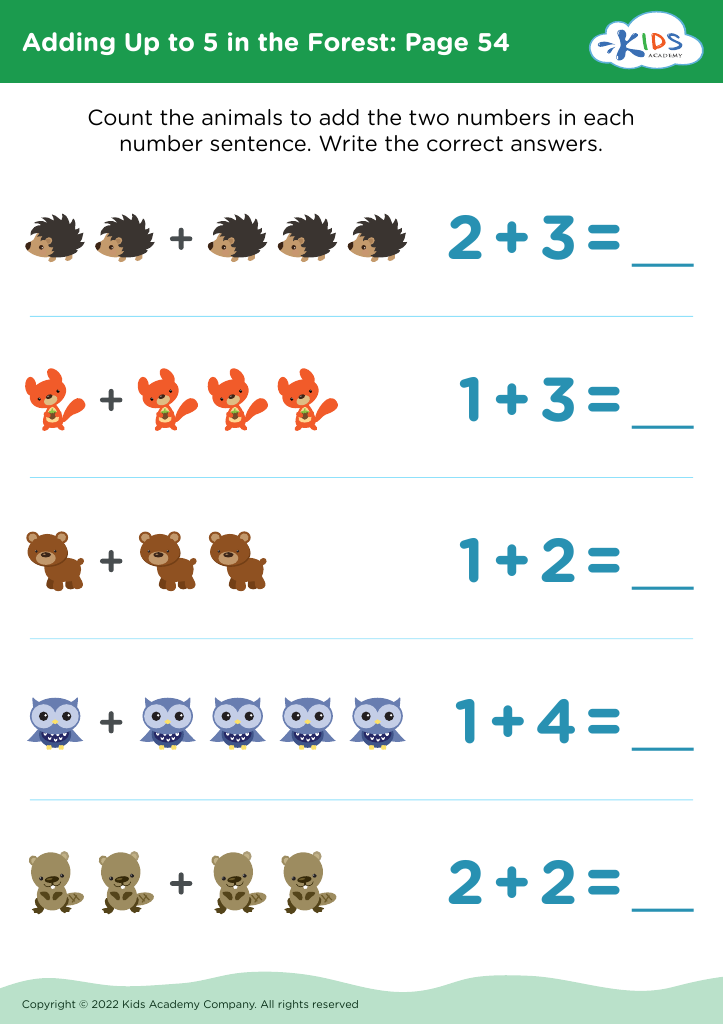
Discover our Nature Appreciation Addition Worksheets, specially designed for children ages 3-4! These engaging worksheets combine fun math activities with a love for nature, helping little learners develop essential addition skills while exploring the great outdoors. Each worksheet features vibrant images of animals, plants, and natural scenes, making math exciting and relatable. Foster a sense of curiosity about nature as your child practices counting and addition in a playful context. Perfect for at-home learning or classroom activities, these worksheets encourage creativity and critical thinking while supporting early math development. Start your child's journey in math and nature appreciation today!
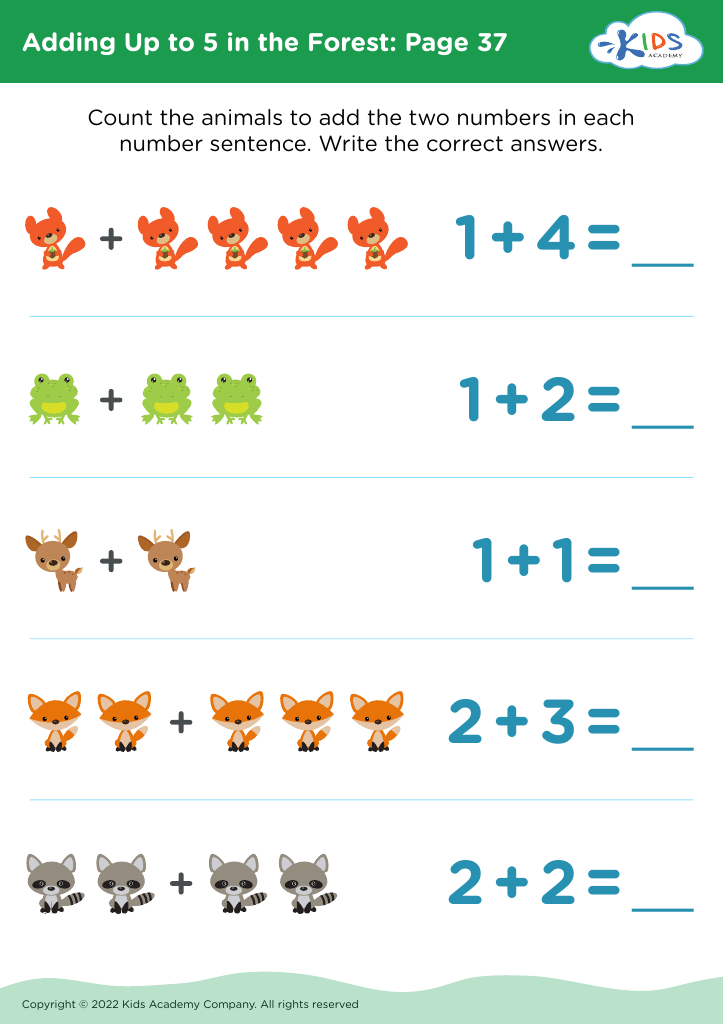








Nature appreciation is essential for children aged 3-4 as it fosters a deep connection with the environment and promotes holistic development. At this age, children are naturally curious, and engaging them in nature-based activities nurtures their wonder and enthusiasm. When parents and teachers encourage outdoor exploration, they help children develop crucial observational skills, enhancing their cognitive abilities.
Additionally, nature appreciation contributes significantly to emotional and social development. Spending time in nature can improve mood, reduce anxiety, and promote well-being. As children engage with peers in outdoor settings, they learn important social skills like cooperation, sharing, and empathy. Nature also provides an excellent backdrop for sensory experiences, which are vital for early childhood learning—children can touch, hear, see, taste, and smell their surroundings.
Furthermore, incorporating nature into early education helps instill a sense of responsibility for the environment. By teaching children about the significance of caring for nature, parents and teachers can nurture environmentally conscious citizens. Ultimately, fostering a love for nature lays the foundation for lifelong learning, curiosity, and stewardship of the planet, enriching children's lives and benefiting society as a whole.








