Basic math abilities Math Worksheets for Ages 3-4
3 filtered results
-
From - To
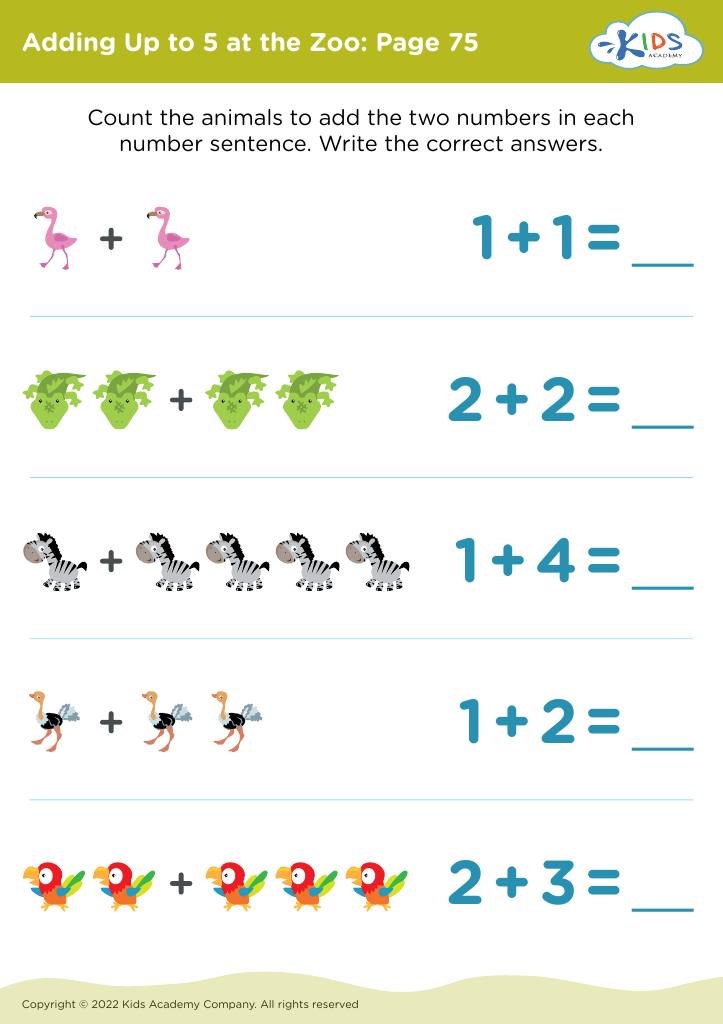
Discover our engaging Basic Math Abilities worksheets designed specifically for children aged 3-4! These worksheets provide a fun and interactive way to introduce fundamental math concepts, helping young learners develop essential skills. From counting and number recognition to simple addition and subtraction, our resources maintain your child's interest through colorful visuals and age-appropriate activities. Ideal for homeschooling or classroom use, these worksheets promote hands-on learning experiences that lay the groundwork for mathematical understanding. Encourage your little ones to explore the world of numbers and boost their confidence by downloading our Basic Math Abilities worksheets today! Perfect for early childhood education!
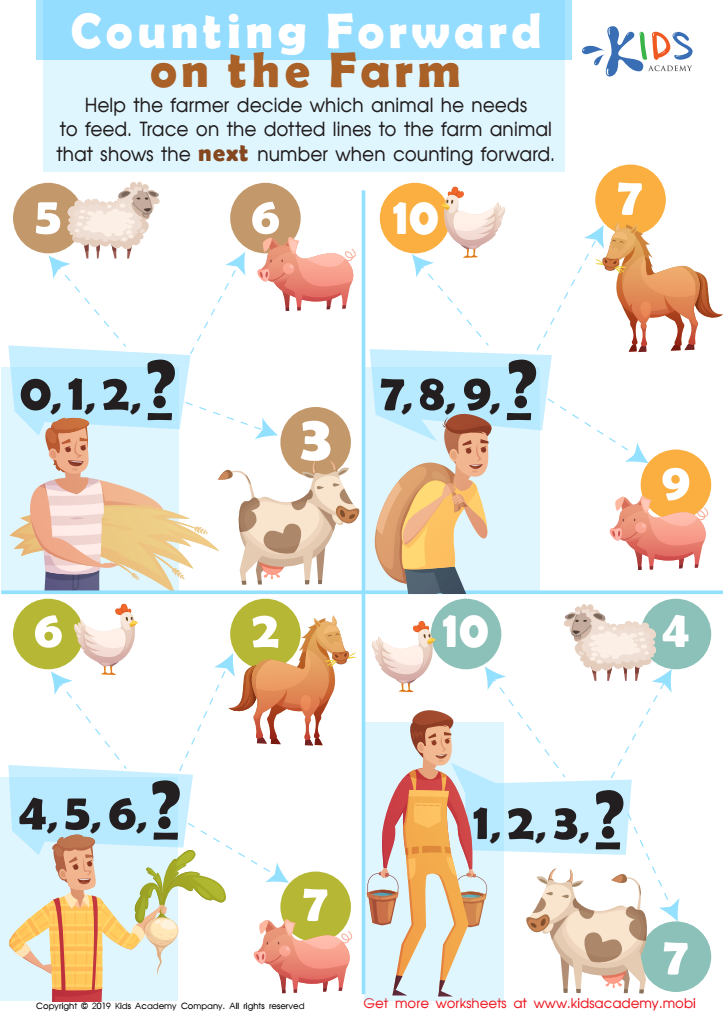
Counting Forward On the Farm Worksheet
 Assign to My Students
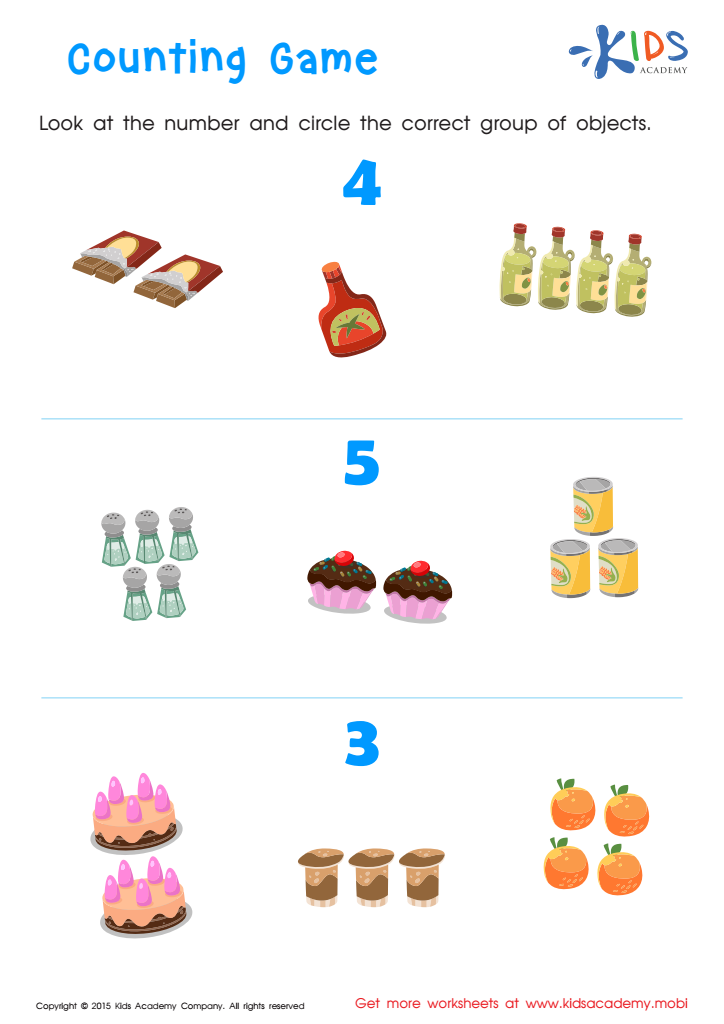
Counting Worksheet







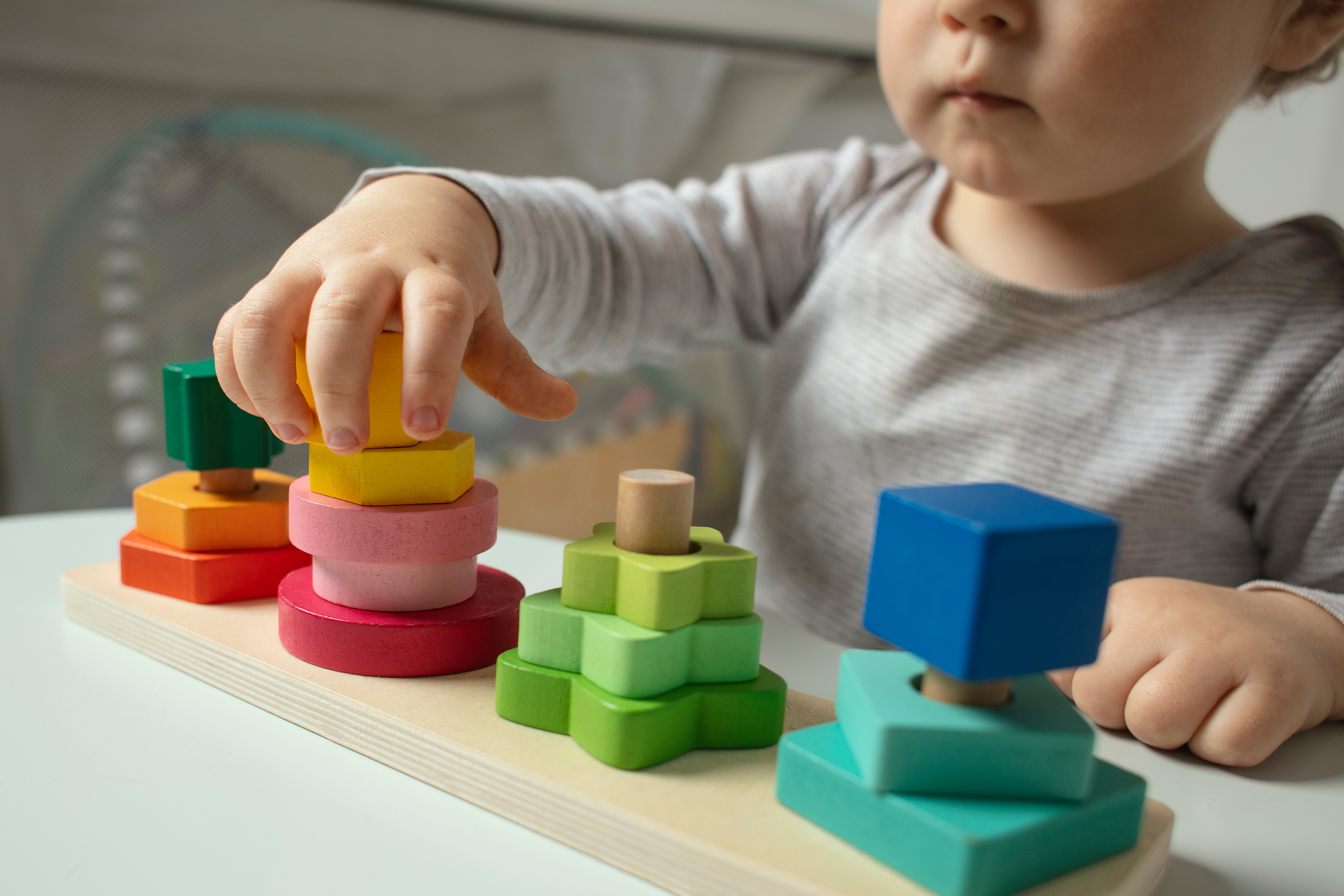
Parents and teachers should prioritize basic math abilities for children aged 3-4 because these foundational skills are crucial for future academic success and everyday life. Early exposure to math helps children develop critical reasoning and problem-solving skills. At this young age, children can learn basic concepts such as counting, recognizing shapes, and understanding comparisons, all of which promote cognitive development.
Moreover, early math experiences foster a positive attitude toward learning. Engaging in fun and interactive math-related activities can spark a child's curiosity, making them more likely to embrace challenges in the future. These skills also lay the groundwork for more complex concepts they will encounter in later grades, such as addition and subtraction.
Additionally, research has shown that strong early math abilities can predict later success in school, significantly influencing a child’s self-esteem and confidence. When parents and teachers encourage math play through everyday activities—like counting items during grocery shopping or sorting toys—they enhance children's intuitive understanding of numbers and their relationships.
Ultimately, nurturing early math skills equips children with both the tools they need for academic achievement and an appreciation for the subject, paving the way for lifelong learning and enthusiasm for mathematics.








