Problem-solving abilities Math Worksheets for Ages 3-4 - Page 2
30 filtered results
-
From - To
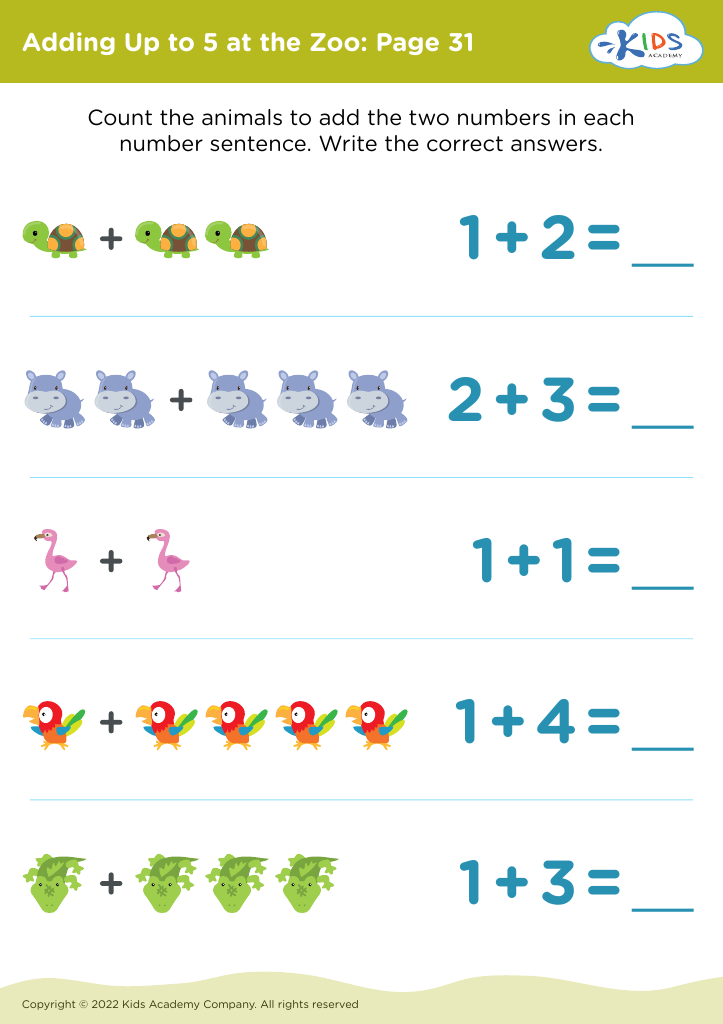

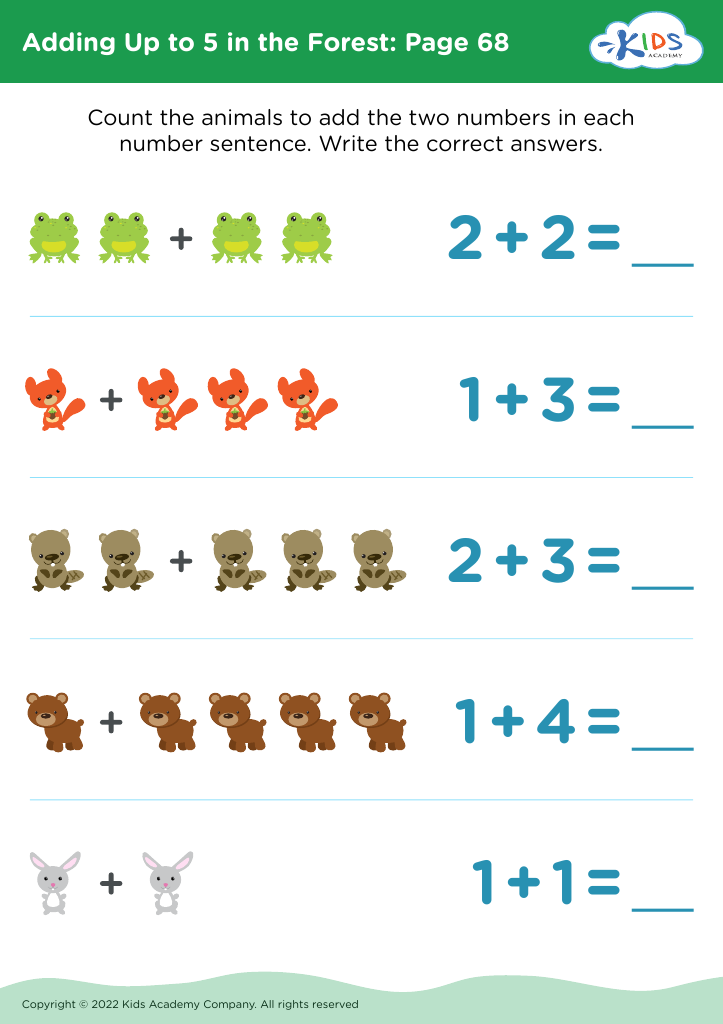
Sudoku Worksheet
 Assign to My Students
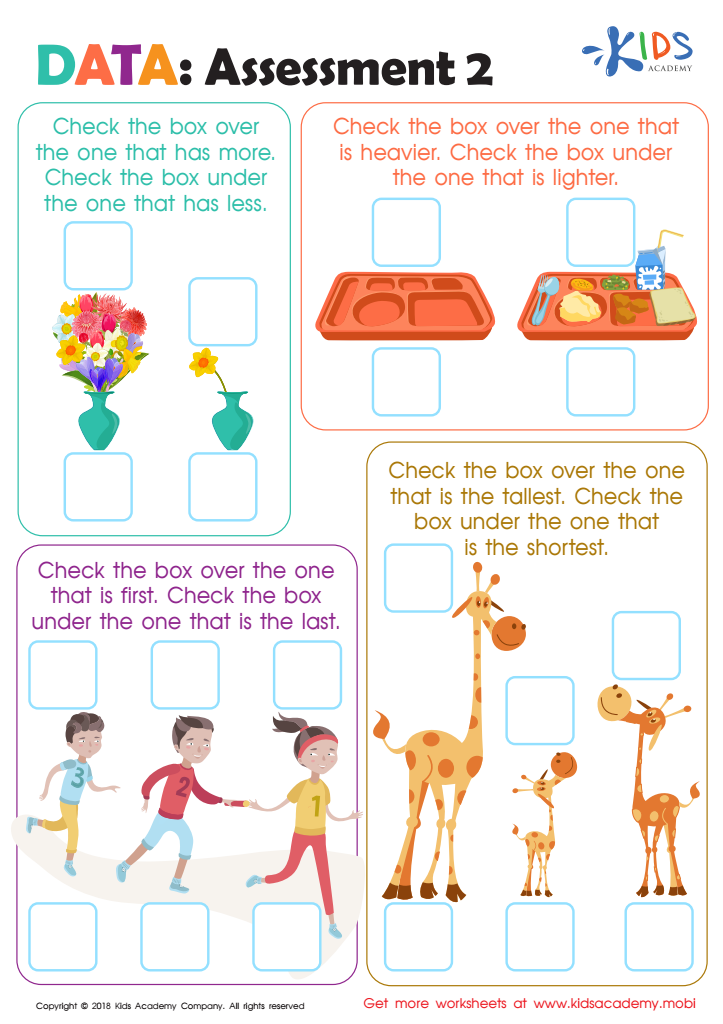
Data: Assessment 2 Worksheet
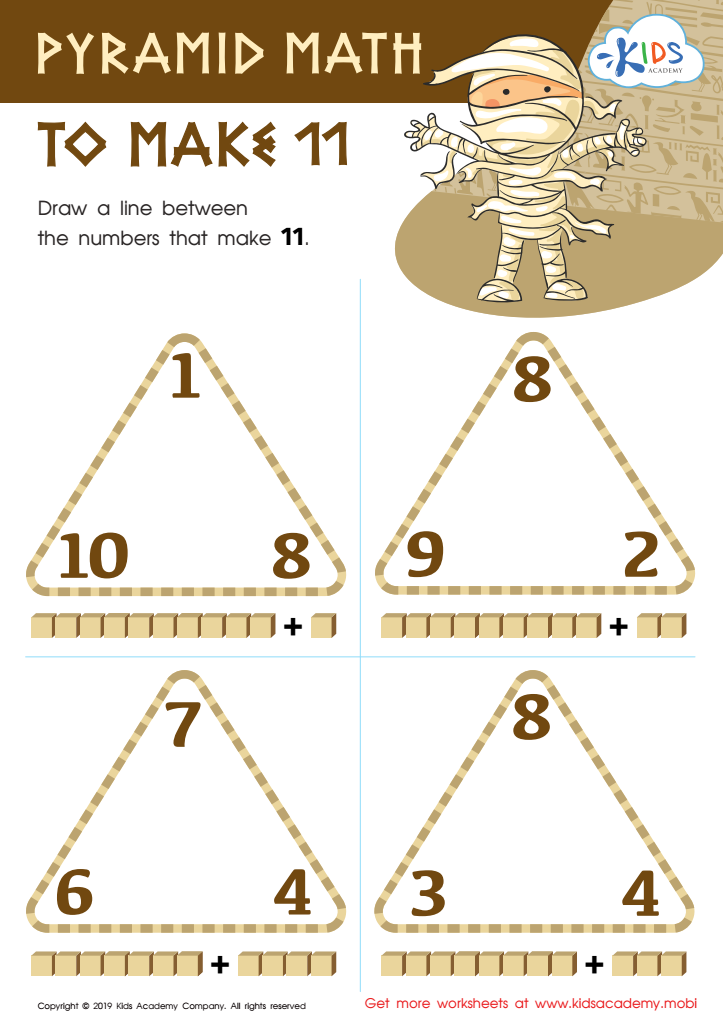
Pyramid Math to Make 11 Worksheet
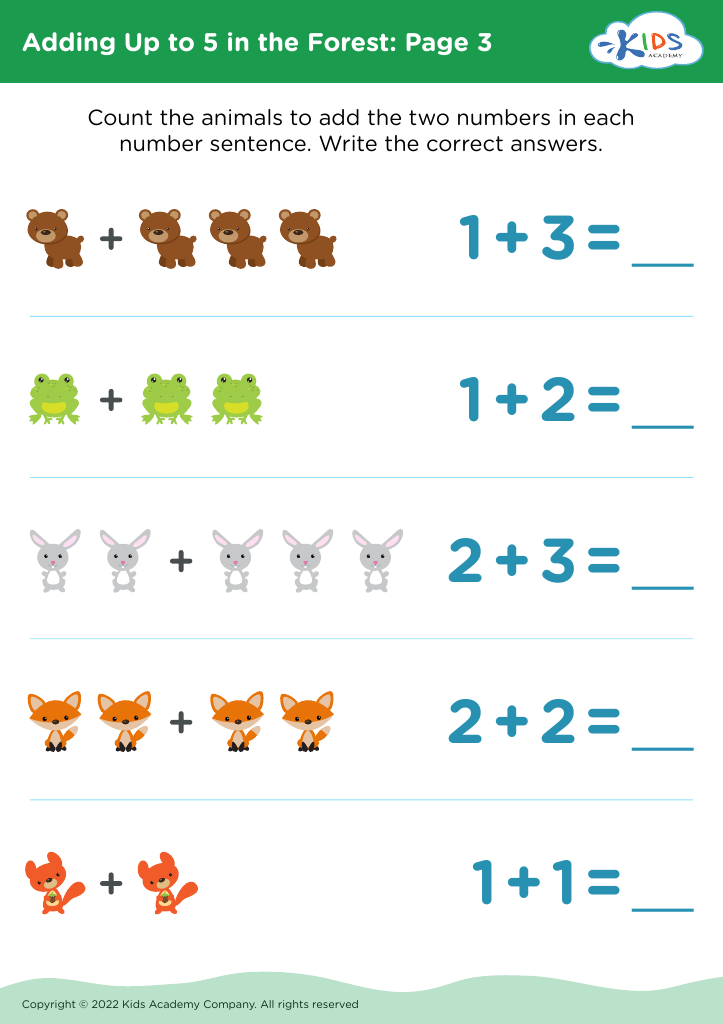







Developing problem-solving abilities in young children, particularly in the context of math for ages 3-4, is crucial for numerous reasons. At this age, children are naturally curious and eager to explore. Engaging them in math-focused activities fosters critical thinking, enhances cognitive development, and promotes early mathematical awareness. Parents and teachers play a vital role in shaping these skills by creating a conducive learning environment that encourages exploration, experimentation, and reasoning.
Problem-solving abilities in math help children understand patterns, relationships, and basic numerical concepts, laying the foundational skills necessary for future mathematical success. These skills also translate beyond the classroom, equipping children to handle everyday challenges. As they learn to approach problems strategically, they build resilience and develop the confidence to tackle new and unfamiliar situations.
Additionally, early math skills are indicative of later academic achievement. Fostering such abilities at a young age promotes a positive attitude toward learning and evolves into a lifelong appreciation for exploration and discovery. Ultimately, by nurturing problem-solving skills in math, parents and teachers not only support early literacy in mathematics but also cultivate well-rounded, independent thinkers prepared to thrive in a complex world.








