Shape comparison Math Worksheets for Ages 3-4
3 filtered results
-
From - To
Discover the joy of learning with our Shape Comparison Math Worksheets designed for ages 3-4. These engaging and colorful worksheets help young learners develop essential math skills by comparing and identifying various shapes. Through fun activities, toddlers enhance their visual discrimination and cognitive abilities, laying the foundation for future math success. Perfect for both classroom and home use, our worksheets make shape recognition and comparison exciting by incorporating playful illustrations and interactive tasks. Encourage early math confidence and spark a love for learning with our expertly crafted shape comparison worksheets. Visit Kids Academy today to start your child’s educational journey!
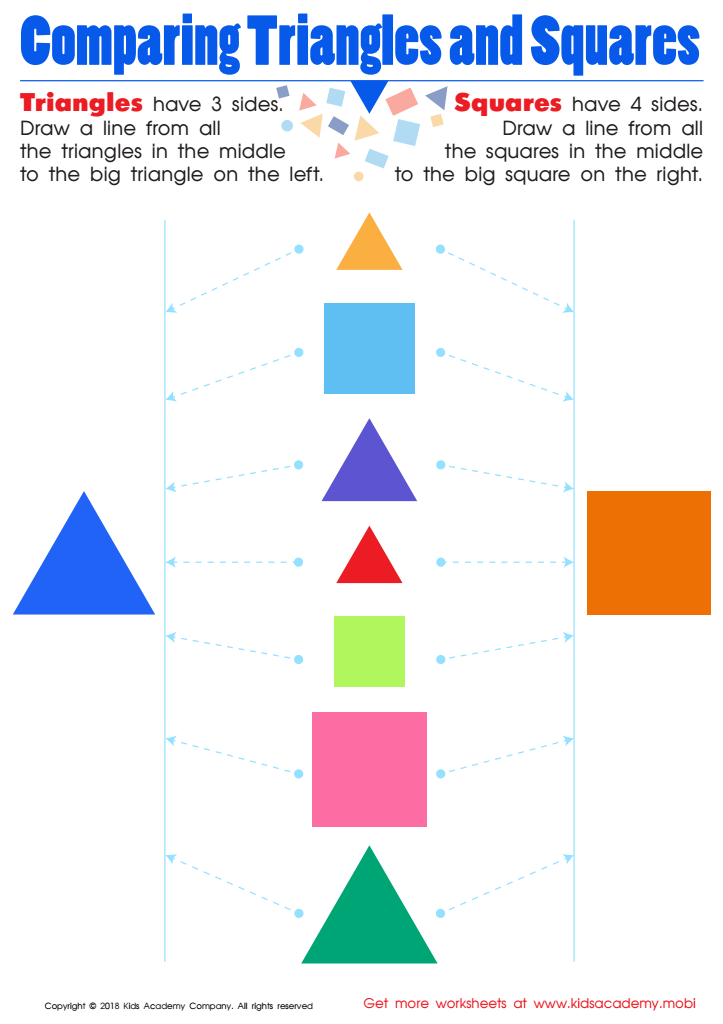
Comparing Triangles Squares Worksheet
 Assign to My Students
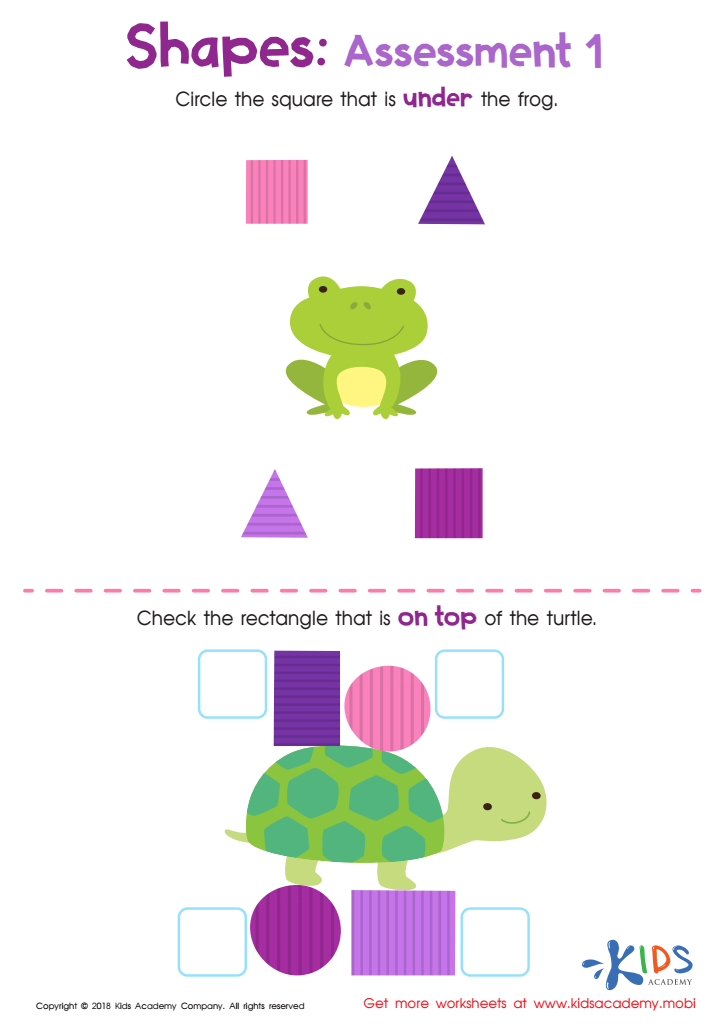
Geometry – Assessment 1 Worksheet
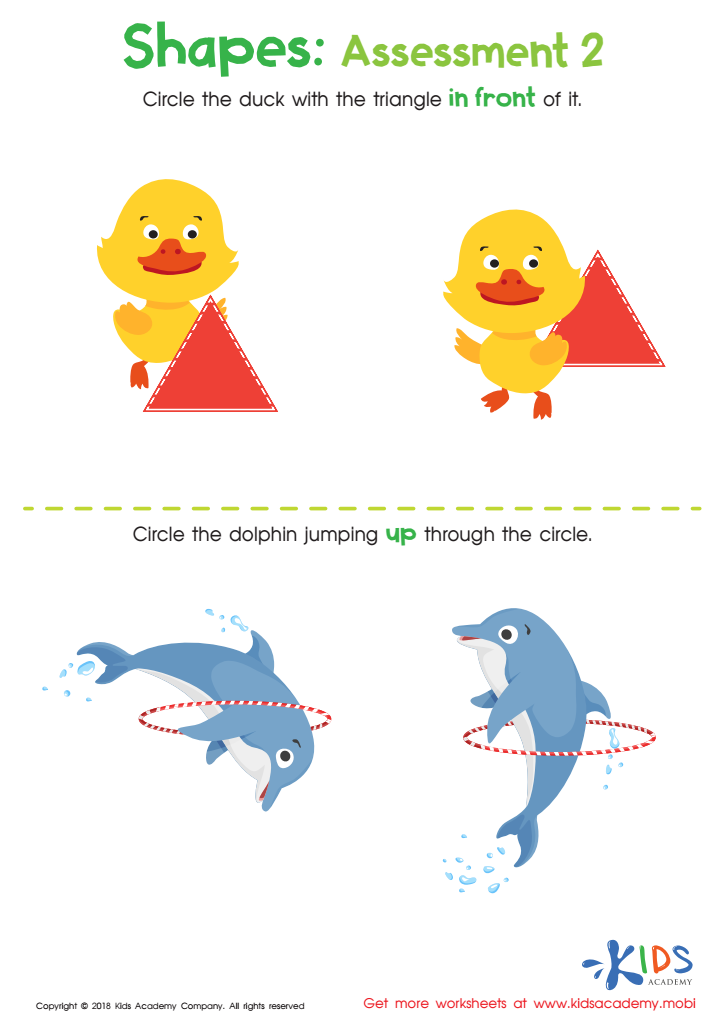
Geometry – Assessment 2 Worksheet







Parents and teachers should prioritize shape comparison math for ages 3-4 because it lays the foundational skills for critical development in young children. At this formative stage, kids are rapidly developing their cognitive abilities, and understanding shapes is one of the fundamental building blocks for more advanced math skills. Shape comparison activities enhance visual perception and spatial awareness, which are crucial for comprehending geometry, sorting, and pattern recognition later on.
When engaging in shape comparison, children sharpen their ability to observe, differentiate, and categorize various shapes by attributes such as size, color, number of sides, and angles. These activities strengthen their critical thinking, problem-solving abilities, and fine motor skills. Additionally, discussing shapes and their properties with peers and adults boosts vocabulary and language development, contributing to more effective communication skills.
Understanding shapes also has real-world applications; it helps children navigate their environment, recognizing objects like circles in wheels or squares and rectangles in books and windows. Encouraging shape comparison in early childhood fosters a sense of curiosity and enthusiasm for learning, providing a strong foundation for future academic success in subjects like math, science, and engineering. Thus, integrating shape comparison into early education can yield long-term benefits for a child’s overall development.








