Visual perception development Math Worksheets for Ages 3-4
3 filtered results
-
From - To
Enhance your child's visual perception skills with our engaging math worksheets designed specifically for ages 3-4. These worksheets boost essential visual processing abilities, helping young learners identify shapes, patterns, and spatial relationships through fun, interactive activities. By incorporating playful designs and colorful graphics, children will find joy in exploring numbers and concepts while building critical pre-math skills. Our easy-to-follow exercises promote concentration, attention to detail, and problem-solving skills, laying a strong foundation for future mathematical learning. Download our visually stimulating math worksheets today and support your child's growth in a meaningful and entertaining way! Unlock their potential with Kids Academy!
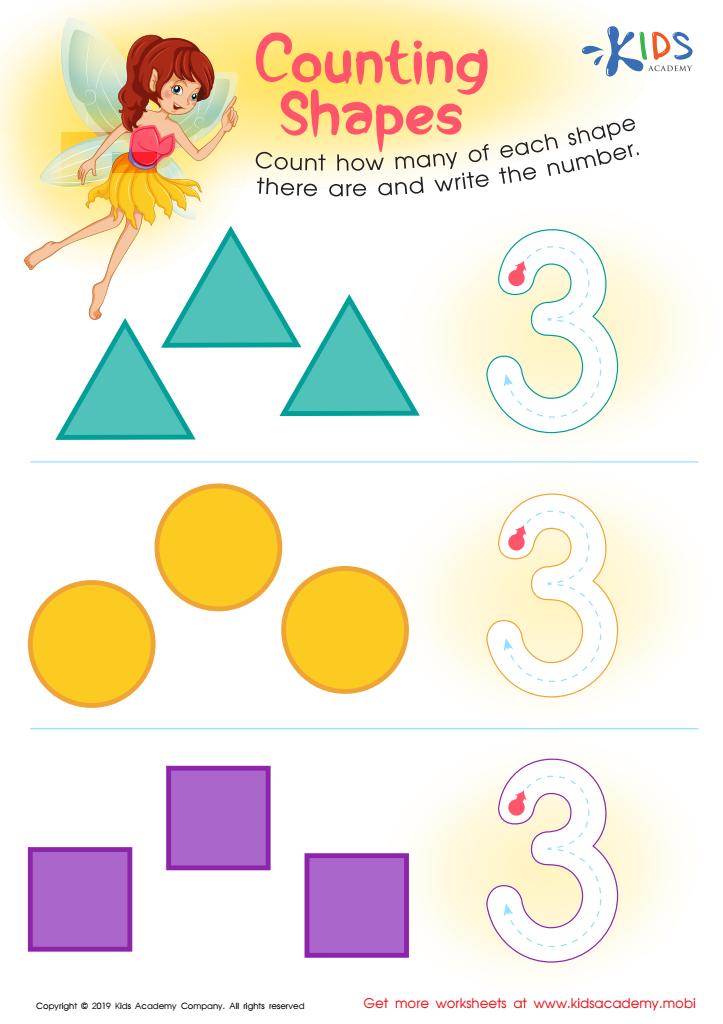
Counting Shapes Worksheet
 Assign to My Students
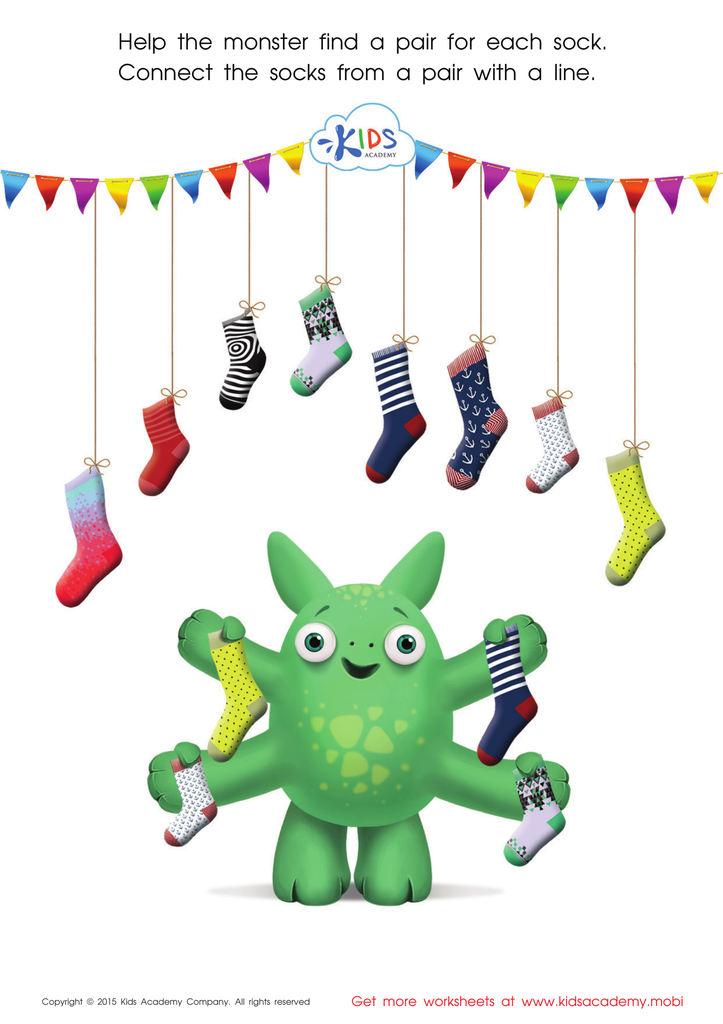
Math Matching Pairs Game: Monsterв's Socks Worksheet
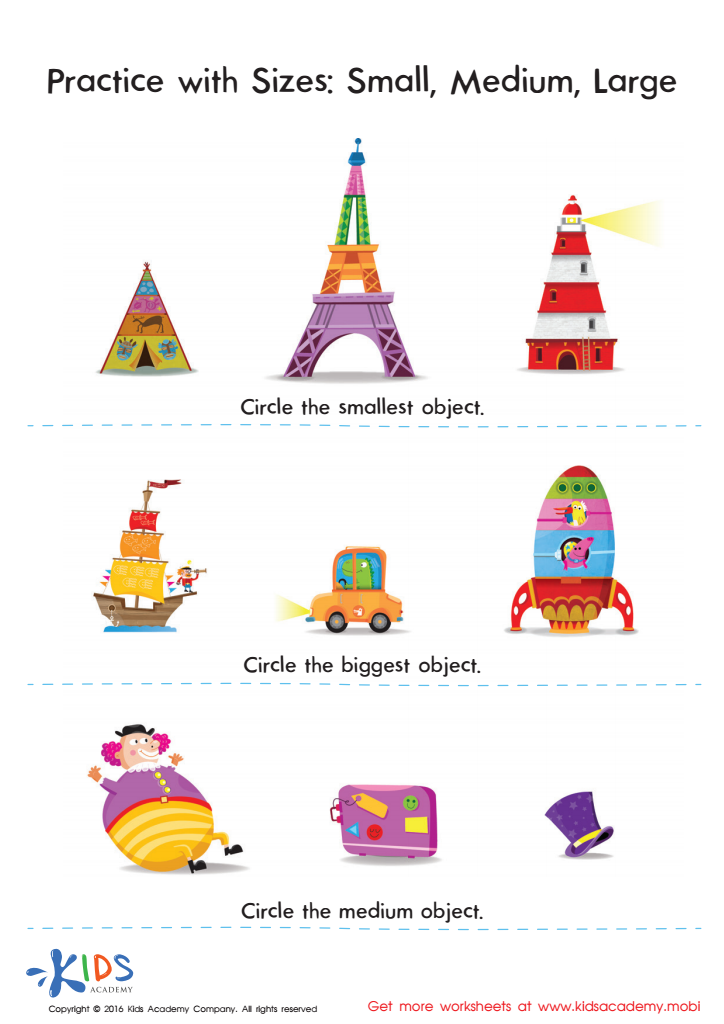





Visual perception development plays a crucial role in early mathematics learning for children ages 3-4. At this stage, children begin to explore shapes, patterns, sizes, and spatial relationships, foundational concepts essential for future math skills. Strong visual perception helps children accurately interpret visual information, which is vital for recognizing numbers, understanding graphs, and problem-solving.
Parents and teachers should emphasize visual perception development as it enhances cognitive skills necessary for math success. As young learners engage with varied materials—like puzzles, blocks, and sorting games—they strengthen their ability to differentiate between shapes and sizes, establishing a solid groundwork for more complex mathematical concepts. Furthermore, these skills boost critical thinking and creativity, as children learn to visualize problems and construct solutions.
Moreover, fostering visual perception nurtures confidence in young learners, making math a more approachable subject. By integrating fun activities that target visual skills, caregivers can create an enriching environment that celebrates exploration and inquiry. This proactive approach not only supports early math readiness but also aligns with overall development, equipping children with the tools they need to thrive academically. Thus, prioritizing visual perception development becomes vital for nurturing a love of learning in mathematics during these formative years.








