Vocabulary development Math Worksheets for Ages 3-4
5 filtered results
-
From - To
Enhance your child's early math vocabulary with our specially designed worksheets for ages 3-4. These engaging and interactive printables focus on key mathematical concepts and terminologies to build a strong foundation for future learning. Each worksheet incorporates fun activities that stimulate curiosity and conceptual understanding while introducing young learners to new vocabulary in an easy and enjoyable way. Perfect for preschoolers, our materials aid in the development of language and math skills simultaneously, laying the groundwork for academic success. Foster a love for learning and boost your child's confidence with our expertly crafted vocabulary development math worksheets.
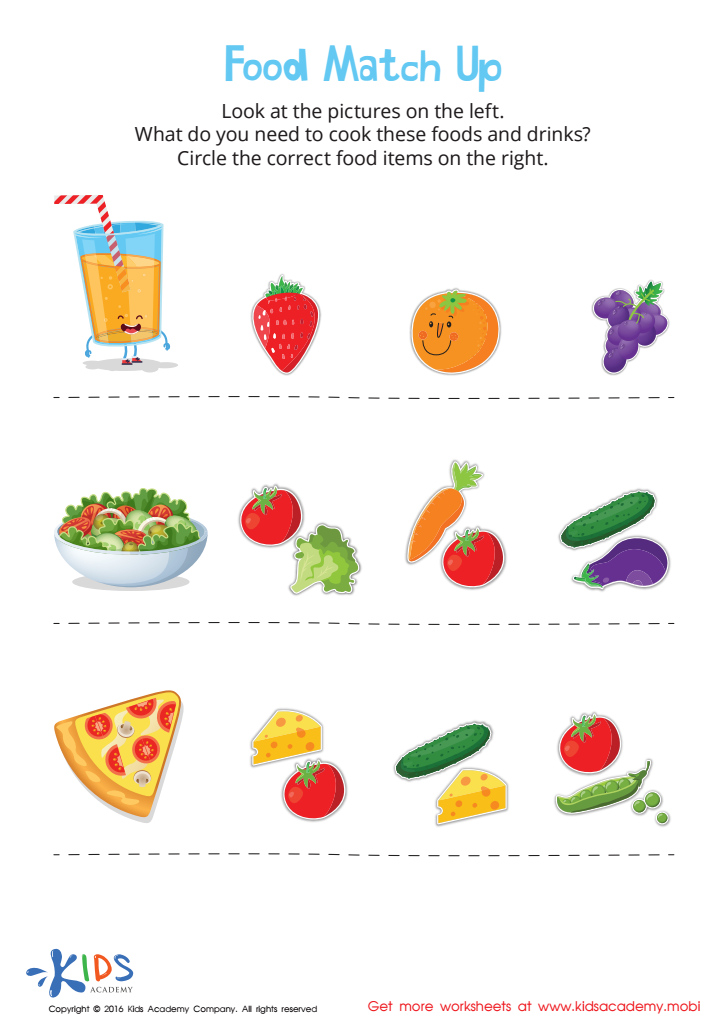
Food Match Up Worksheet
 Assign to My Students
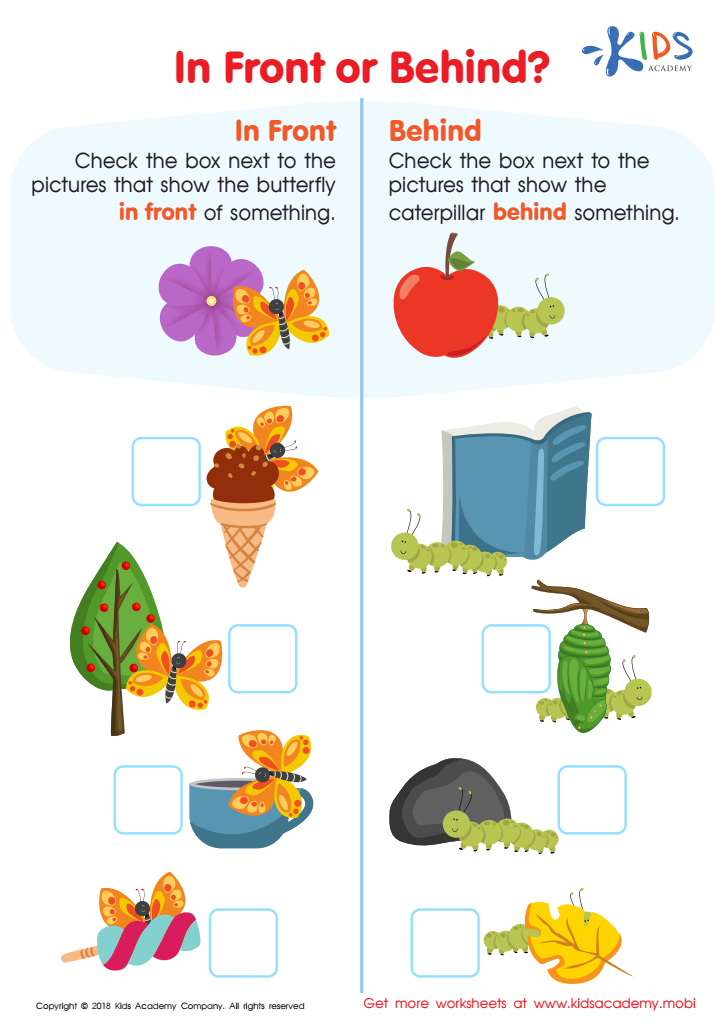
In Front or Behind Worksheet
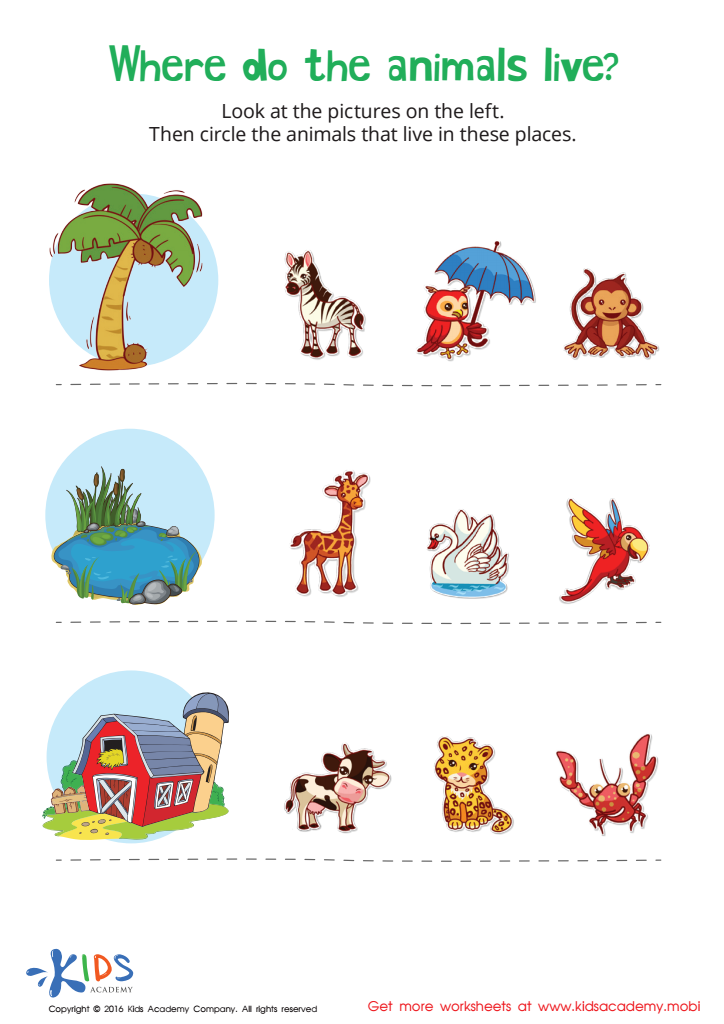
Where Animals Live Worksheet
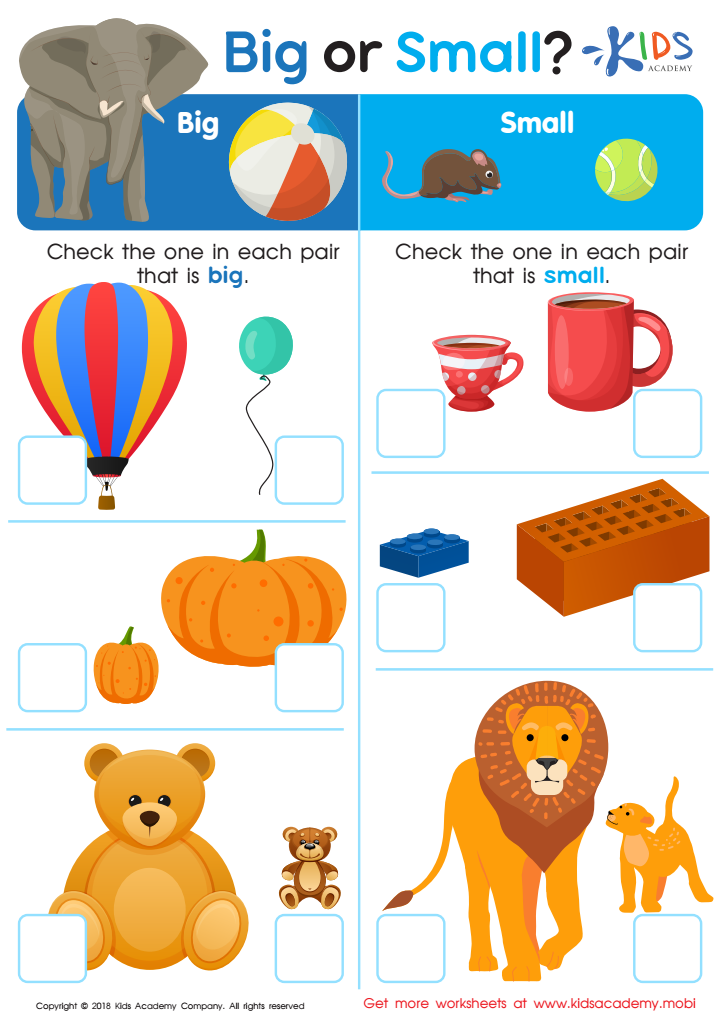
Big or Small? Worksheet







Parents and teachers should prioritize vocabulary development in math for children aged 3-4 because it lays the foundational groundwork for their future academic success and cognitive growth. During these early years, children's brains are highly receptive to new information, making it an ideal time to introduce basic math concepts and terms. Vocabulary development in math helps children understand and describe the world around them with precision and accuracy.
Using math-related words such as "more," "less," "equal," "count," and "size" enables young children to grasp essential mathematical concepts that form the basis for more complex problem-solving and analytical thinking skills later on. It also supports language development by expanding their ability to express quantitative and spatial relationships effectively. Engaging children with simple counting games, sorting activities, and shape recognition tasks helps reinforce these terms while making learning interactive and fun.
Furthermore, early exposure to math vocabulary can boost a child's confidence and curiosity, encouraging a positive attitude towards math as they progress into formal schooling. By fostering an environment where math vocabulary is used frequently and meaningfully, parents and teachers set the stage for lifelong numeracy skills and a strong educational foundation. This attentive focus on early math language ultimately supports children's holistic development and paves the way for greater academic achievements.








