Concentration improvement Numbers 0–10 Worksheets for Ages 3-4
3 filtered results
-
From - To
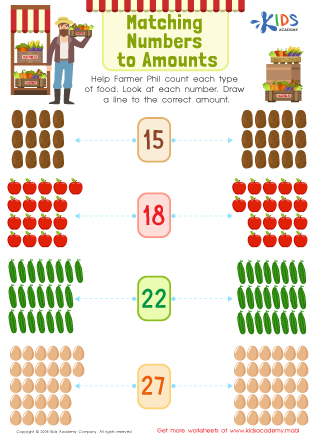
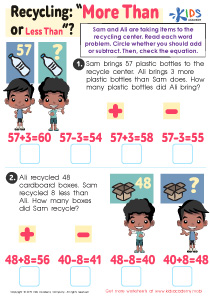
Boost your child's focus and number recognition skills with our "Concentration Improvement Numbers 0–10 Worksheets" designed especially for ages 3-4. These engaging and interactive worksheets are perfect for young learners to practice counting, tracing, and identifying numbers from 0 to 10. Each activity is thoughtfully crafted to capture children's attention, sharpen their concentration, and enhance their early math capabilities. Ideal for both parents and educators, these exercises provide a strong foundation in number proficiency while fostering a love for learning. Download now to help your little ones develop critical skills seamlessly and enjoyably!
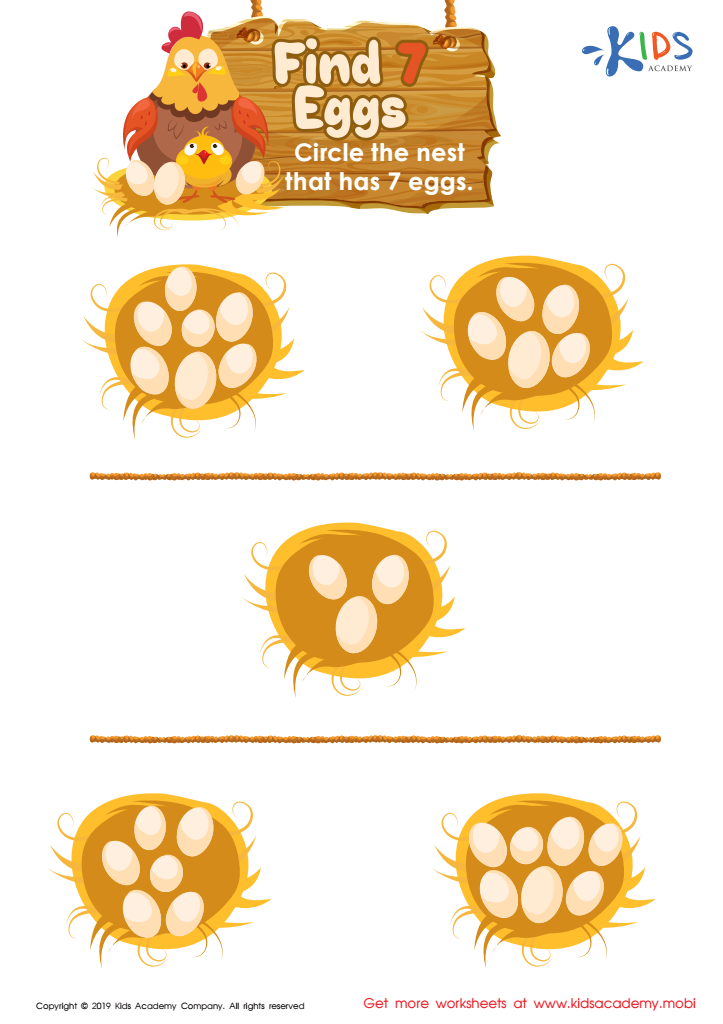
Find 7 Eggs Worksheet
 Assign to My Students
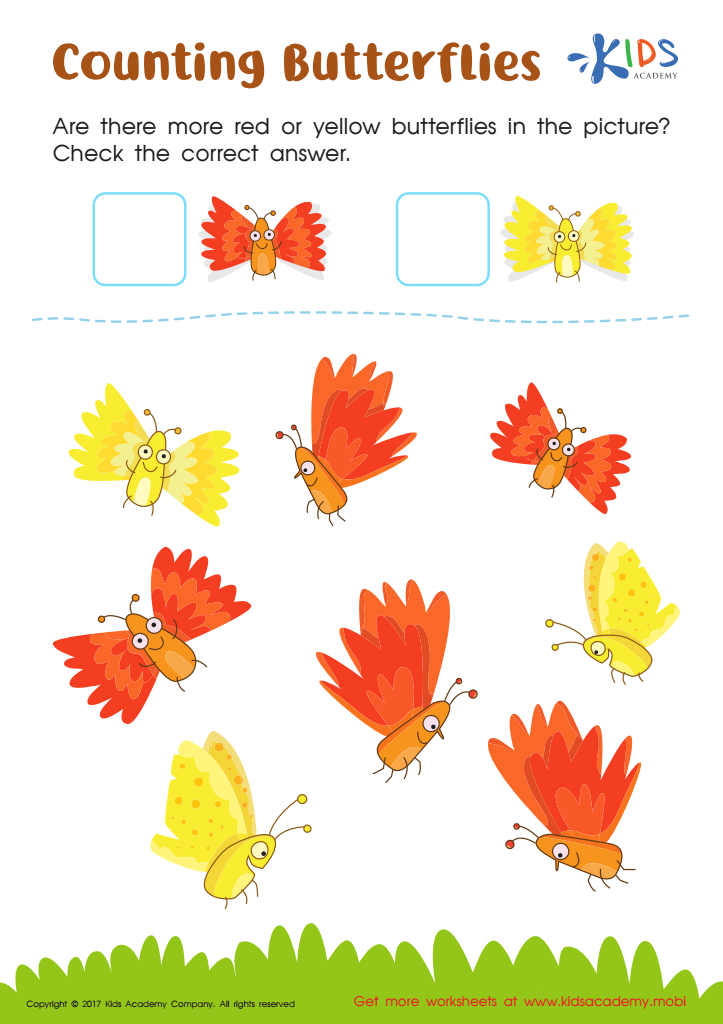
Counting Butterflies Worksheet
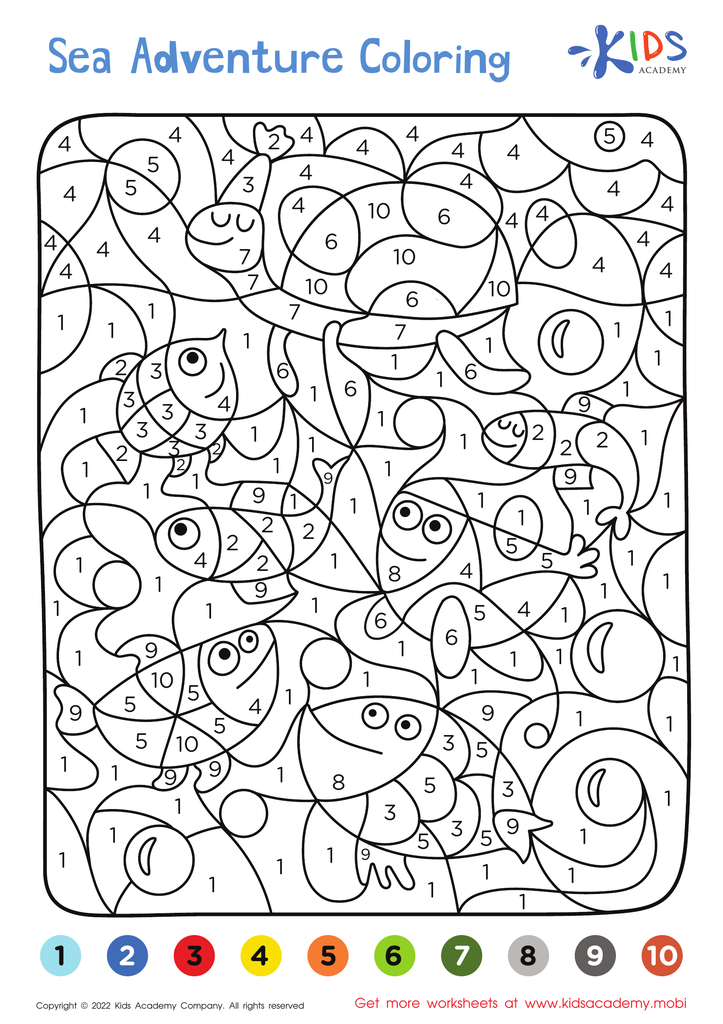
Sea Adventure – Coloring by Numbers








At ages 3-4, young children are in a critical developmental stage where they begin to form foundational cognitive skills. Improving concentration on numbers 0-10 during these years can have profound impacts on their overall learning journey.
First, understanding numbers 0-10 is fundamental for basic mathematical skills. It sets the stage for future arithmetic operations such as addition, subtraction, and even concepts like counting money or telling time. Mastering these early numbers helps children grasp the idea of quantity, which is essential for more advanced mathematical thinking.
Additionally, concentrating on numbers hones children's attention spans and problem-solving abilities. By engaging in focused activities like number games, puzzles, or counting exercises, young learners develop their ability to concentrate, listen, and follow instructions. These skills are transferable to other academic and non-academic areas, thereby supporting overall cognitive development, patience, and perseverance.
Furthermore, early success and familiarity with numbers can boost children's confidence and foster a positive attitude towards learning. When children find joy in learning numbers, they're more likely to approach other subjects with enthusiasm and curiosity.
Parents and teachers play a pivotal role by providing supportive and stimulating environments that encourage regular practice. Such engagement helps lay a strong educational foundation, ensuring children are well-prepared as they advance to higher-level learning tasks.