Basic Math Skills Sight Words Worksheets for Ages 3-4
7 filtered results
-
From - To
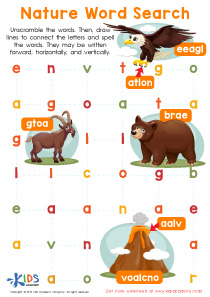
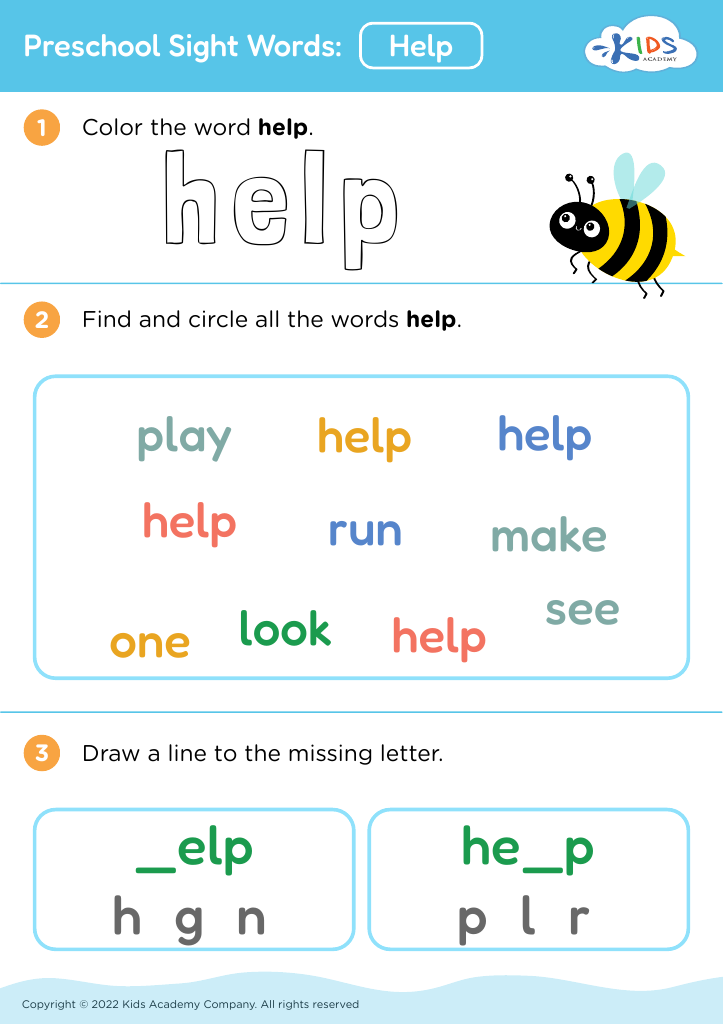
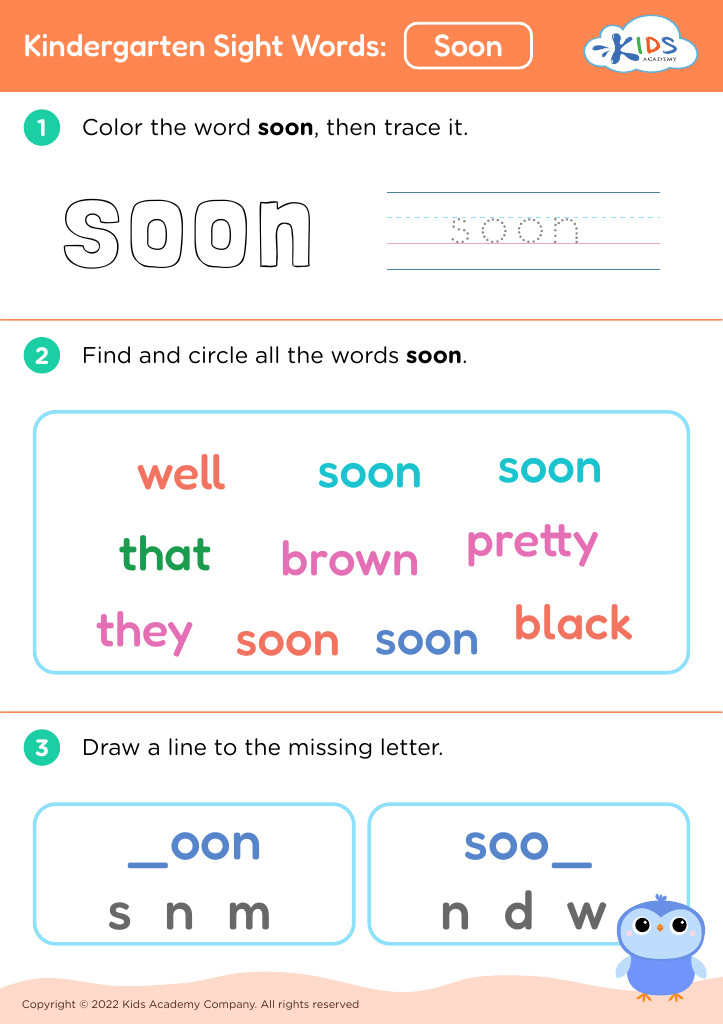
Nurture early math and reading proficiency with our Basic Math Skills Sight Words Worksheets for Ages 3-4. Designed by educational experts, these engaging worksheets seamlessly integrate essential sight words with foundational math concepts. Each activity promotes cognitive development, enhances vocabulary, and builds number sense through fun and interactive exercises. Ideal for preschoolers, these printable resources support hands-on learning and foster a love for solving problems. Equip your little learners with the skills they need for future academic success. Download our worksheets today and get started on the path to outstanding early education!

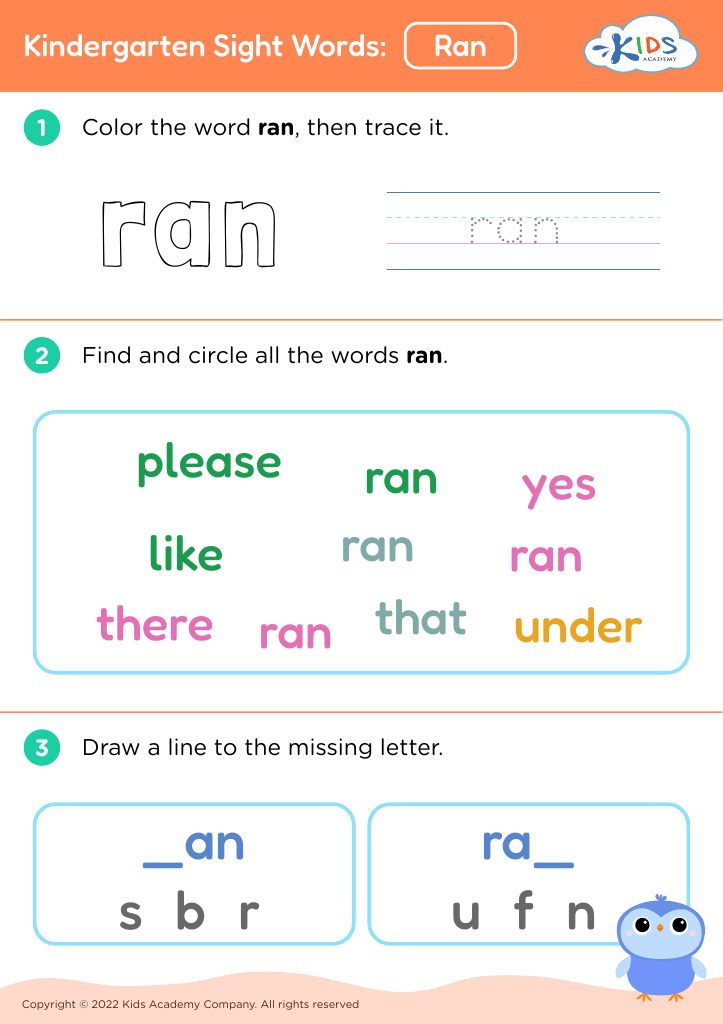
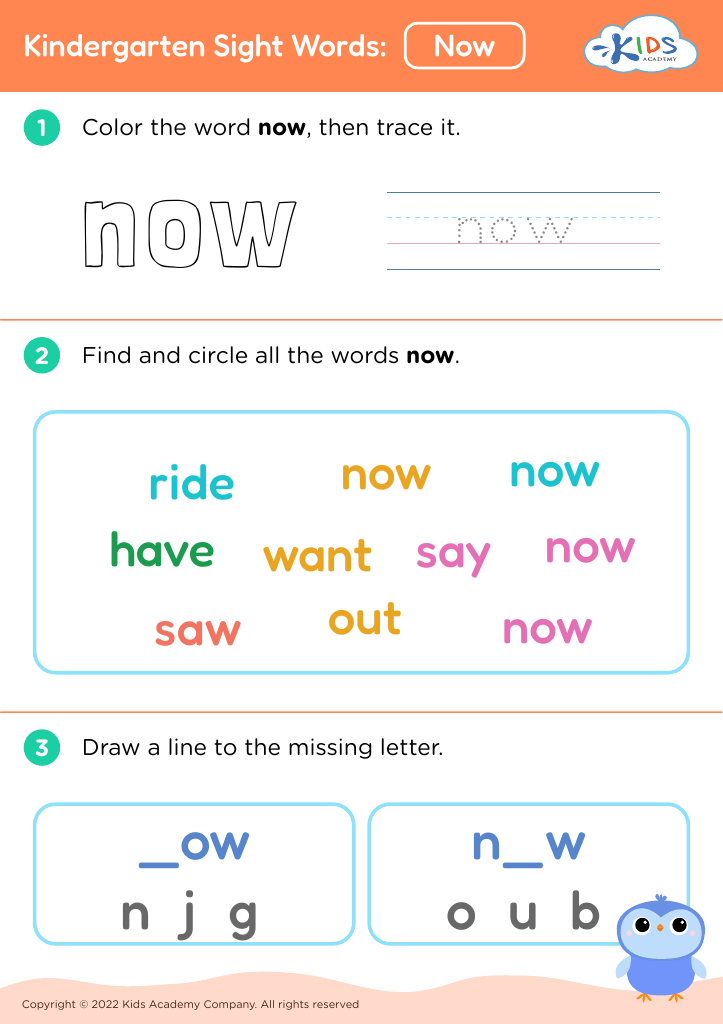
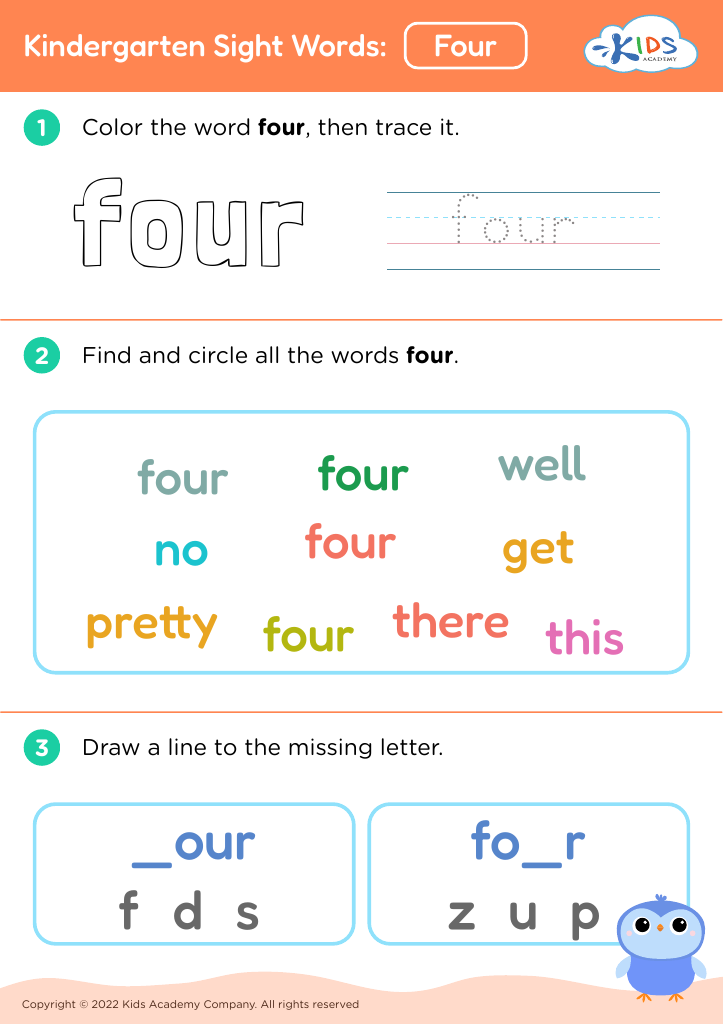
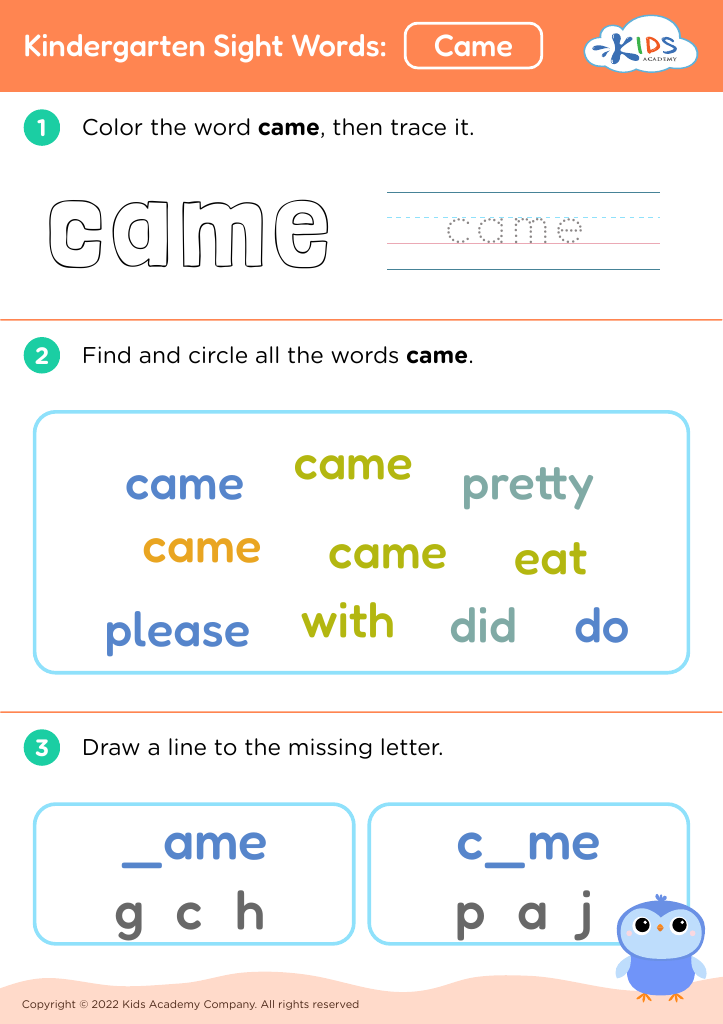



.jpg)




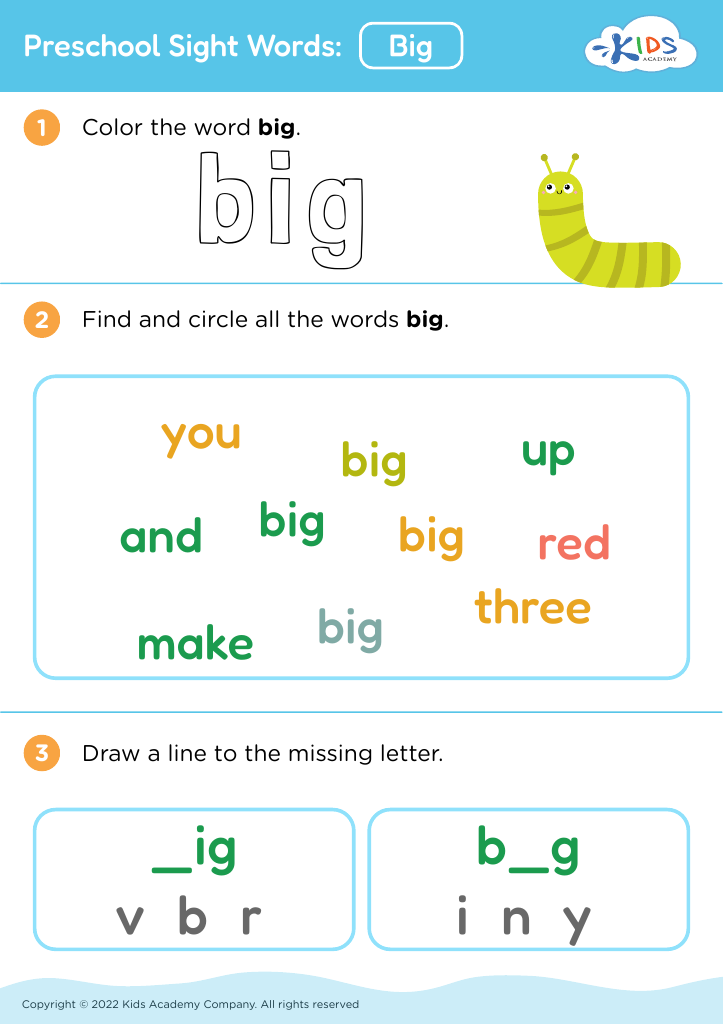
Parents and teachers should care about Basic Math Skills Sight Words for ages 3-4 because they lay the foundational building blocks for future academic success. At this critical developmental stage, children's brains are exceptionally receptive to learning new concepts. Introducing them to fundamental math vocabulary—such as "more," "less," "one," "two," "big," "small"—helps them grasp basic mathematical concepts early on. This early exposure supports cognitive development by enhancing their ability to categorize, compare, and quantify objects and numbers.
Moreover, recognizing sight words is crucial for language development and literacy. When children can quickly identify and understand frequently used words, they build confidence and become more inclined to engage with learning material. Basic Math Skills Sight Words bridge language and numeracy skills, making it easier for kids to follow instructions, describe their observations, and build early problem-solving abilities.
Early familiarity with these concepts reduces math anxiety later in life, fosters a positive attitude towards learning, and sets the stage for success in more complex math and reading tasks. Additionally, these skills enrich daily interactions, such as sharing snacks ("one for you, one for me") and tidying up ("put the big blocks over here"), making learning both contextual and practical. Investing time in these foundational skills thus promotes lifelong learning and achievement.