Fraction simplification Sight Words Worksheets for Ages 3-4
5 filtered results
-
From - To
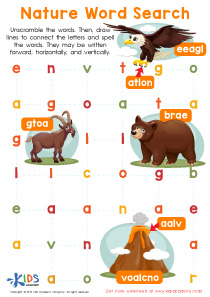
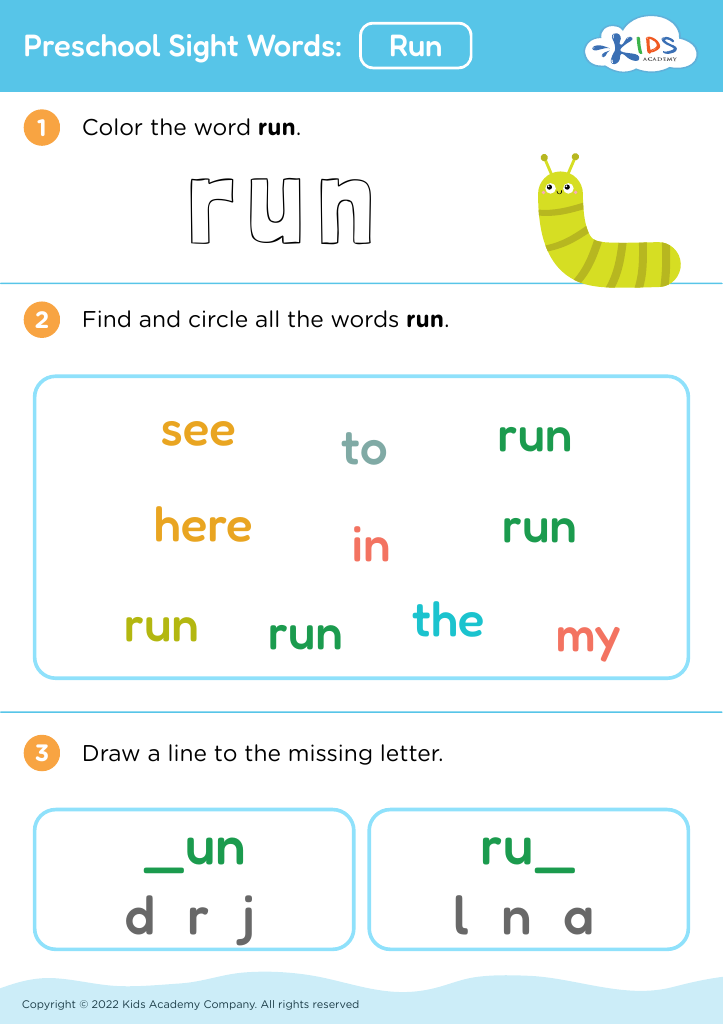
Engage your littlest learners with our Fraction Simplification Sight Words Worksheets designed for ages 3-4! This resource makes understanding fractions and sight words an enjoyable adventure for preschoolers. Through interactive exercises and colorful visuals, children will develop fundamental math and reading skills simultaneously. Each worksheet provides a hands-on approach, guiding young minds toward effortlessly identifying fractions and recognizing vital sight words. Start your child’s educational journey with these fun, interactive worksheets that foster early cognitive development and build a strong foundation for future learning. Perfect for at-home practice or enhancing classroom instruction, making learning feel like play!



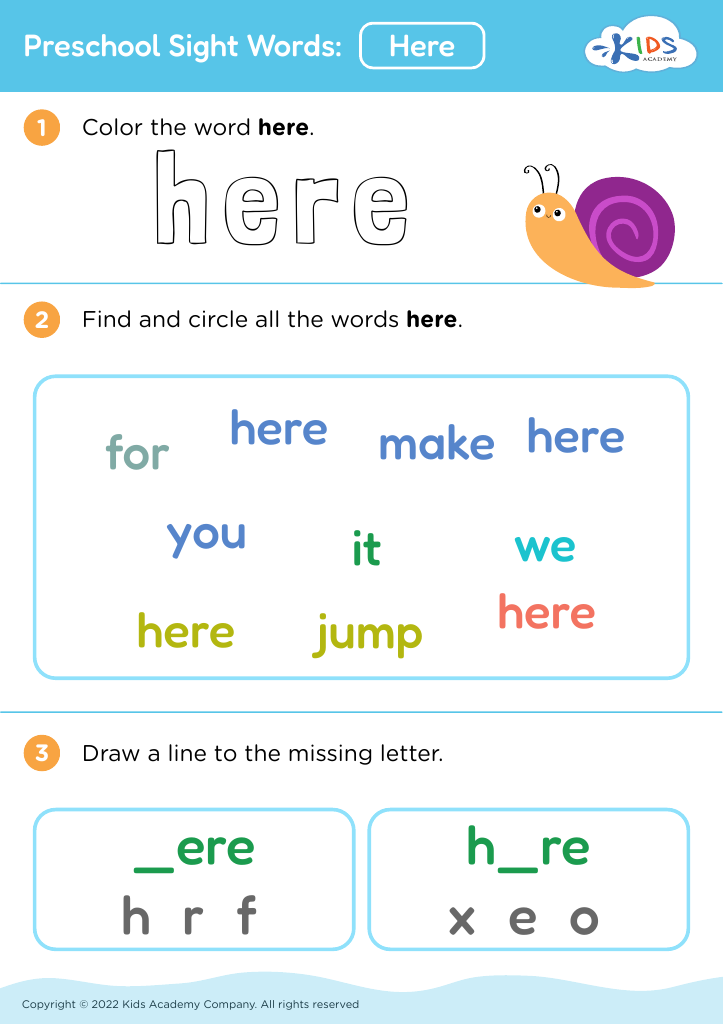
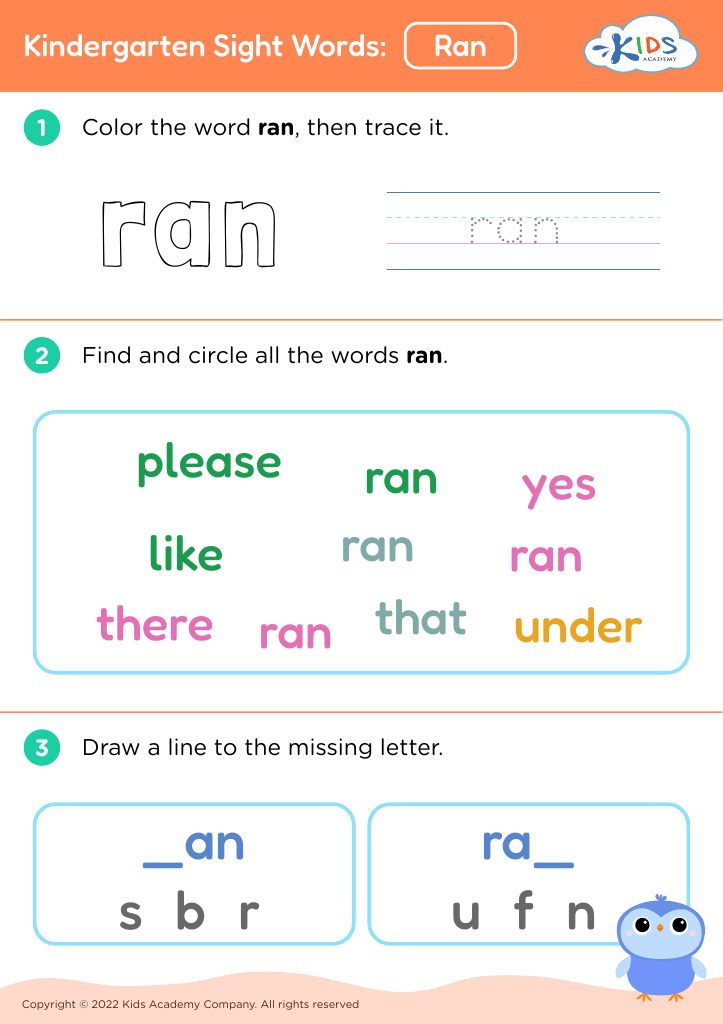
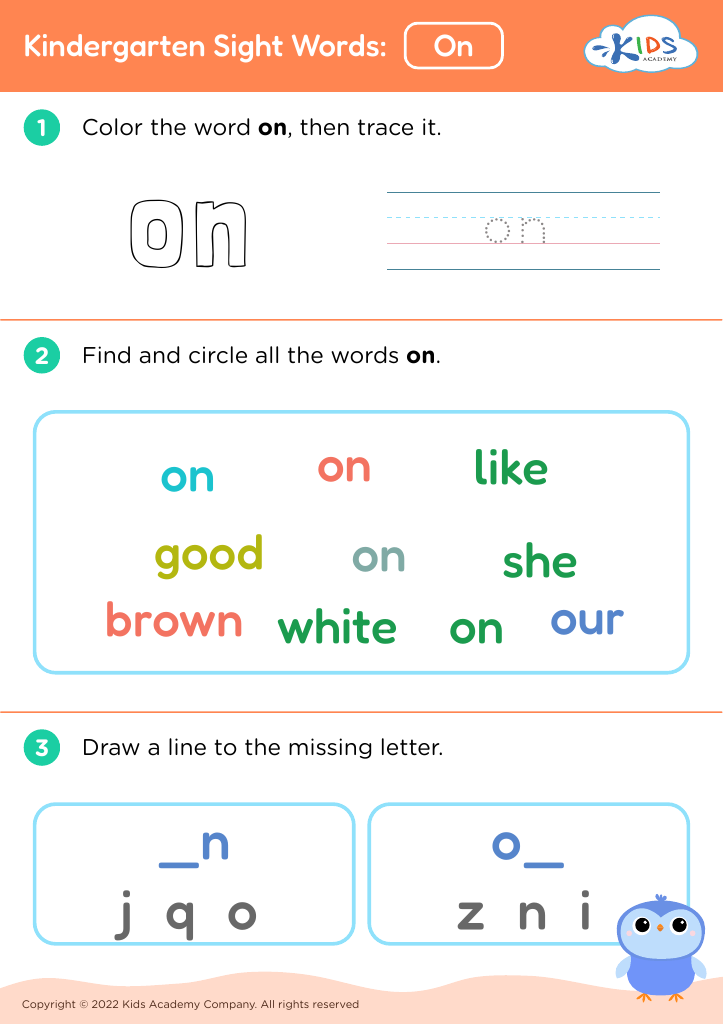
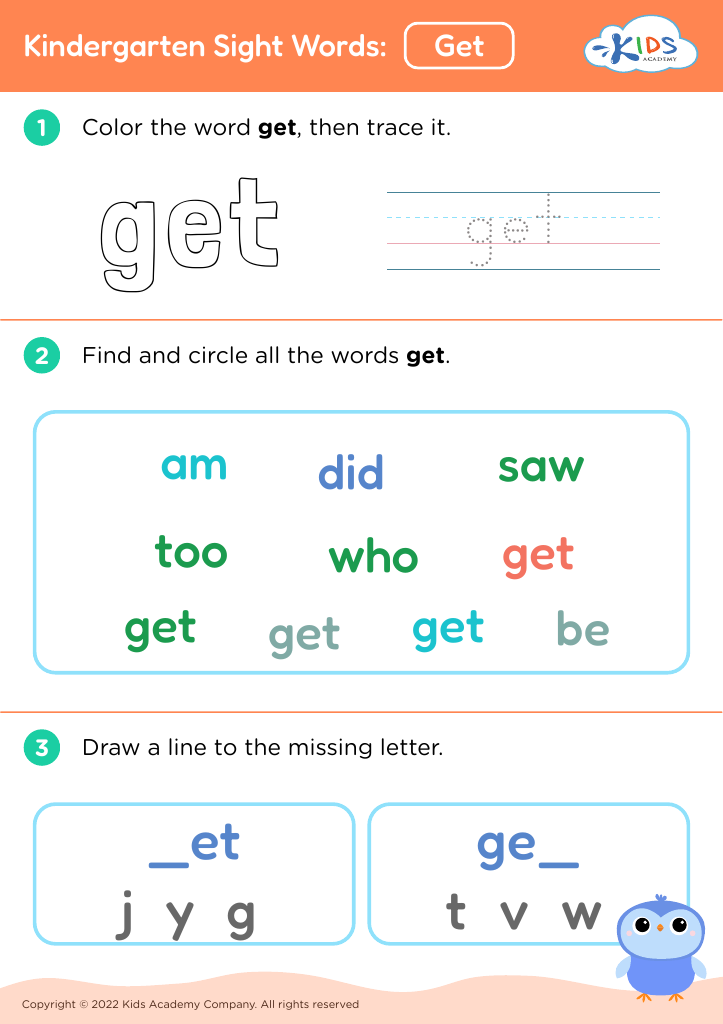






.jpg)

Fraction simplification and sight words are important foundational concepts that should be introduced during early childhood, even ages 3-4. At this formative age, children’s brains are especially receptive to new information, setting the stage for future academic success.
Introducing fraction simplification at a young age fosters early mathematical understanding. While they may not grasp complex calculations, simple concepts like sharing objects (e.g., cutting a fruit into pieces) teach basic principles of fractions and division in a fun, relatable way. This early exposure helps prevent math anxiety and builds confidence as children advance in their education.
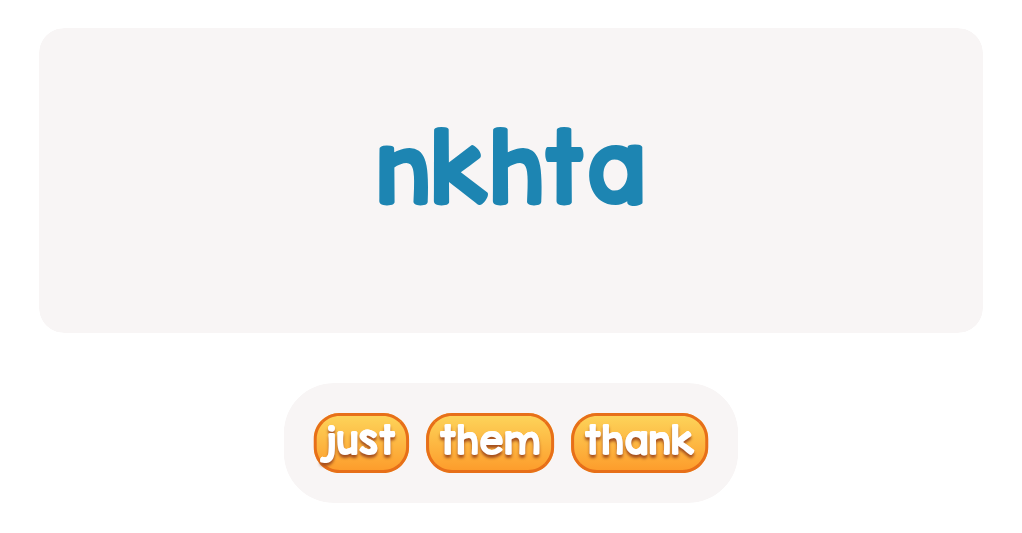
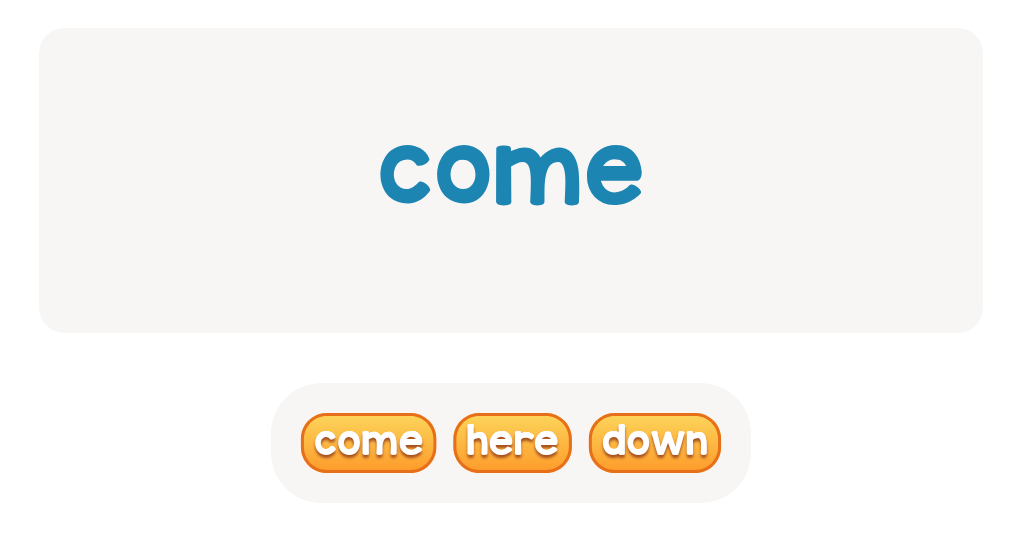
Sight words are common words children must recognize instantly for smooth reading and comprehension. For ages 3-4, learning sight words simplifies early reading, enabling children to decode sentences without pausing for commonly recurring words like "the," "and," or "it." This boosts overall reading fluency, comprehension, and enjoyment, laying the groundwork for advanced literacy skills.
Parents and teachers should engage in activities that introduce these concepts playfully and interactively. Simple games and daily reading can make these lessons feel natural. By integrating fraction awareness and sight words early, parents and teachers can support balanced cognitive development, encourage a love for learning, and build a strong academic foundation that greatly benefits children in their future studies.