Mathematical reasoning Sight Words Worksheets for Ages 3-4
5 filtered results
-
From - To
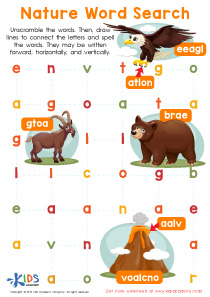
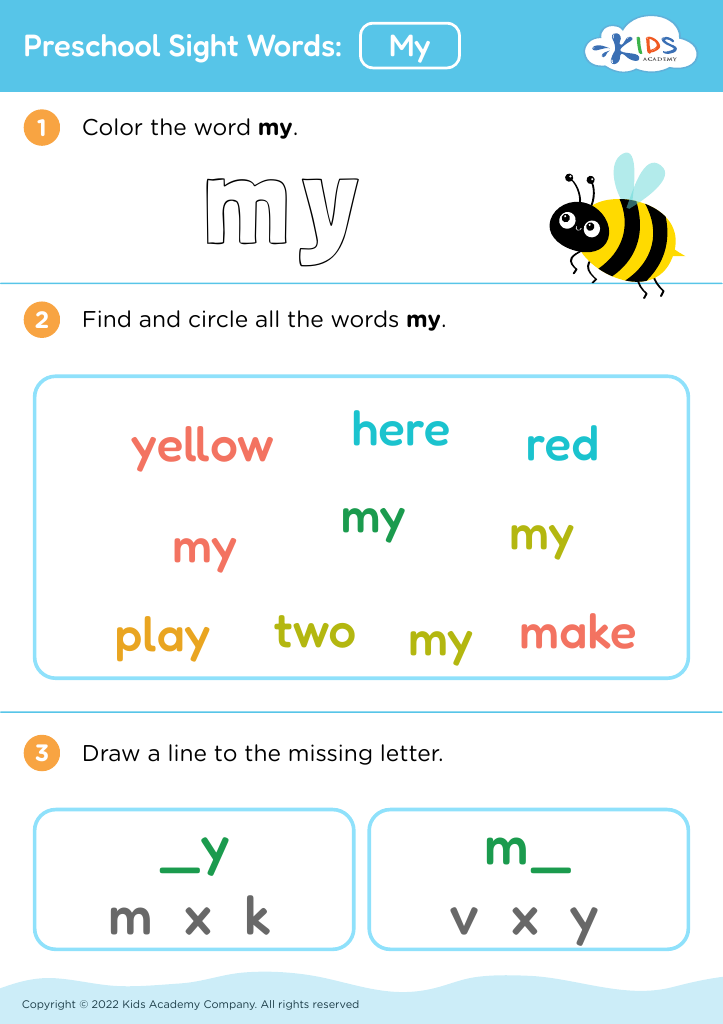
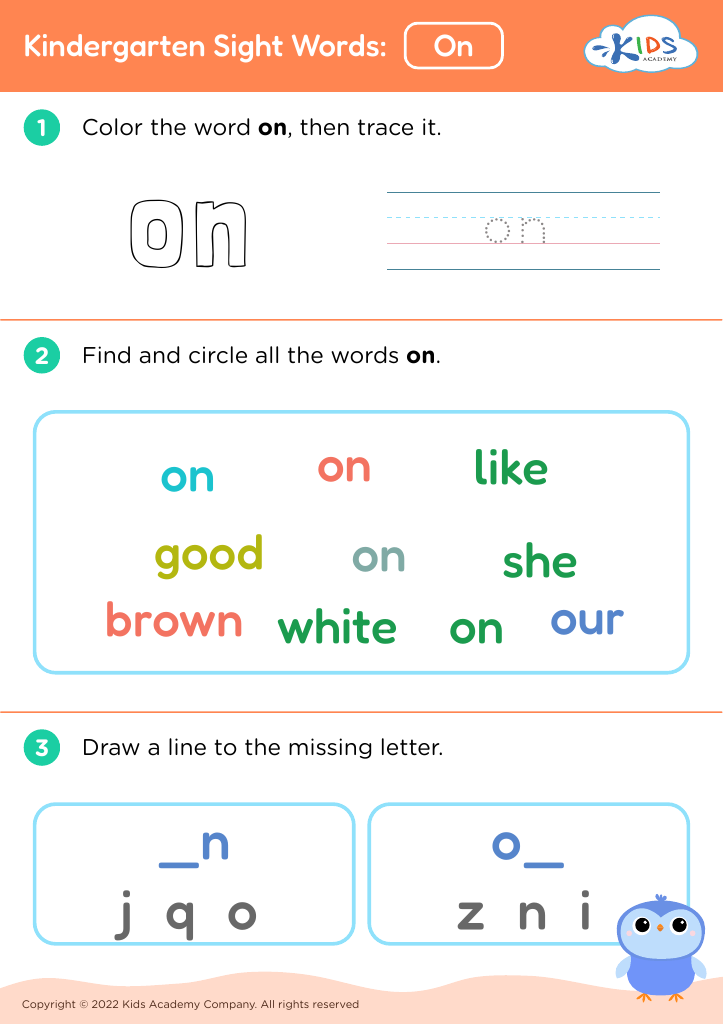
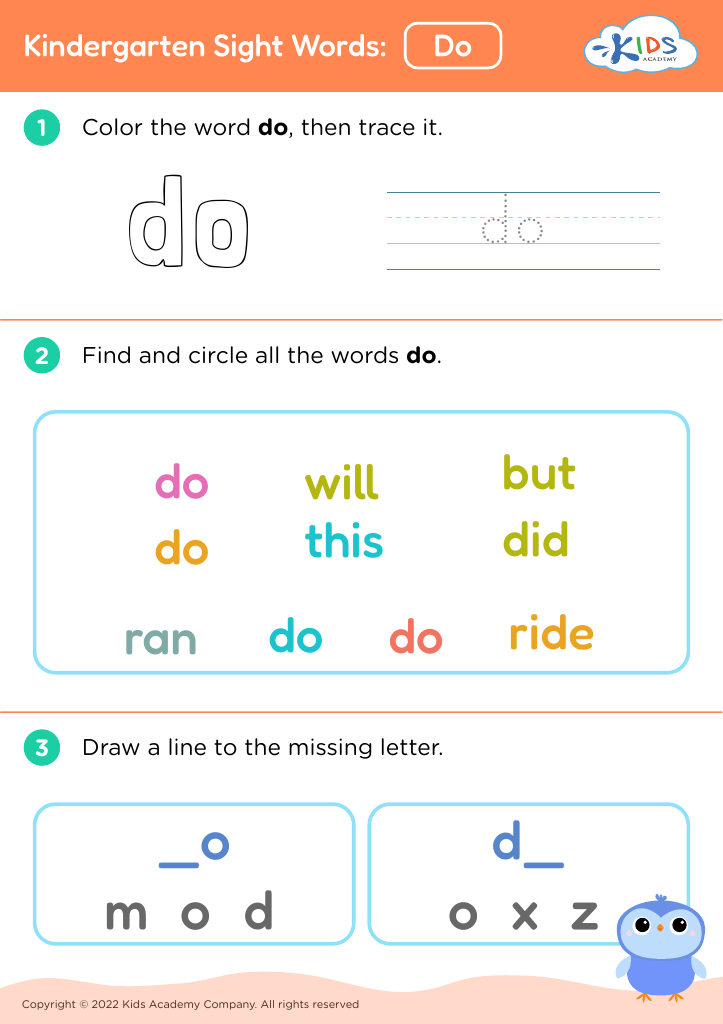
Introducing our "Mathematical Reasoning Sight Words Worksheets" specifically designed for ages 3-4! These engaging printable worksheets seamlessly integrate sight word recognition with early mathematical reasoning skills, providing a fun and interactive learning experience for young learners. Each activity pairs essential sight words with simple math concepts, promoting critical thinking while building foundational literacy. Our worksheets are colorful, age-appropriate, and crafted to capture your child's attention, making learning enjoyable. Perfect for home or classroom use, these resources will support your child’s cognitive development and prepare them for future academic success. Help your little ones discover the joy of learning through math and reading!

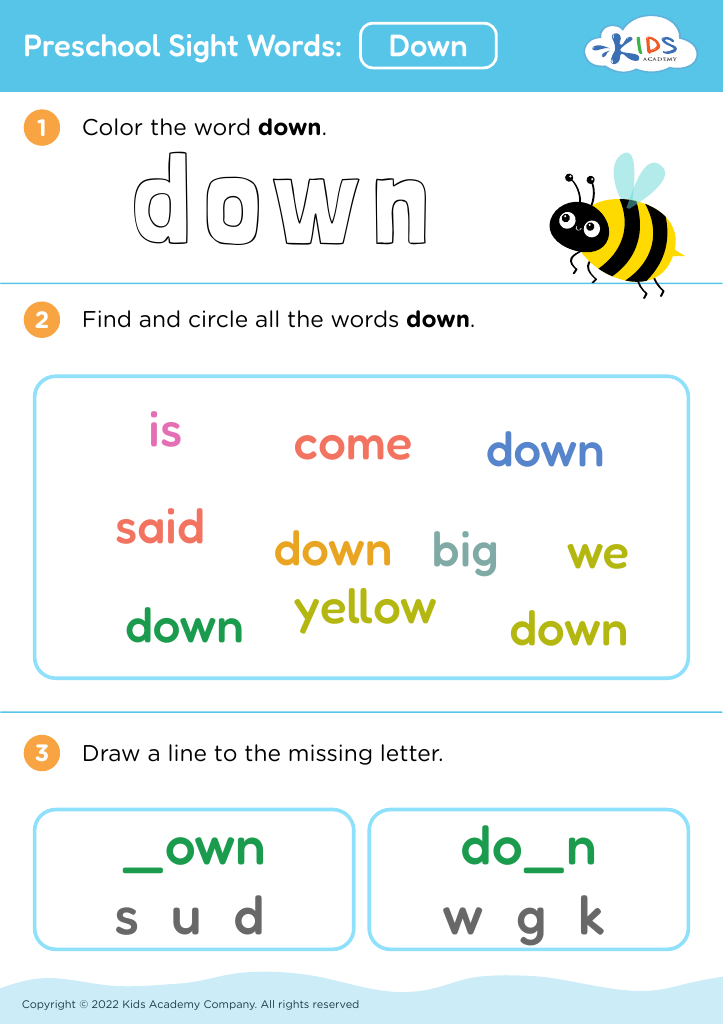
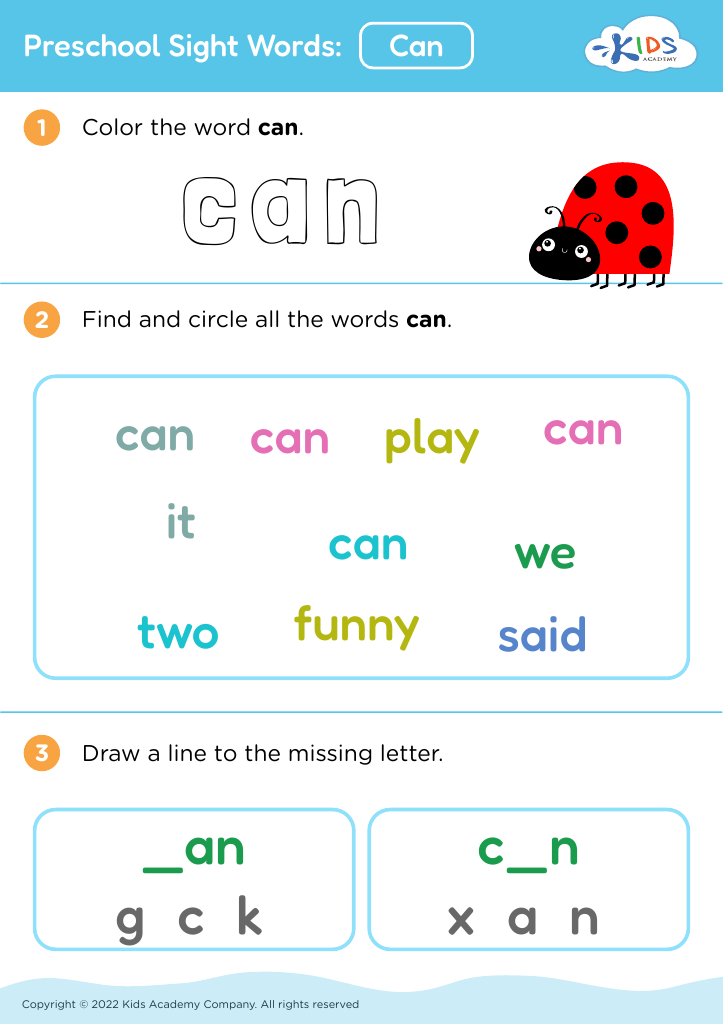




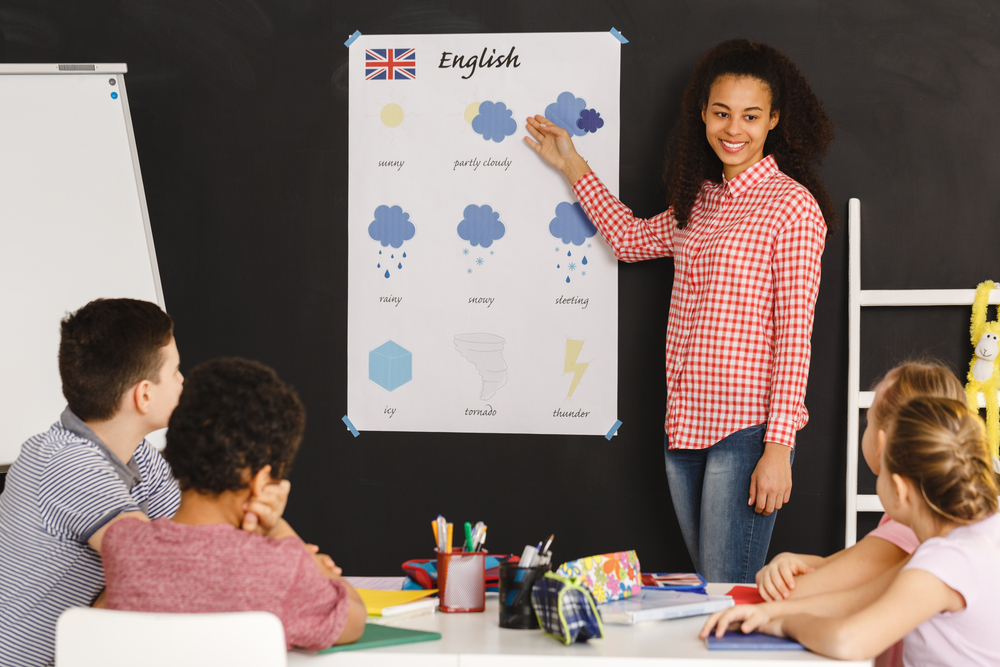



Mathematical reasoning and sight words are fundamental building blocks in early childhood development. For children aged 3-4, integrating mathematical reasoning into their learning environment fosters critical thinking, problem-solving skills, and cognitive development. Parents and teachers should prioritize this area as it helps children understand patterns, quantities, and relationships in their surroundings, creating a strong foundation for future mathematical concepts.
Incorporating sight words related to math, like "more," "less," "all," or "some," also enhances language skills, enriching their vocabulary and comprehension. Recognizing these terms allows children to express mathematical ideas and engage in conversations, linking language and cognition in a meaningful way.
Moreover, early exposure to these skills can ignite a lasting interest in mathematics, reducing anxiety towards the subject as they grow older. It cultivates a playful, explorative mindset where children can discover mathematical concepts naturally.
When parents and teachers support this learning, they equip children with essential skills that benefit their academic journey and everyday problem-solving scenarios. Ultimately, this preparatory work will empower young learners to approach math conflicts with confidence and creativity, pivotal for lifelong learning.