Number Recognition Sight Words Worksheets for Ages 3-4
10 filtered results
Difficulty Level
Grade
Age
-
From - To
Subject
Activity
Standards
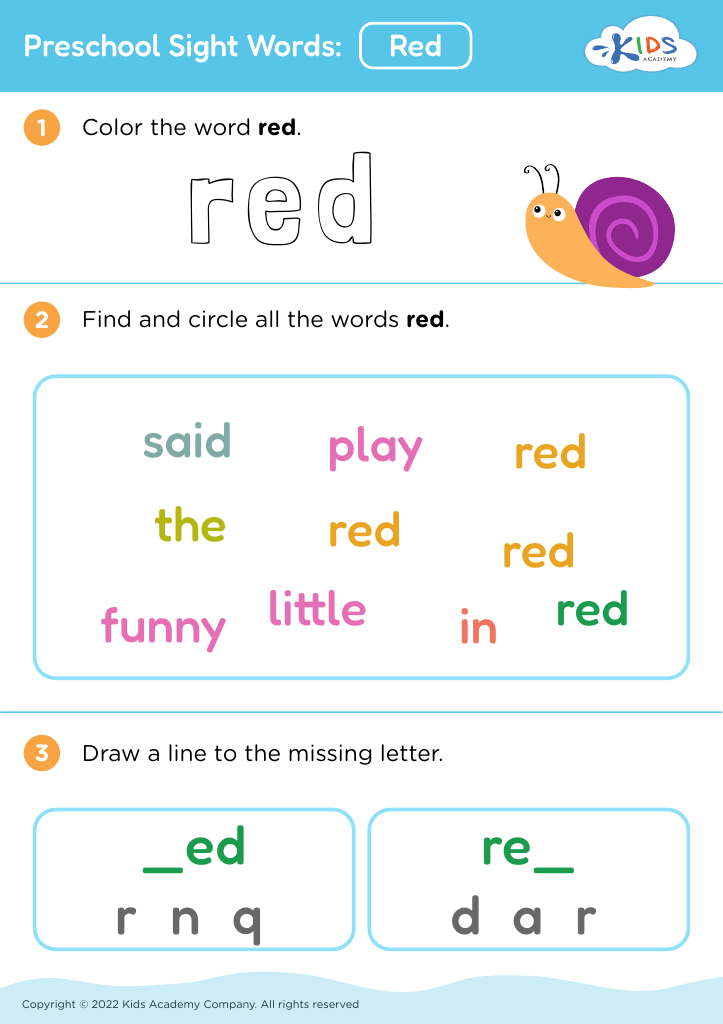
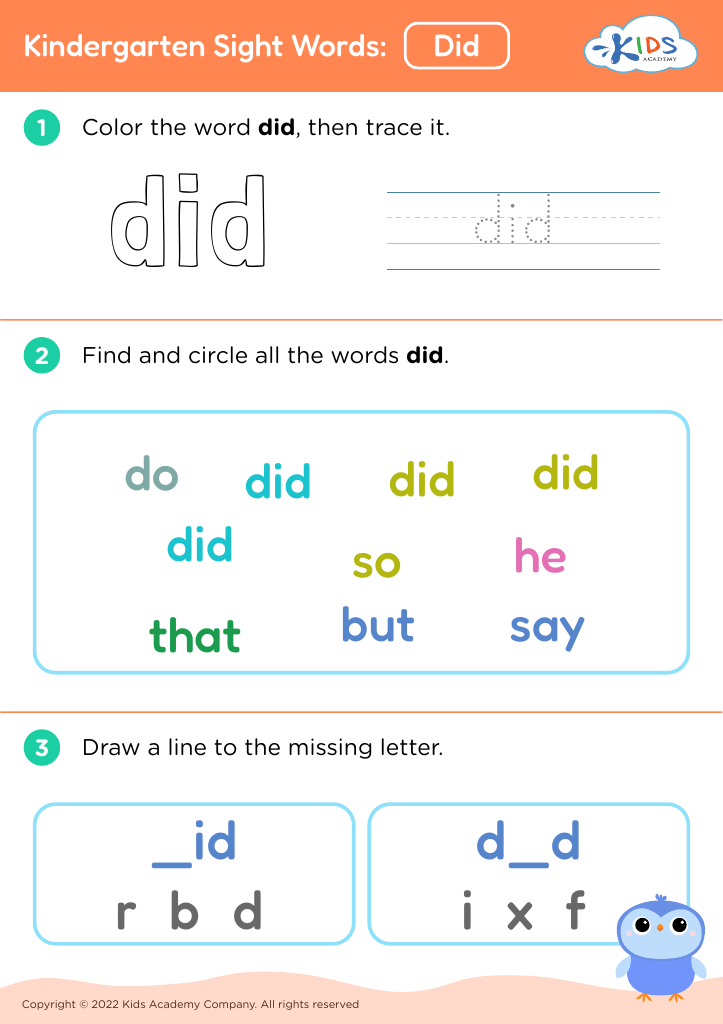
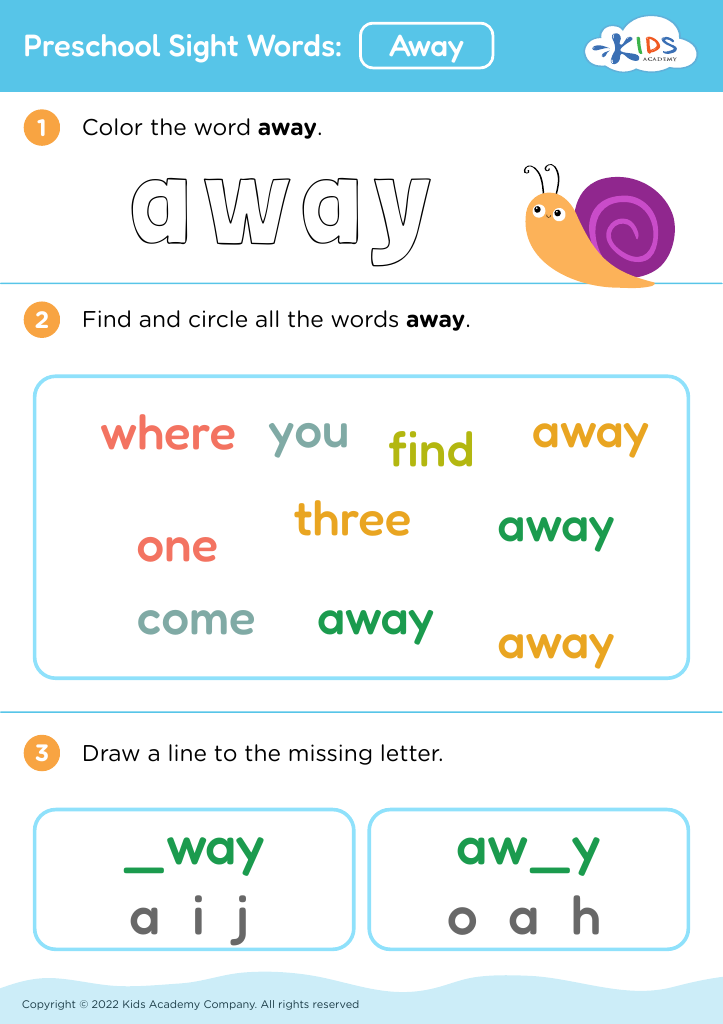
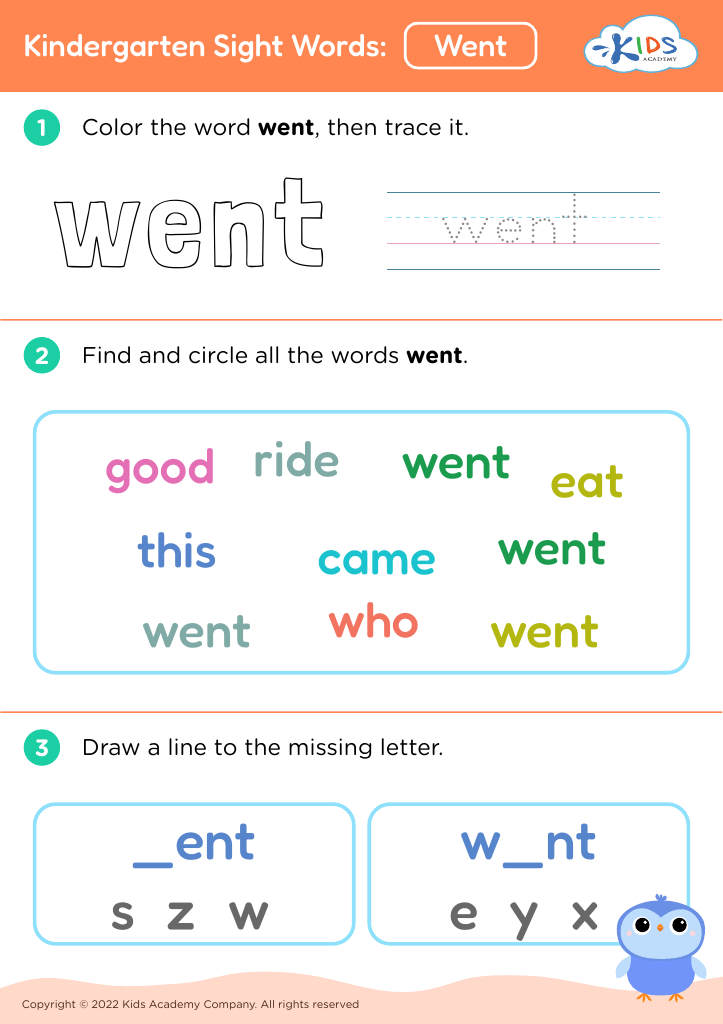
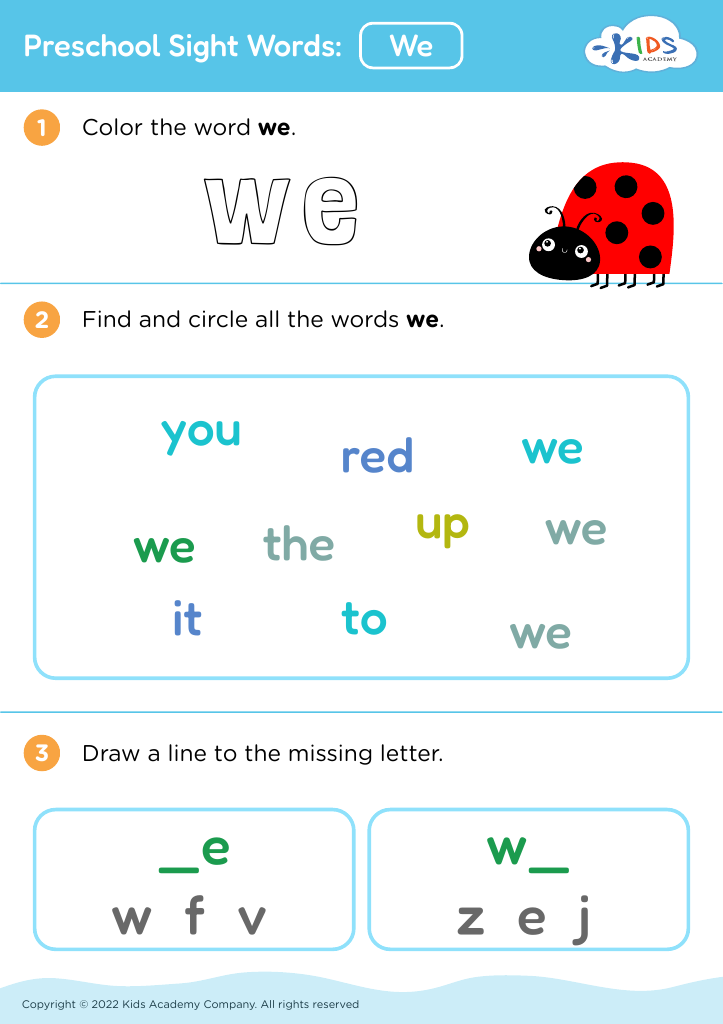
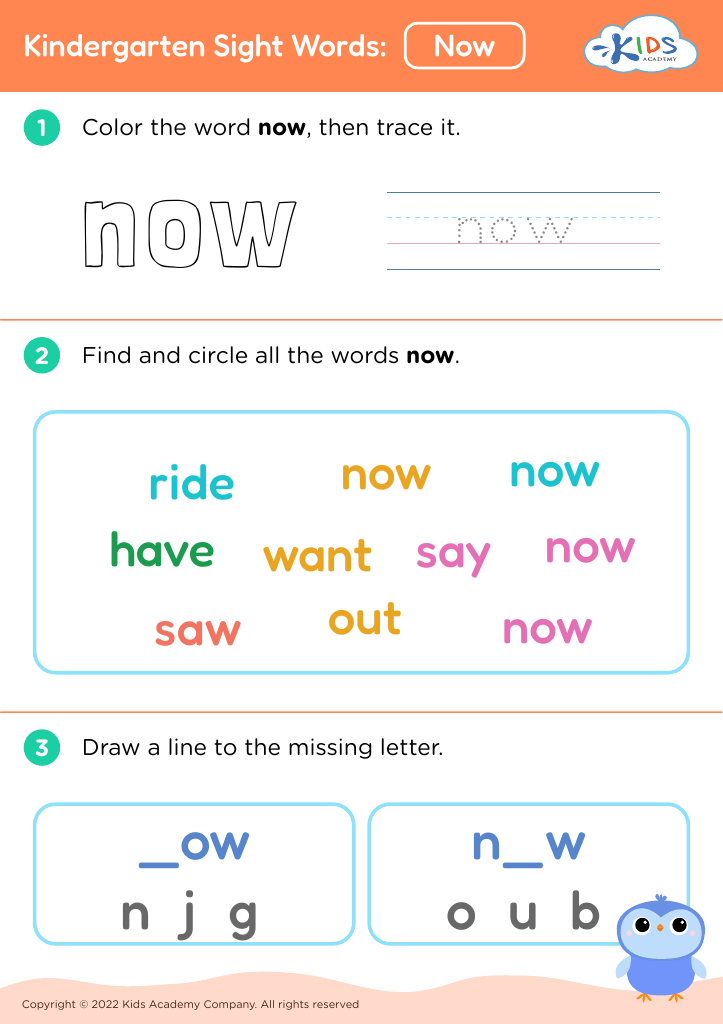
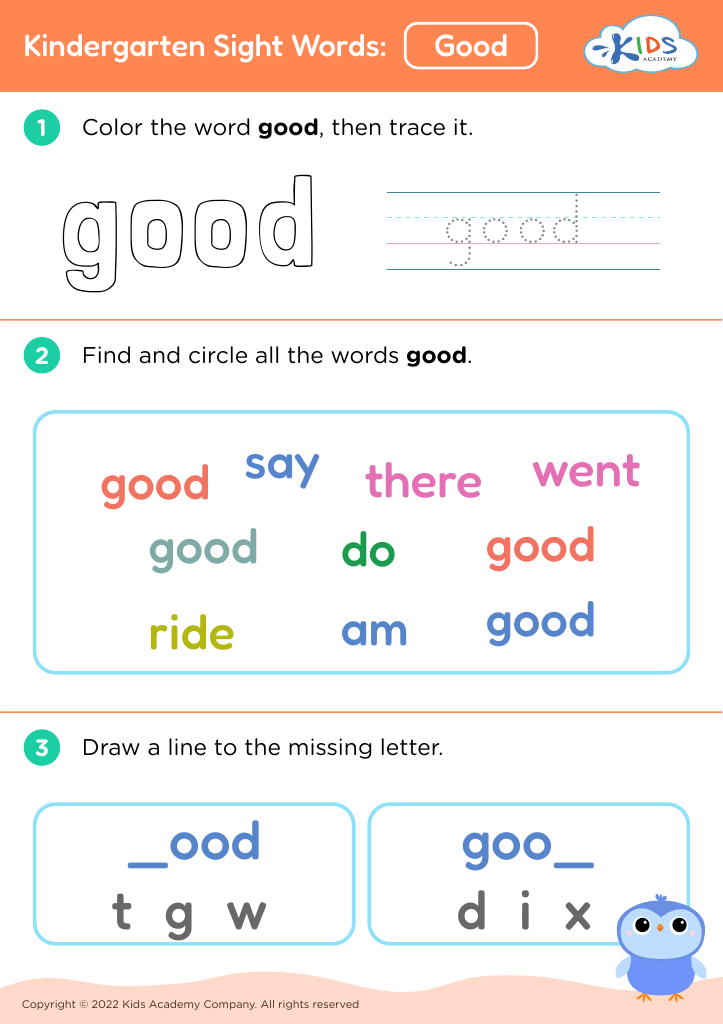
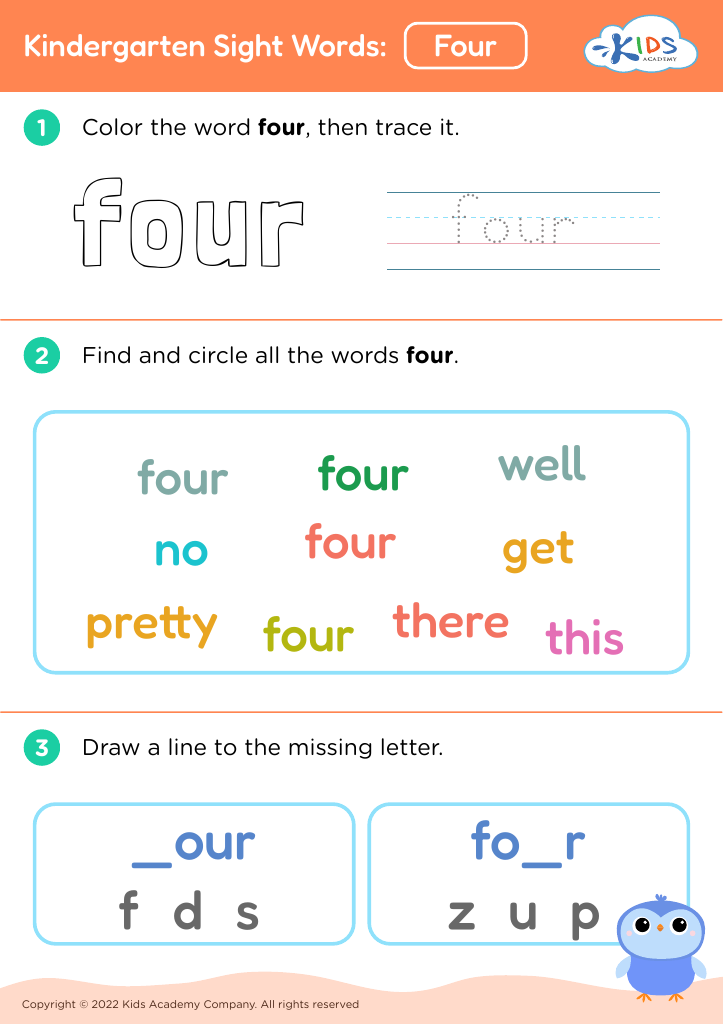
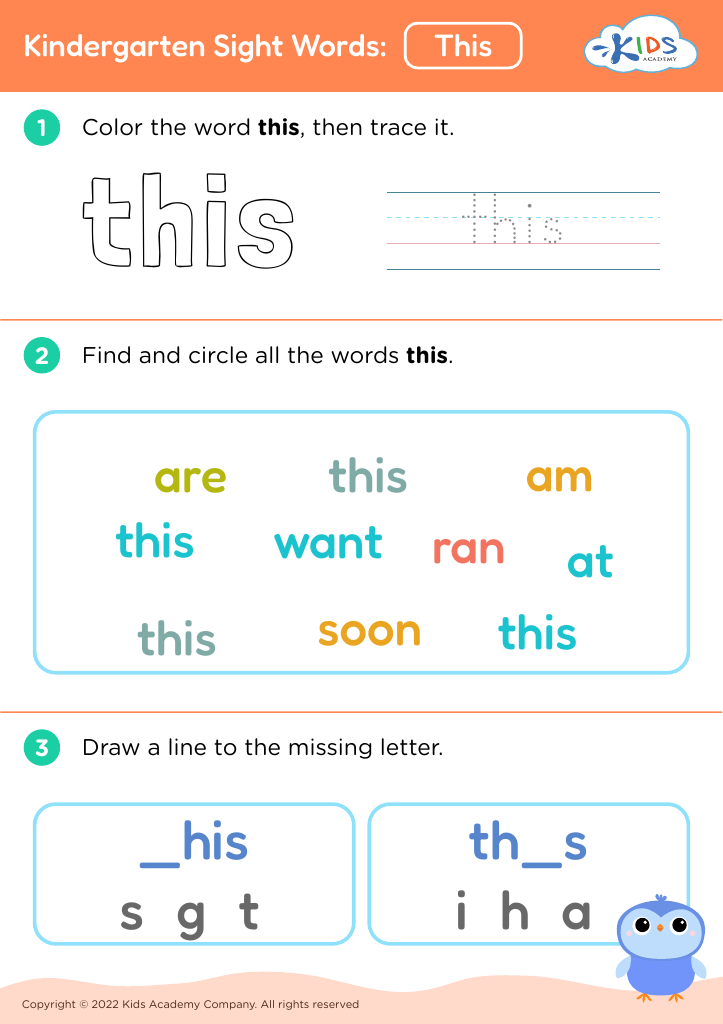
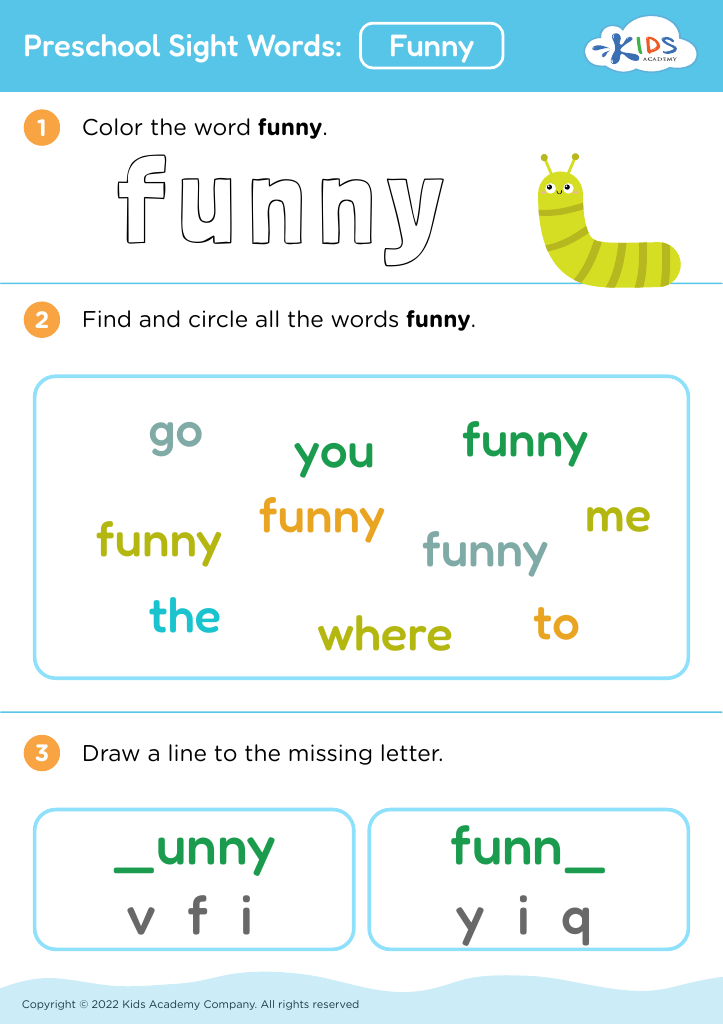
Discover our "Number Recognition Sight Words Worksheets for Ages 3-4," designed to foster early math and literacy skills! These engaging worksheets help young learners recognize numbers and associate them with essential sight words. Each activity is tailored to support cognitive development, making learning fun and interactive. Utilizing colorful visuals and simple exercises, children will enhance their number identification skills while simultaneously expanding their vocabulary. Perfect for parents and teachers, these worksheets ensure a well-rounded educational experience. Start building a solid foundation in numeracy and literacy today with our easily accessible, printable resources. Help your child become confident in both numbers and words!
Favorites
With answer key
Interactive





Join Kids Academy for Free
Who is primarily going to use this learning content?








Number recognition and sight words are foundational skills that play a crucial role in early childhood education for ages 3-4. Understanding numbers helps children grasp basic math concepts, fostering logical thinking and problem-solving abilities. When young learners can recognize numbers, they can identify patterns, count objects, and relate to daily activities like shopping or playing games, thereby building a positive relationship with math.
Sight words, on the other hand, are common words that children encounter frequently in reading. These include words like "the," "and," and "is." Mastery of sight words enhances reading fluency, comprehension, and confidence. When children can quickly recognize these words, they become more engaged and motivated readers, paving the way for lifelong literacy skills.
Teachers and parents should emphasize these areas because early competency in number recognition and sight words lays a strong foundation for future academic success. It empowers children with essential tools that enhance cognitive development and communication abilities. Moreover, fostering an enjoyable learning environment with numbers and words nurtures curiosity and a love for learning, creating a solid platform for continual growth in academia and beyond. Investing time in these skills now will yield significant benefits as children progress through their educational journey.