Problem-Solving Skills Sight Words Worksheets for Ages 3-4
8 filtered results
Difficulty Level
Grade
Age
-
From - To
Subject
Activity
Standards
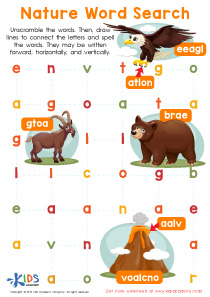
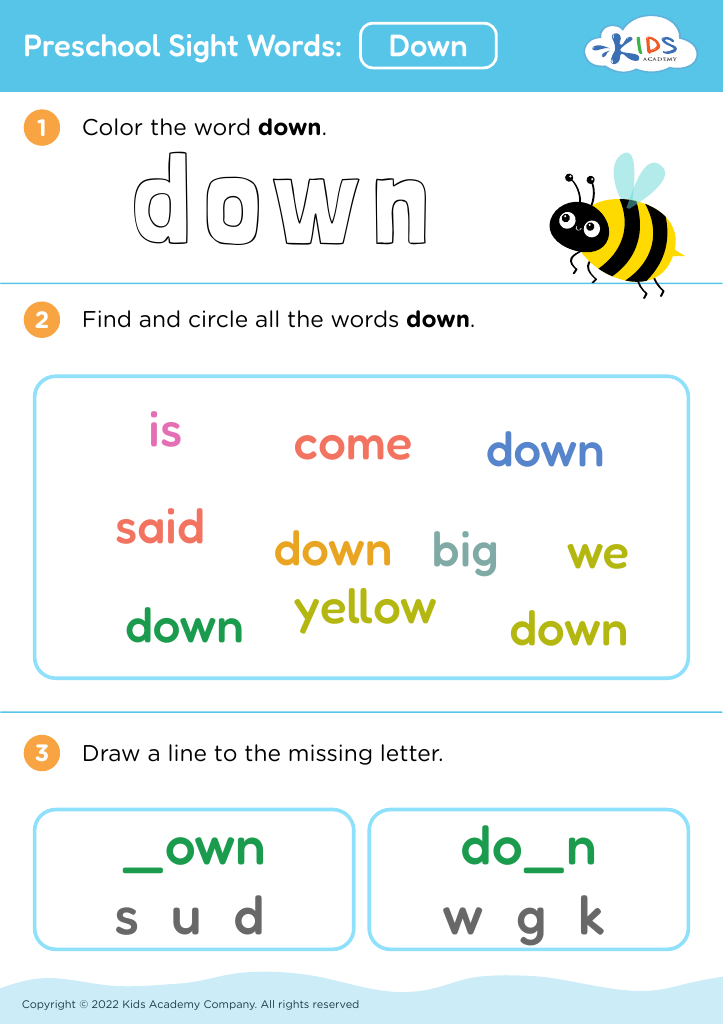
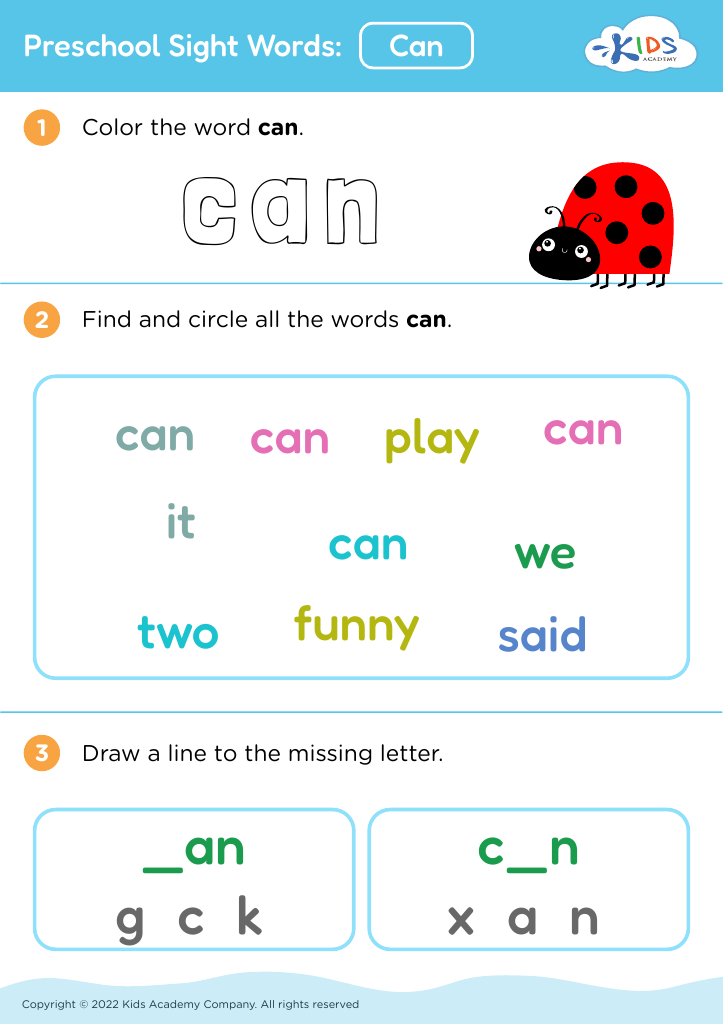
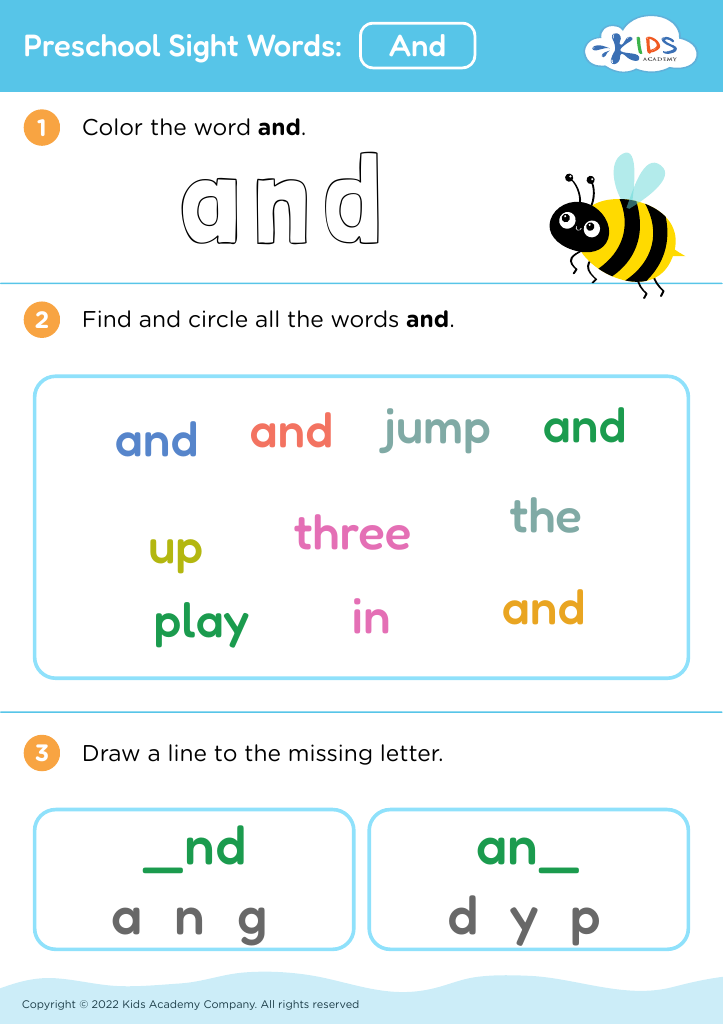
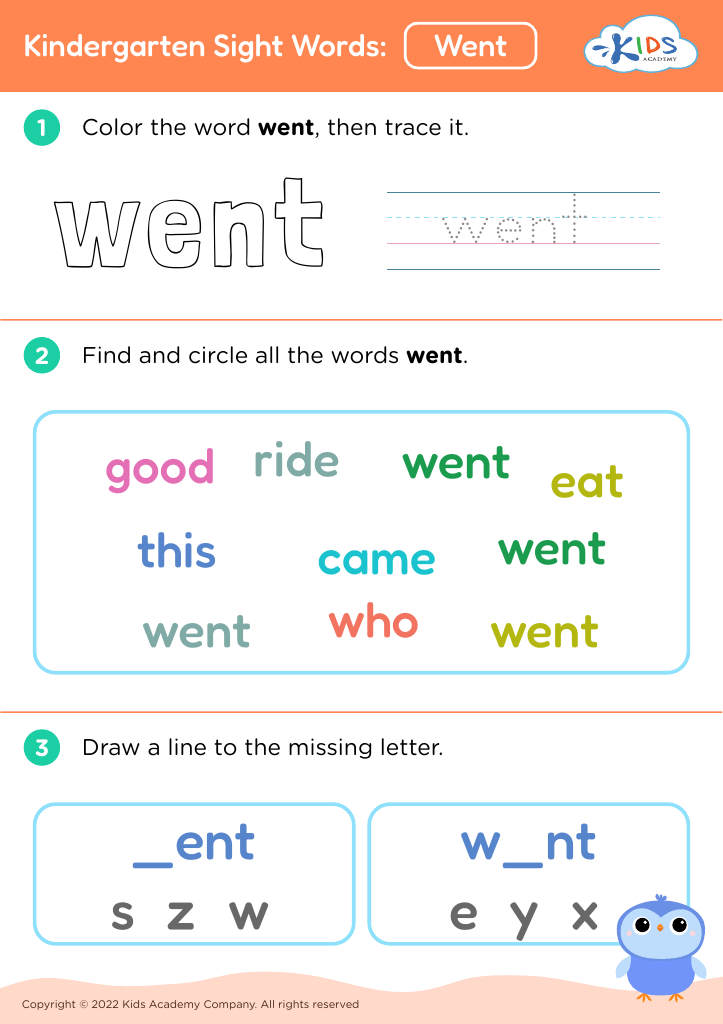
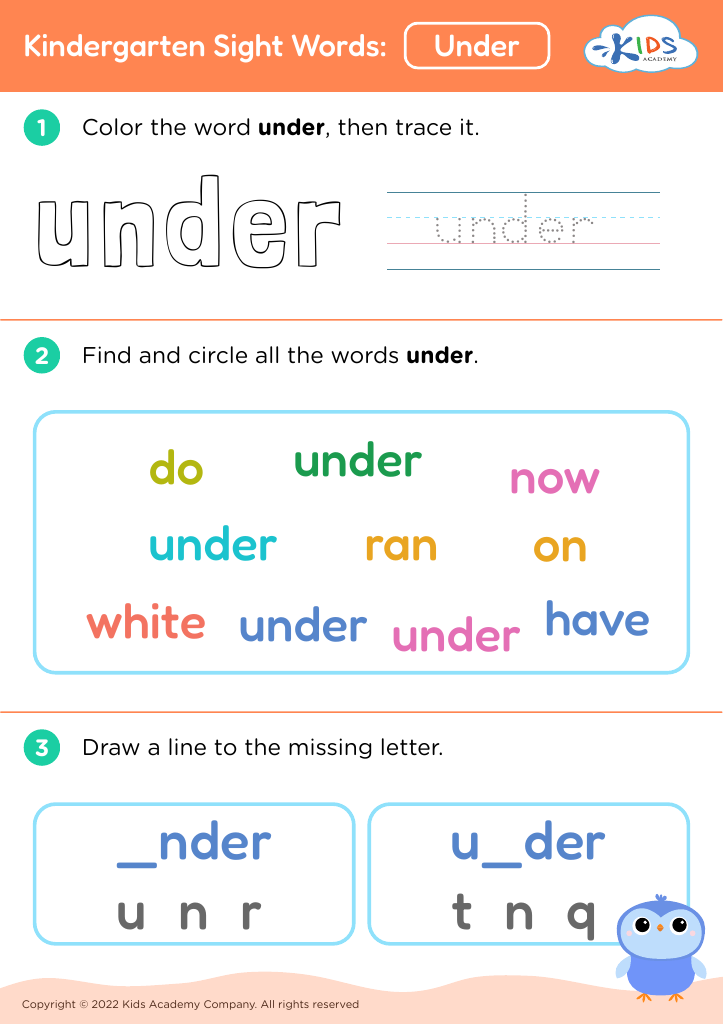
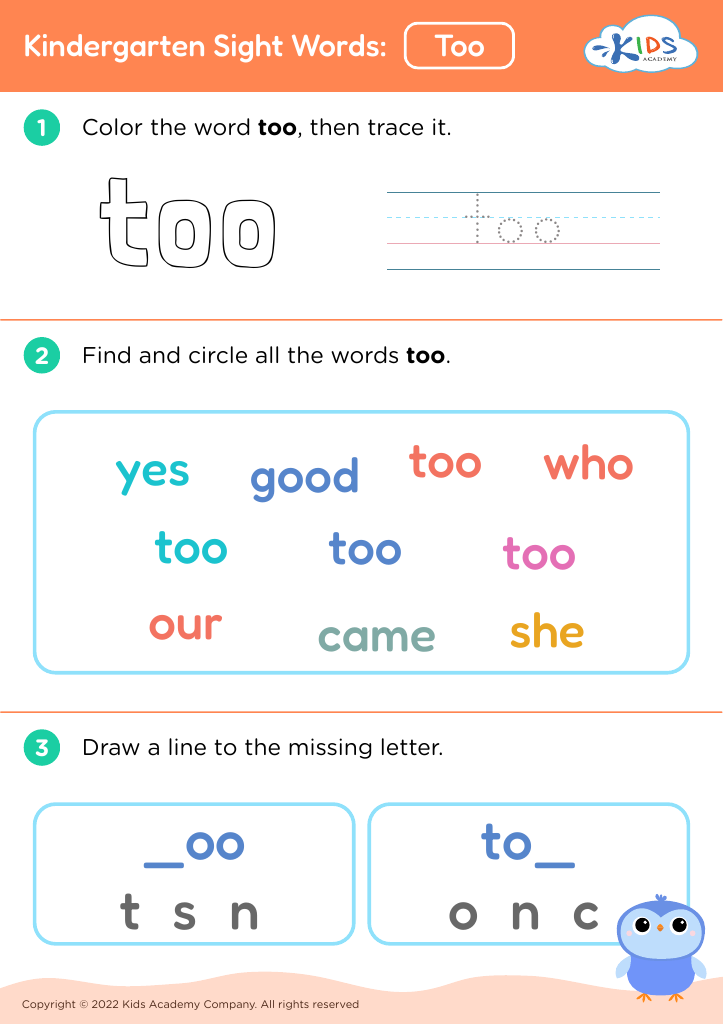
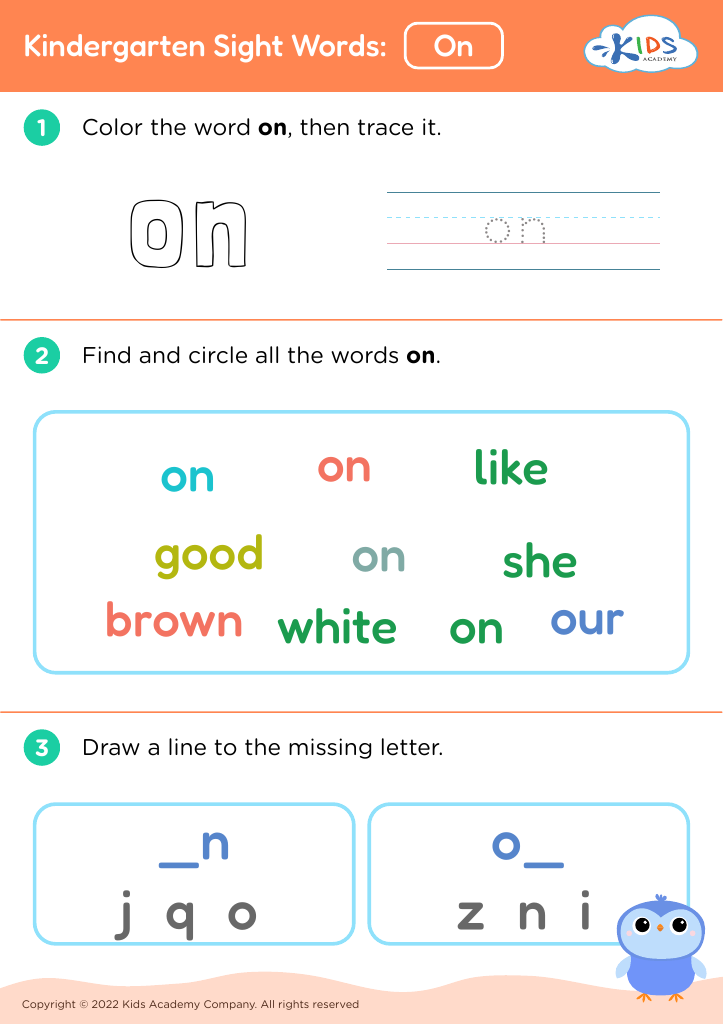
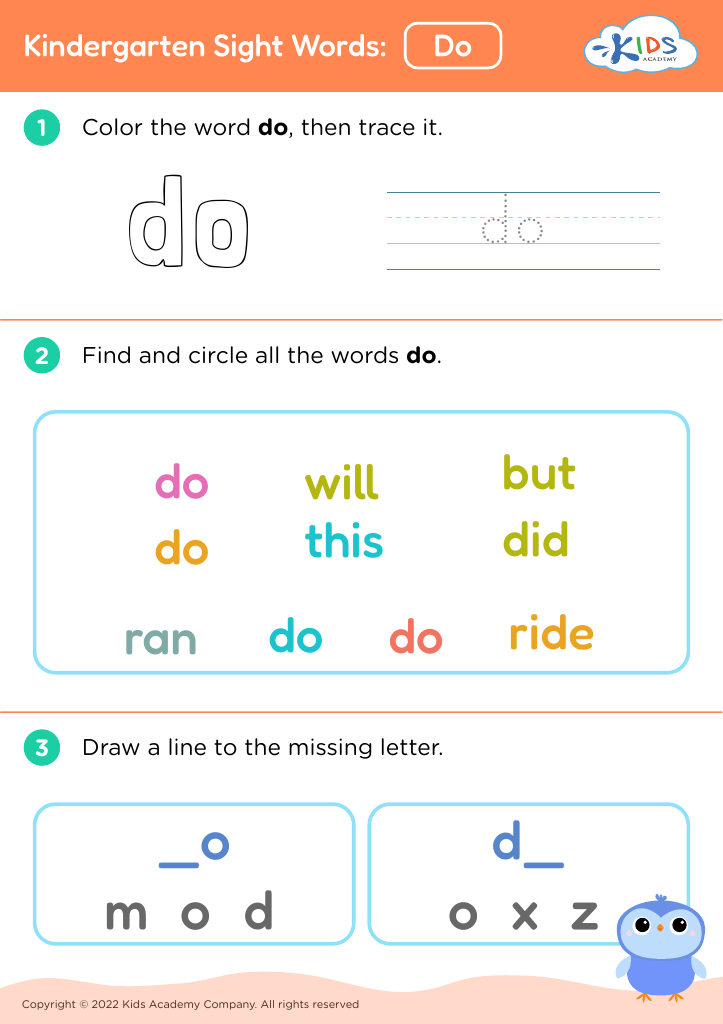
Enhance your child’s early learning experience with our Problem-Solving Skills Sight Words Worksheets designed specifically for ages 3-4. These engaging worksheets combine foundational sight words with critical problem-solving activities, encouraging young learners to think creatively and develop their analytical skills. Each worksheet promotes literacy while inspiring kids to explore and solve simple puzzles and challenges. Perfect for home or classroom use, these resources help foster independent thinking and an enthusiasm for learning. Support your child's early development and set the stage for lifelong learning with our fun, educational worksheets that make problem-solving engaging and accessible for little minds!
Favorites
With answer key
Interactive








Join Kids Academy for Free
Who is primarily going to use this learning content?








Parents and teachers should prioritize problem-solving skills and sight words for children aged 3-4 because these foundational aspects are pivotal for early literacy and cognitive development. At this age, children are like sponges, eagerly absorbing knowledge and skills that will shape their future learning. Introducing sight words facilitates reading fluency, helping children recognize common words quickly and with confidence, which enhances their overall reading experience. Familiarity with sight words lays the groundwork for later literacy skills, paving the way toward effective communication.
Moreover, problem-solving skills nurtured during this developmental stage empower children to think critically and independently. When children are engaged in problem-solving activities—be it puzzles, games, or open-ended questions—they learn to approach challenges creatively and persistently. This not only sharpens their analytical skills but also builds their self-esteem, as they gain confidence in their ability to navigate obstacles.
Parents and teachers play a crucial role in this process by integrating problem-solving and sight word practices into play and daily interactions. By fostering these skills early on, they set children on a path toward academic success, social-emotional growth, and lifelong love for learning. Hence, prioritizing these activities is essential for holistic childhood development.