Simplifying Fractions Sight Words Worksheets for Ages 3-4
3 filtered results
-
From - To
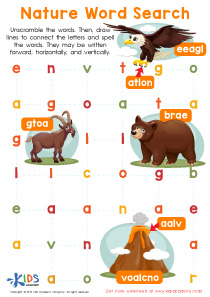
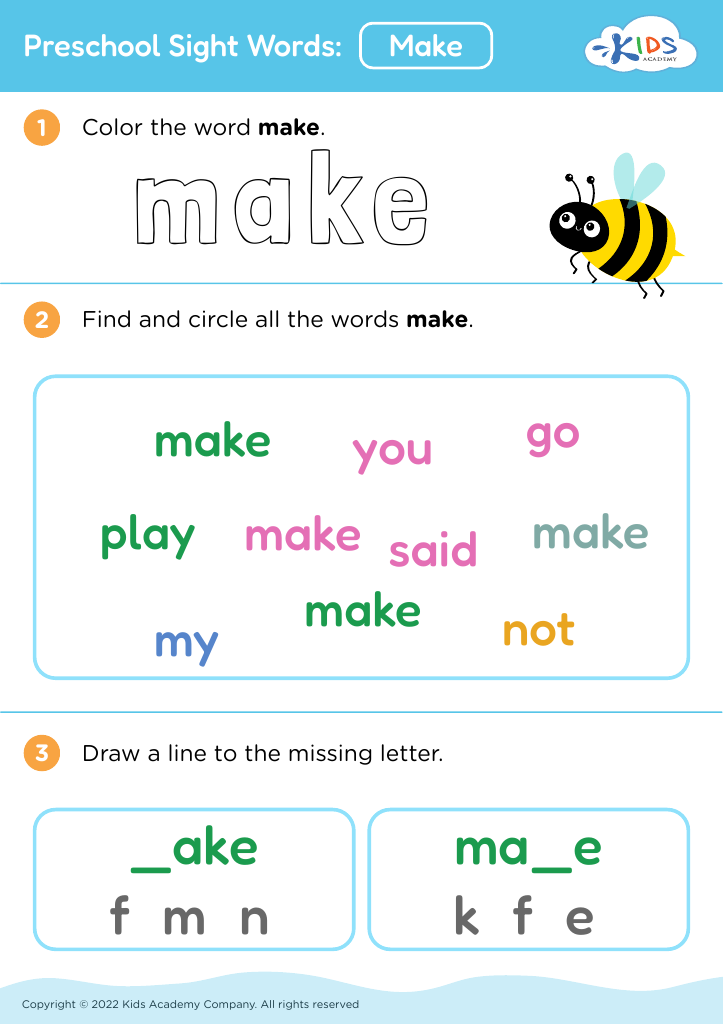
Discover our engaging "Simplifying Fractions Sight Words Worksheets" designed specifically for ages 3-4. These worksheets beautifully blend early literacy and math concepts, helping young learners recognize and read sight words while embarking on a playful journey through fractions. Each worksheet fosters essential skills in a visually appealing manner, enabling kids to grasp basic fraction concepts seamlessly. Ideal for homeschoolers and preschool educators, our user-friendly format makes learning fun and interactive. Encourage your child's cognitive development and reading proficiency with our thoughtfully crafted activities that build a strong foundation for future learning. Download these worksheets today and watch their confidence soar!







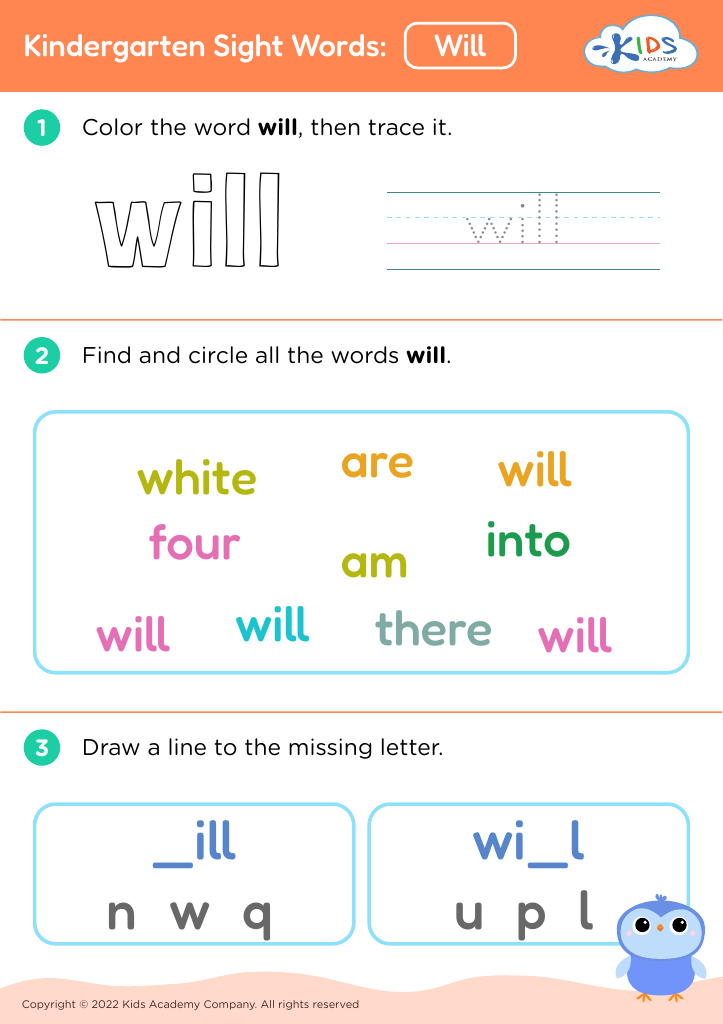
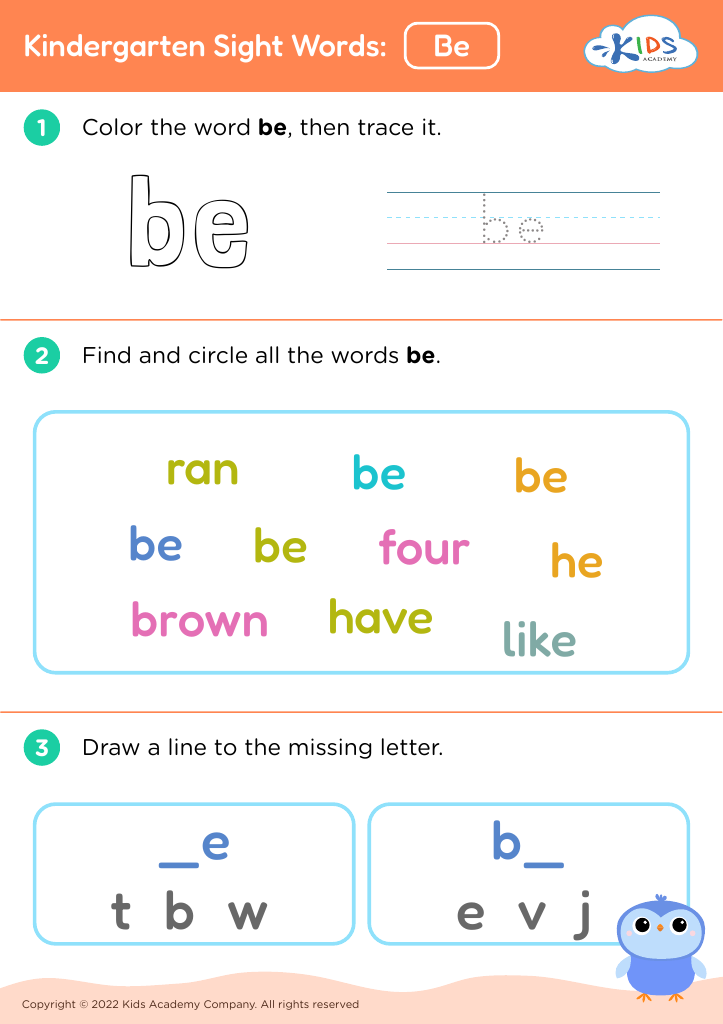








Simplifying fractions and introducing sight words at an early age are crucial for establishing a strong foundation in mathematics and literacy. For children aged 3-4, these skills promote critical thinking and cognitive development. Simplifying fractions helps young learners grasp the concept of division and proportionality, creating a vital connection to real-world applications like sharing and comparing quantities.
Introducing sight words during this stage fosters language development and boosts reading comprehension. Recognizing high-frequency words enables children to access diverse texts with confidence, developing their overall literacy skills. This process not only enriches vocabulary but also enhances spelling, writing, and verbal communication.
For parents and teachers, focusing on these areas provides opportunities for meaningful interaction and engagement with children. Incorporating interactive games and playful activities can make learning enjoyable, thereby nurturing a love for education. Additionally, tracking progress in simplified fractions and sight words allows adults to tailor educational approaches, ensuring that each child’s learning is catered to their unique pace and style.
Ultimately, emphasizing these skills fosters confident, competent learners who are prepared for future academic challenges. Investing time and effort in these foundational skills is critical for setting children on a path to lifelong learning and success.