Alphabet understanding ABC Order Worksheets for Ages 3-6
3 filtered results
-
From - To
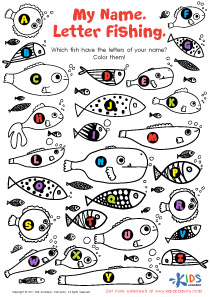
Empower your child's early literacy journey with our "Alphabet Understanding ABC Order Worksheets" designed for ages 3-6. These engaging and interactive worksheets help young learners grasp the basics of alphabetical order while enhancing letter recognition, sequencing skills, and cognitive development. Perfect for preschool and kindergarten students, each worksheet is crafted to make learning fun through vibrant illustrations and child-friendly exercises. Watch their confidence grow as they master placing letters in the correct sequence and develop a solid foundation for future reading and writing success. Foster a love for learning with our expertly designed alphabet worksheets!
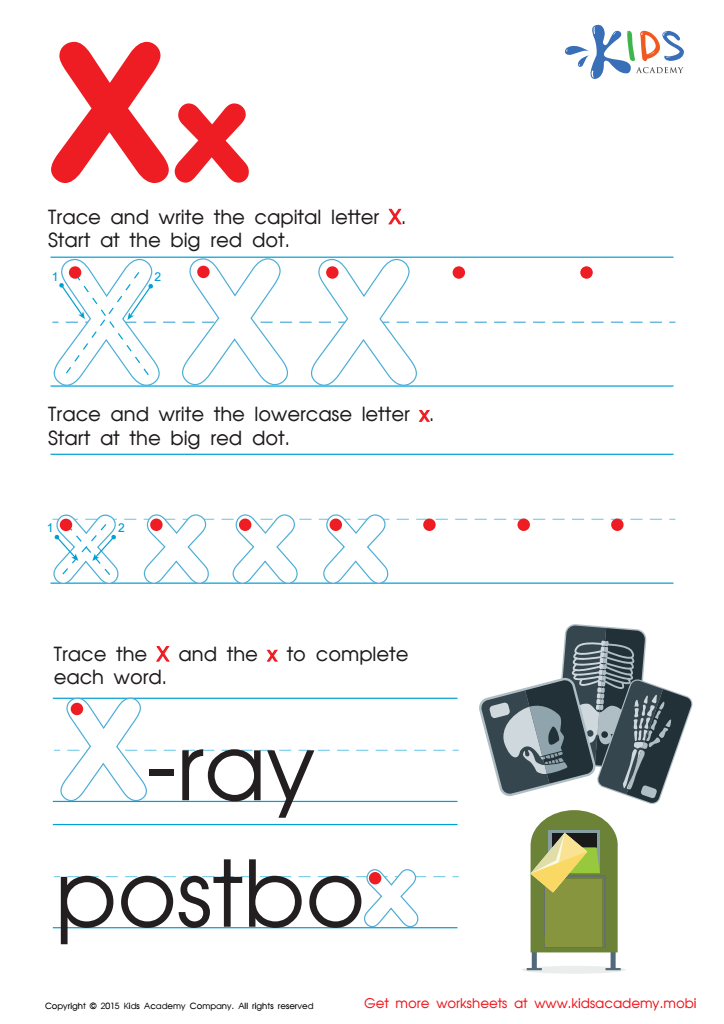
Letter X Tracing Page
 Assign to My Students





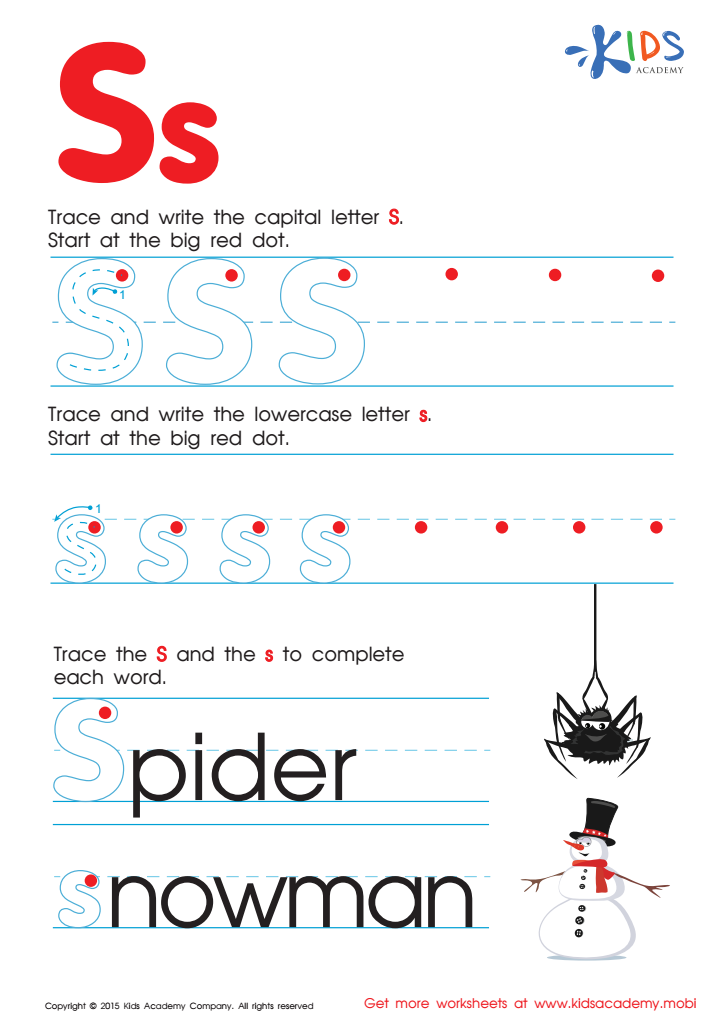
Letter S Tracing Page
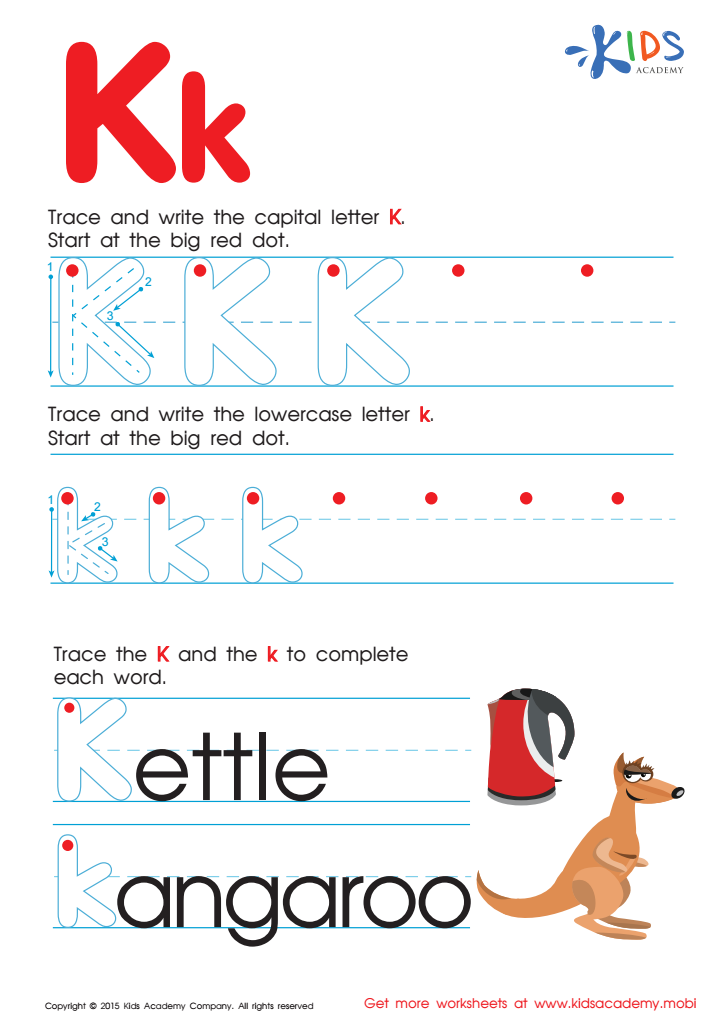
Letter K Tracing Page







Alphabet understanding and knowledge of ABC order are fundamental skills for children aged 3-6 that serve as the foundation for language and literacy development. Firstly, recognizing and sequencing the alphabet helps young learners understand the concept of order, which is essential for cognitive development and understand patterns and arrangements in both language and math.
Knowing ABC order supports early reading skills. When children are familiar with the sequence of the alphabet, they can more easily recognize letters within words, making it simpler for them to decode and learn new words. This familiarity aids in phonemic awareness, which is the ability to hear, identify, and manipulate individual sounds in spoken words — a critical step toward fluent reading.
In addition, alphabetical knowledge enhances vocabulary skills. Children who know the alphabet can effectively use tools like dictionaries or indexes, enabling them to find information quickly as they grow older. This skill also helps them in logical reasoning and categorization important for success in school and beyond.
Finally, cultivating a strong grasp of the alphabet and its order fosters confidence and motivation to learn. As children successfully recognize, recite, and utilize ABCs, they experience a sense of achievement that encourages further learning.
Parents and teachers should support the conceptual understanding of the alphabet to set a strong, encouraging foundation for lifelong literacy and learning.