Alphabet Learning ABC Letters Worksheets for Ages 3-6
3 filtered results
-
From - To
Discover our engaging Alphabet Learning ABC Letters Worksheets designed for children ages 3-6! These printable resources offer a fun and interactive way for young learners to master the fundamentals of the alphabet. Our worksheets feature vibrant illustrations, tracing activities, and matching games that encourage fine motor skills and letter recognition. Tailored for preschool and kindergarten readiness, these worksheets inspire a love for learning while building confidence in early literacy skills. Perfect for homeschooling or classroom use, our Alphabet Learning materials will make learning letters enjoyable and effective. Explore our collection today and watch your child's reading journey flourish!
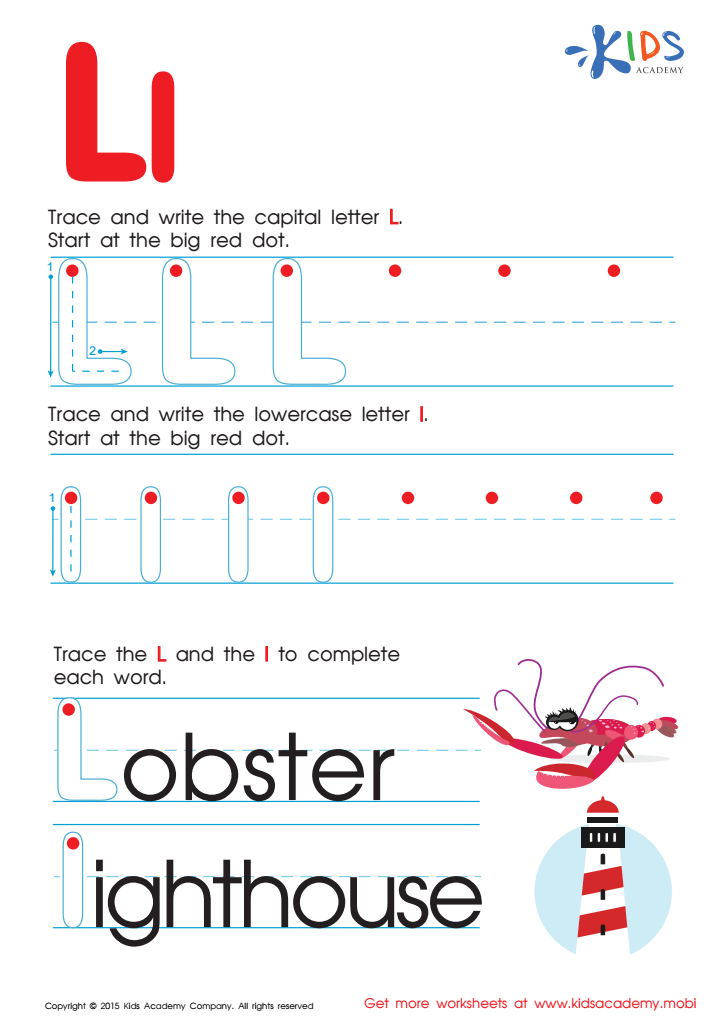
Letter L Tracing Page

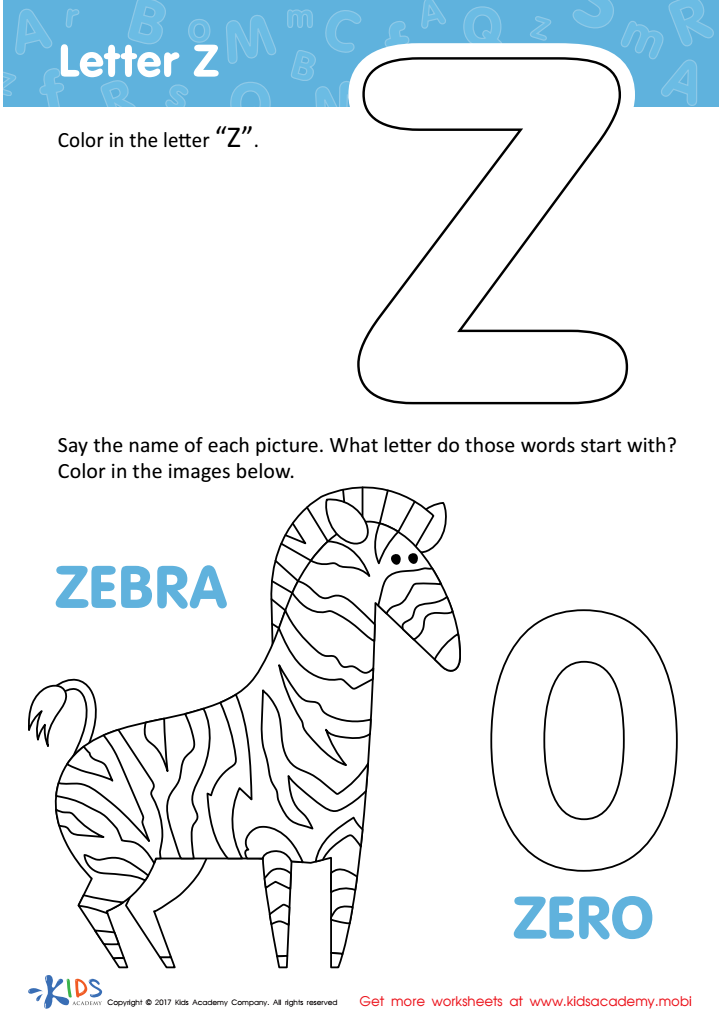
Letter Z Coloring Sheet
 Assign to My Students
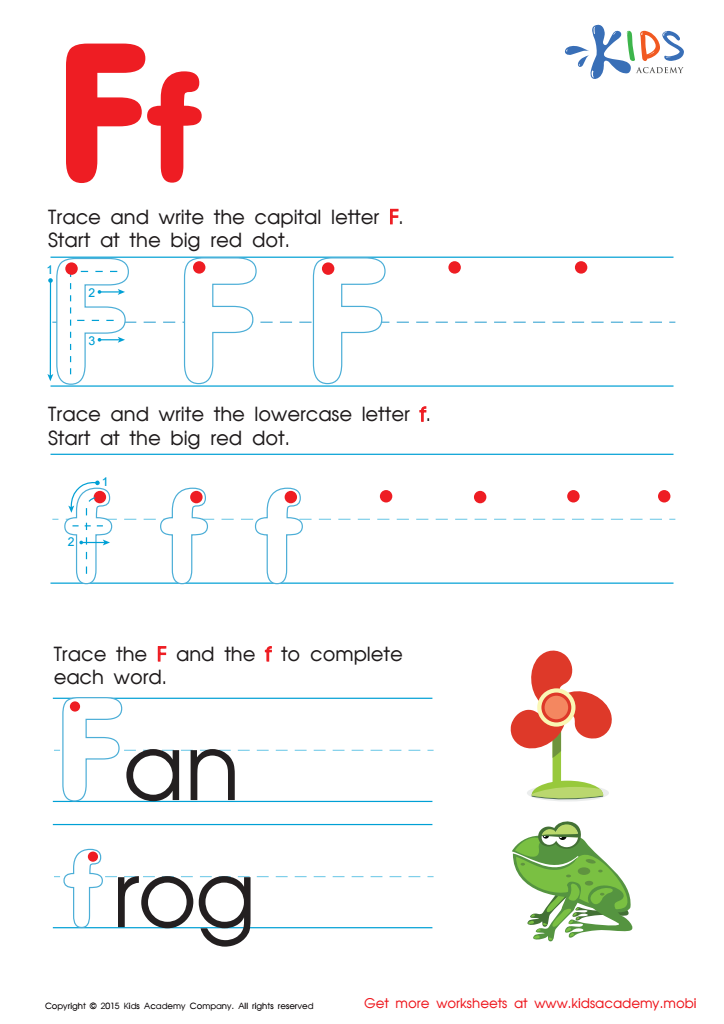
Letter F Tracing Page








Alphabet learning is crucial for children aged 3-6 as it lays the foundation for future literacy skills. At this developmental stage, children are naturally curious and eager to explore language. Knowing the ABCs enhances their ability to recognize letters, which is essential for reading and writing. Learning the alphabet not only boosts phonemic awareness but also improves vocabulary development, enabling children to communicate more effectively.
Moreover, engaging with ABC letters fosters cognitive skills such as memory, attention, and problem-solving. Fun teaching methods—like songs, games, and hands-on activities—make learning enjoyable, keeping children eager to participate. This positive experience with letters may lead to a lifelong love of reading.
For parents and teachers, nurturing alphabet recognition is fundamental in preparing children for academic success. Addressing each child’s unique learning style ensures that they grasp these essential skills. As children progress through school, a strong understanding of the alphabet makes transitioning into more complex linguistic concepts smoother and less intimidating.
Ultimately, alphabet learning is not just about letters; it's about equipping young children with the tools they need for lifelong learning, communication, and confidence in their educational journey.







