Alphabetical understanding Alphabet Worksheets for Ages 3-6
3 filtered results
-
From - To
Unlock your child's potential with our engaging Alphabetical Understanding Worksheets, designed specifically for kids aged 3-6. These fun, interactive activities promote early literacy skills by helping young learners recognize, understand, and organize letters of the alphabet. Our worksheets feature a variety of exercises, including letter tracing, matching, and sequencing, ensuring a comprehensive approach to letter mastery. Ideal for preschool and kindergarten settings, these resources cater to different learning styles while fostering a love for reading and writing. Discover the joy of learning with our Alphabetical Understanding Worksheets, laying a strong foundation for your child's educational journey!
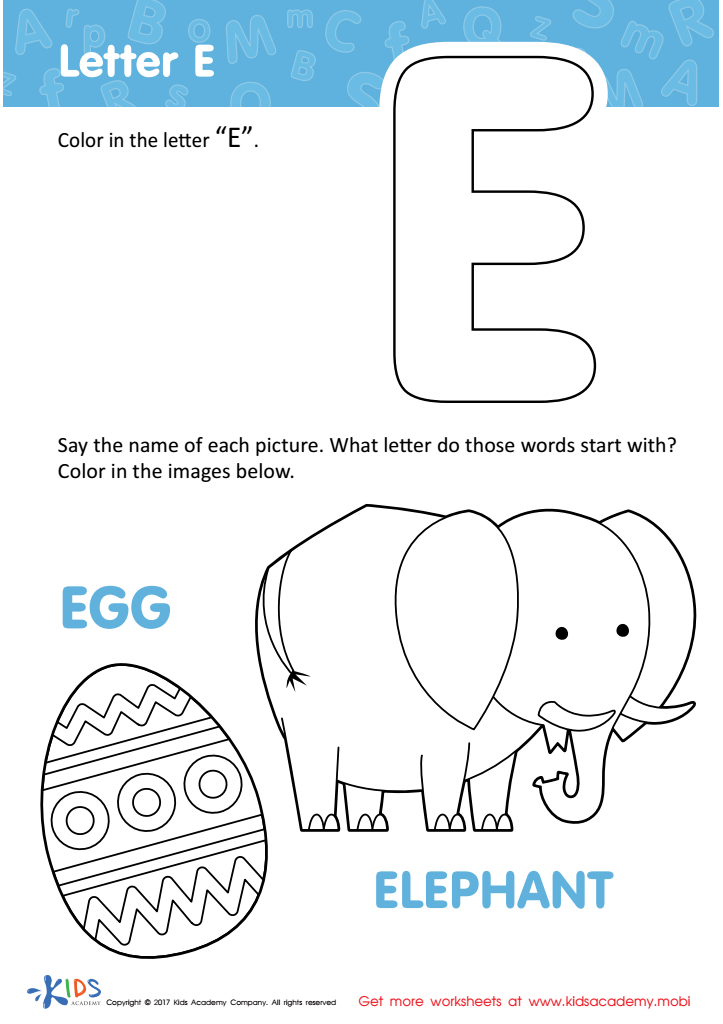
Letter E Coloring Sheet
 Assign to My Students
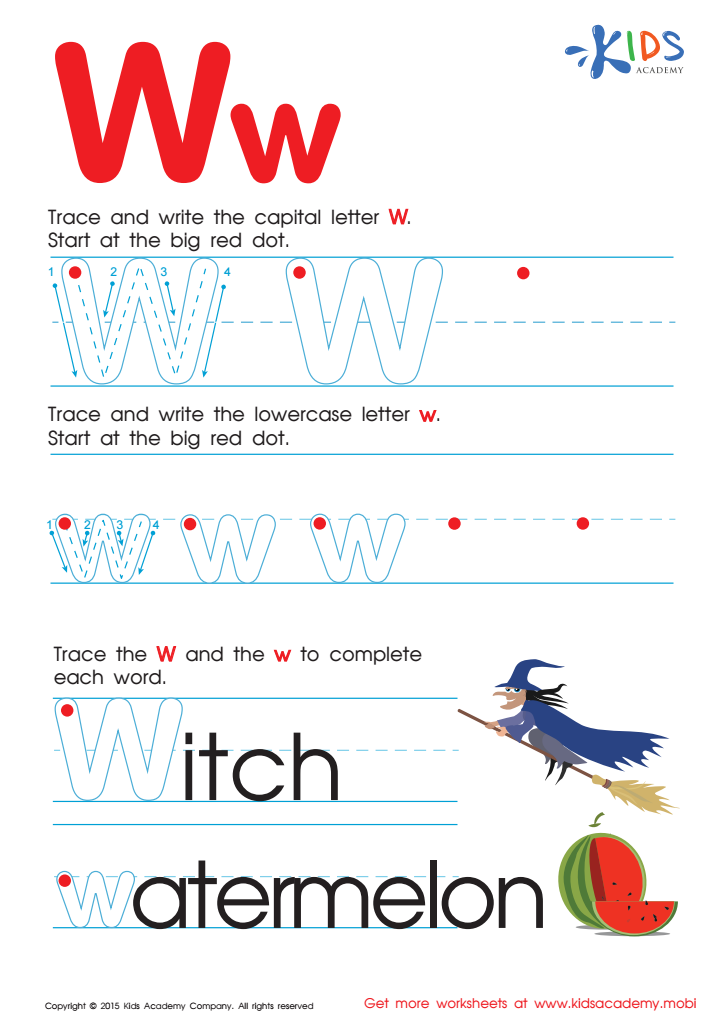
Letter W Tracing Page
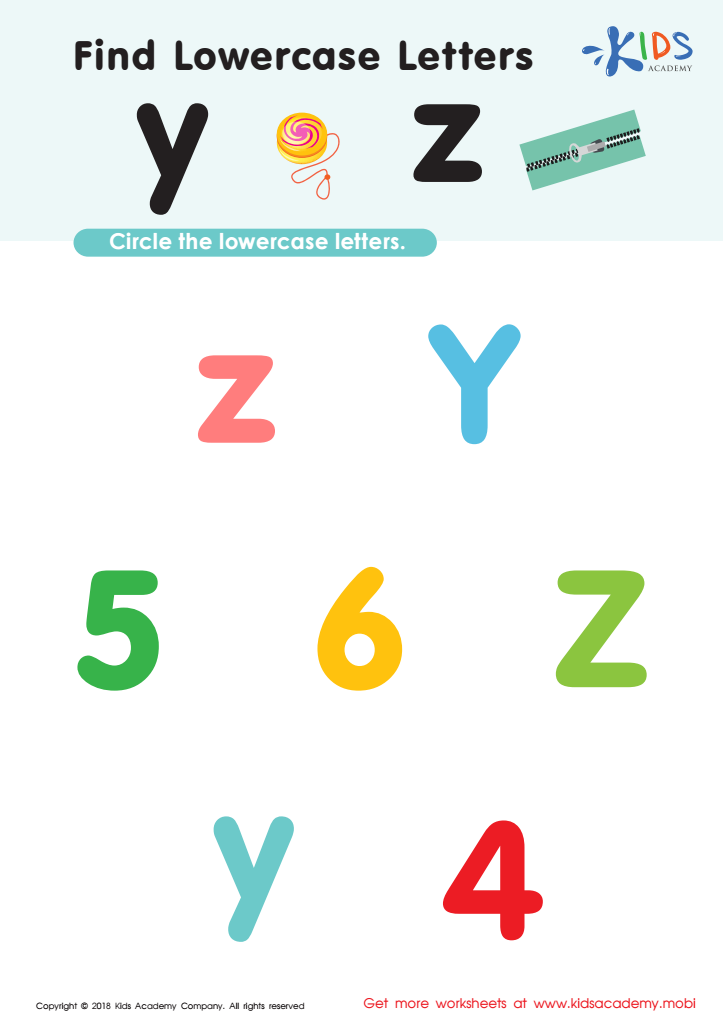
Find Lowercase Letters y z Worksheet





.jpg)


Understanding the alphabet is a foundational skill crucial for young children aged 3-6, as it lays the groundwork for literacy development. Parents and teachers should care about fostering alphabetical understanding because it enhances phonemic awareness, essential for reading and writing. When children recognize letters and their corresponding sounds, they can begin to decode words, paving the way for reading fluency and comprehension.
Moreover, a solid grasp of the alphabet helps improve children's vocabulary and language skills. Early exposure to letters through songs, stories, and play encourages a love for language, making learning enjoyable. This environment promotes cognitive development, as children make connections between letters and sounds, ultimately aiding in their overall academic progress.
Additionally, understanding the alphabet instills confidence in young learners. As they master this skill, they feel empowered to participate in reading activities, fostering a positive attitude toward learning. This early exposure can have long-term benefits, influencing their academic journey and cultivating a lifelong interest in reading.
In summary, nurturing alphabetical understanding from an early age is vital for literacy, language growth, and self-confidence, making it an essential focus for parents and teachers alike.







