Reading skills development Alphabet Worksheets for Ages 3-6
5 filtered results
-
From - To
Boost your child’s reading skills with our engaging Alphabet Worksheets designed specifically for ages 3-6! These interactive resources make learning the alphabet fun and effective, helping young learners connect letters to sounds and words. Each worksheet features vibrant illustrations and creative exercises that promote letter recognition, phonemic awareness, and the foundational skills needed for reading. Our worksheets are perfect for parents and educators looking to enhance early literacy while keeping children entertained. Encourage a love for reading from an early age with our thoughtfully crafted materials that set the stage for lifelong learning. Start your child's reading journey today!
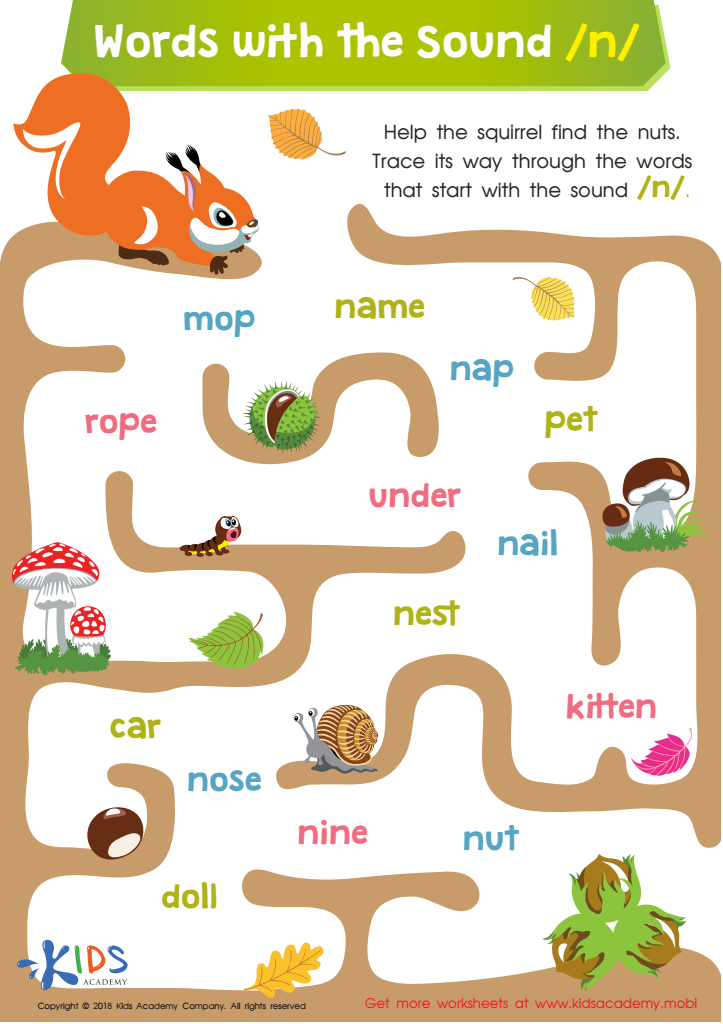
Words with Sound N Reading Worksheet
 Assign to My Students
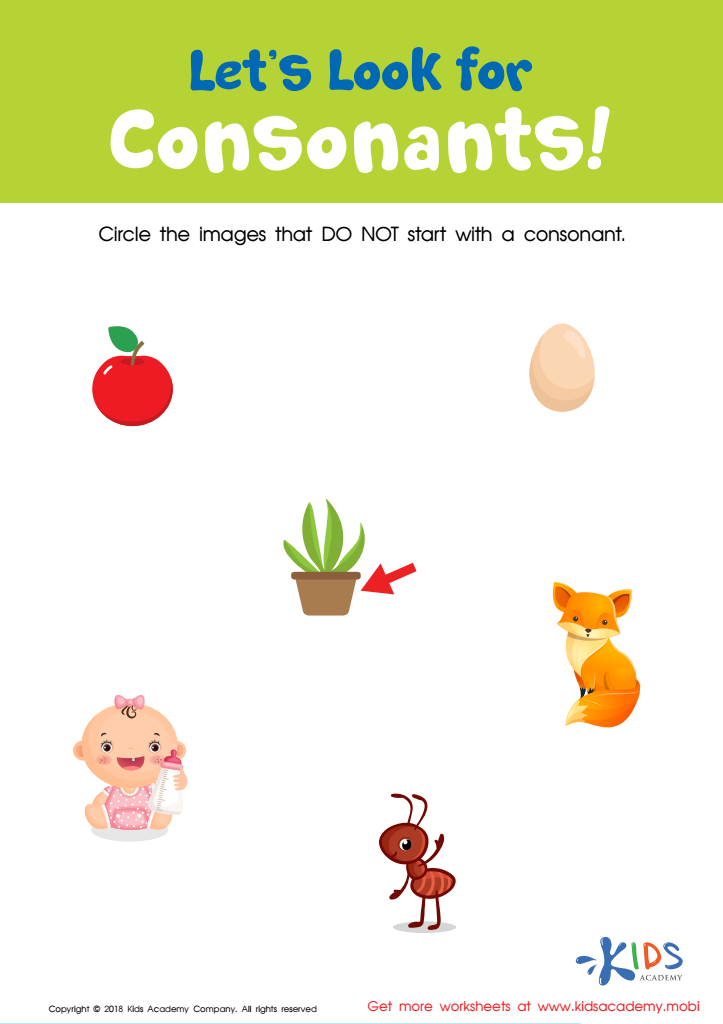
Let's Look for Consonants Worksheet
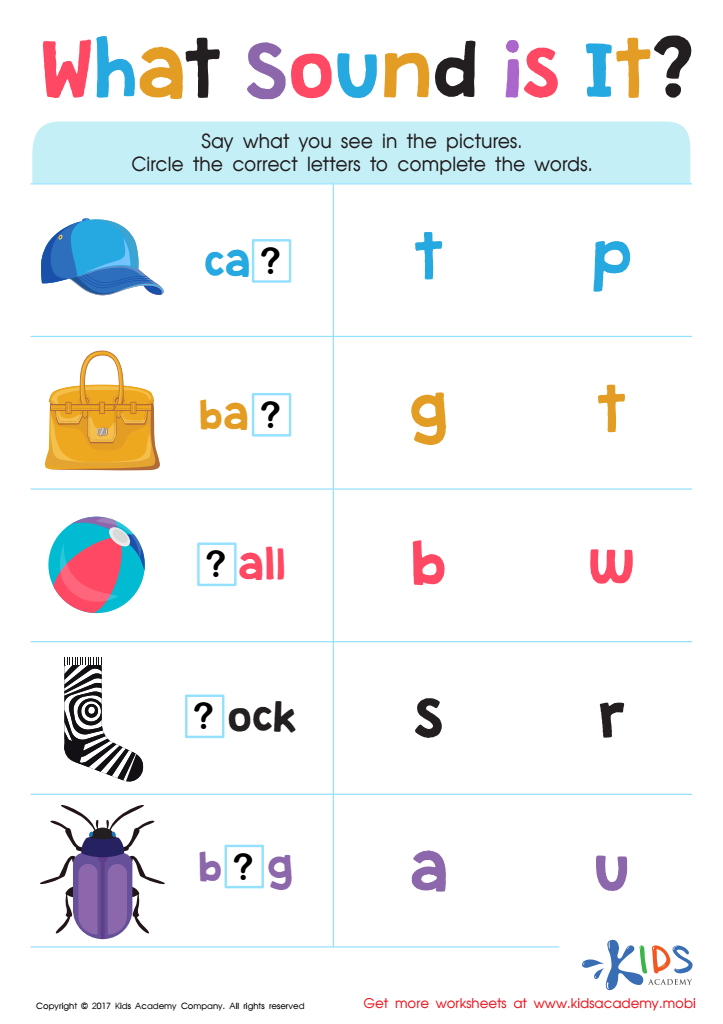
What Sound Is it? Worksheet
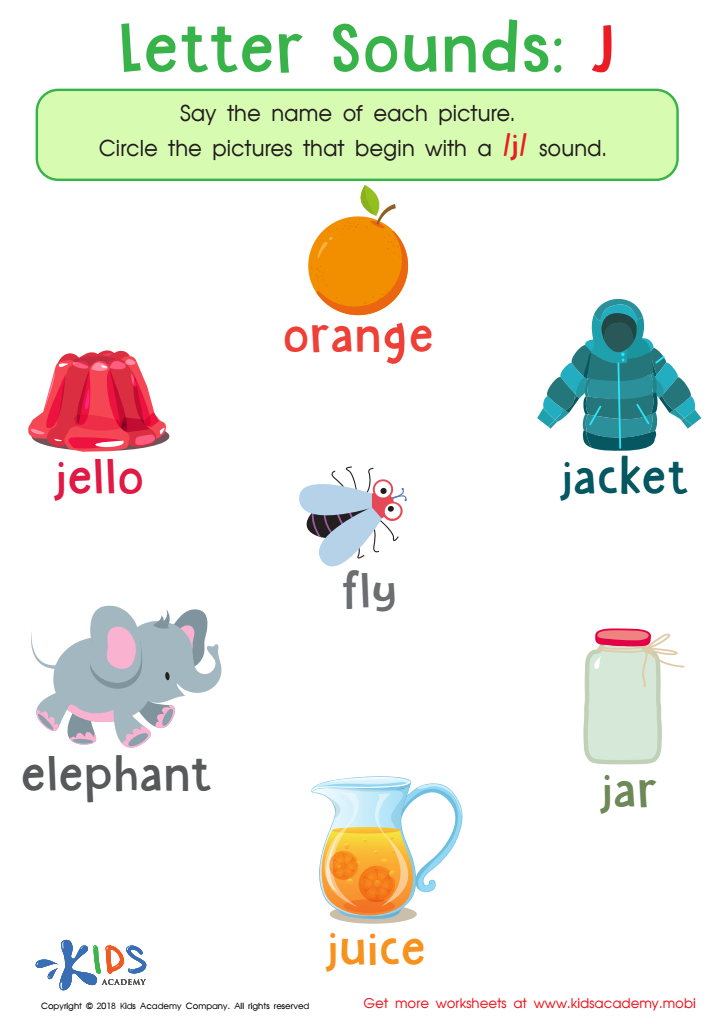
Letter Sounds: J Printable Worksheet
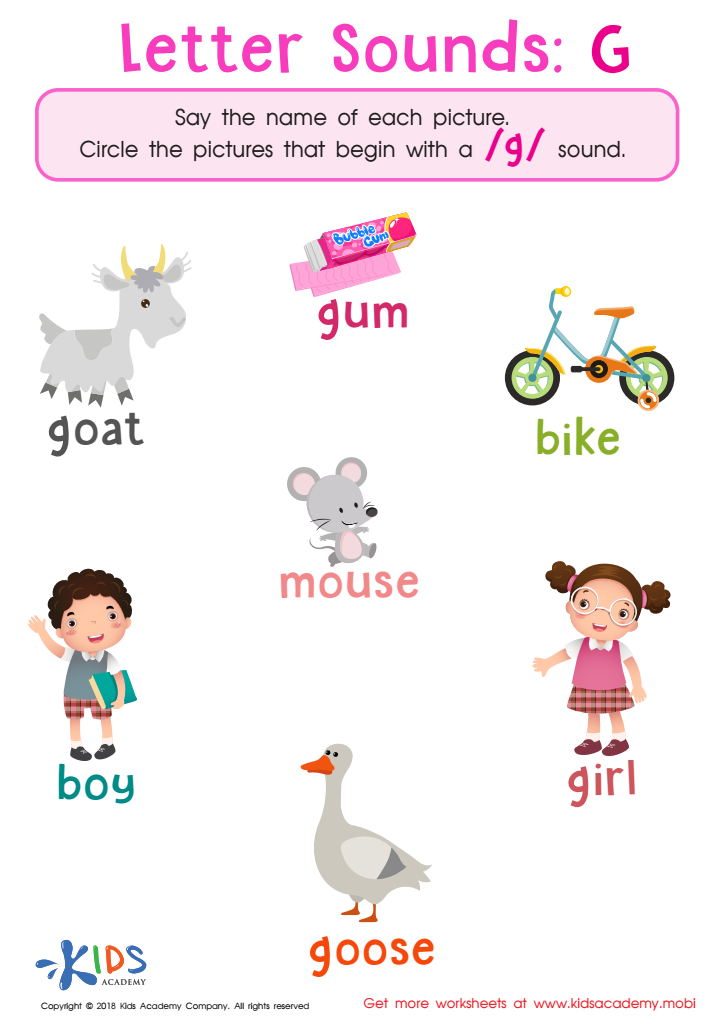
Letter G Sounds Worksheet








Reading skills development, particularly learning the alphabet, is crucial for children aged 3-6 for numerous reasons. This foundational stage is when children begin to recognize letters, understand their sounds, and ultimately decipher words. Mastery of the alphabet lays the groundwork for literacy, which is essential for academic success and lifelong learning.
Parents and teachers play a vital role in this early development. Engaging with children through alphabet recognition activities, interactive stories, and songs fosters a love for reading and language. These experiences enhance cognitive abilities and promote fine motor skills as children practice writing letters.
Moreover, early proficiency in reading correlates with improved performance in other subjects. It boosts vocabulary development and enhances critical thinking skills, enabling children to express themselves effectively. When parents and teachers actively participate in this learning journey, they provide not just educational support but emotional encouragement, fostering a child's self-esteem and confidence.
Studies show that children who are proficient in reading by the end of second grade are more likely to succeed academically. Therefore, prioritizing reading skills development at a young age equips children not only with essential literacy skills but also prepares them for future challenges in school and beyond.







