Shape Recognition Alphabet Worksheets for Ages 3-6
4 filtered results
-
From - To
Discover our engaging Shape Recognition Alphabet Worksheets designed for children aged 3-6! Perfect for early learners, these worksheets seamlessly blend shape recognition with alphabet learning. Kids will enjoy identifying and coloring various shapes associated with each letter, reinforcing their understanding of both shapes and the ABCs. With vibrant illustrations and interactive activities, these resources stimulate creativity while building essential cognitive skills. Our worksheets are easy to print and ideal for home or classroom use. Unlock your child's potential with this fun educational tool that promotes early literacy and critical thinking. Start exploring the world of shapes and letters today!
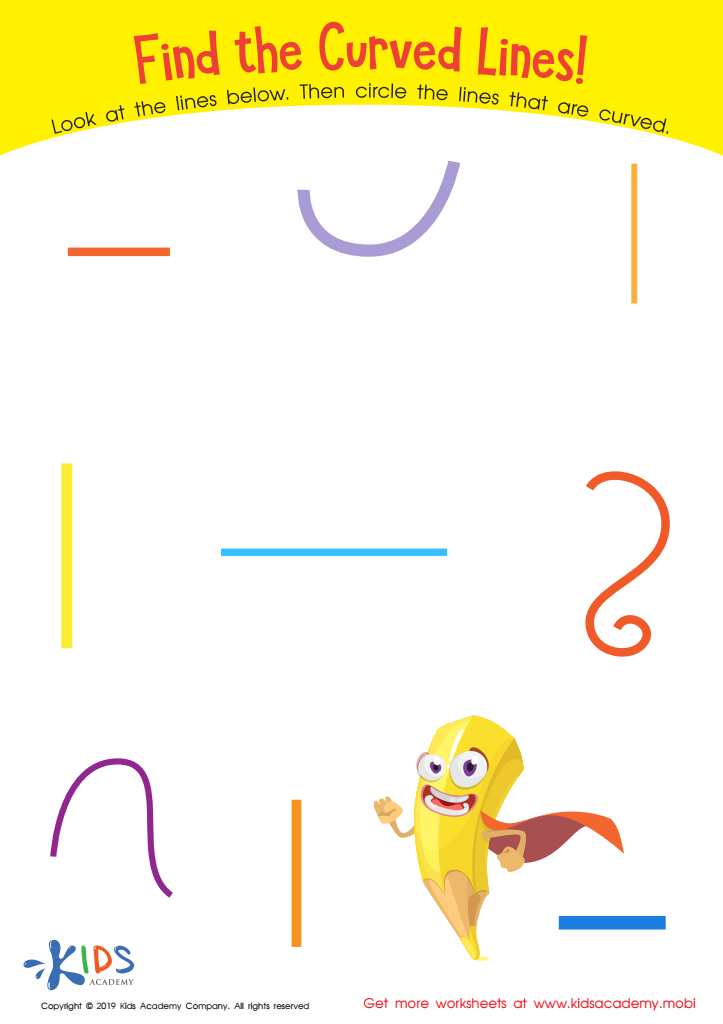
Find the Curved Lines! Worksheet
 Assign to My Students
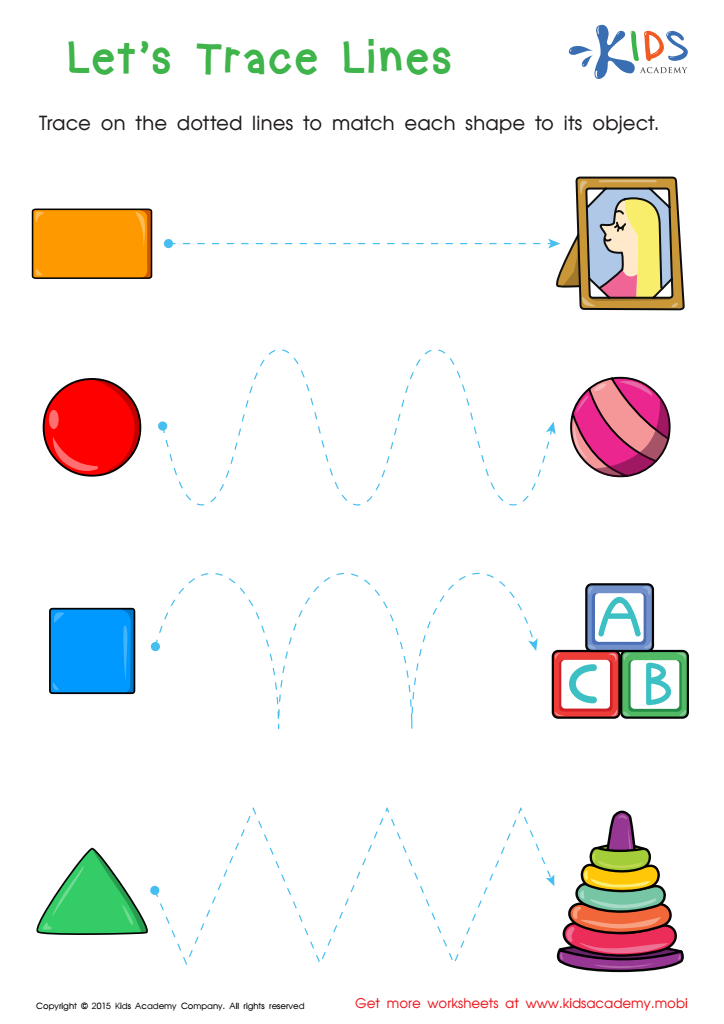
First Words: Let's Trace Lines Worksheet
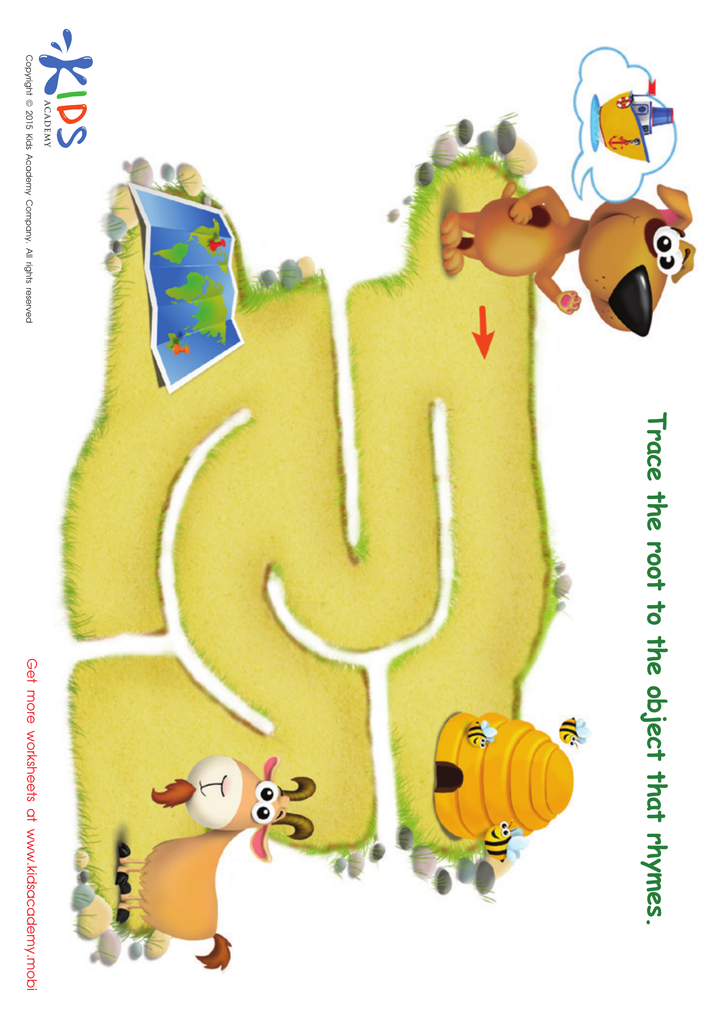
Boat Rhyming Words Worksheet
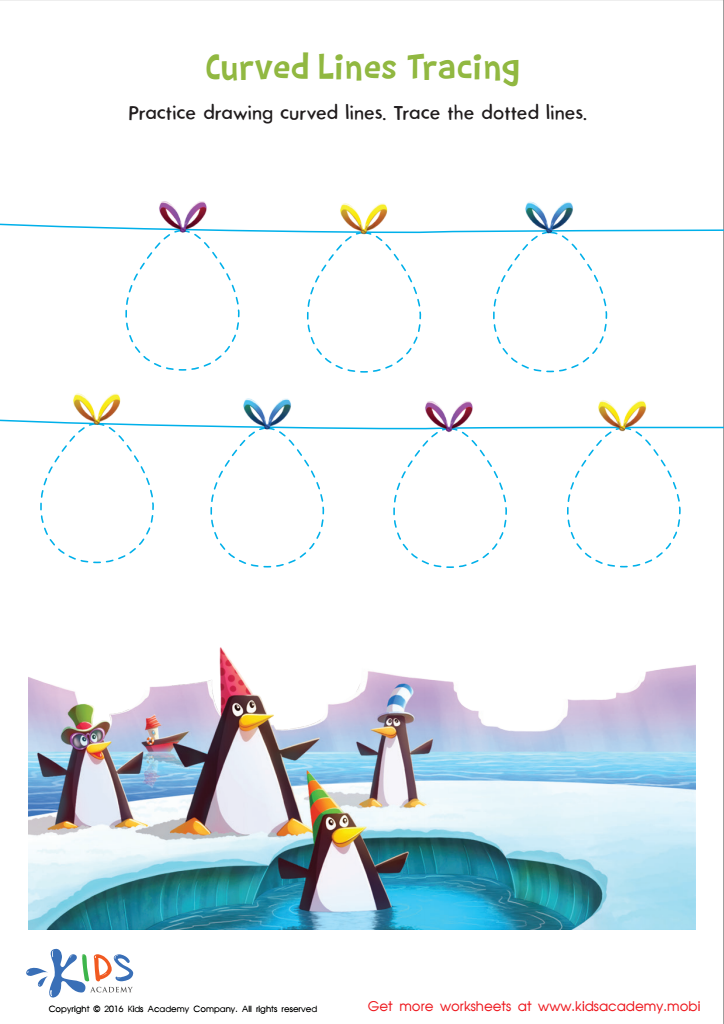
Curved Lines Tracing Worksheet






Shape recognition is a foundational skill for young children, particularly those aged 3-6. Parents and teachers should prioritize this learning area as it fosters cognitive development, enhances problem-solving skills, and lays the groundwork for future learning in subjects like mathematics and geometry.
Understanding shapes helps children identify and categorize objects in their environment, which is essential for developing critical thinking skills. It also encourages spatial awareness, enabling them to understand relationships between different objects and their surroundings. Furthermore, shape recognition promotes language development as children learn to verbally identify and describe shapes, enriching their vocabulary.
In the context of early literacy, shape recognition is closely linked to recognizing letters and numbers. Many letters have distinctive shapes that can be understood more easily when children are already familiar with basic geometric forms. Activities that combine shapes with the Shape Recognition Alphabet can make learning fun and engaging, capturing children's attention and enthusiasm.
Ultimately, by emphasizing shape recognition, parents and teachers help build a strong, well-rounded foundation that supports academic growth and develops essential life skills, setting children on a path for ongoing success in their education and beyond.







