Visual discrimination Alphabet Worksheets for Ages 3-6
5 filtered results
-
From - To
Boost early literacy with our Visual Discrimination Alphabet Worksheets for ages 3-6. Carefully designed, these printable worksheets help young learners identify and distinguish between similar letters, enhancing their alphabet knowledge and fine motor skills. Engaging and interactive activities make learning fun while improving visual discrimination, a critical pre-reading skill. Perfect for at-home learning or classroom use, these worksheets lay the foundation for successful reading and writing. Get Kids Academy’s Visual Discrimination Alphabet Worksheets today and watch your child's confidence soar as they master the alphabet, one letter at a time!
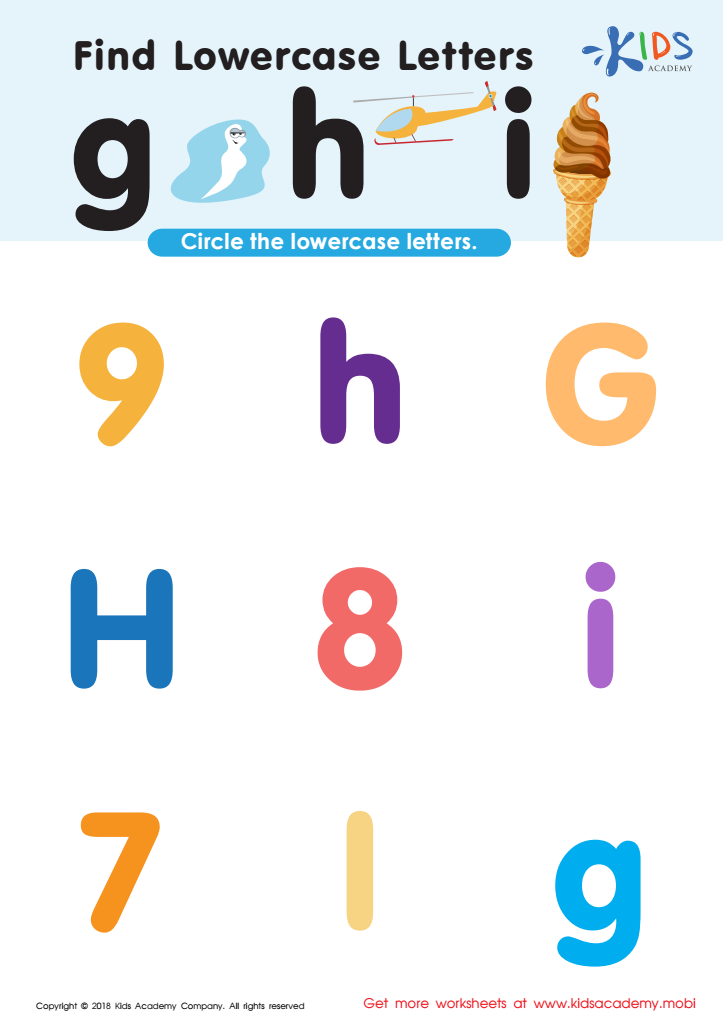
Find Lowercase Letters g h i Worksheet
 Assign to My Students
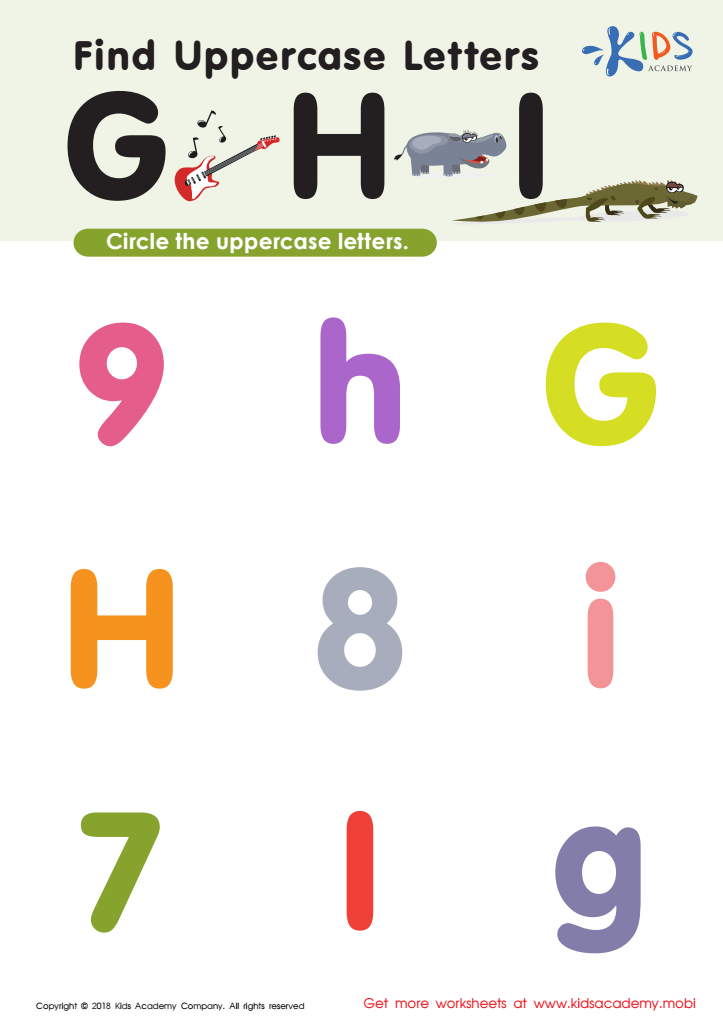
Find Uppercase Letters G, H, and I Worksheet
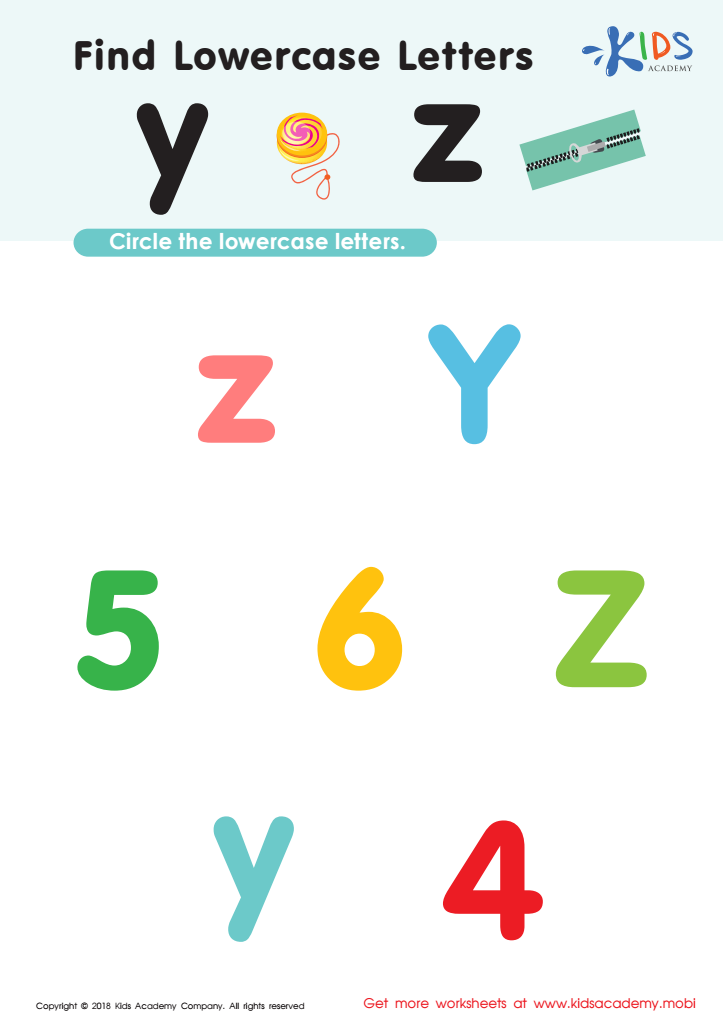
Find Lowercase Letters y z Worksheet
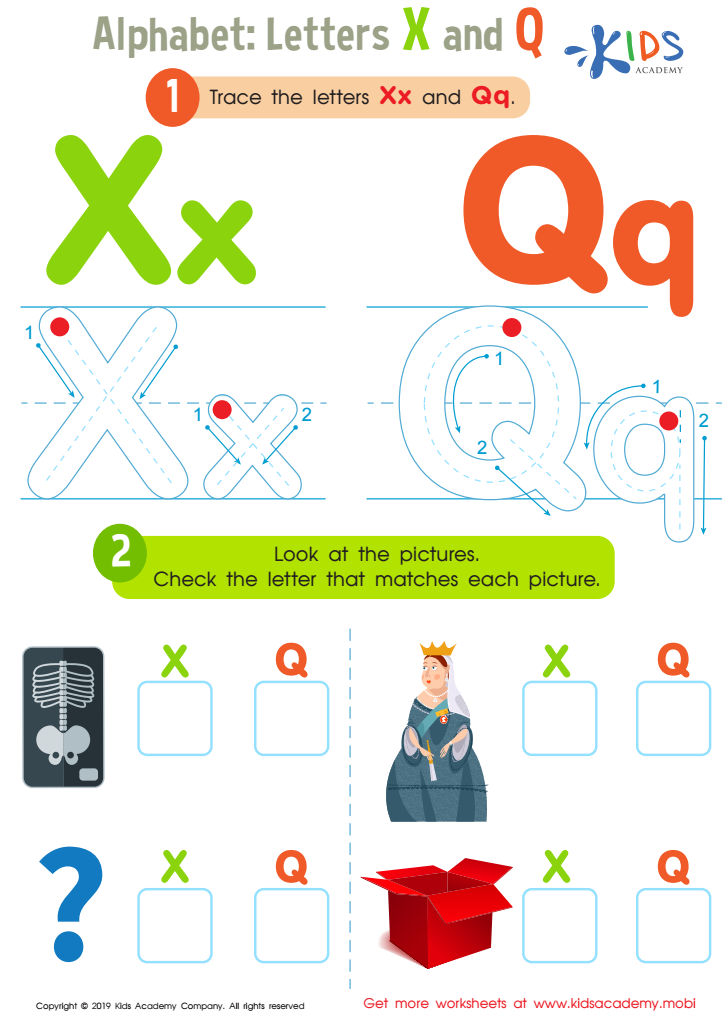
Letters X and Q Tracing Worksheet
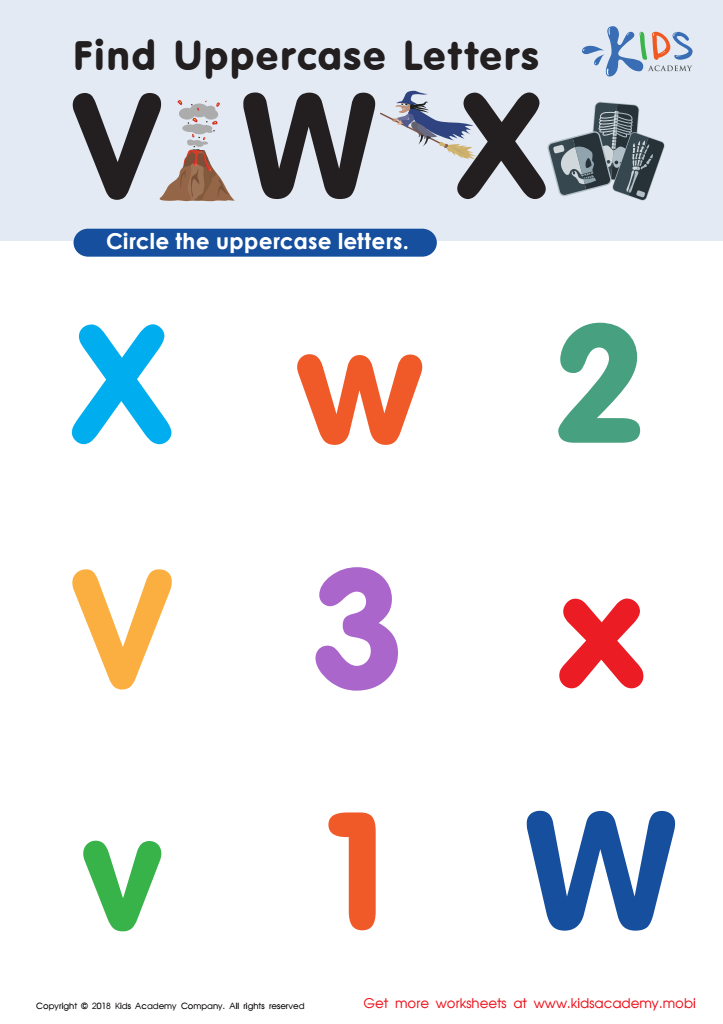
Find Uppercase Letters V, W, X Worksheet








Visual discrimination skills are crucial for young children, especially in the age range of 3-6, as they directly impact their ability to recognize and differentiate alphabet letters, an essential foundation for reading and writing. At this formative stage of early childhood education, developing strong visual discrimination ensures that children can spot the differences and similarities in shapes, patterns, and letters. This ability to distinguish one letter from another, whether it's 'b' from 'd' or 'p' from 'q,' reduces confusion and helps prevent future reading difficulties.
Further, visual discrimination also aids in improving attention to detail and concentration, skills that are beneficial across all areas of learning. Children who master these skills tend to excel not just in literacy, but also in numeracy and problem-solving activities, as they can make finer distinctions related to visual cues and patterns.
For parents and teachers, fostering visual discrimination through playful and engaging activities ensures that children develop these critical skills in a fun and effective manner. Activities like sorting games, matching games, and alphabet puzzles can help reinforce these abilities while keeping learning enjoyable. Identifying and nurturing these skills can lead to smoother transitions into more advanced reading and writing tasks, setting a strong educational foundation that benefits children throughout their academic journey and beyond.







