Fine motor skills development Letter Recognition Worksheets for Ages 3-6
5 filtered results
-
From - To
Our Fine Motor Skills Development Letter Recognition Worksheets for ages 3-6 foster early childhood education with engaging, expertly crafted activities. These printable worksheets focus on enhancing fine motor skills through tracing, lettering, and drawing exercises while solidifying foundational letter recognition. Each worksheet is thoughtfully designed to captivate young learners, reinforcing essential pre-writing skills, boosting hand-eye coordination, and encouraging a love for learning. Perfect for parents and educators, our resources support preschool and kindergarten children in a fun, interactive way—paving the path for confident, successful readers and writers. Download now to inspire growth and creativity in your child!
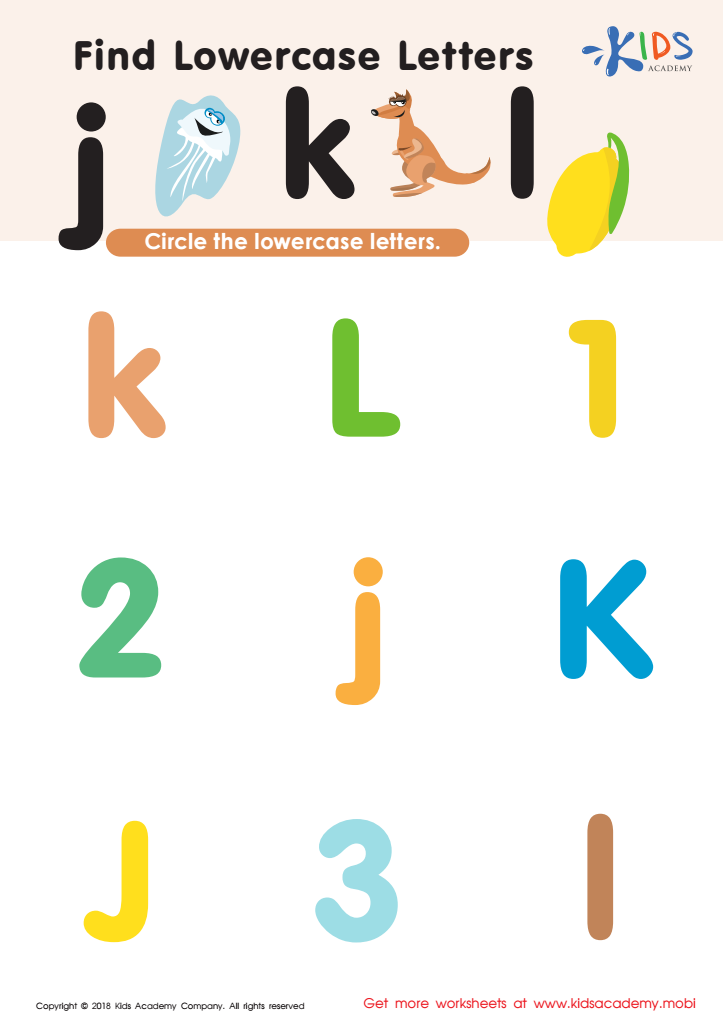
Find Lowercase Letters j k l Worksheet
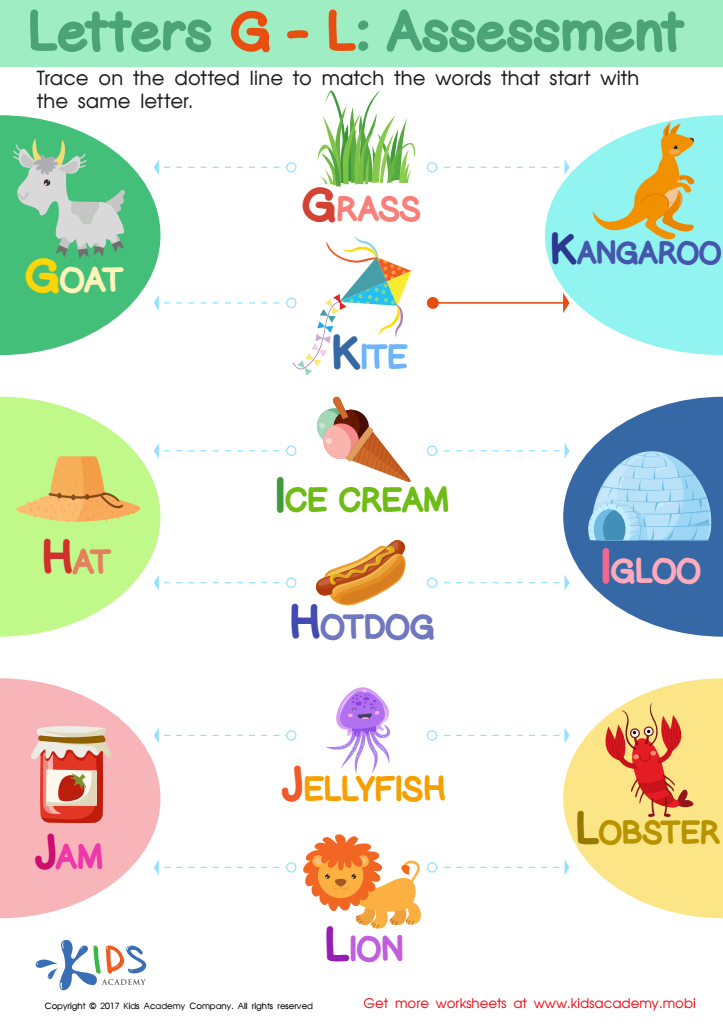
Letters G-L Worksheet
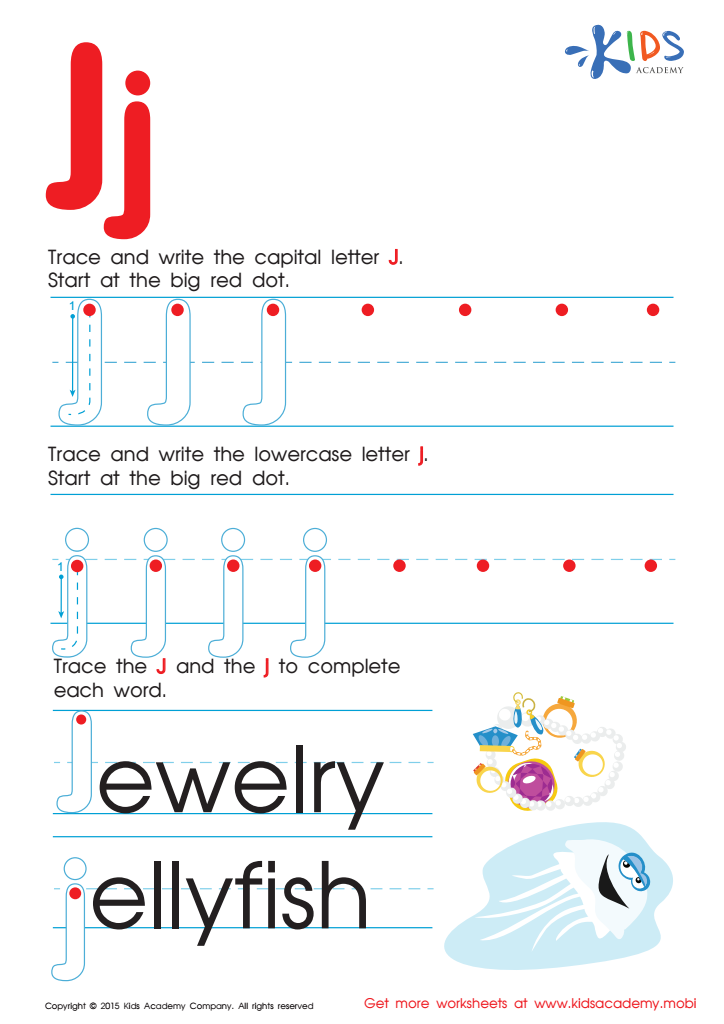
Letter J Tracing Page
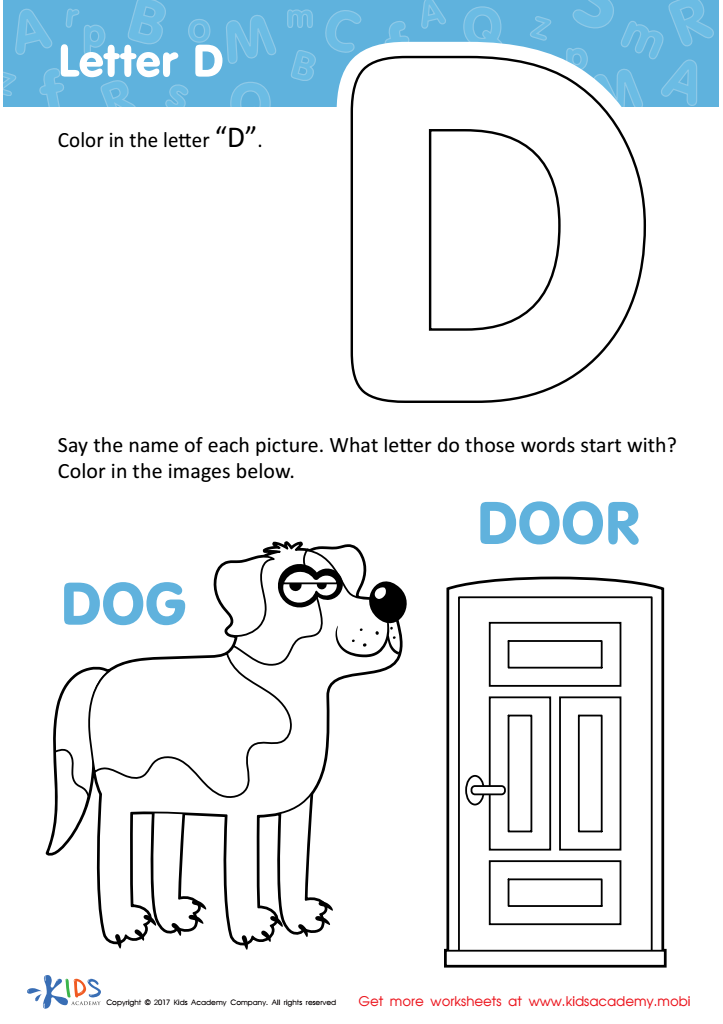
Letter D Coloring Sheet
 Assign to My Students
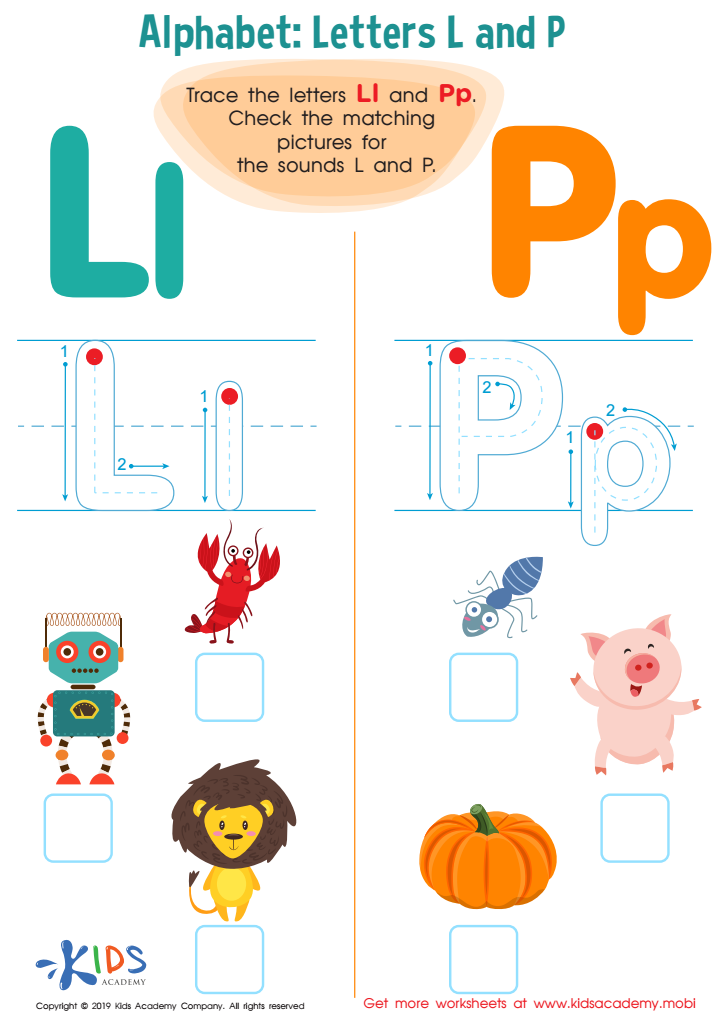
Letter L and P Tracing Worksheet








Fine motor skills development and letter recognition are cornerstones of a child's early educational foundation, vital for ages 3-6. Fine motor skills involve the coordination of small muscles in actions like holding a pencil, cutting with scissors, or buttoning a shirt. Mastery of these skills is crucial for daily functioning and school readiness. Adequately developed fine motor skills enable children to handle tools directly influencing their academic performance and independence.
Letter recognition, meanwhile, is fundamentally about identifying letters and understanding their significance in language. It is a key precursor to effective reading and writing. Early familiarity with letters equips children with the essential building blocks for literacy. As children recognize and name letters consistently, they make connections between printed words and their meanings, laying the groundwork for fluent reading and comprehensive learning.
Parents and teachers play a crucial role here. They can nurture fine motor skills through activities like selecting educational toys that encourage dexterity or integrating arts and crafts into learning. Simultaneously, introducing fun, engaging tools like alphabet songs, flashcards, and storytelling can accelerate letter recognition.
Ultimately, these skills underpin almost every learning milestone. By fostering fine motor and letter recognition skills early, parents and teachers set the stage for children’s future academic achievements and functional independence.







