Handwriting improvement Letter Recognition Worksheets for Ages 3-6
5 filtered results
-
From - To
Enhance your child's handwriting with our Handwriting Improvement Letter Recognition Worksheets, perfect for ages 3-6! These thoughtfully designed resources help young learners seamlessly recognize and write letters, fostering foundational alphabet skills. Colorful and engaging activities keep children excited while effectively strengthening fine motor skills and improving handwriting precision. Ideal for home or classroom use, our worksheets support early literacy through structured yet playful practice. Equip your child with the confidence to write beautifully and correctly from an early age. Download now and watch their progress flourish with each page completed. Quality education starts here!
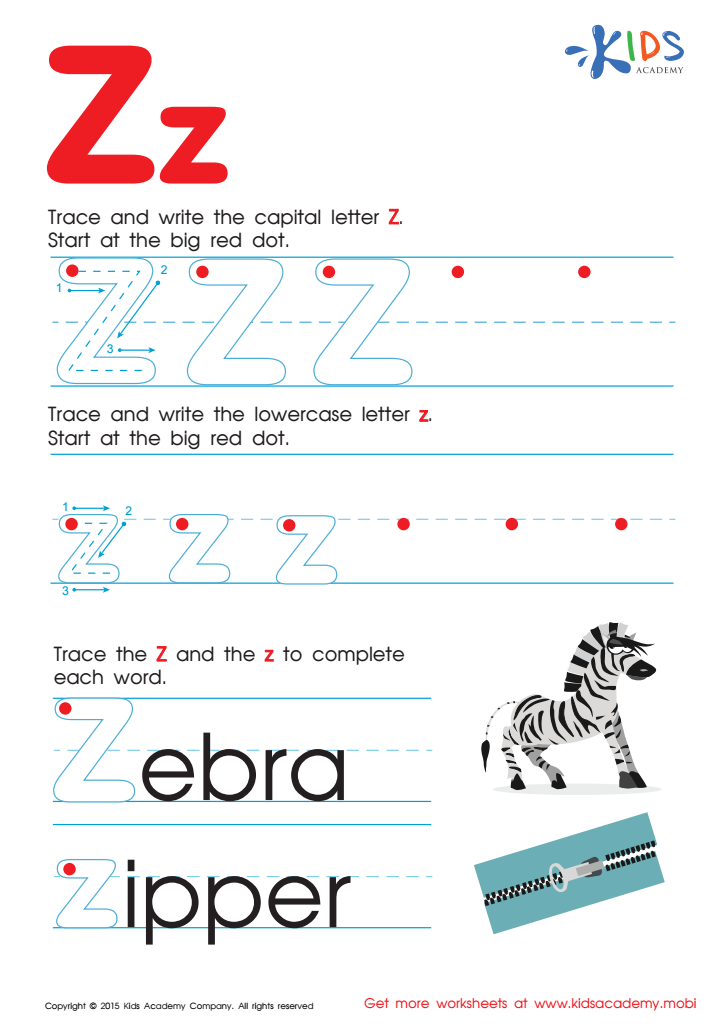
Letter Z Tracing Page
 Assign to My Students
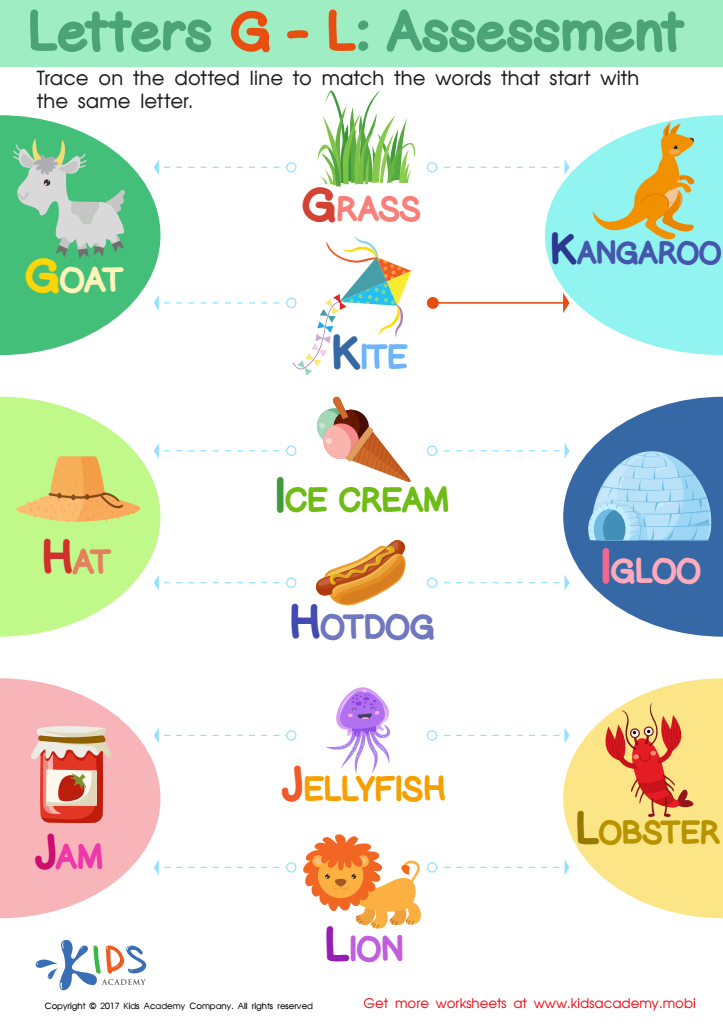
Letters G-L Worksheet
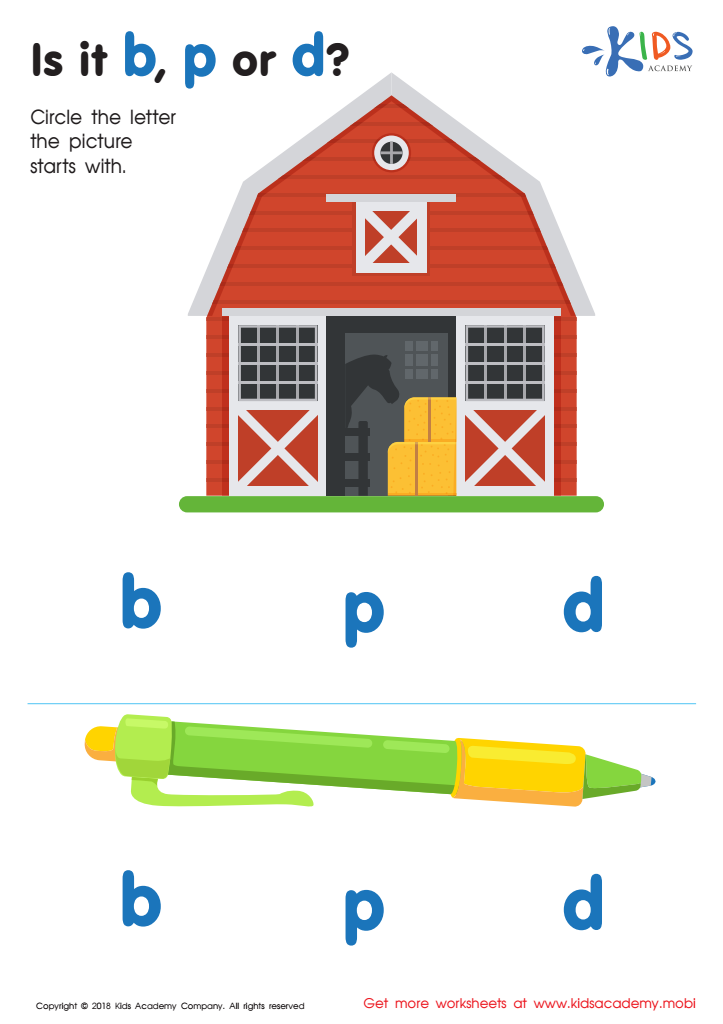
Is it b, p or d? Worksheet
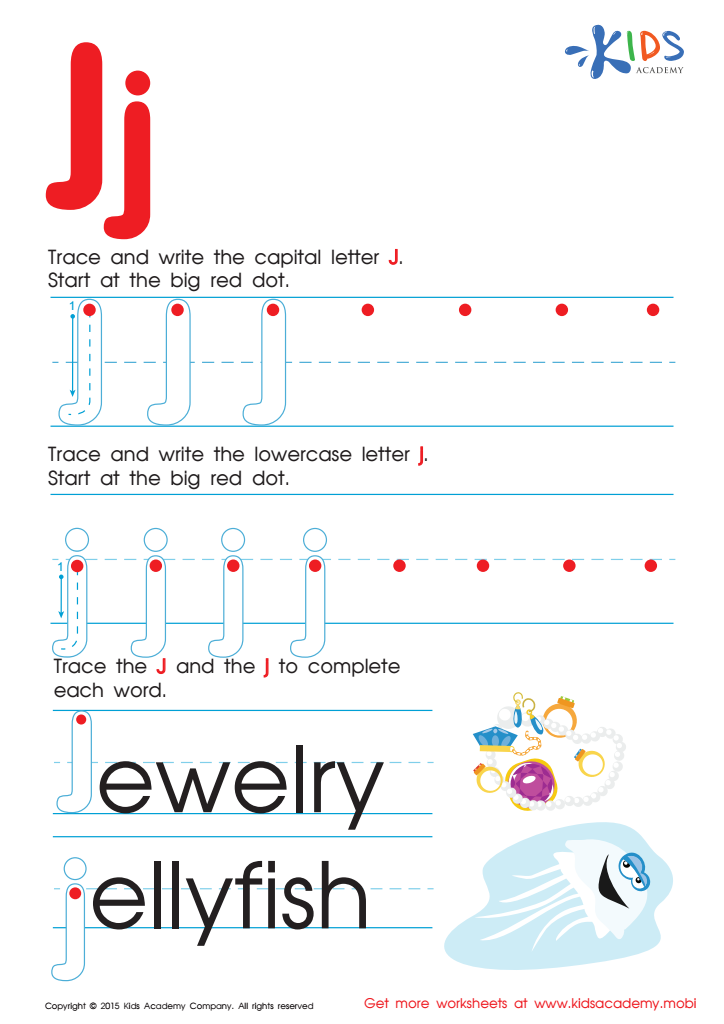
Letter J Tracing Page
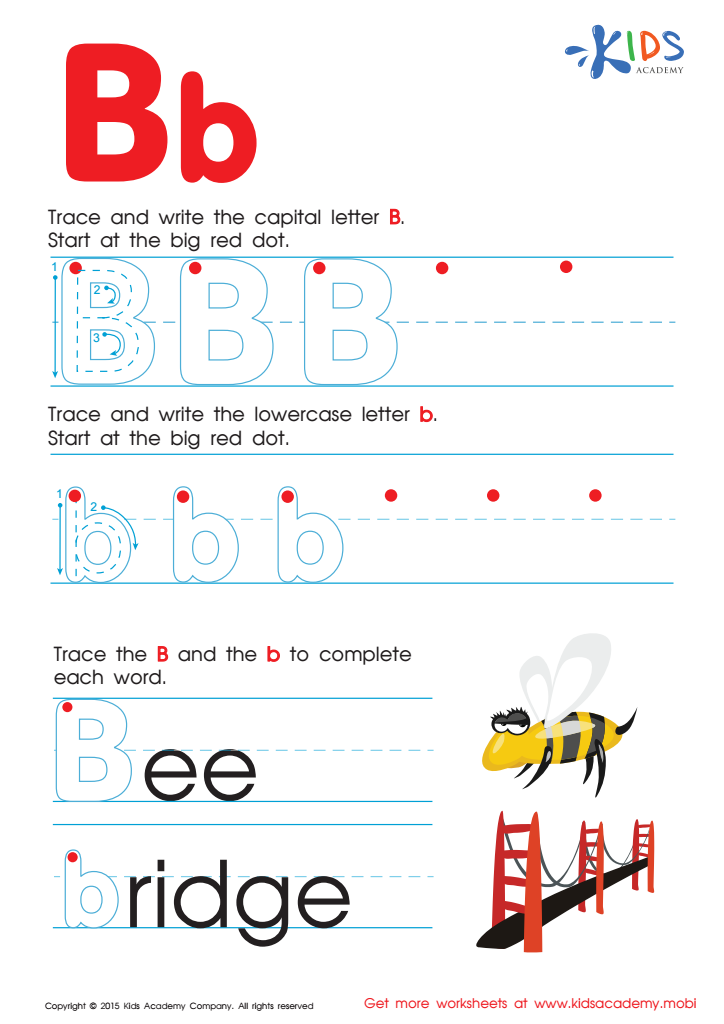
Letter B Tracing Page








Parents and teachers should prioritize handwriting improvement and letter recognition in early childhood (ages 3-6) because these foundational skills play a crucial role in cognitive and academic development. During these formative years, children's brains are exceptionally adaptable, making it the ideal time to introduce and reinforce essential pre-writing and reading abilities.
Handwriting improvement helps develop fine motor skills, including hand-eye coordination, finger strength, and dexterity. These skills are not only vital for writing but also for other daily tasks like buttoning clothes and using utensils. Meanwhile, mastering letter recognition lays the groundwork for literacy, enabling children to decode words, which is necessary for reading and writing.
Furthermore, good handwriting can enhance children's confidence. When children can write legibly, they can better express their thoughts and ideas, which fosters a sense of achievement and a positive attitude towards learning. Clear handwriting also facilitates effective communication, helping children articulate their knowledge and insights both in school and in social contexts.
From an educational perspective, early proficiency in handwriting and letter recognition can prevent future academic struggles, as these skills underpin almost all areas of learning. Therefore, investing time and effort into these early literacy activities ensures a strong educational foundation, setting the stage for lifelong success.







