Visual discrimination Letter Recognition Worksheets for Ages 3-6
5 filtered results
-
From - To
Discover our engaging Visual Discrimination Letter Recognition Worksheets, designed specifically for children ages 3-6! These worksheets help young learners develop essential skills by enhancing their ability to identify and differentiate letters. With colorful illustrations and interactive activities, children will enjoy practicing their visual discrimination while honing their letter recognition abilities. Perfect for home or classroom use, our worksheets provide a fun and effective way to support early literacy. Foster your child’s confidence and knowledge as they embark on their reading journey. Download and print our visual discrimination worksheets today, and watch your little ones thrive in their understanding of letters!
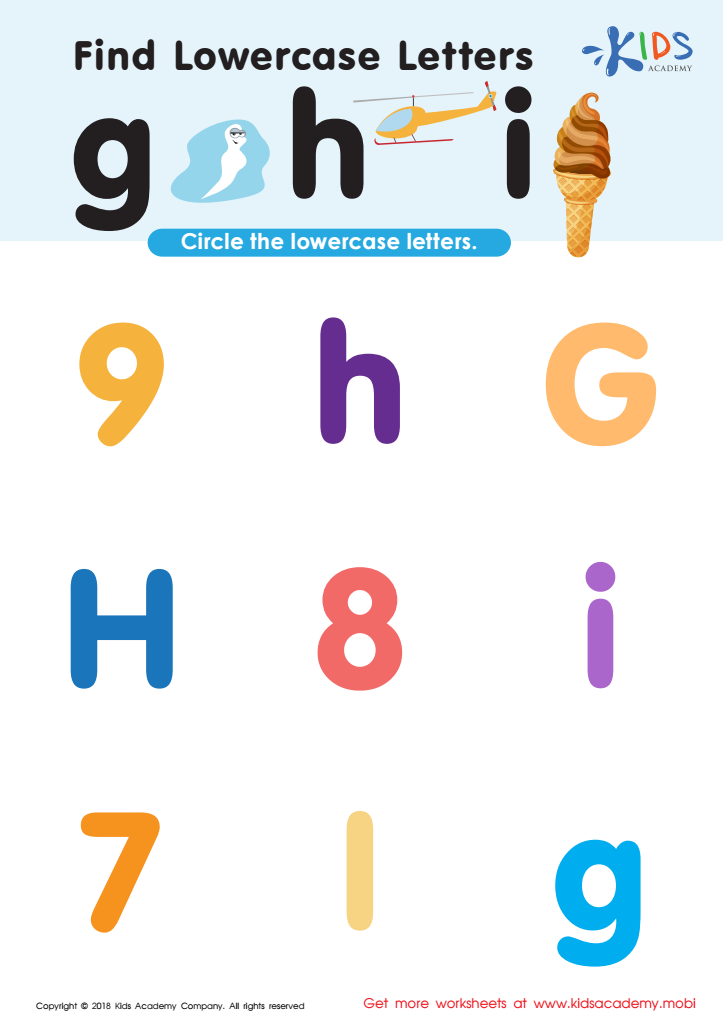
Find Lowercase Letters g h i Worksheet
 Assign to My Students
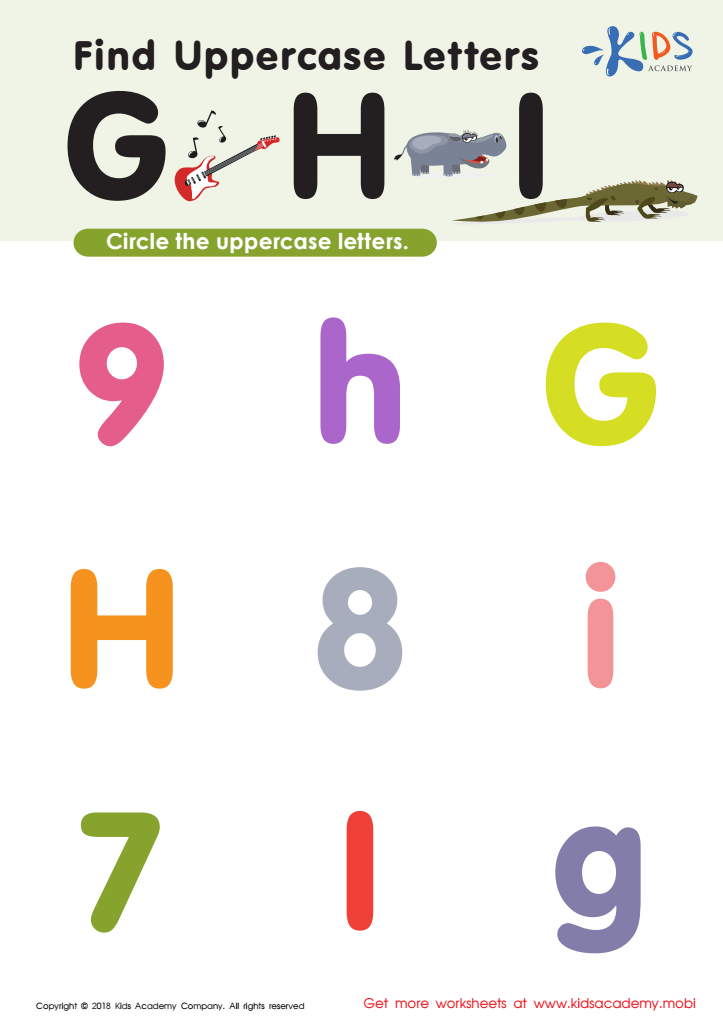
Find Uppercase Letters G, H, and I Worksheet
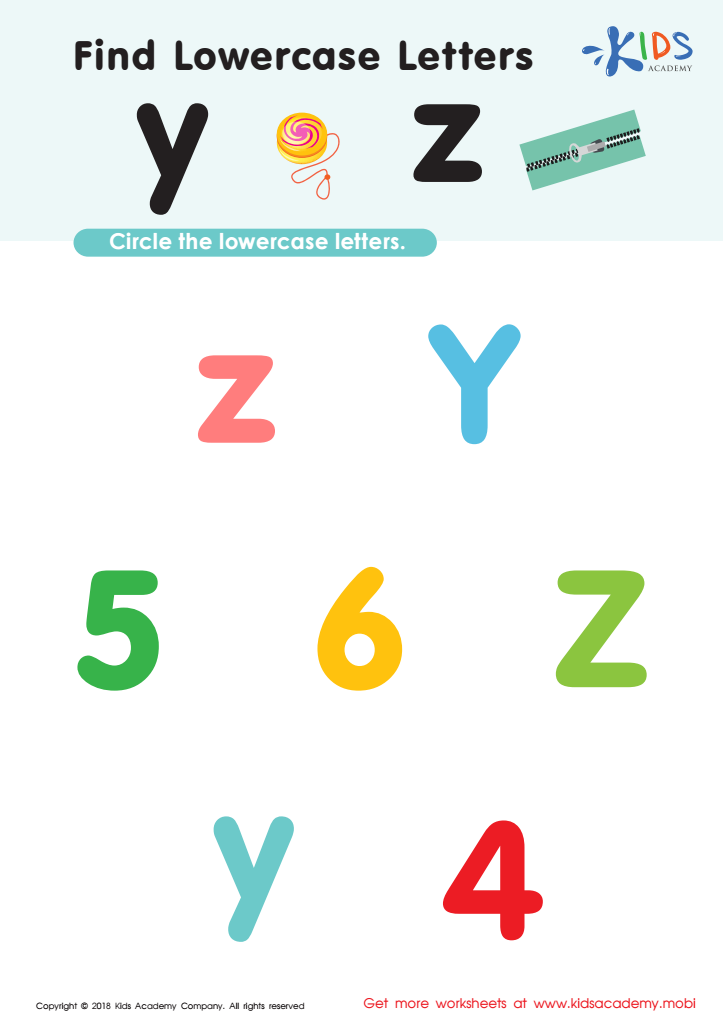
Find Lowercase Letters y z Worksheet
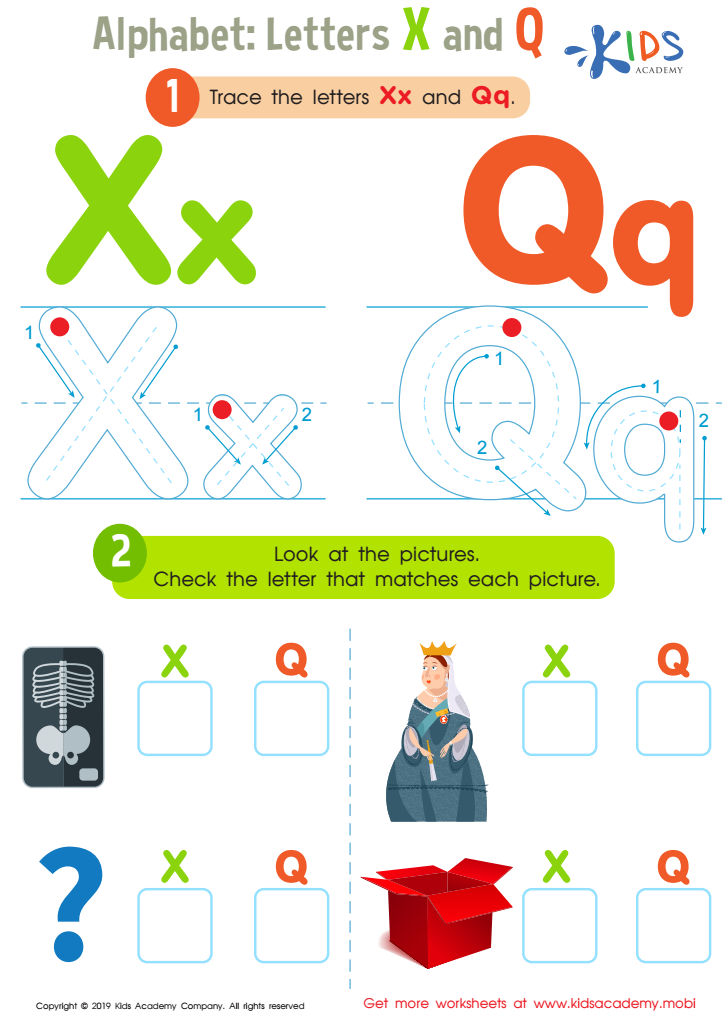
Letters X and Q Tracing Worksheet
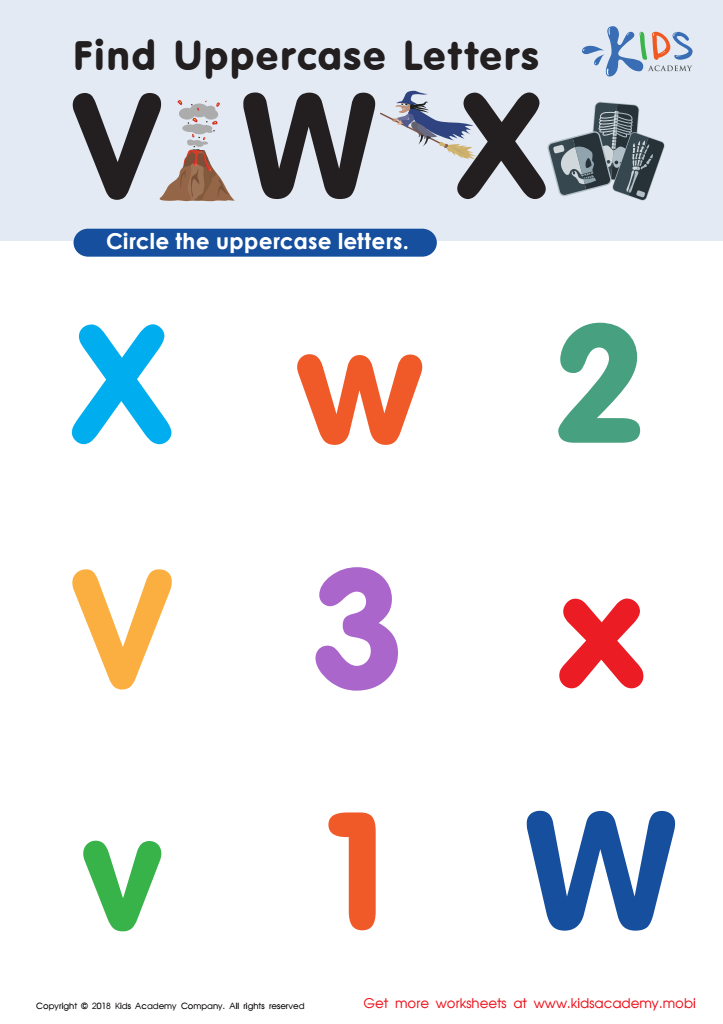
Find Uppercase Letters V, W, X Worksheet








Visual discrimination letter recognition is a crucial skill for children ages 3-6 as it forms the foundation of literacy development. During these formative years, children are rapidly acquiring the ability to identify and distinguish between different letters, a skill that is essential for reading and writing. Parents and teachers should care about this component of learning for several reasons.
Firstly, strong visual discrimination helps children quickly recognize letters, which is vital for decoding words and comprehending text. Early recognition of letters promotes confidence and fosters a love for reading.
Secondly, this skill strengthens cognitive development by enhancing attention to detail, memory, and problem-solving abilities. Children who develop visual discrimination are better equipped to understand the differences and similarities among letters, leading to a more profound understanding of language.
Additionally, supporting visual discrimination can address potential learning challenges early on. By identifying and nurturing this skill, parents and teachers can provide targeted interventions for children who may struggle with reading.
Ultimately, prioritizing visual discrimination letter recognition fosters a rich language environment, enabling children to thrive academically and socially. Investing in this foundational skill sets the stage for lifelong learning and literacy success.







