Vocabulary enhancement Long And Short Vowel Worksheets for Ages 3-6
4 filtered results
-
From - To
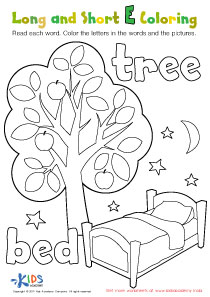
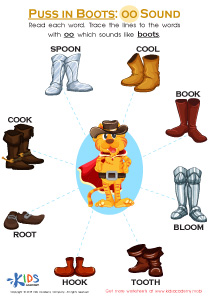
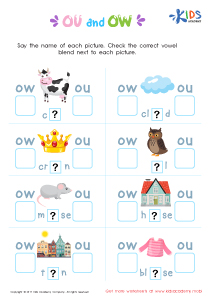
Enhance your child's vocabulary with our engaging Long and Short Vowel Worksheets designed for ages 3-6! These interactive worksheets focus on the crucial differentiation between long and short vowel sounds, helping young learners develop foundational literacy skills. Each activity is crafted to stimulate curiosity and retention while making learning fun and approachable. Our resources include colorful illustrations, step-by-step instructions, and a variety of exercises to ensure a comprehensive understanding of vowels. Perfect for parents and educators looking to support early language development, these worksheets encourage playful learning and reinforce essential vocabulary knowledge. Start your child's learning journey with us today!
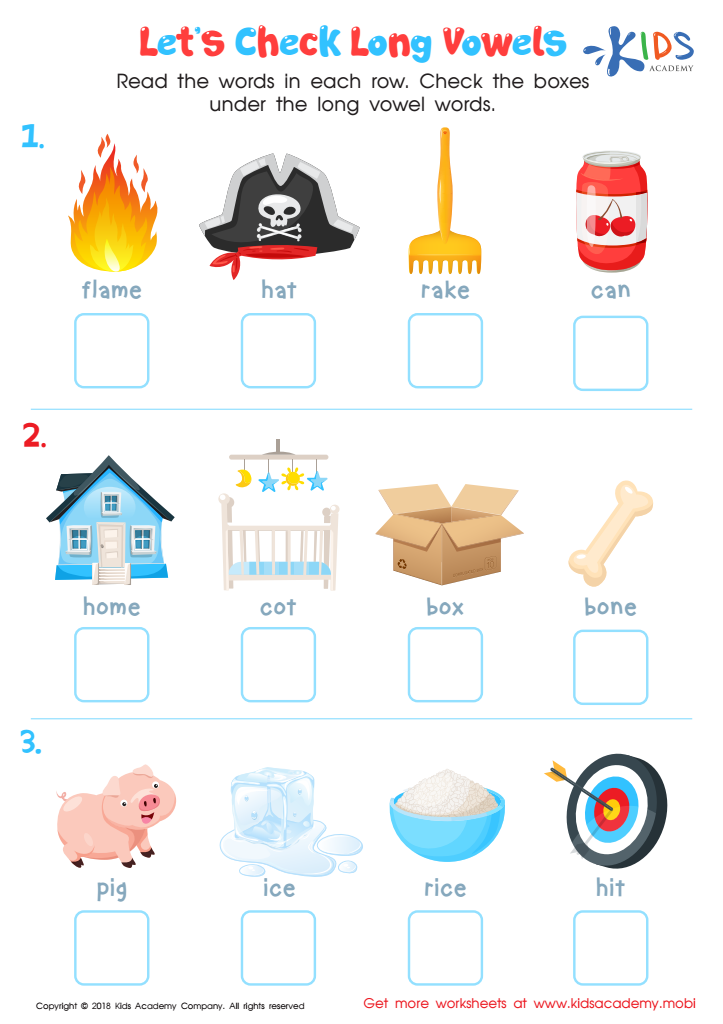
Let's Check Long Vowels: Assessment Worksheet
 Assign to My Students
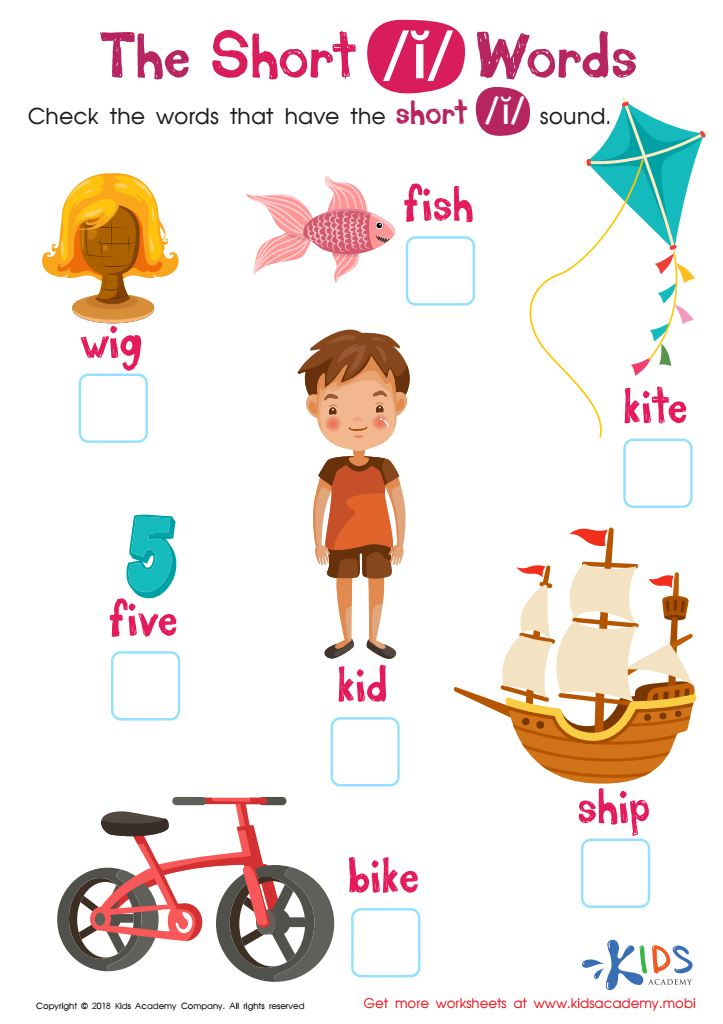
The Short I Words Reading Worksheet
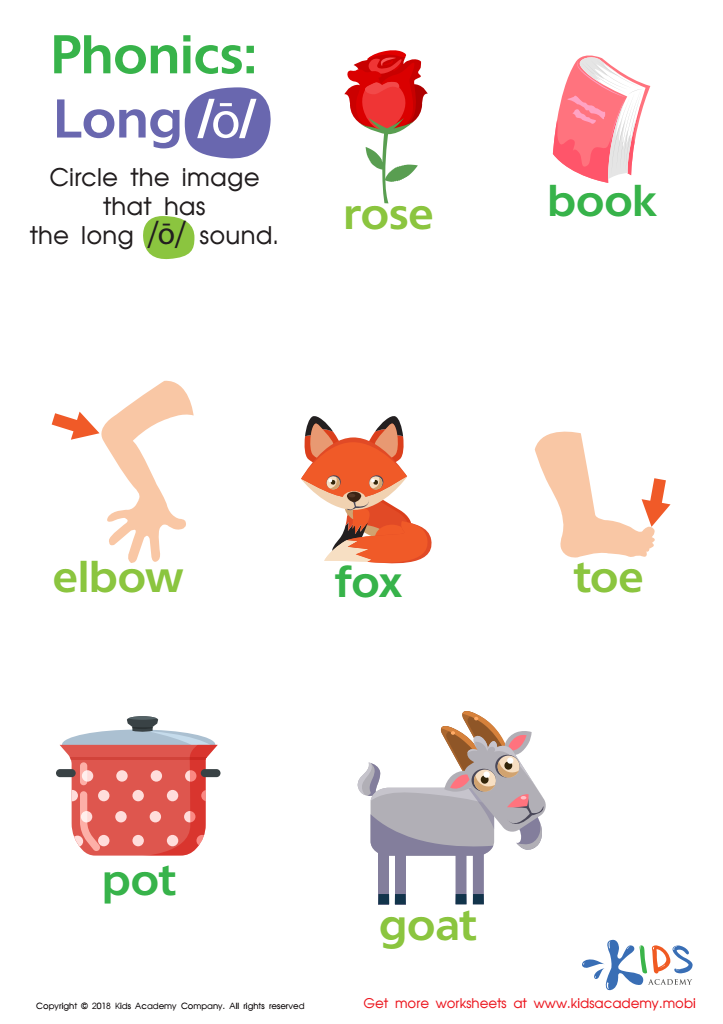
Phonics Long O Reading Worksheet
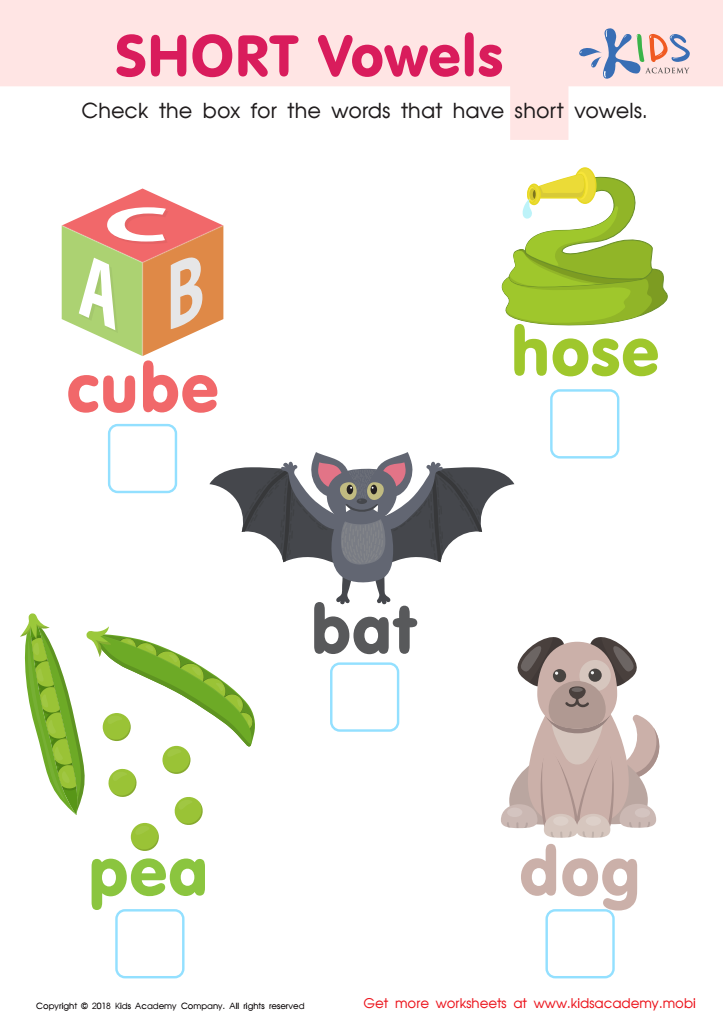
short vowels Worksheet




Vocabulary enhancement is crucial for young children aged 3-6, particularly in understanding long and short vowel sounds. This foundational element of language development lays the groundwork for reading, speaking, and writing skills that will serve children throughout their educational journeys and beyond.
Teaching long and short vowel sounds helps children recognize the subtle differences in pronunciation, which aids in decoding words when reading. For instance, understanding the contrast between "cap" (short vowel) and "cape" (long vowel) enables them to differentiate and pronounce words correctly, fostering their literacy and communication skills.
Furthermore, a rich vocabulary enhances cognitive development and listening skills, encouraging better comprehension of verbal instructions and storylines. Children equipped with diverse vocabulary will also express themselves more effectively, leading to improved sharing and social interactions with peers.
Parents and teachers play a vital role in this process—creating a stimulating environment filled with phonics games, rhymes, and songs will transform learning vowel sounds into a fun and engaging challenge. By prioritizing vocabulary enhancement focused on vowel sounds, adults not only bolster literacy skills but also inspire a lifelong love of language and learning, laying vital foundations for academic success.