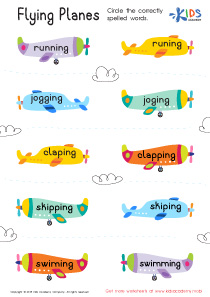
Vocabulary enhancement Rhyming Worksheets for Ages 3-6
6 filtered results
-
From - To
Enhance your preschooler's vocabulary with our engaging Rhyming Worksheets designed for ages 3-6! These interactive worksheets encourage early learners to explore the world of words through the fun of rhyming. Each activity is crafted to boost language skills, phonemic awareness, and creativity while making learning enjoyable. Young children will love matching words, identifying rhymes, and completing colorful illustrations that reinforce their understanding. Perfect for home or classroom use, our worksheets support essential vocabulary development and promote a love for language. Discover how rhyming can spark your child's imagination and critical thinking skills today!
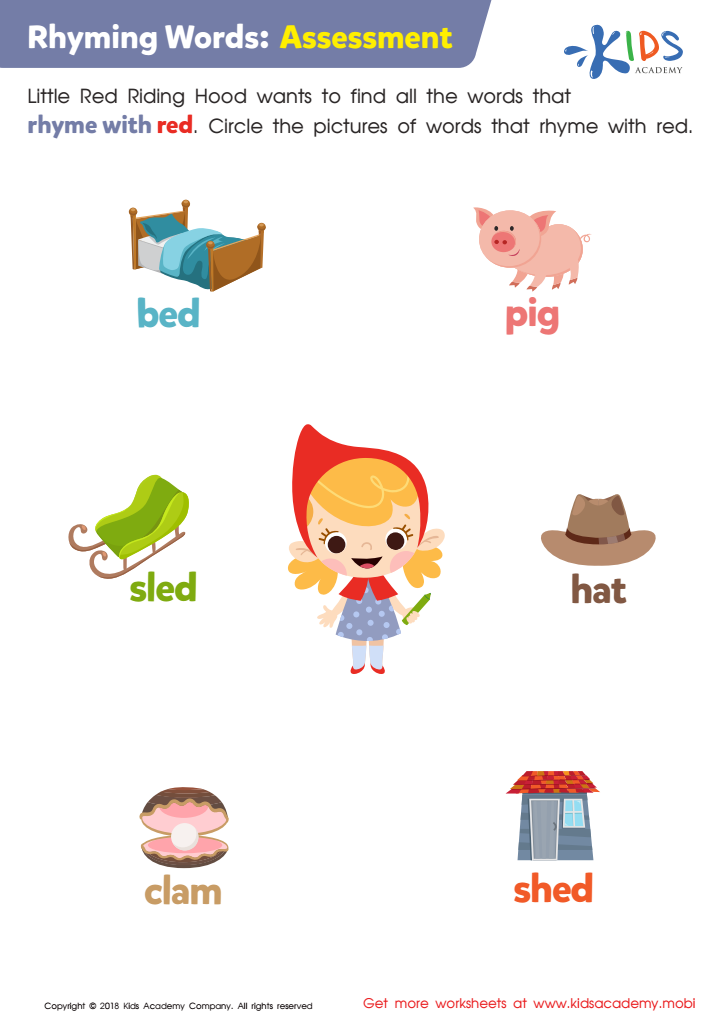
Rhyming Words: Assessment Worksheet
 Assign to My Students
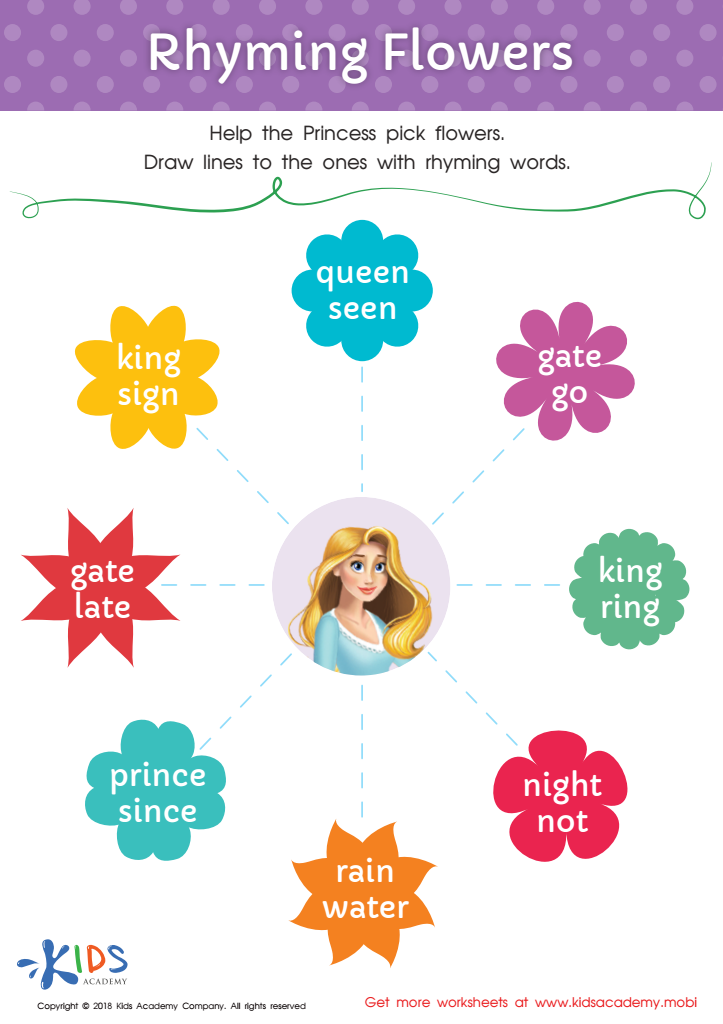
Rhyming Flowers Worksheet

Rhyming Words Rhyming Worksheet
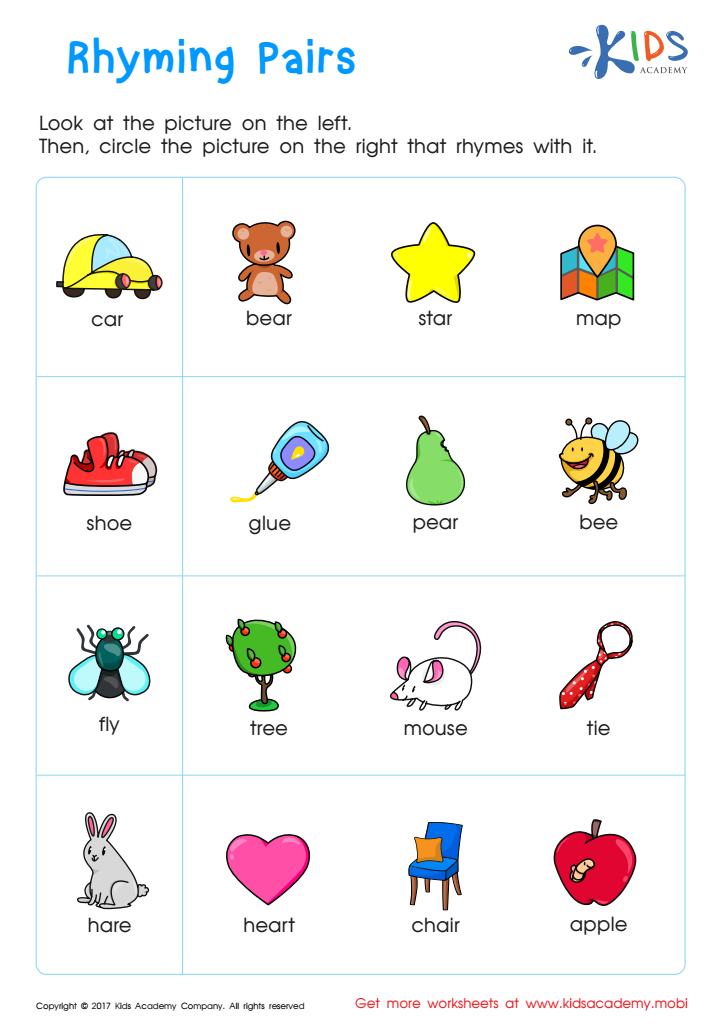
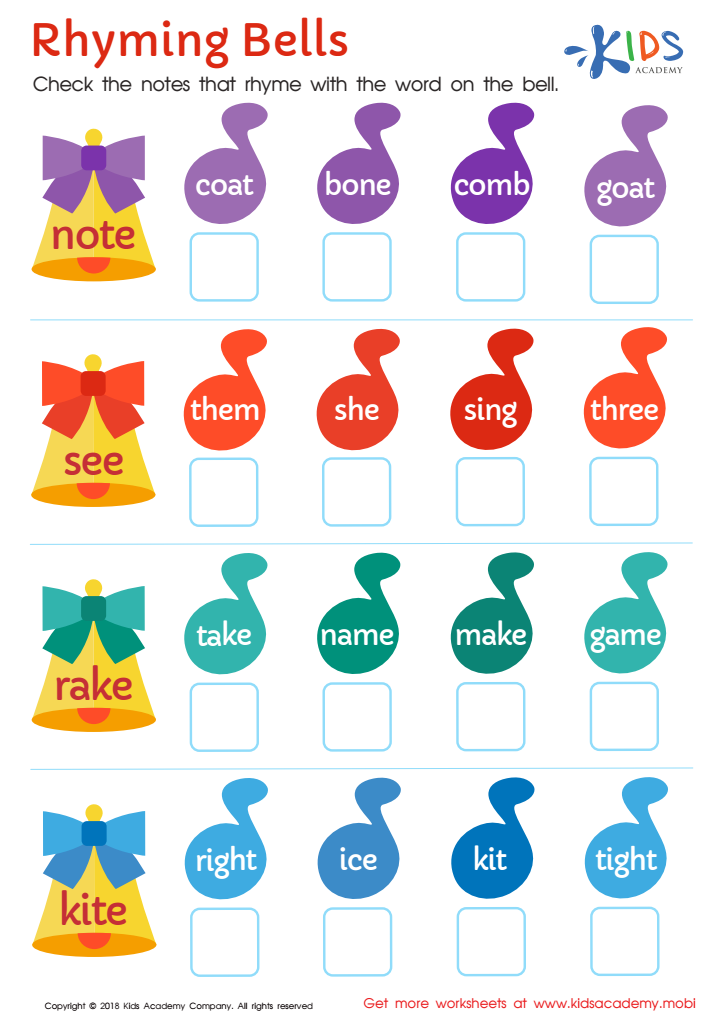
Rhyming Bells Worksheet

First Words: Picture Rhymes Worksheet







Vocabulary enhancement through rhyming is vital for children ages 3-6 because it lays the foundation for strong language skills. During this critical developmental stage, children are naturally acquiring language and making cognitive connections. Rhyming activities engage young learners, making them more likely to enjoy the process of discovering new words. As children hear and recite rhymes, they become attuned to the sounds and rhythms of language, helping them to develop phonemic awareness, which is essential for later reading skills.
Additionally, rhyming can facilitate memory retention and foster creativity. When children hear words that sound alike, they can better recognize patterns and structures in language, which enhances their understanding of vocabulary contextually. Interactive rhyming games and songs also encourage social interaction, promoting communication skills among peers.
Moreover, a rich vocabulary bolsters academic performance. Children with strong vocabularies tend to excel in literacy and other subjects, setting a solid groundwork for lifelong learning. Therefore, both parents and teachers should prioritize vocabulary enhancement through rhyming, as it not only enriches language development but also cultivates emotional and social skills, preparing children for future communication challenges in school and beyond.