Fine Motor Skills Tracing Lines and Curves Worksheets for Ages 3-6
5 filtered results
-
From - To
Boost your child's development with our Fine Motor Skills Tracing Lines and Curves Worksheets for ages 3-6. These engaging, printable worksheets are designed to improve hand-eye coordination, pencil control, and focus. Featuring fun and interactive activities, kids will love tracing straight lines, curves, and shapes, gently guiding their hands to follow patterns. Perfect for preschoolers and kindergartners, our worksheets support early writing readiness and dexterity. Parents and educators will find these resources incredibly helpful in preparing young learners for future academic success while turning learning into play. Nurture fine motor skills today with our educational and entertaining worksheets!
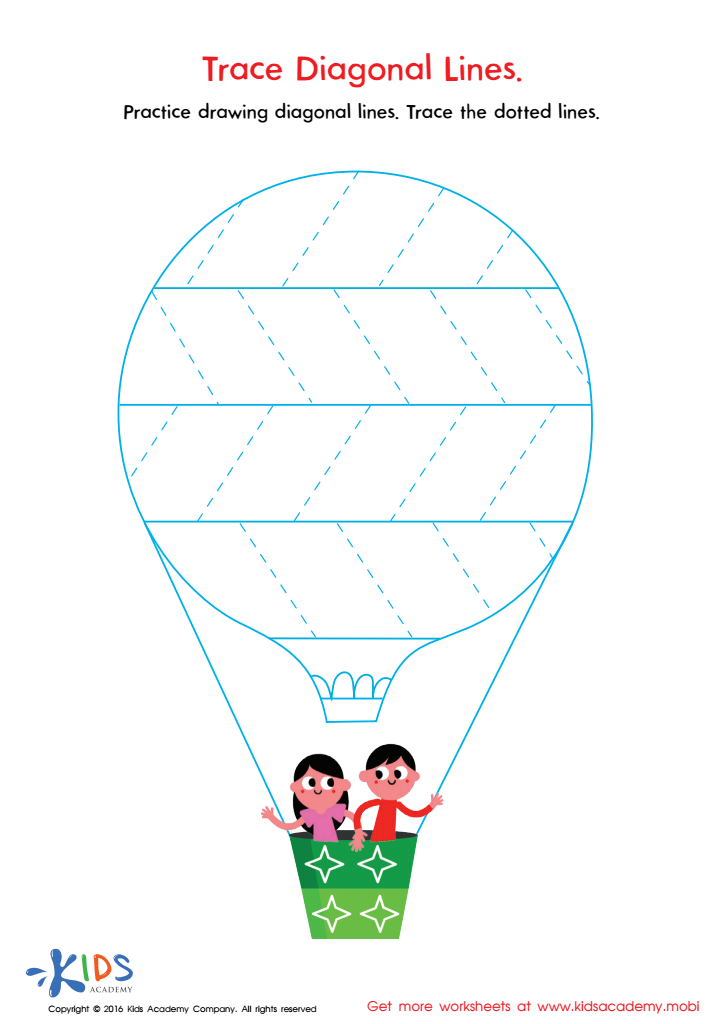
Trace Diagonal Lines Worksheet
 Assign to My Students
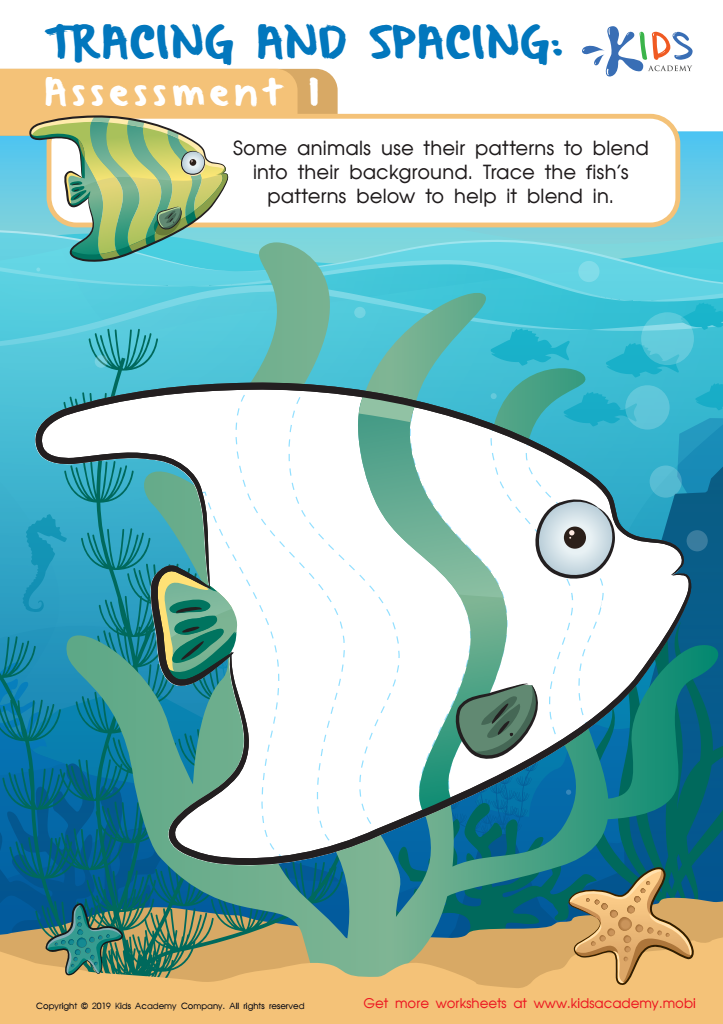
Tracing and Spacing: Assessment 1 Worksheet
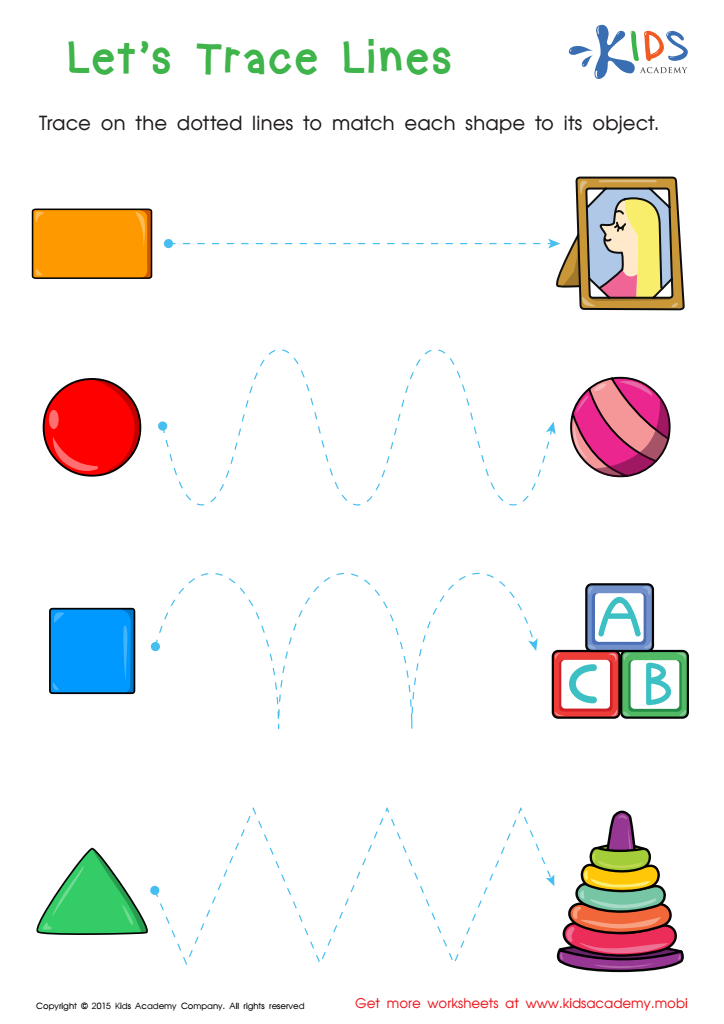
First Words: Let's Trace Lines Worksheet
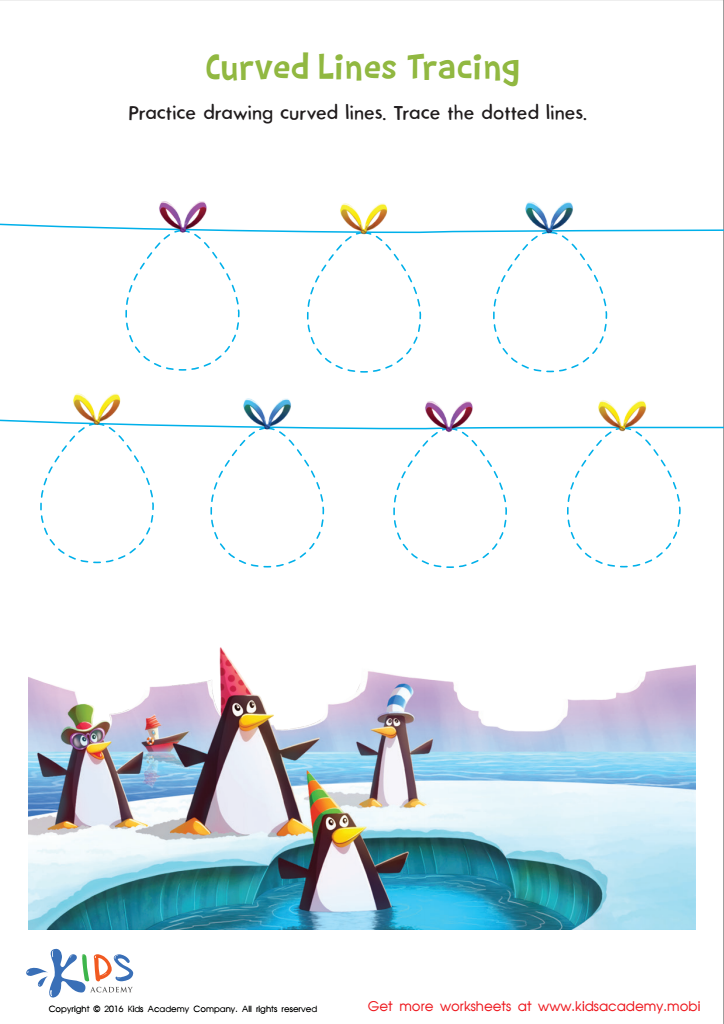
Curved Lines Tracing Worksheet
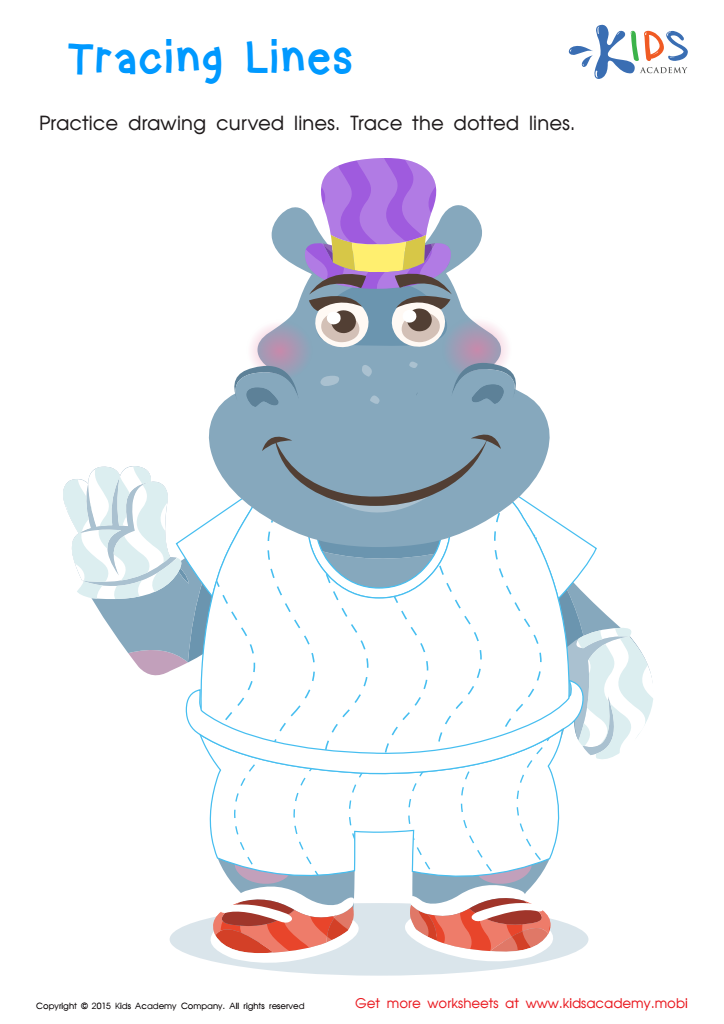
Tracing Lines Worksheet




Fine motor skills and tracing lines and curves are crucial developmental steps for children aged 3-6. Both parents and teachers need to focus on these skills as they lay the foundation for a child's academic and everyday life success.
Firstly, tracing helps strengthen small muscles in the hands and fingers, critical for tasks like writing, buttoning clothes, and using utensils. Improved hand-eye coordination is another significant benefit, enhancing the child's ability to interact with their environment more effectively and safely.
Secondly, by practicing tracing, children also boost their cognitive abilities. They learn to follow directions, recognize shapes and patterns, and improve concentration and attention to detail. These skills are preconditions for more complex activities they'll encounter as they grow, such as reading and problem-solving.
Socially and emotionally, fine motor skill activities like tracing provide a sense of accomplishment and can boost a child's self-confidence. Being proficient in these skills means they can perform daily tasks independently, contributing to their sense of autonomy and reducing frustration.
Finally, incorporating these activities can make learning fun and engaging. The playful nature of coloring inside the lines, creating intricate shapes, or completing dot-to-dots makes education enjoyable, fostering a love for learning from an early age.
By fostering fine motor skills through tracing lines and curves, parents and teachers set children up for holistic development, ensuring they are well-prepared for school and daily life challenges.








