Visual discrimination Upper & Lowercase Letters Worksheets for Ages 3-6
4 filtered results
-
From - To
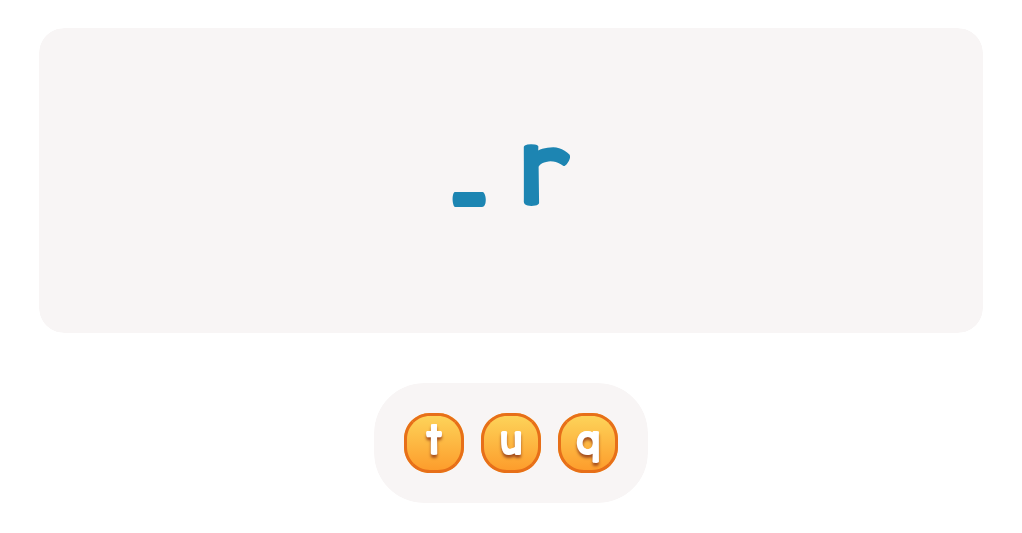
Boost your child's early literacy skills with our engaging Visual Discrimination Upper & Lowercase Letters Worksheets, designed specifically for ages 3-6. These fun, interactive activities help young learners identify and differentiate between uppercase and lowercase letters, laying a solid foundation for reading and writing. Through various exercises, your child will enhance their visual perception while enjoying colorful illustrations and playful themes that make learning enjoyable. Perfect for preschoolers and kindergarteners, these worksheets encourage essential cognitive skills, provide opportunities for independent practice, and support skill mastery. Start your child's journey to literacy today with our easy-to-use printable worksheets!
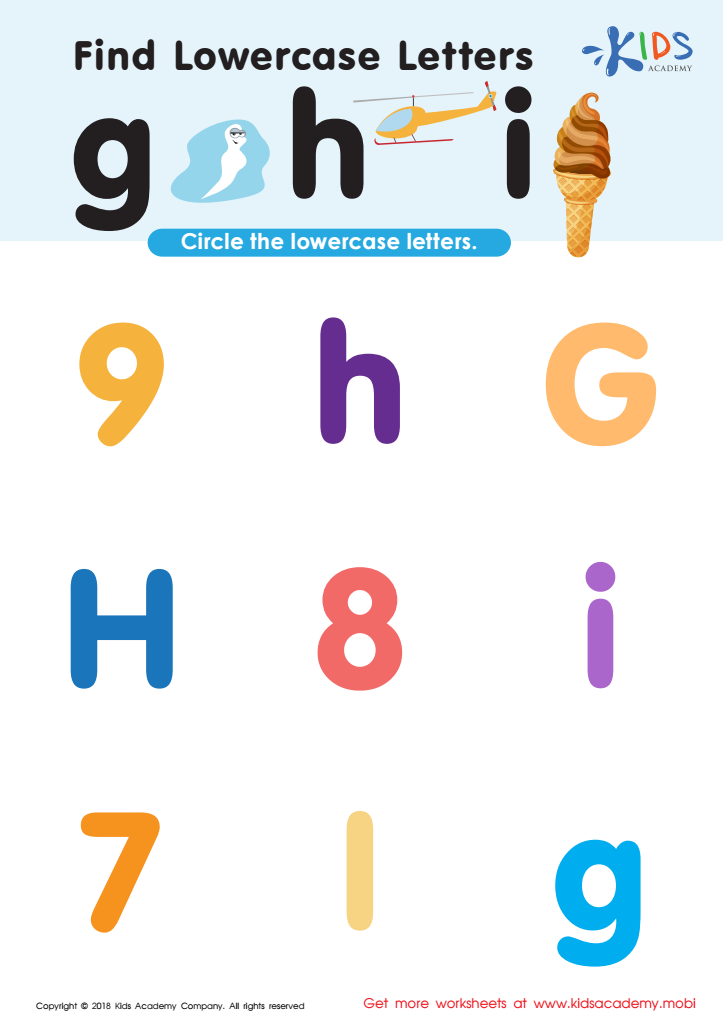
Find Lowercase Letters g h i Worksheet
 Assign to My Students
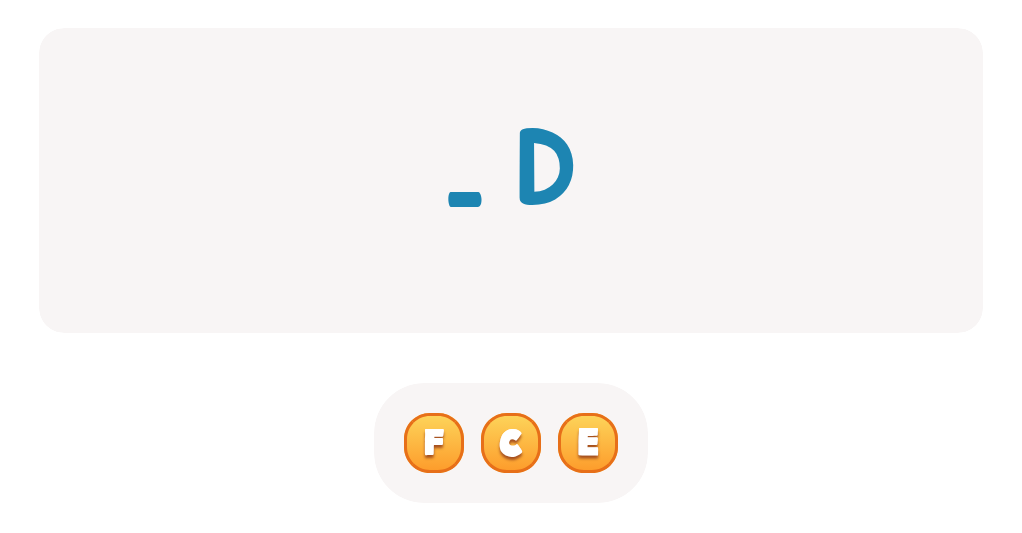

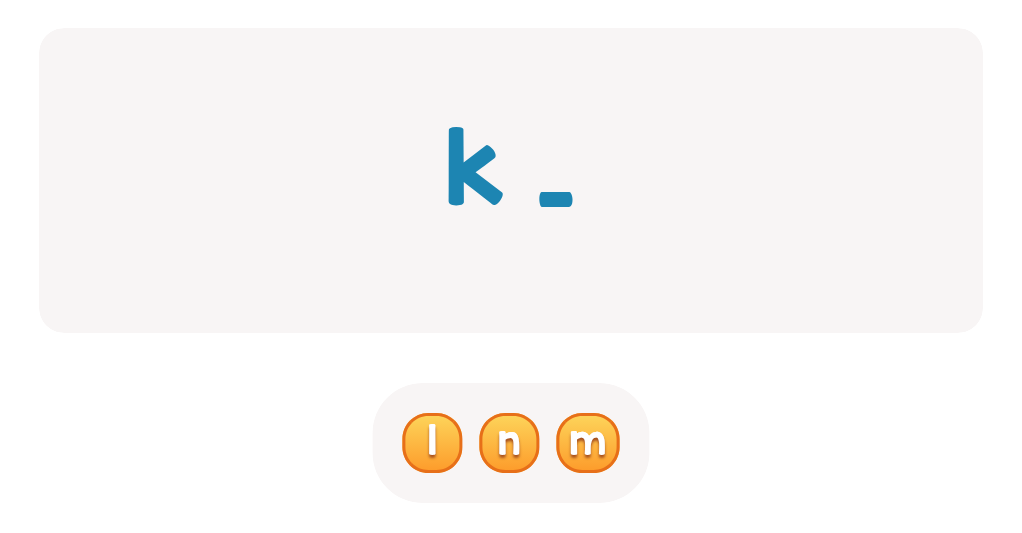
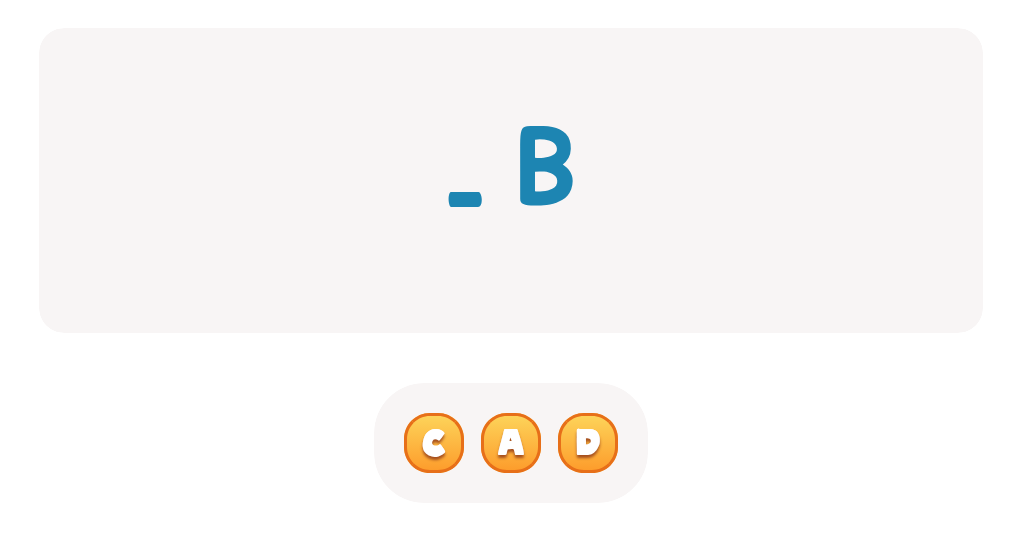
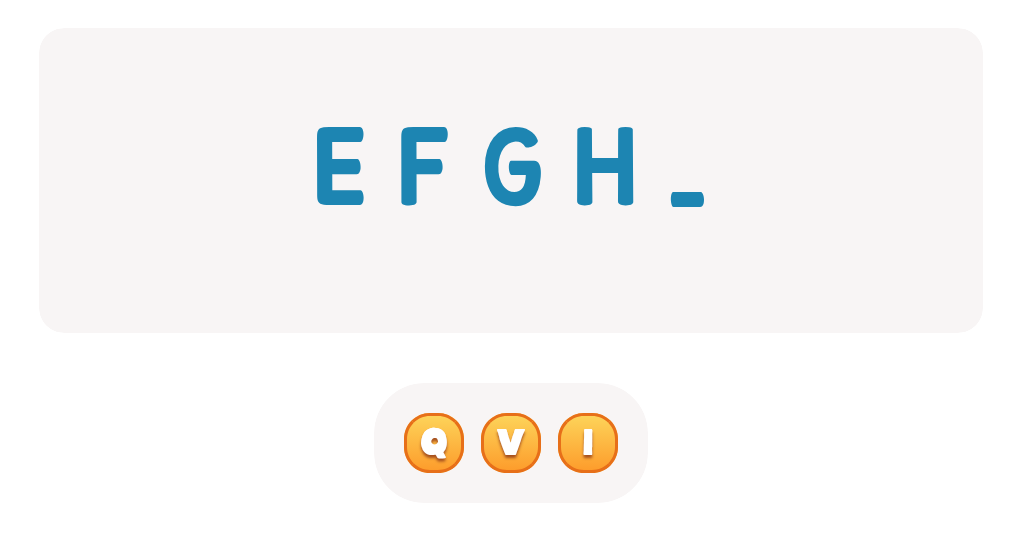
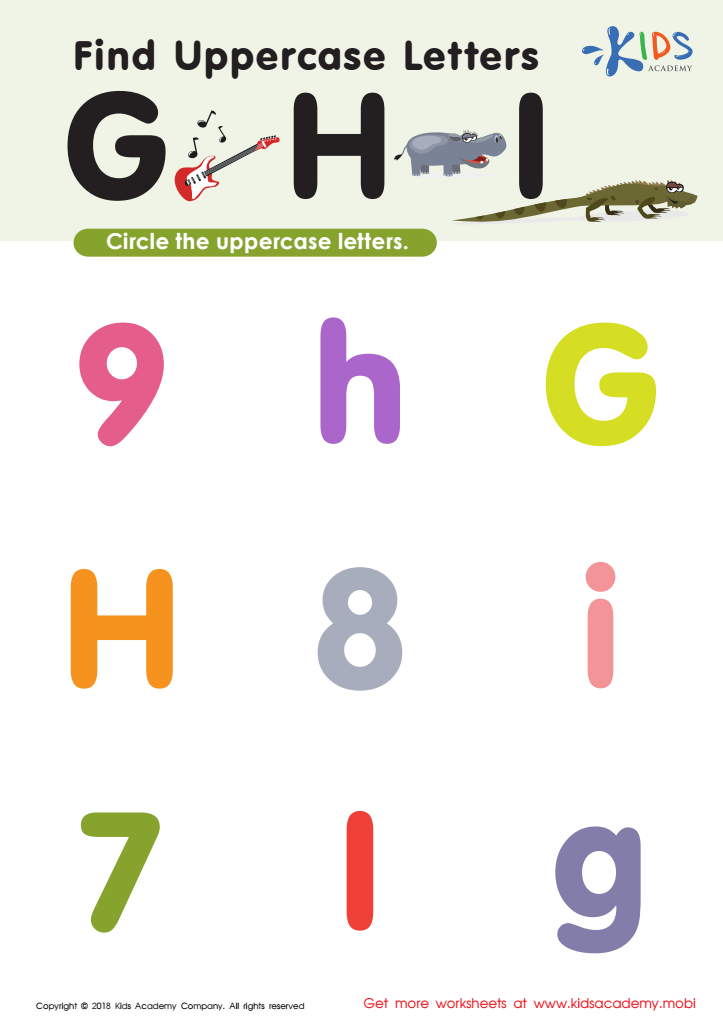
Find Uppercase Letters G, H, and I Worksheet
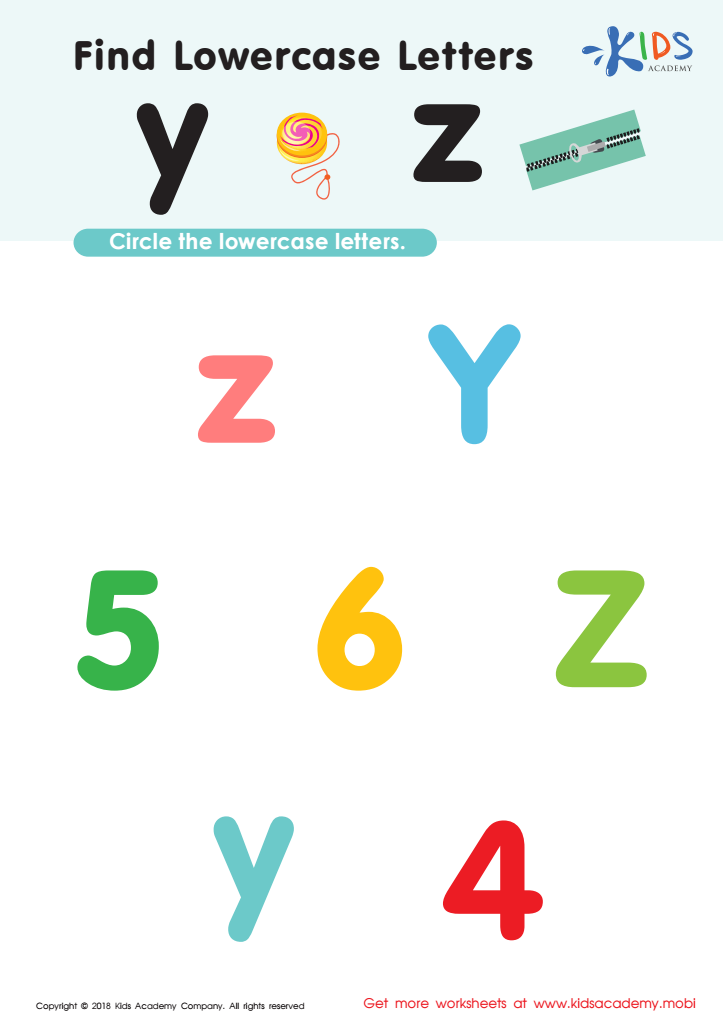
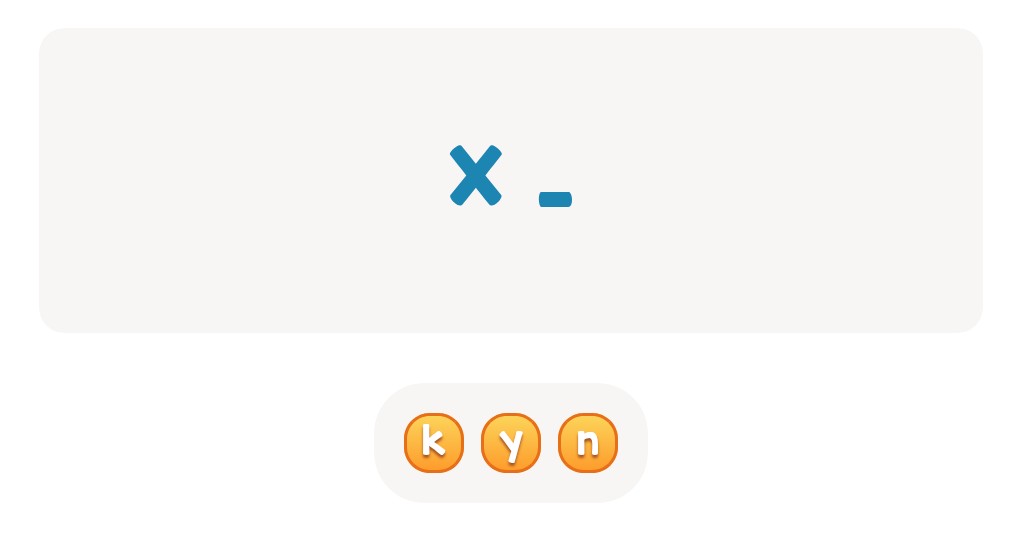
Find Lowercase Letters y z Worksheet
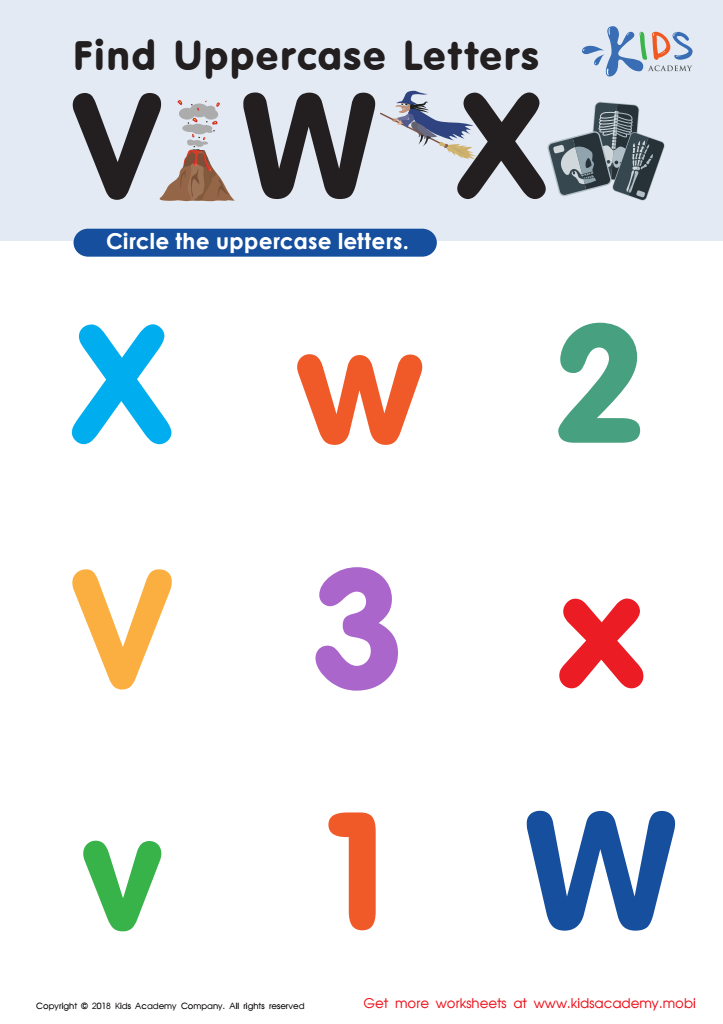
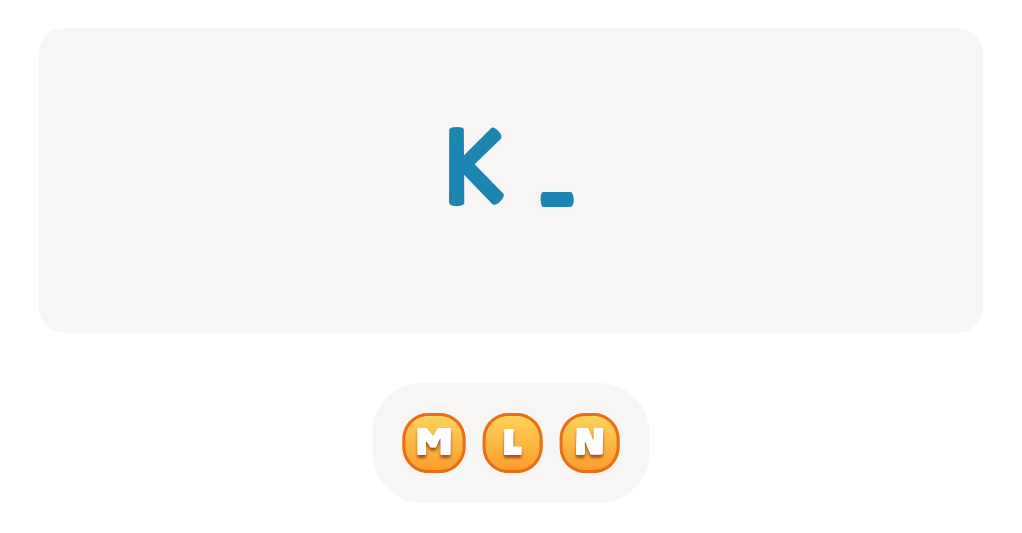
Find Uppercase Letters V, W, X Worksheet






Visual discrimination is a crucial skill for children aged 3-6 as it forms the foundation for their understanding of letters and the written language. Being able to distinguish between uppercase and lowercase letters is essential for literacy development and reading fluency. Parents and teachers should prioritize this skill because it influences how children recognize and decode words, facilitating their progression into reading and writing.
At this age, children are just beginning to grasp the structure of written language. Strong visual discrimination skills help them differentiate between similar-looking letters, such as “b” and “d,” or “p” and “q.” These skills also aid in identifying letter patterns, aiding spelling and word formation.
Furthermore, mastering uppercase and lowercase distinctions fosters confidence in children as they learn to read and write. This contributes to their overall academic success and inspires a love for learning. By engaging in fun activities and games that promote visual discrimination, parents and teachers can create a supportive learning environment, ensuring children are well-prepared for future literacy challenges. Investing time in these skills not only enhances literacy but also cultivates critical thinking and problem-solving abilities integral to a child’s holistic development.







