Phonics Skills Vowels and Consonants Worksheets for Ages 3-6
4 filtered results
-
From - To
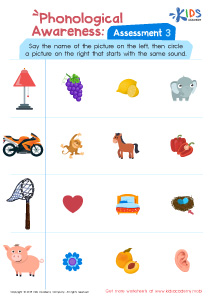
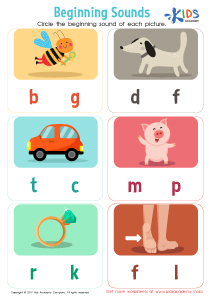
Unlock your child's reading potential with our engaging Phonics Skills Worksheets focused on vowels and consonants, designed specifically for ages 3-6. These interactive worksheets provide a fun way for young learners to master fundamental phonics concepts, essential for developing strong reading and writing skills. Each worksheet features colorful illustrations and activities that captivate young minds while promoting letter recognition and phonetic understanding. With plenty of practice, your child will build confidence in their abilities and develop a love for learning. Explore our collection today and watch your little one thrive as they embark on their phonics journey!
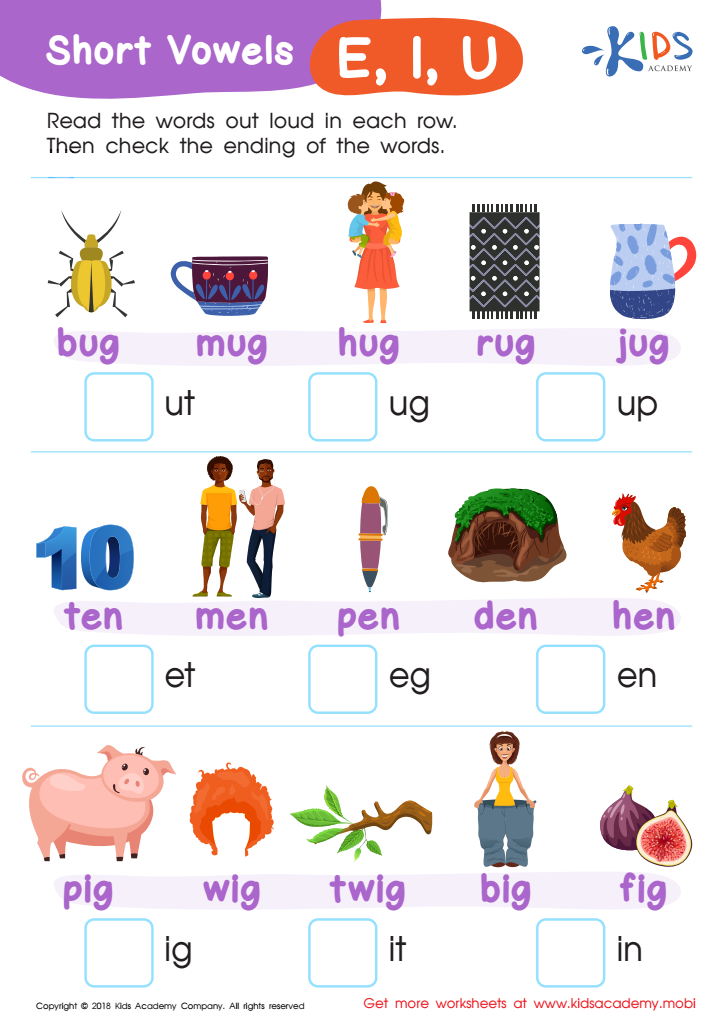
Short Vowels /e/, /i/, and /u/ Worksheet
 Assign to My Students
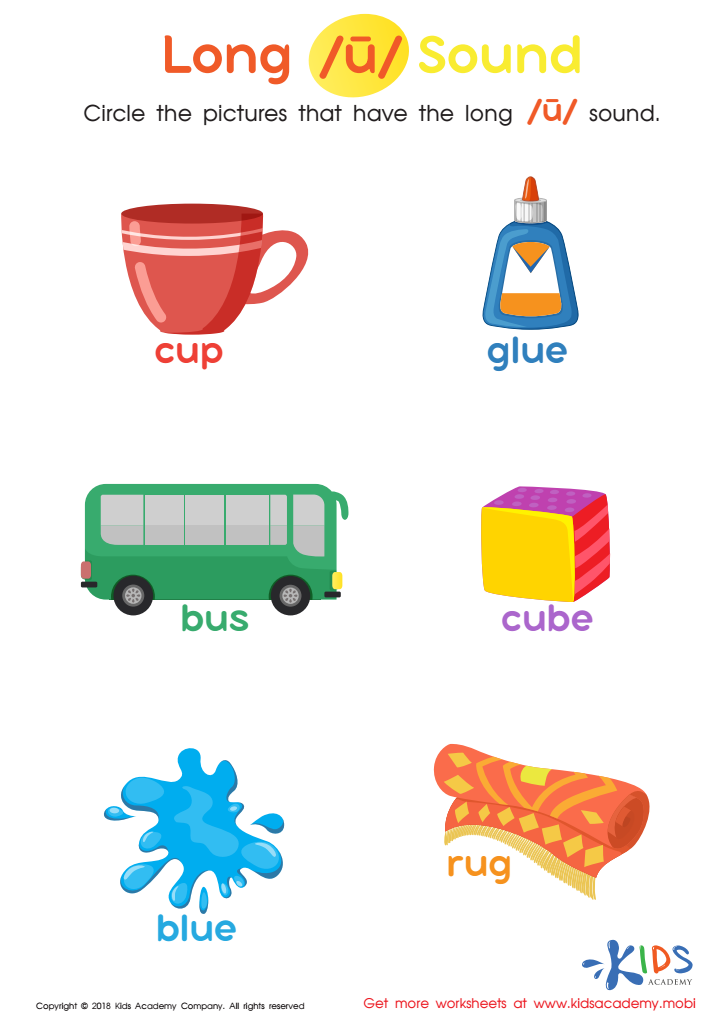
Long «u» Sound Worksheet
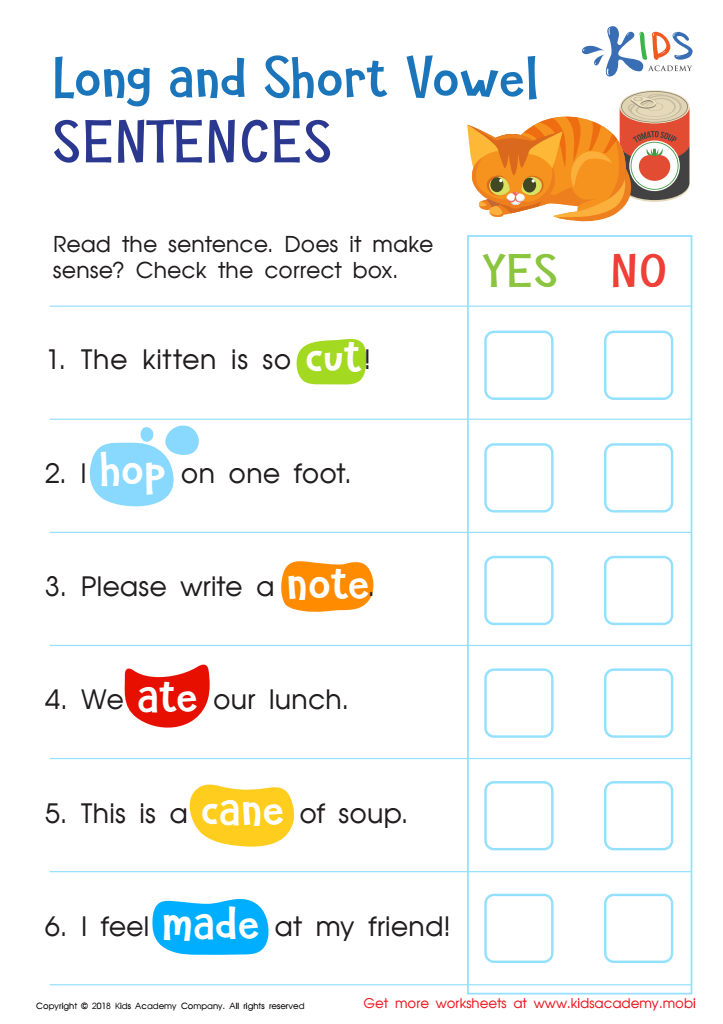
Long and Short Vowel Sentences: Assessment Worksheet
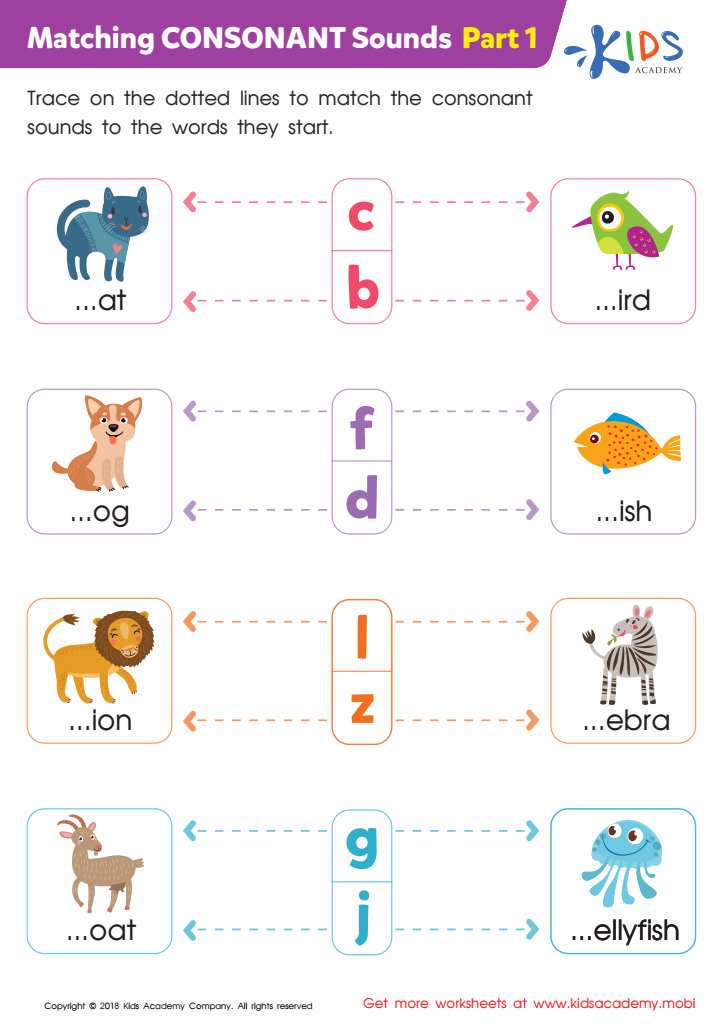
Matching Consonant Sounds: Part 1 Worksheet



Phonics skills, particularly understanding vowels and consonants, form the foundation for reading and writing in early childhood. For children ages 3-6, developing these skills is critical as this is a formative period when they begin to decode words and comprehend language.
First, phonics helps children recognize the connection between letters and sounds, enabling them to blend sounds into words. Mastering vowels and consonants is essential for this process. Vowels are central to forming syllables, while consonants help to frame the sounds, giving structure to words.
Second, strong phonics skills can significantly increase a child's confidence. When they can read simple words, it encourages a love for literature and promotes further learning. It also helps in enhancing vocabulary, aiding their ability to express thoughts clearly.
Furthermore, phonics instruction supports cognitive development, enhancing memory and phonemic awareness, both crucial for overall literacy skills. As children progress and start to read independently, foundational phonics knowledge enables them to tackle more complex texts.
In summary, parents and teachers should prioritize phonics, focusing on vowels and consonants for ages 3-6, to foster essential literacy skills, encourage a love for reading, and positively impact overall cognitive growth.