Historical Knowledge 4th of July Worksheets for Ages 3-6
4 filtered results
-
From - To
Our "Historical Knowledge 4th of July Worksheets for Ages 3-6" are designed to make learning fun and engaging for young children. These colorful, interactive worksheets help kids understand the significance of Independence Day while developing key skills. Perfect for preschool and kindergarten students, each activity promotes historical awareness through easy-to-follow lessons and creative tasks such as coloring and simple puzzles. Whether at home or in the classroom, these worksheets provide a fantastic way for young learners to celebrate the spirit of July 4th and gain a foundational appreciation for American history.
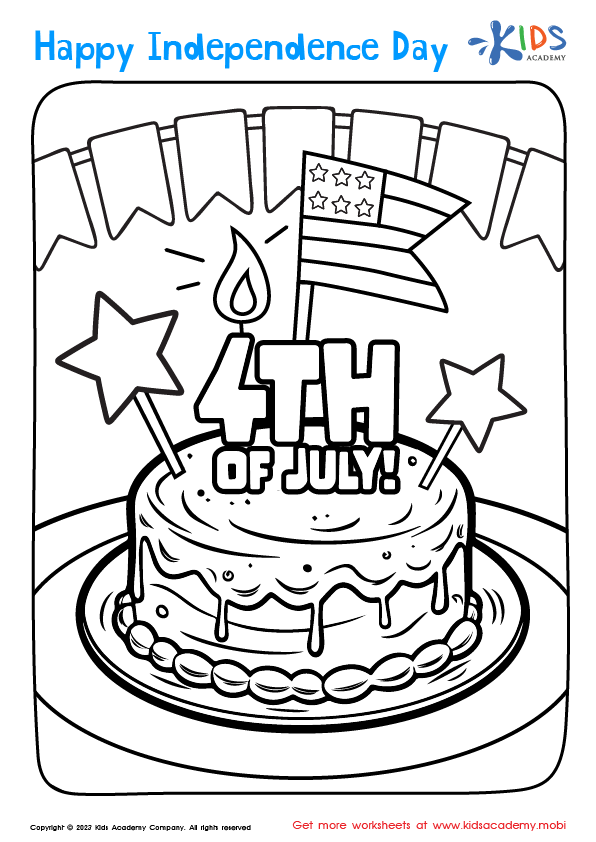
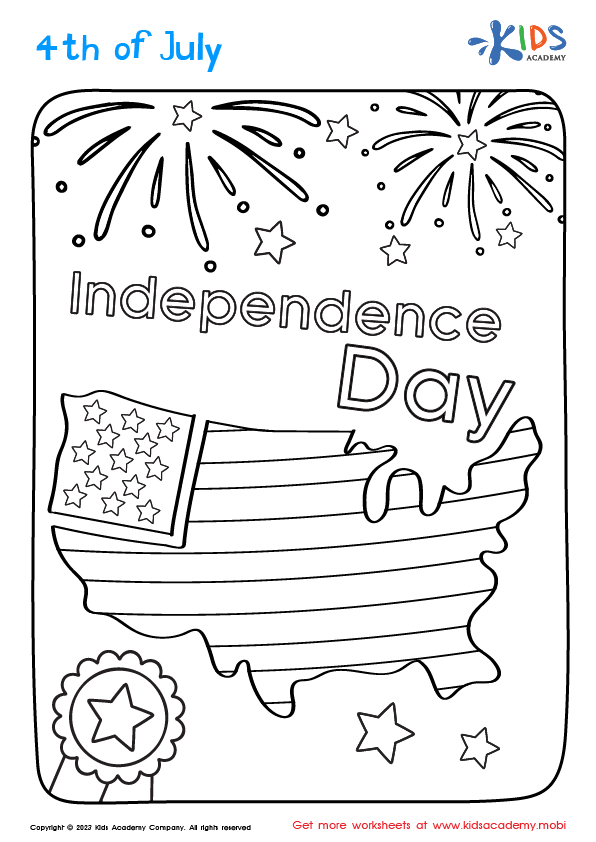
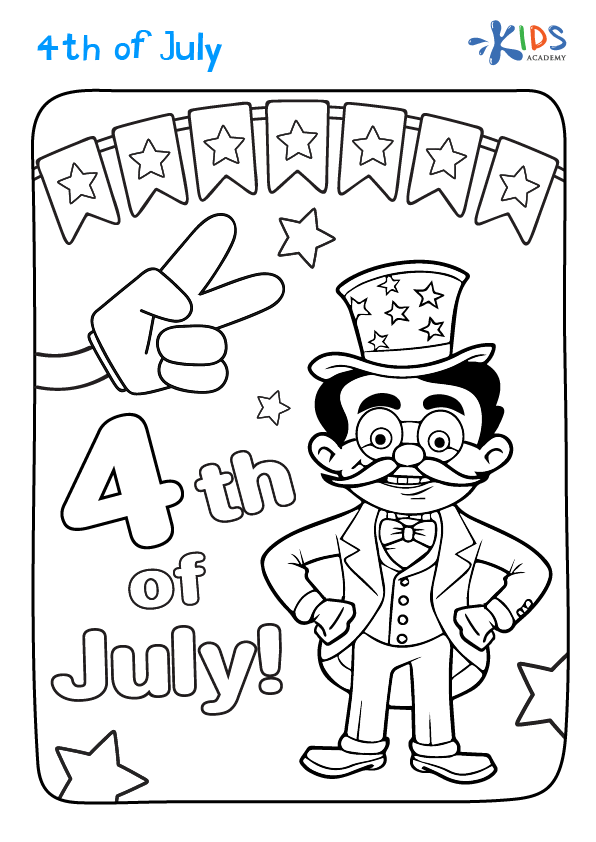


Understanding the significance of the 4th of July, or Independence Day, is important for young children (ages 3-6) for several enriching reasons. While this age group may not grasp complex historical facts, being introduced to the basics of this national holiday fosters an early sense of patriotic identity and awareness of their heritage. Learning about the 4th of July can instill pride in their country and help them appreciate the values of freedom and democracy that shape society today.
After all, the history behind the 4th of July is centered around themes that are accessible to young minds, such as the idea of a nation's birthday celebration. By engaging them in stories about the Founding Fathers and the quest for independence, parents and teachers can spark curiosity and build a foundation for a deeper interest in history and civics as they grow. Activities like flag-making, parades, and simple storytelling can make this knowledge enjoyable and memorable.
Moreover, an early introduction to historical events fosters critical thinking and emphasizes the importance of past events in shaping the present. Beyond facts, it helps develop cultural understanding and respect for their own nation’s journey. Creating such educational foundations early on paves the way for a more informed, respectful, and engaged future generation.