History knowledge 4th of July Worksheets for Ages 3-6
3 filtered results
Difficulty Level
Grade
Age
-
From - To
Subject
Activity
Standards
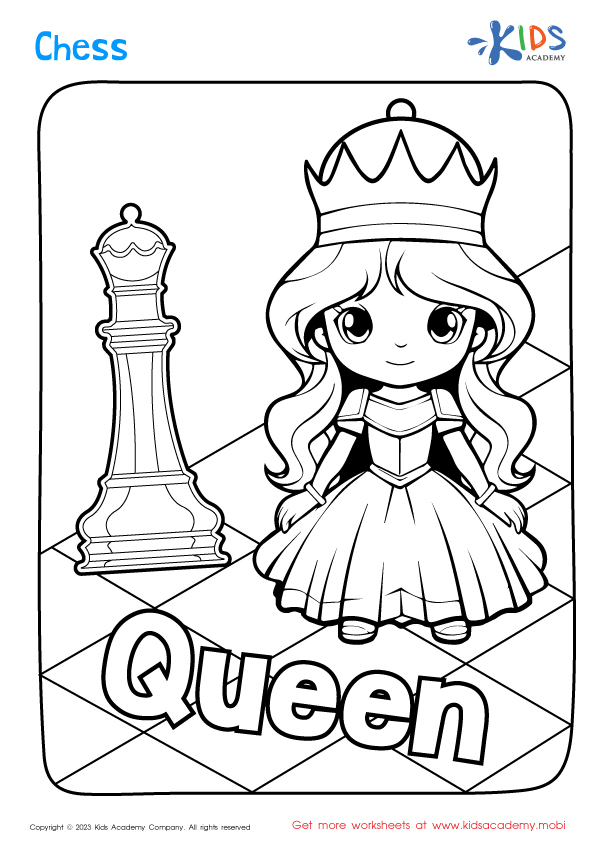
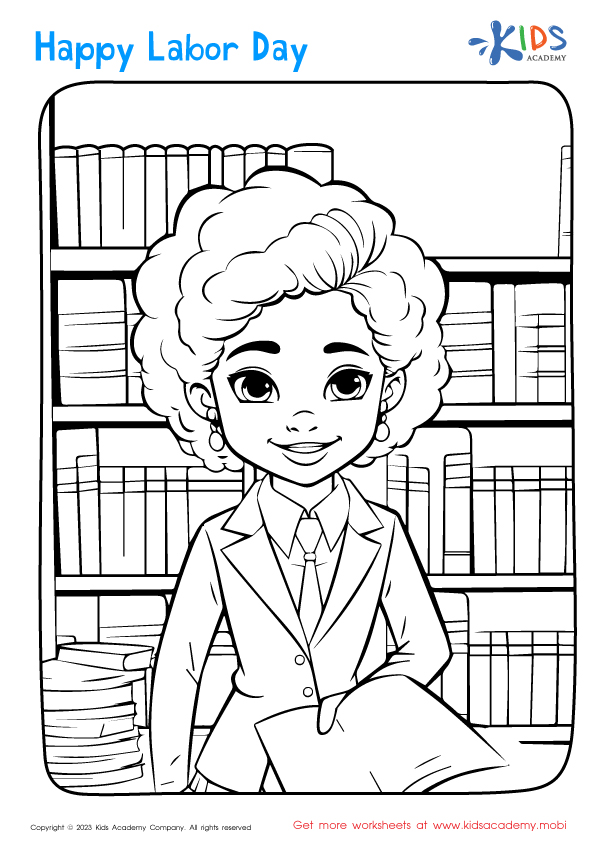
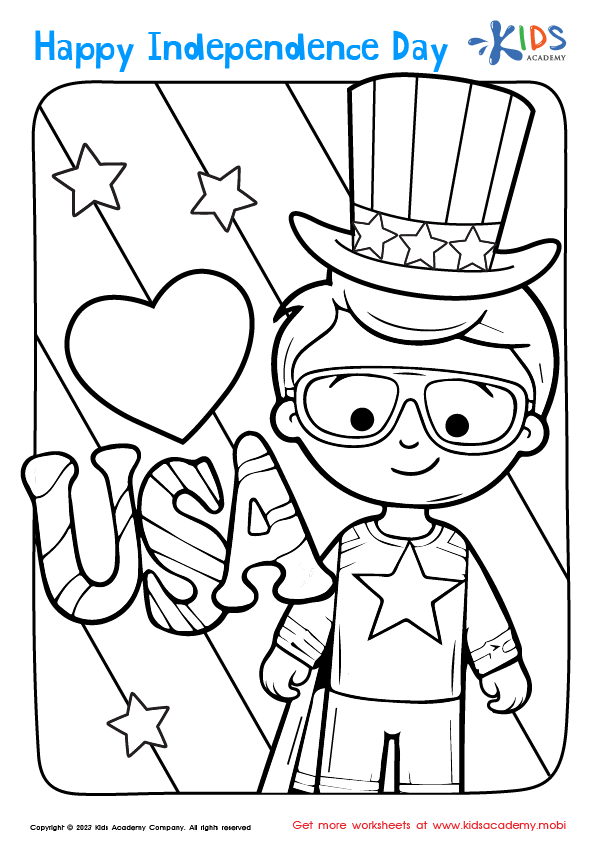
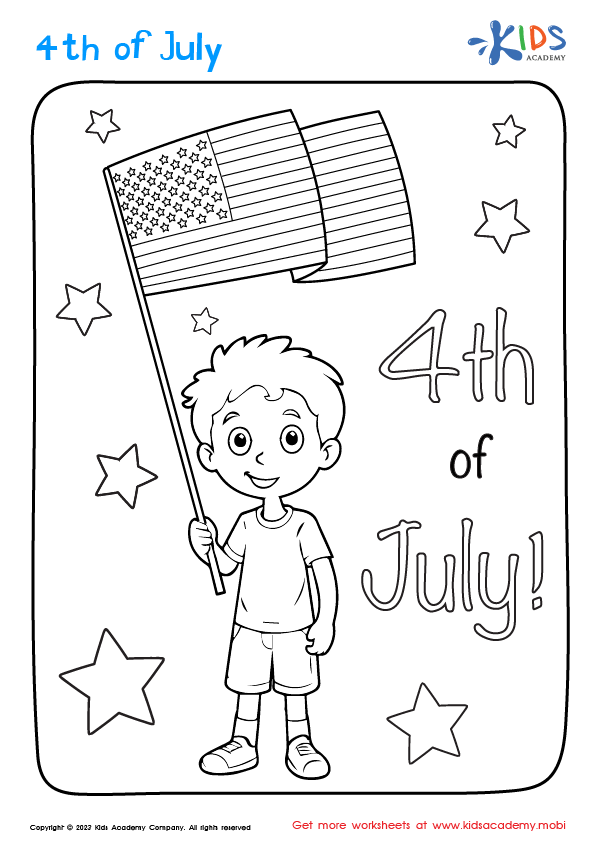
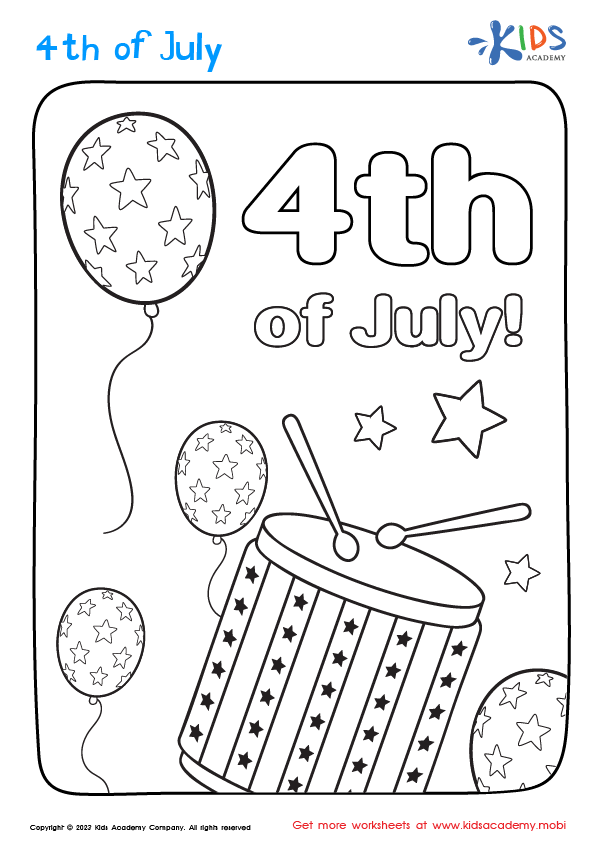
Discover engaging "History Knowledge 4th of July Worksheets for Ages 3-6" at Kids Academy! Perfectly crafted for young minds, these worksheets introduce little learners to the significance of Independence Day through fun, educational activities. Children can enjoy interactive coloring pages, simple puzzles, and beginner-friendly history exercises designed to capture their imaginations while teaching essential American history facts. Foster a love for learning and patriotism with resources that make history enjoyable and approachable for preschool and kindergarten students. Visit Kids Academy and make each 4th of July a memorable and enriching experience for your little ones!
Favorites
With answer key
Interactive
Join Kids Academy for Free
Who is primarily going to use this learning content?



Understanding the Fourth of July is crucial for young children, even as early as ages 3-6, because it introduces them to the concept of national identity and core democratic values. At this tender age, children are highly impressionable and begin forming foundational views of the world around them. Teaching them about the Fourth of July imbues a sense of patriotism and appreciation for the freedoms enjoyed in their country.
Learning about Independence Day can be made age-appropriate through engaging activities like crafts, stories, and songs that highlight themes of unity, family, and celebration. By knowing why the day is special, young children begin to grasp the idea of history and collective memory, helping them understand the importance of community and working together for common goals.
Moreover, early familiarity with history fosters curiosity and critical thinking. When children ask questions about past events, it opens pathways for broader learning about culture, values, and societal structure. Parents and teachers play a key role in nurturing this curiosity and providing accurate, simple explanations.
Lastly, celebrating such a significant hallmark of history fosters inclusivity by helping every child, regardless of background, feel part of the larger story of their country, laying a groundwork for informed, civic-minded individuals in the future.