Following instructions English for Beginners Worksheets for Ages 3-6
6 filtered results
-
From - To
Welcome to our "Following Instructions English for Beginners Worksheets" designed specifically for children ages 3-6! These engaging worksheets help young learners develop essential listening and comprehension skills through fun, interactive activities. With colorful illustrations and simple language, children will practice following basic instructions while enjoying the learning process. Each worksheet encourages critical thinking and enhances language development through games, puzzles, and creative exercises. Perfect for preschool and early-grade classrooms, our worksheets aim to build confidence in following directives, paving the way for successful communication skills. Get ready to inspire your little ones to understand and enjoy learning English with our resources!
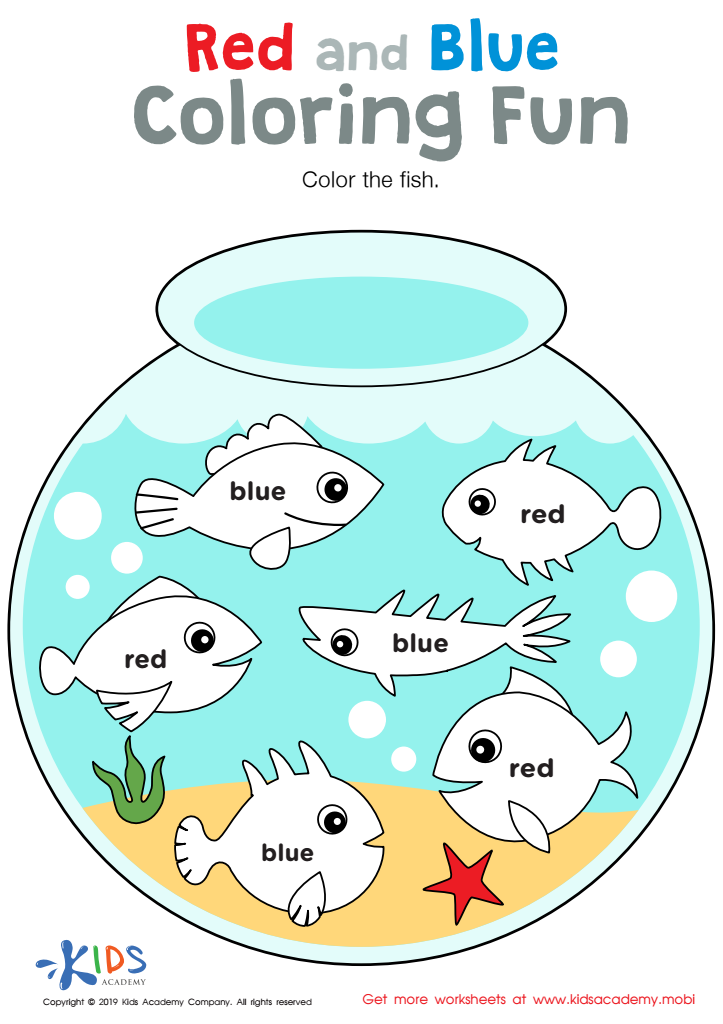
Red and Blue Coloring Fun Worksheet
 Assign to My Students
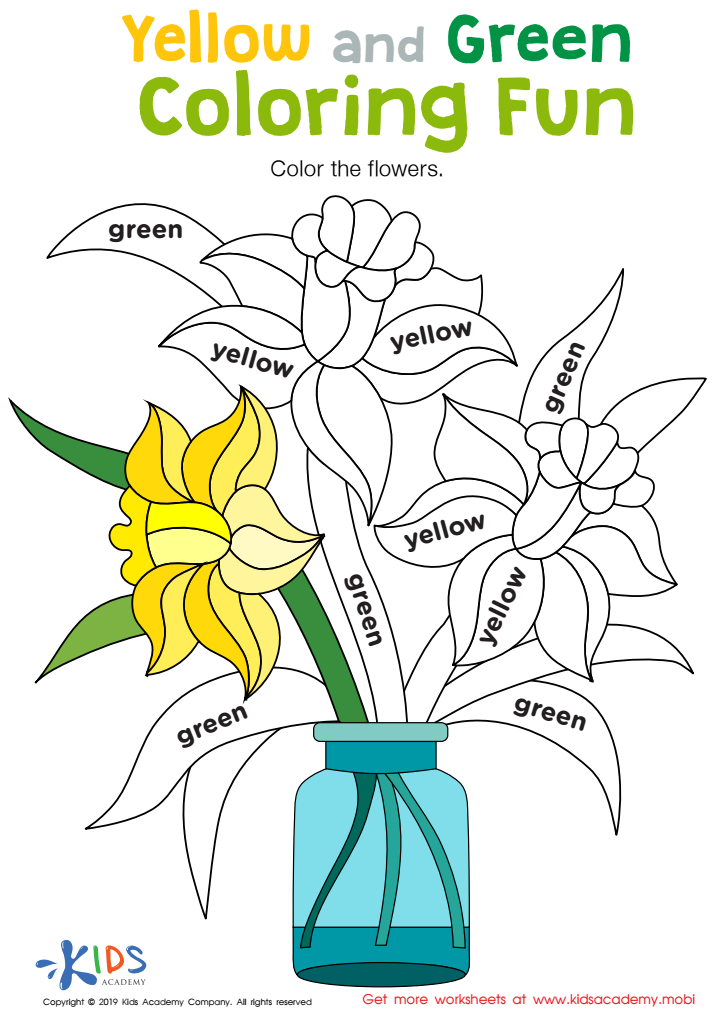
Yellow and Green Coloring Fun Worksheet
Assign to My Students
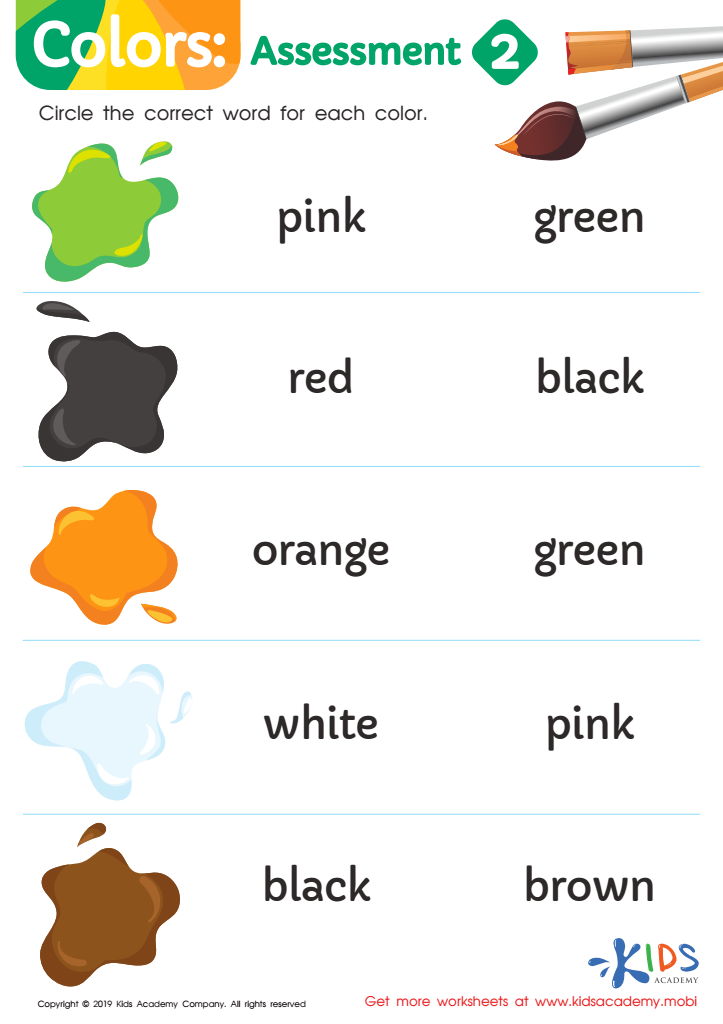
Colors: Assessment 2 Worksheet
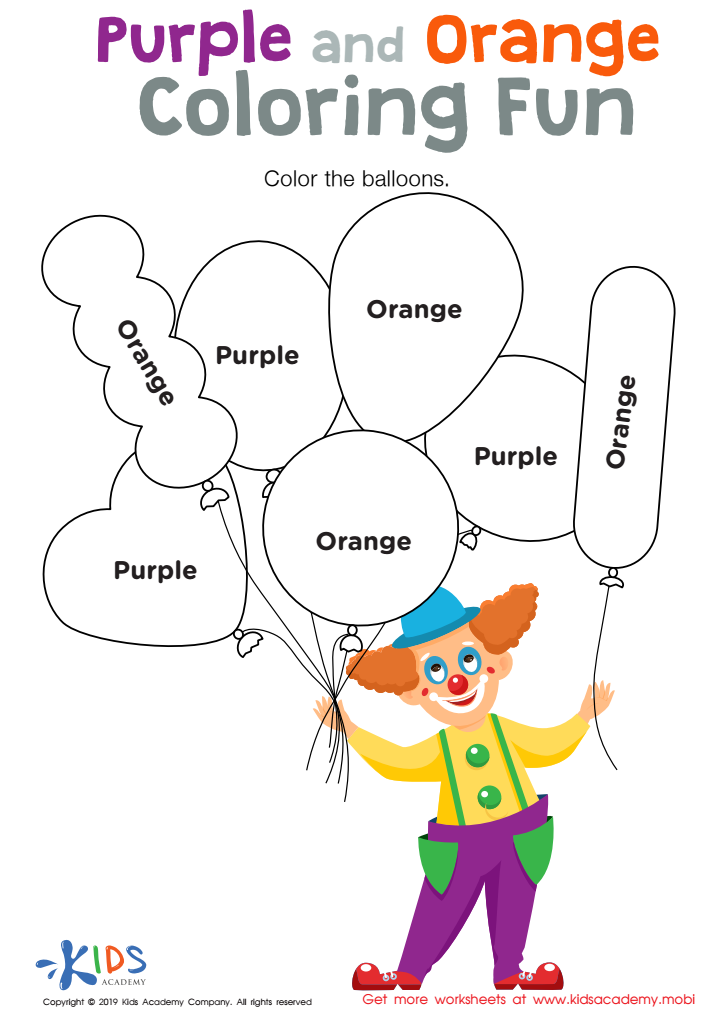
Purple and Orange Coloring Fun Worksheet
Assign to My Students
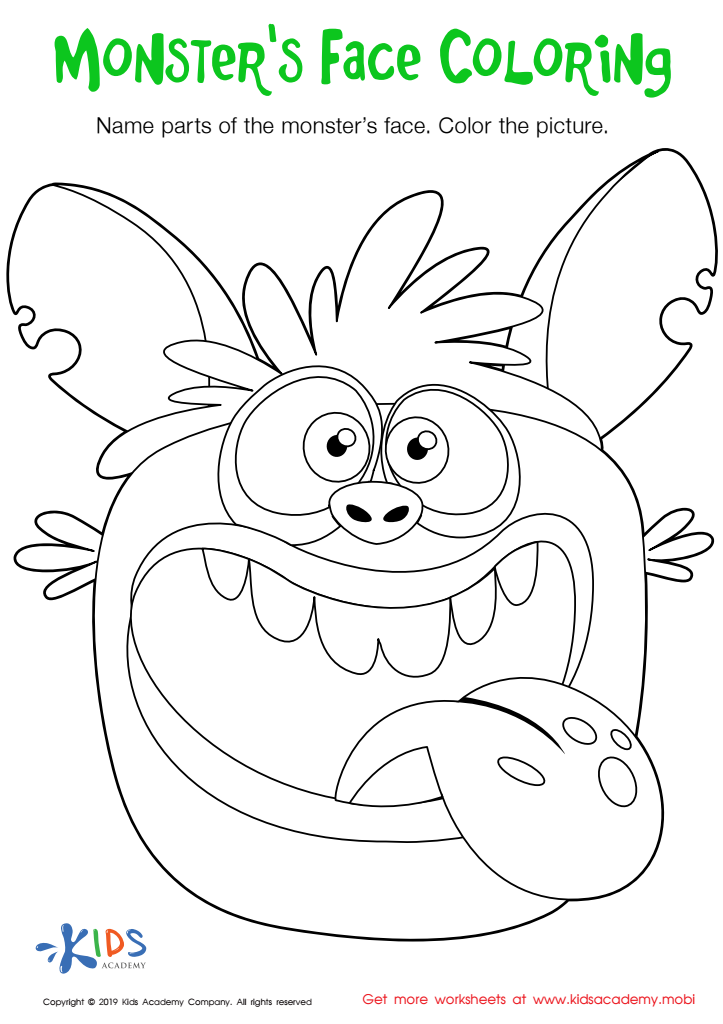
Monster's Face Coloring Worksheet
Assign to My Students
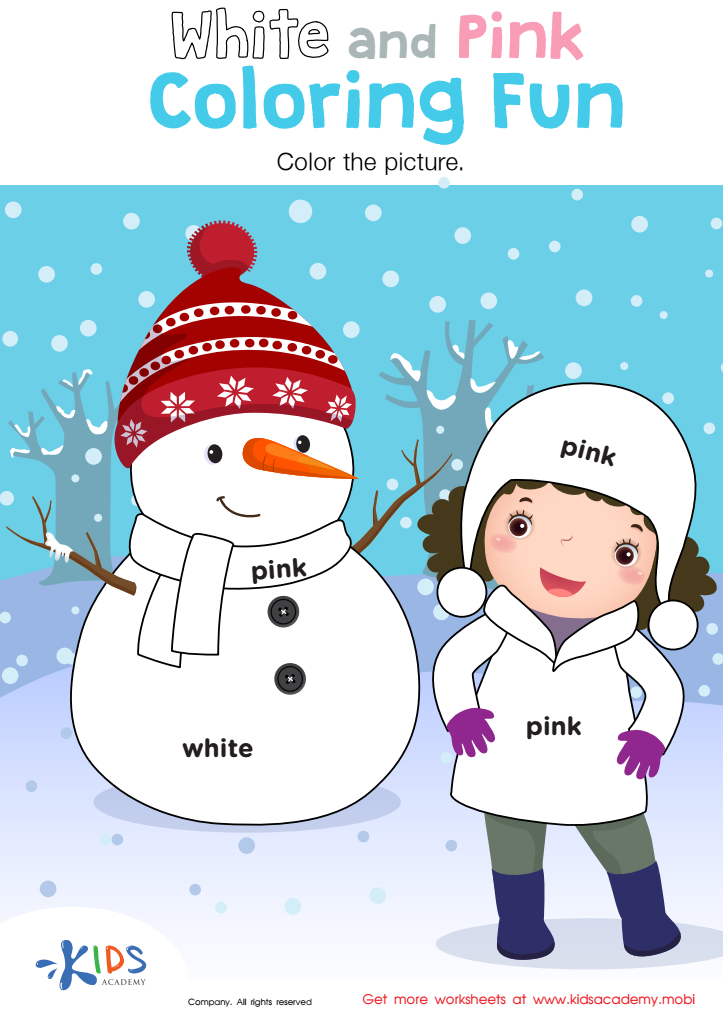
White and Pink Coloring Fun Worksheet
Assign to My Students




Teaching children to follow instructions in English, especially for beginners aged 3-6, is crucial for several reasons. At this stage, children's brains are highly receptive to language acquisition, making it an ideal time for them to learn foundational communication skills. When children understand and follow instructions, it fosters their ability to comprehend language and enhances their vocabulary. This skill also promotes independence; children become more confident in navigating their environment as they grasp basic directives.
Additionally, following instructions is vital for developing cognitive and social skills. It encourages attentive listening, patience, and the ability to take turns—all essential traits for success in future learning environments. As children follow directions in group settings, they learn to collaborate and interact positively with peers, strengthening their social bonds.
By engaging with this learning process, parents and teachers can create a nurturing atmosphere where children feel supported while exploring language. Furthermore, instilling the ability to follow instructions will aid them in more structured environments, such as school. Therefore, emphasizing this skill not only lays the groundwork for effective communication but also prepares young learners for academic success and lifelong learning.