Motor skills development English for Beginners Worksheets for Ages 3-6
7 filtered results
-
From - To
Discover our engaging Motor Skills Development English for Beginners worksheets designed specifically for children aged 3-6! These thoughtfully crafted resources blend language learning with essential motor skills practice, helping young learners refine their fine and gross motor abilities while acquiring English vocabulary. Our fun and interactive activities include tracing, cutting, and coloring, all aimed at enhancing coordination and dexterity. Ideal for classrooms or at-home learning, these worksheets provide a dynamic approach to teach English as a second language. Foster your child's confidence and creativity while ensuring they meet developmental milestones. Explore our collection today and support your child's early learning journey!

Letter H Tracing Page
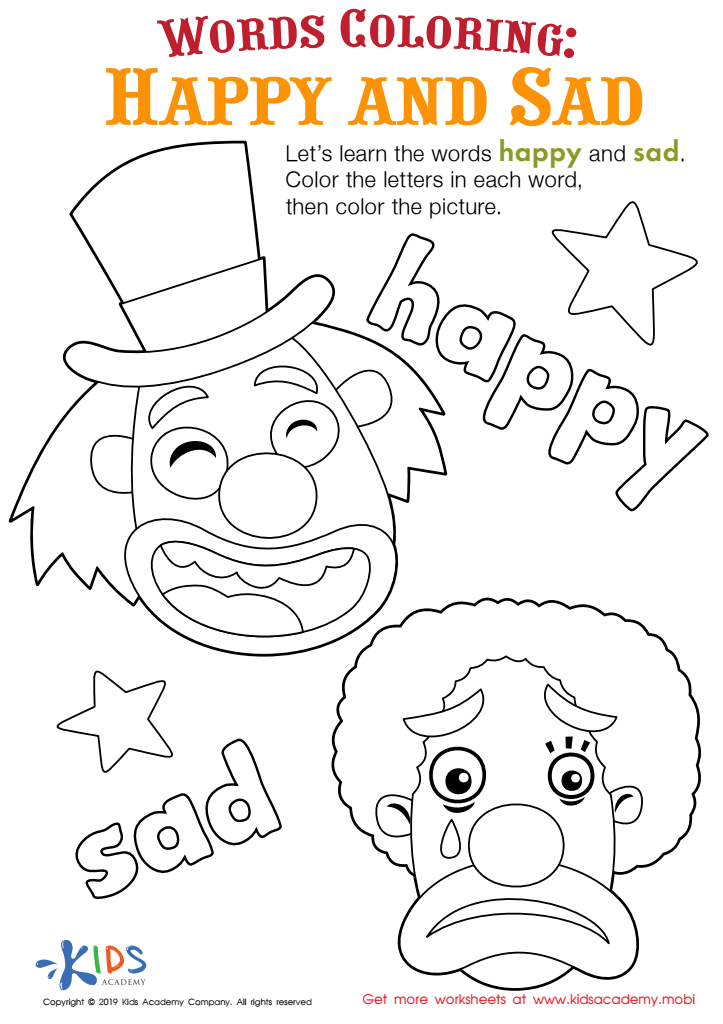
Happy and Sad Words Coloring Worksheet
 Assign to My Students
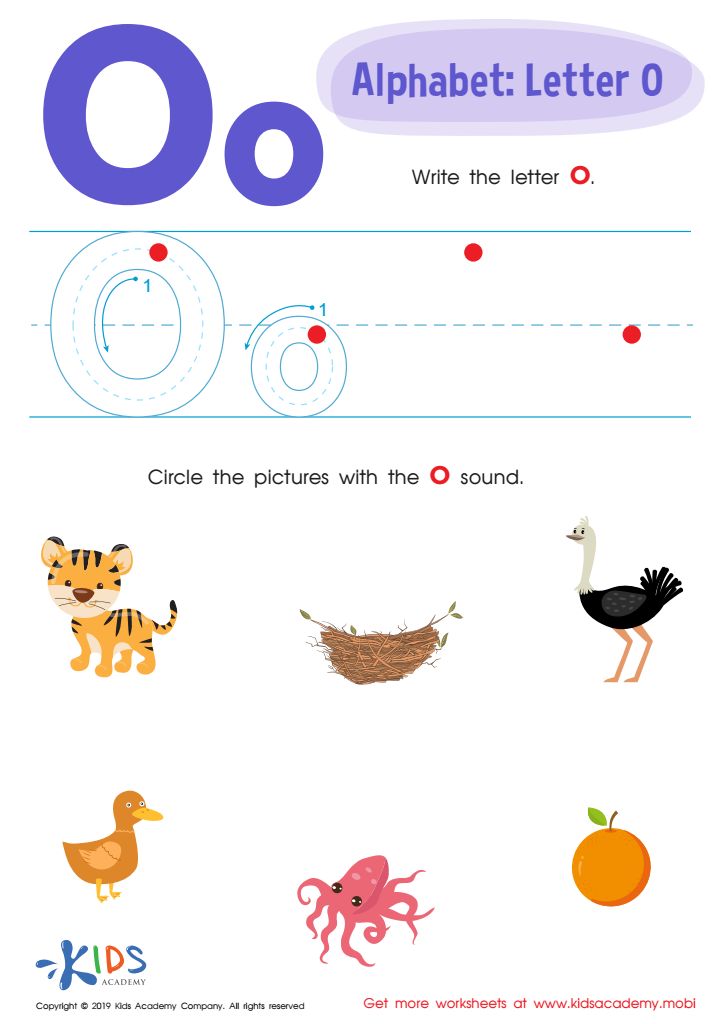
Letter O Tracing Worksheet
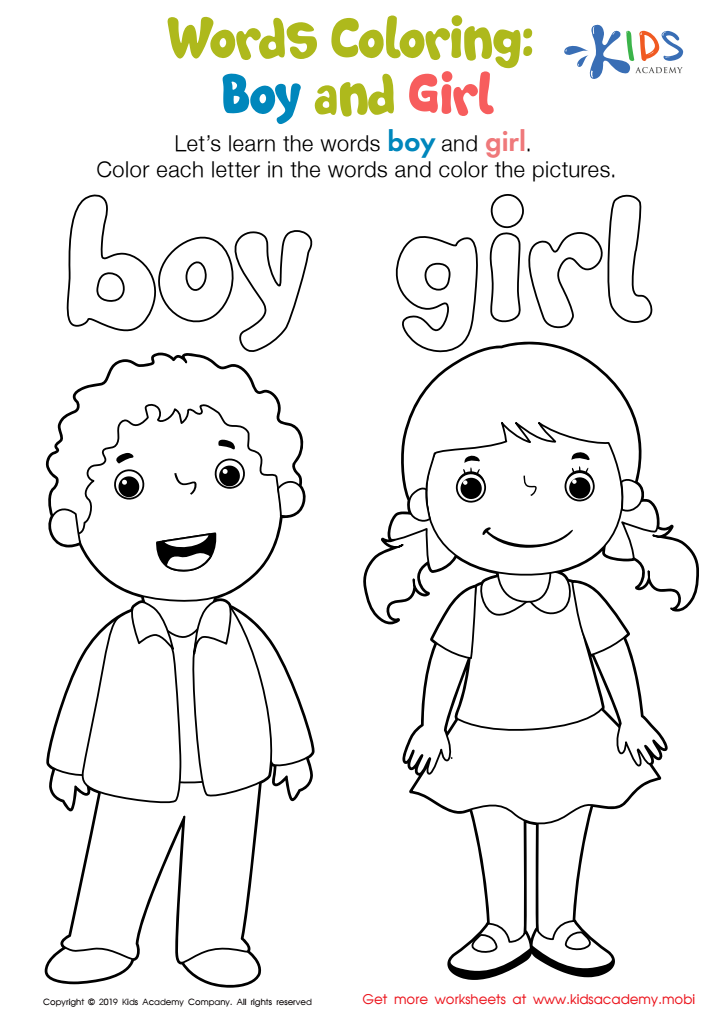
Boy and Girl Words Coloring Worksheet
Assign to My Students

Letter O Coloring Sheet
Assign to My Students

Letter B Tracing Page
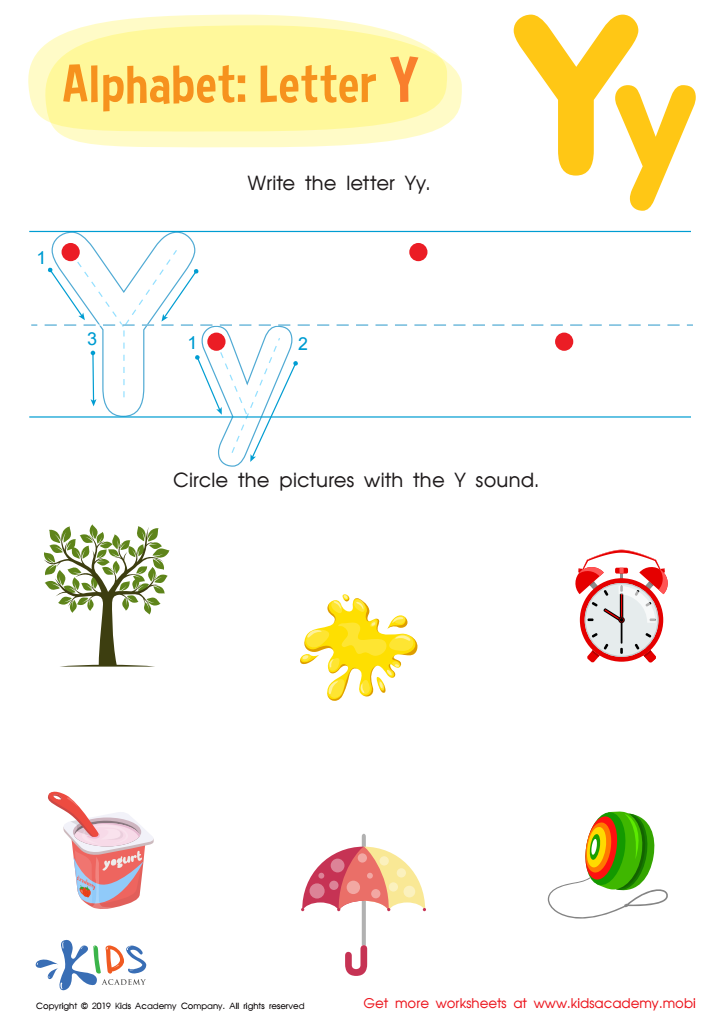
Letter Y Tracing Worksheet




Motor skills development is crucial for children ages 3-6 because it lays the foundation for their overall growth and learning. This age group experiences significant physical and cognitive changes, making it an ideal time to focus on developing both fine and gross motor skills.
Fine motor skills involve the coordination of small muscles in the hands and fingers, which are essential for tasks like writing, drawing, and manipulating small objects. Enhancing these skills helps children express themselves creatively and increases their confidence in completing everyday activities.
Gross motor skills, on the other hand, involve larger muscle groups and activities such as running, jumping, and climbing. These skills promote physical health, coordination, and balance, encouraging the development of a healthy lifestyle.
By fostering motor skills, parents and teachers also boost children’s social skills. Activities like group games enhance teamwork and communication, allowing children to build friendships. Additionally, strong motor skills support cognitive growth, as they often correlate with improved problem-solving abilities.
In summary, focusing on motor skills development in early childhood is vital, as it not only supports children's physical and social growth but also sets the foundation for academic success and lifelong health.